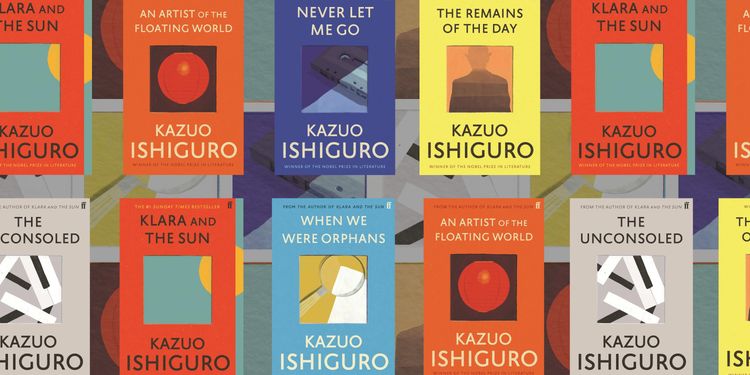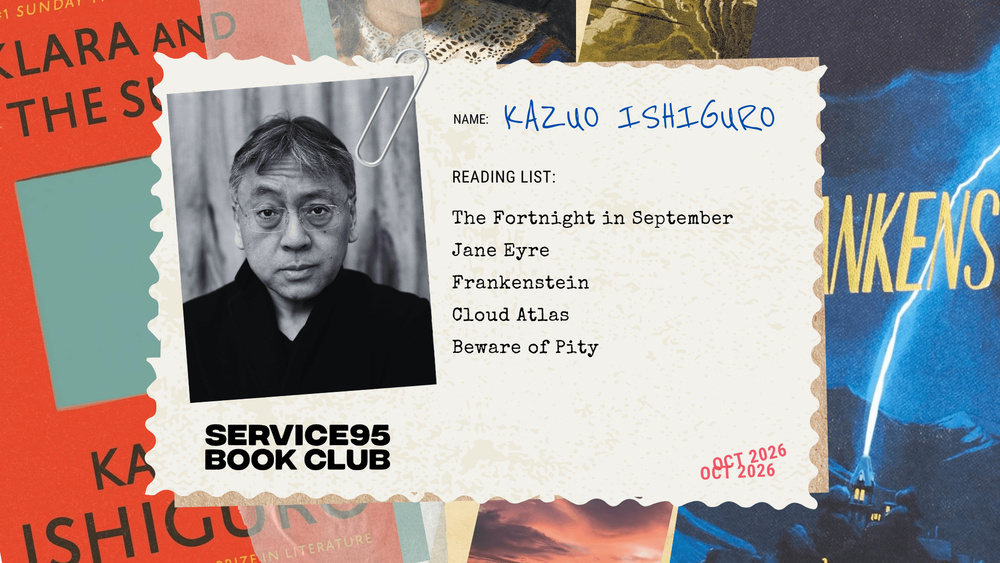
Over a decorated writing career spanning four decades, Kazuo Ishiguro has established a writing style that’s unmistakably his own. His 2021 novel Klara And The Sun embodies this with a minimalism and precision that underpins a profound, deeply moving examination of the human condition that reveals itself gradually over time.
The book, centred around the friendship between a sick teenager and her AI companion, has been chosen by Dua as her Monthly Read for the Service95 Book Club this October. As part of our conversation around the novel, Ishiguro shares the books that have influenced his own writing over the years, from iconic works of science fiction to moving accounts of family love.
The Fortnight In September by RC Sheriff (1931)

“A gentle and profoundly moving story of an ‘ordinary’ family’s summer holiday at the English seaside. Nothing eventful seems to occur, yet Sheriff so recalibrates our sense of what is and isn’t dramatic we share every nuance of this family’s excitement and small disappointments. I’ve rarely read anything that reveals the complexities of family love like this.”
Jane Eyre by Charlotte Bronte (1847)
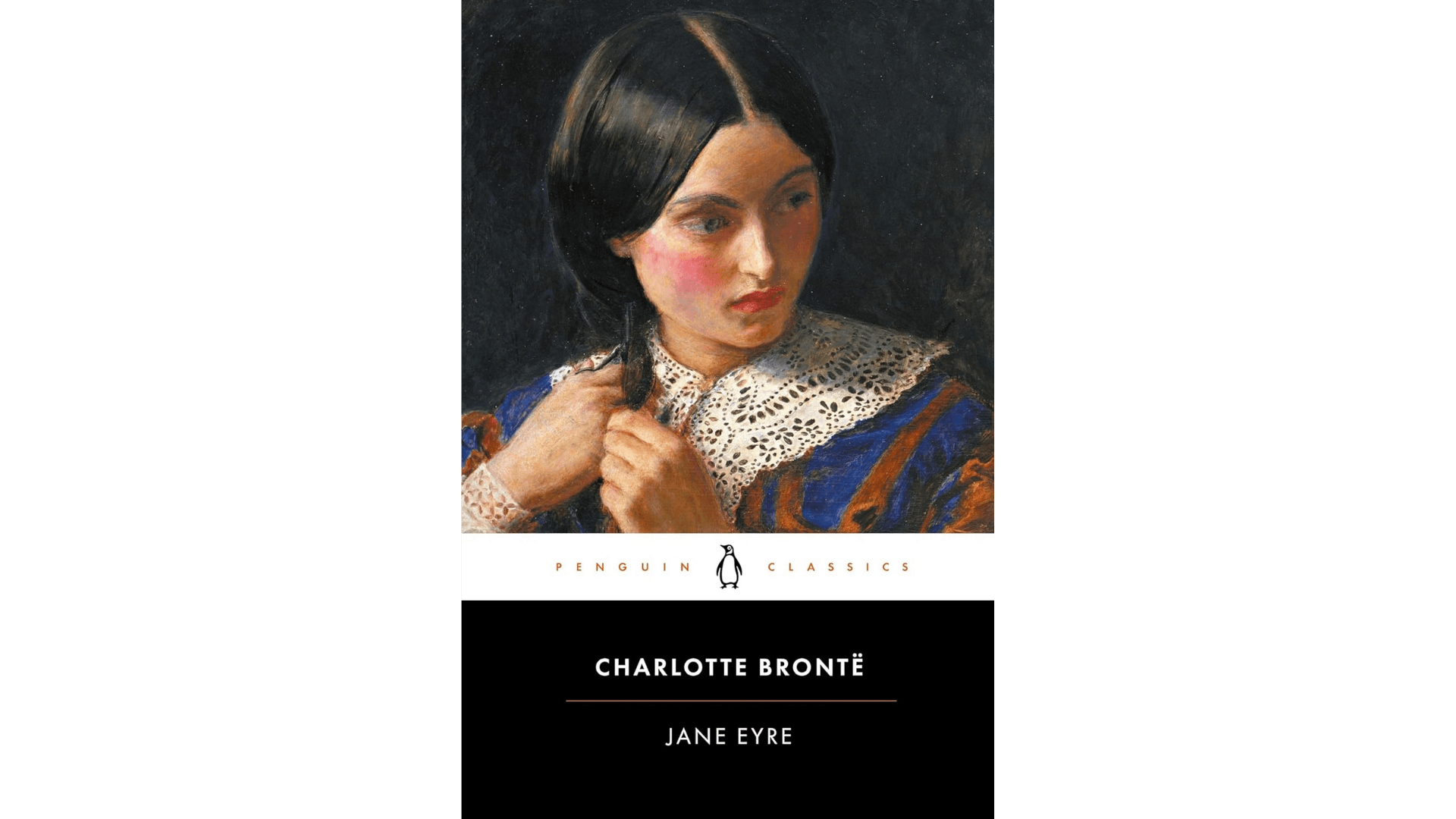
“I’ve learned more as a writer from this one novel than any other. Superb use of the first-person – and so subtly deployed you hardly realise how it’s working on you. Jane herself is very oddball, so what we get is almost an alien’s angle on the world she encounters.”
Frankenstein by Mary Shelley (1818)
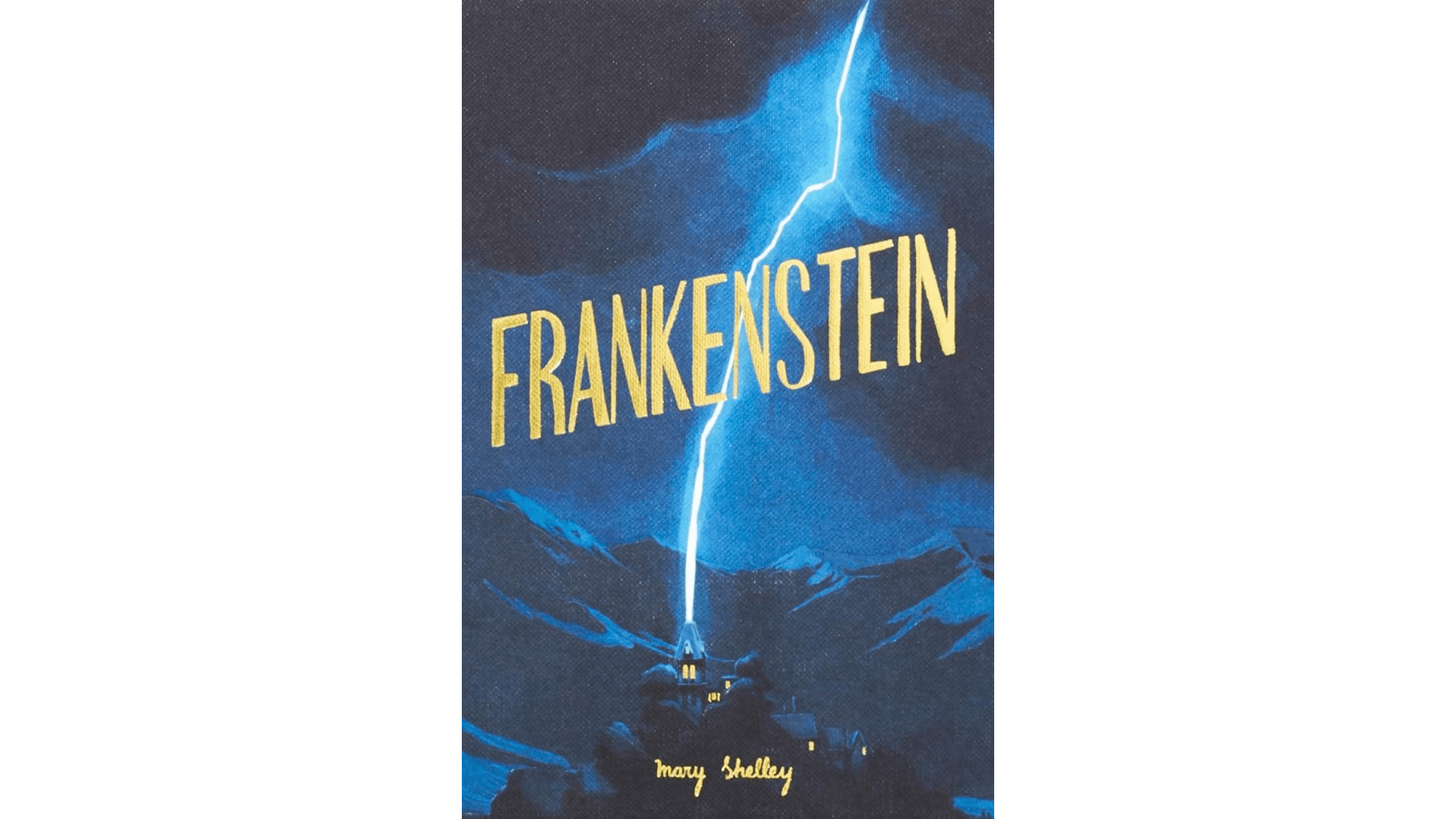
“This extraordinary work, written by a teenager over two hundred years ago, has never lost its power to haunt. Like the greatest myths, it reshapes itself to speak to each new era – the industrial revolution, the nuclear age, or now our own age of AI and genetic science. But its profound power comes not from social commentary, but from its vision of the tortured love between creator and created, parent and child.”
Cloud Atlas by David Mitchell (2004)
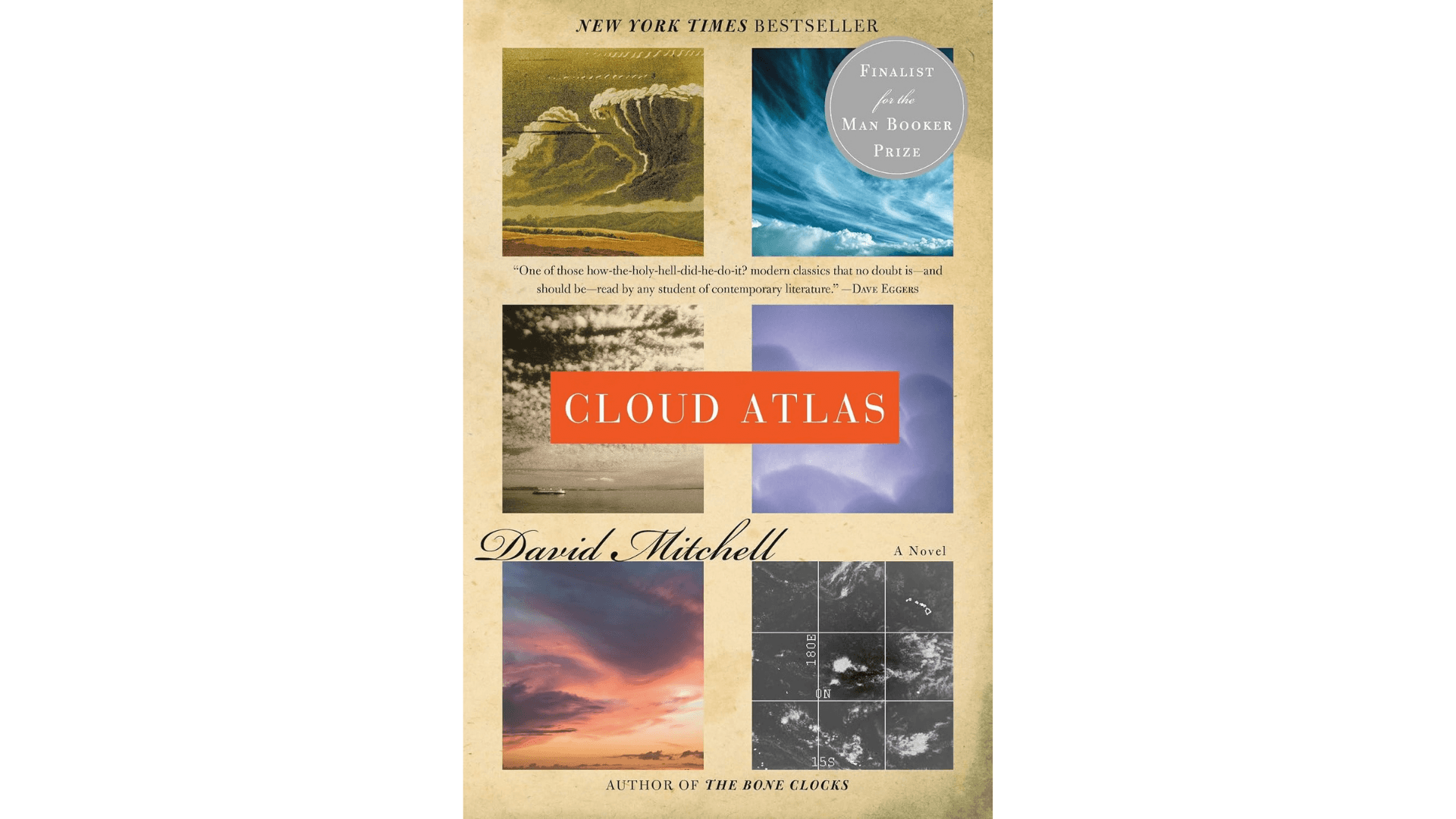
“It was this exhilarating, absurdly dazzling novel (by a writer nearly a generation younger than me) that persuaded me it was not only permissible to use SF concepts in ‘literary’ fiction, but that it was perverse, even negligent, not to do so.”
Beware Of Pity by Stefan Zweig (1939)
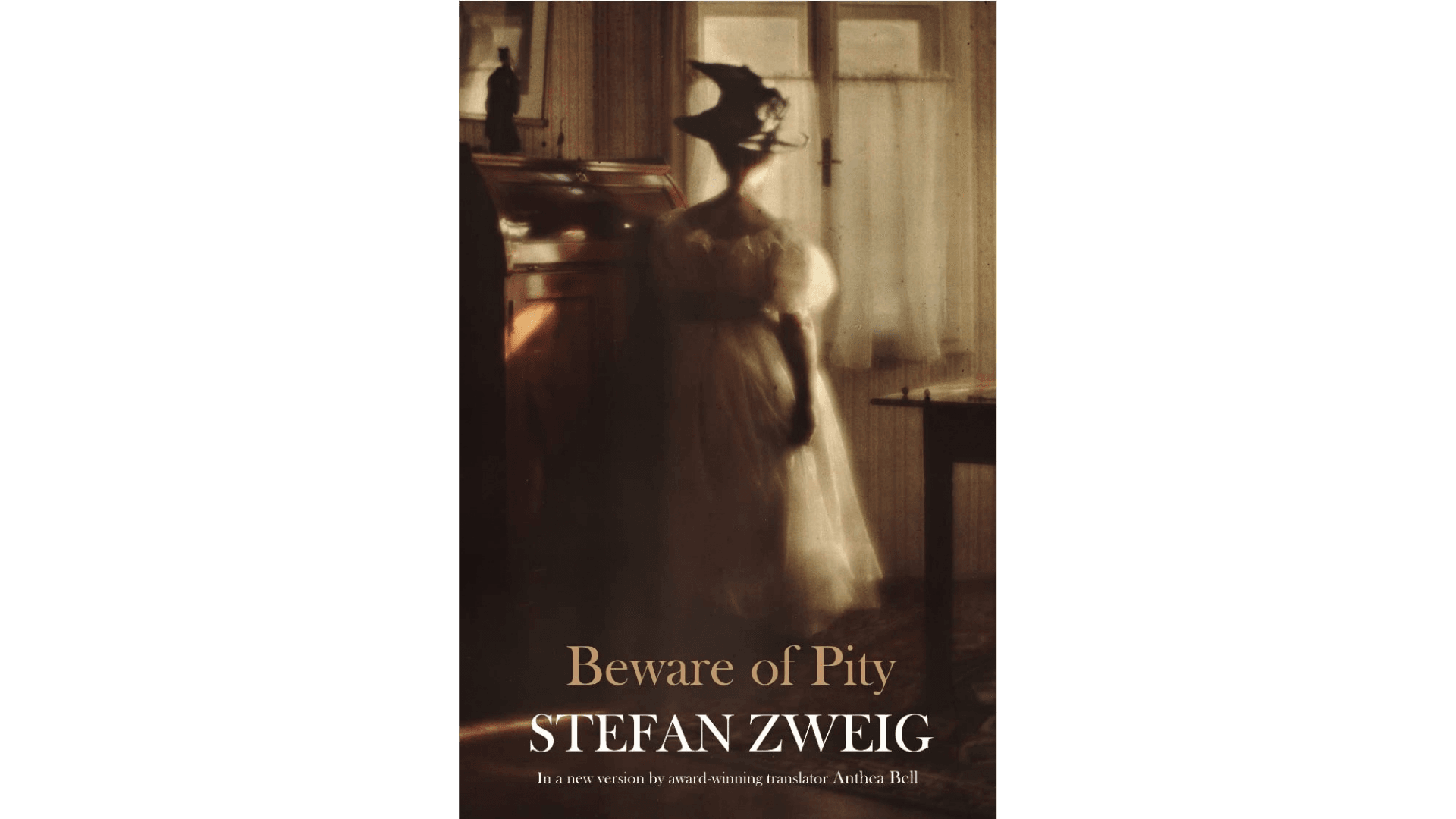
“This riveting Austrian classic, set on the eve of the Great War, quickly traps you in its excruciating, toe-curling embarrassments from which you don’t escape till the very end. A love story of sorts, but one that demonstrates how many other emotions can feel convincingly adjacent to ‘love’, and how societal forces can exert such influence over our emotions it becomes almost impossible to distinguish the real thing.”
There’s More – Delve Deeper Into Klara And The Sun With The Service95 Book Club...
WATCH Dua’s interview with its author Kazuo Ishiguro
HEAR A playlist chosen by Ishiguro to soundtrack the novel
BOOKMARK seven authors share their favourite Ishiguro novel
DISCOVER how science fiction has shaped some of history's most striking books and films