Service95 logo
NEWSLETTERSearch icon
CultureActivismTravelSelfStyleThe ListsShoppingBook Club

Addis Ababa’s New Creative Spaces, Captured By Its New Creative Faces

By Helina TesegaNovember 17, 2026
Addis Ababa’s New Creative Spaces, Captured By Its New Creative Faces

Photos: Rekik Negussie, Abinet Teshome and Sehin Tewabe

“When were you last in Addis? Five years ago? You wouldn’t recognise it now.”

I’ve found myself saying this to many friends since returning to the UK from Ethiopia this year – even those who know Addis Ababa well. The capital city is evolving at an almost unbelievable pace. New roads, pavements, buildings and fountains seem to appear overnight. I grew up in Ethiopia and much of my family still lives in Addis. Now, returning every year for a month or two, I’m surprised by how much has changed each time.

Ethiopia is home to me, and remains central to what we do through Eat Ethio – a creative studio I founded and run with my partner, Scott Albon (who curated the imagery for this series) to explore and celebrate Ethiopian culture through food, music and gathering as interconnected practices.

While everyone talks about the construction in the capital, something else has caught my attention: a new generation of creatives opening spaces, starting independent projects and coming together in ways that feel particularly exciting.

On our most recent trip, Scott and I visited new galleries, independent cinemas and creative spaces. We met photographers, filmmakers, musicians, artists and fashion designers, often through introductions at exhibitions and gatherings. One event would lead to another, and before long we were seeing familiar faces everywhere. There's excitement in the air; new communities taking shape.

But culture in Ethiopia is nothing new. The country has an extraordinary past, from the ancient stelae of Axum and the rock-hewn churches of Lalibela to its own writing system and calendar. And creativity is just as present in everyday life: you see it with the hand-carved wooden chairs in people’s homes; the beautifully woven textiles and pottery. In church, too: centuries of paintings and iconography lining the walls. It’s in the careful blending of spices, the patience of making injera, the rituals of coffee and the distinctive sounds of Ethio-jazz alongside traditional music and dance. 

What interests me now is seeing a younger generation recognising the value of what has always been around them, looking with fresh eyes. As you’ll see in the photo series below, captured by creatives on the ground in Addis, they’re not simply preserving the past, but deciding what to carry forward.

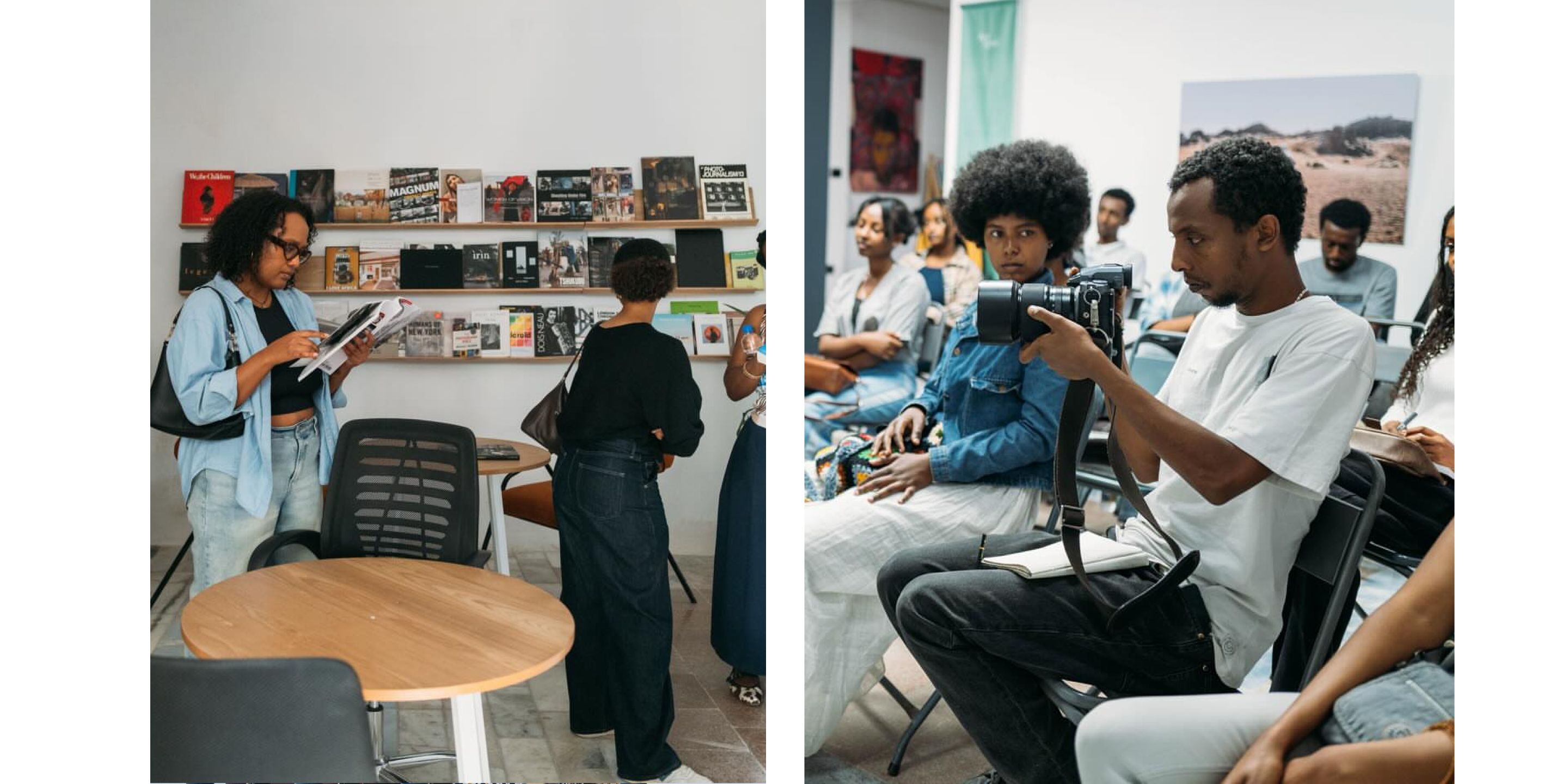
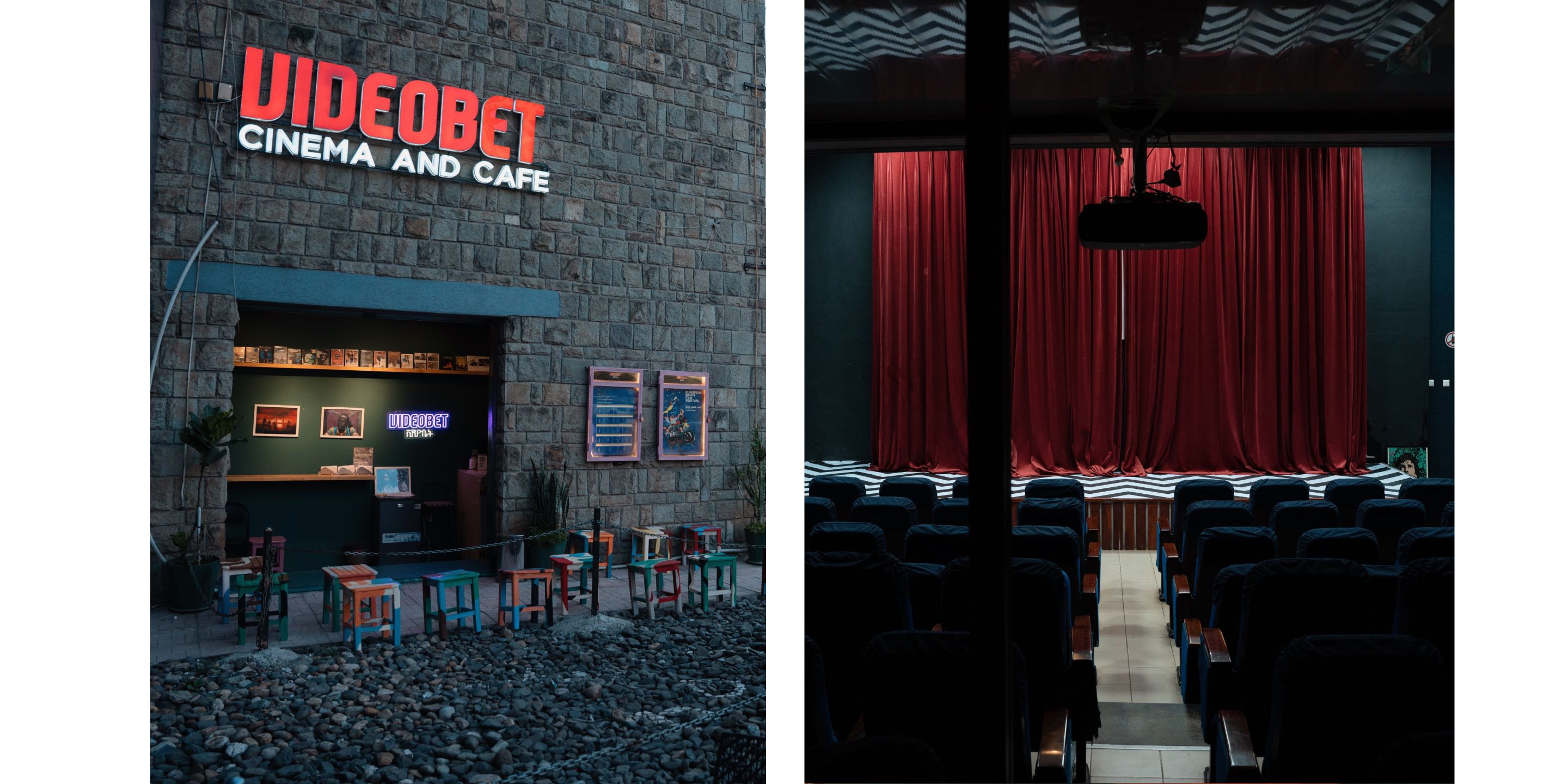
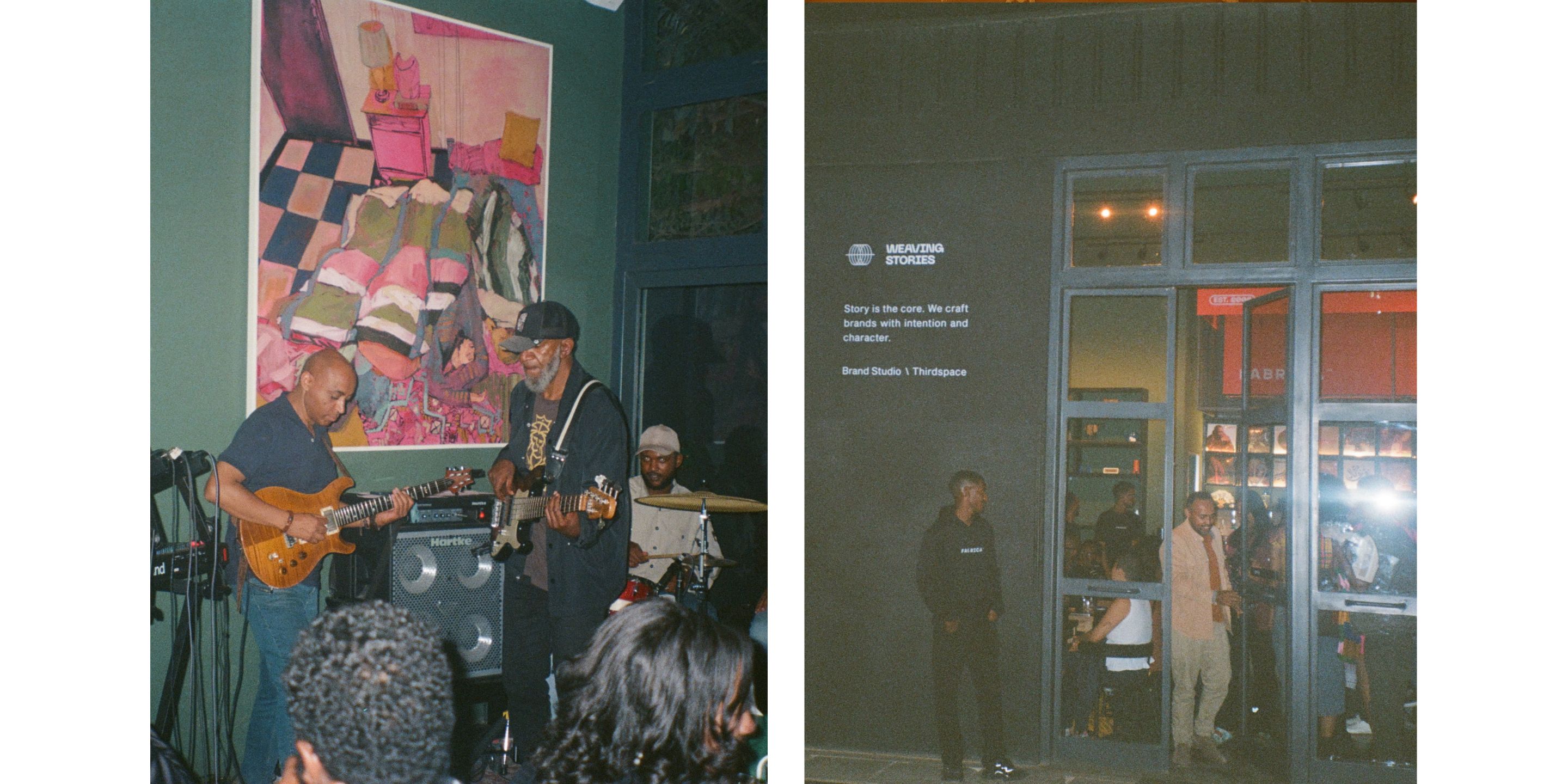
At Studio 11, artists have created their own gallery. Artawi brings together photography, books and darkroom practice, and has become a space for photographers to meet, learn and exchange ideas. Fabric is a self-initiated project by a design studio, with a café, bar, music venue and listening room, where we had the pleasure of hosting a listening session during our last visit. There’s indie cinema Video Bet, The Lab for underground music events featuring alternative Ethiopian and African DJs, which also collaborates with local filmmakers and designers. Plus platforms, such as Kebele Radio and Ethiopia Skate, that are also creating opportunities beyond conventional cultural institutions.

Designers such as Asharo and Qena Afrika work with traditional handwoven textiles to create clothes that feel contemporary, presenting their work through independent spaces like Hanu Bet. There’s a similar interest in music, with Ethiopian musical legends finding new audiences through listening gatherings. It’s not nostalgia for its own sake, but a way of carrying something familiar into the present.

This feels especially meaningful as Addis changes so rapidly. Familiar buildings and neighbourhoods are disappearing, bringing concerns about displacement, affordability and what might be lost. I’ve seen in other cities how easily the spaces that nurture creative communities can become vulnerable to the very development happening around them.

Yet while the physical city is being transformed, another cultural landscape is taking shape, built by these smaller, independent initiatives. I don’t yet know which will become lasting institutions, or how the city will change around them. But the conversations I have with friends about how much Addis has changed are shifting: increasingly, we’re looking towards what might now be possible there. Some even talk about moving back, drawn not only by the familiarity of home, but by the energy of a city where they can imagine being part of something they can call their own.

These are the spaces and faces to know in Addis Ababa, in the places they have created and in which they create, with photography curated by Scott Albon.
Addis Ababa design scene photo series_embed_(left) Photographed by Rekik Negussiea. (right) Photographed by Abinet Teshome and Sehin Tewabe..jpg
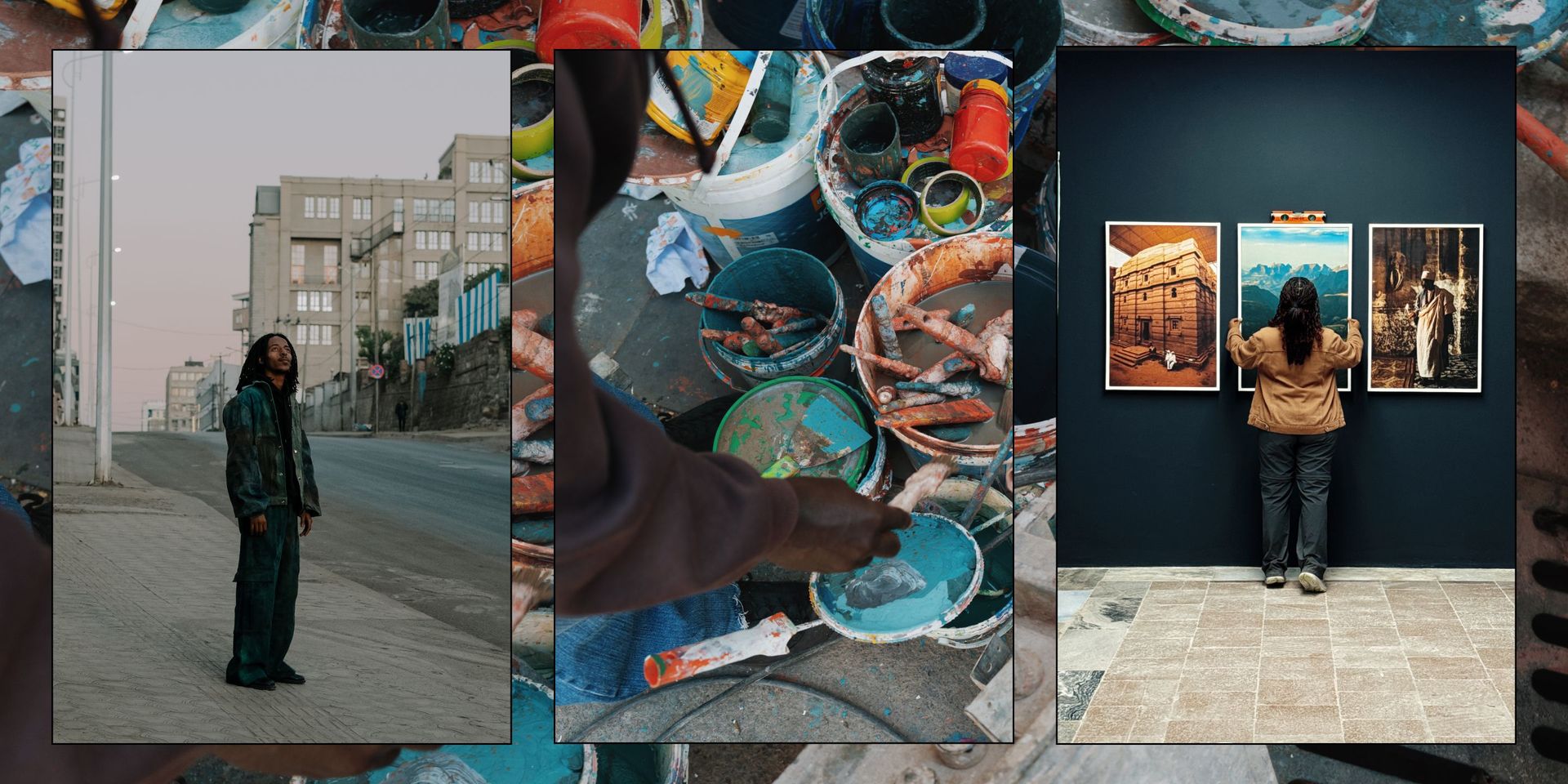
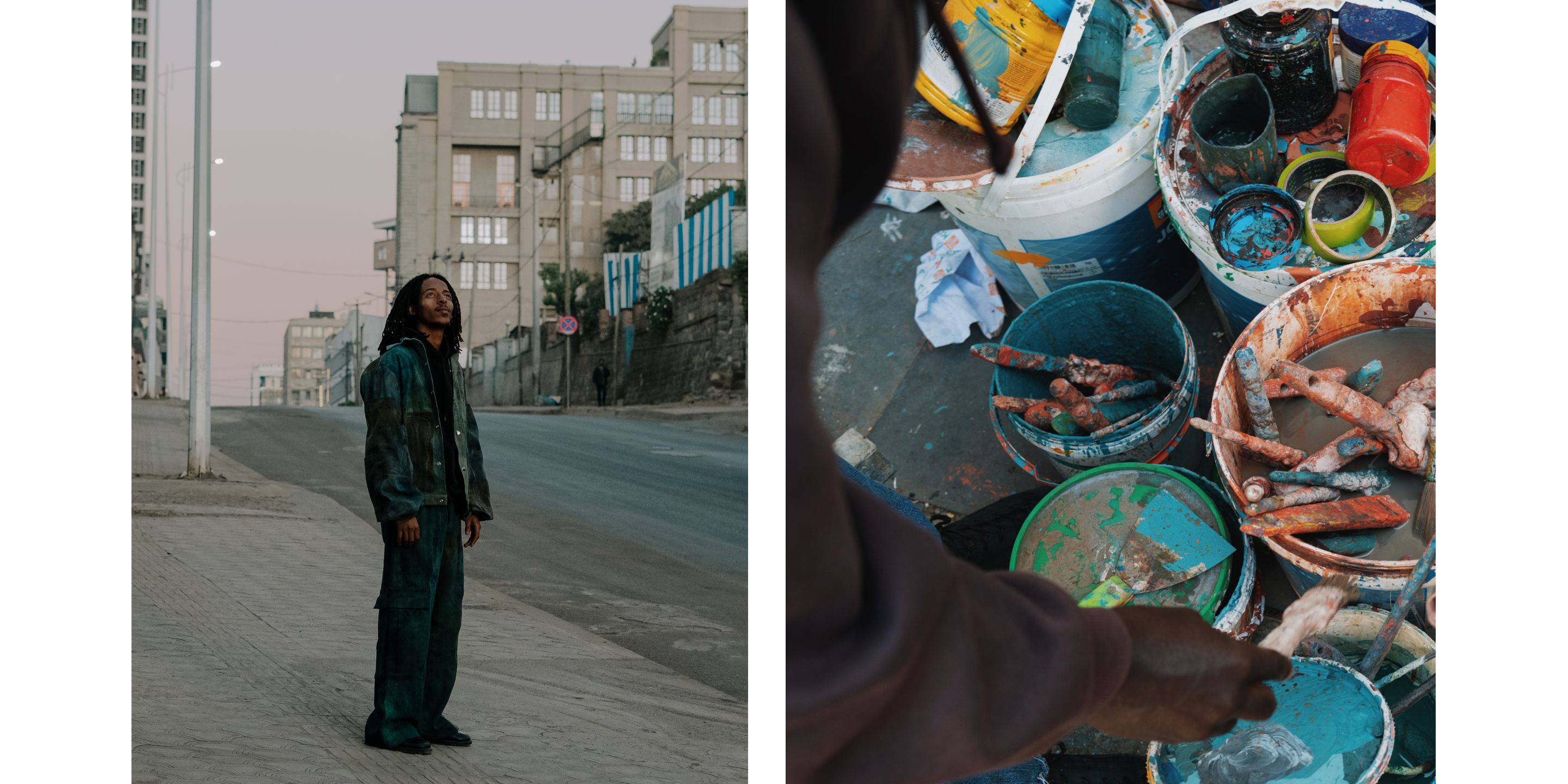
From left, filmmaker and director Anteneh Nida, who recently premiered his short film Temesgen  at the Piazza in Addis Ababa; artist Saron Bogale with their paints at Habesha Creative Lab. Photos: Rekik Negussie, Abinet Teshome and Sehin Tewabe
Addis Ababa design scene photo series_embed_Photographed by Anteneh Nida.jpg
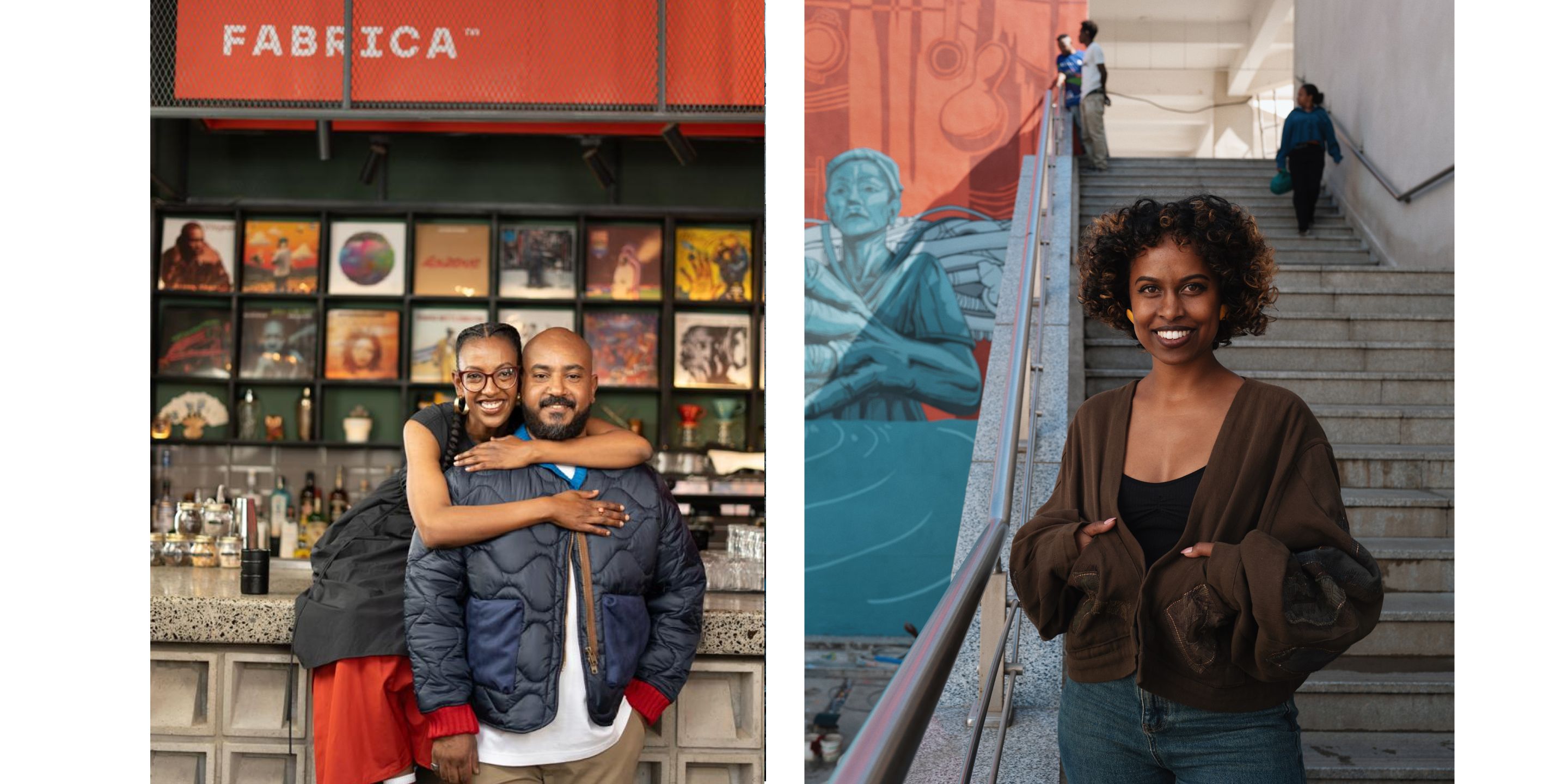
Third space Fabrica, which brings together a café, bar, music venue and listening room. Photos: Anteneh Nida
Addis Ababa design scene photo series_embed_Photographed by Svenja Krüger.jpg
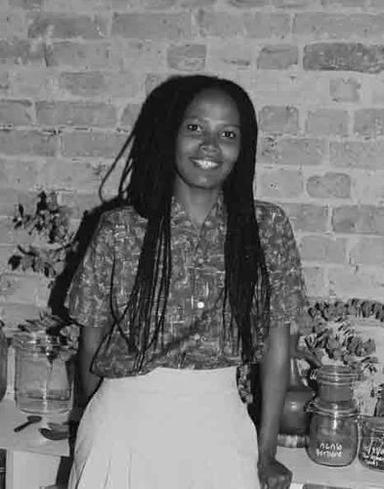
Photographers Abinet Teshome and Sehin Tewabe (left), founders of Artawi, an independent photography gallery, resource library and darkroom. Photos: Svenja Krüger
Addis Ababa design scene photo series_embed_Photographed by Abinet Teshome and Sehin Tewabe.jpg
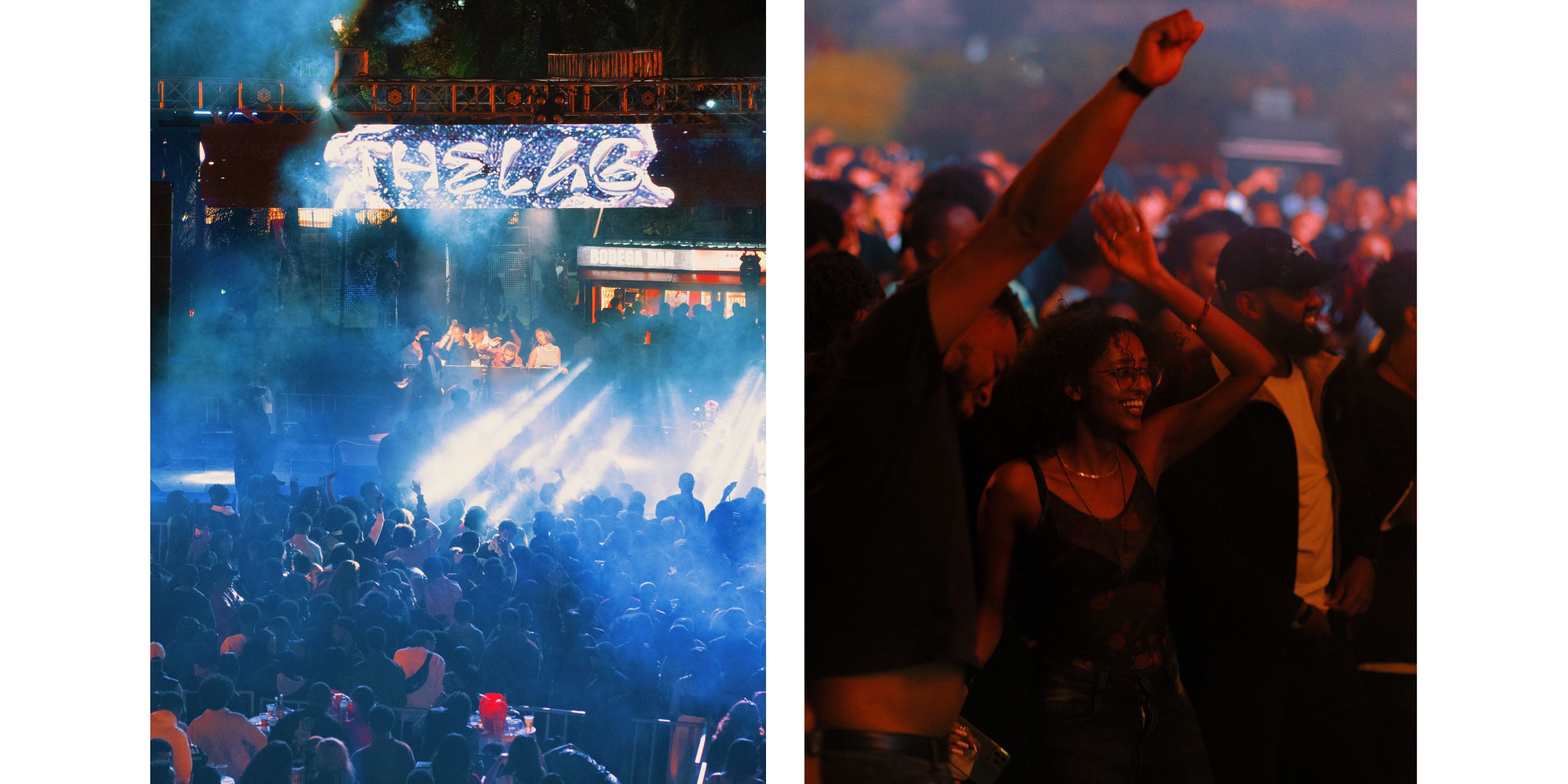
The Lab at Ghion Hotel, which organises music events featuring alternative Ethiopian and African DJs. Photos: Abinet Teshome and Sehin Tewabe
Addis Ababa design scene photo series_embed_Photographed by Abinet Teshome and Sehin Tewabe..jpg
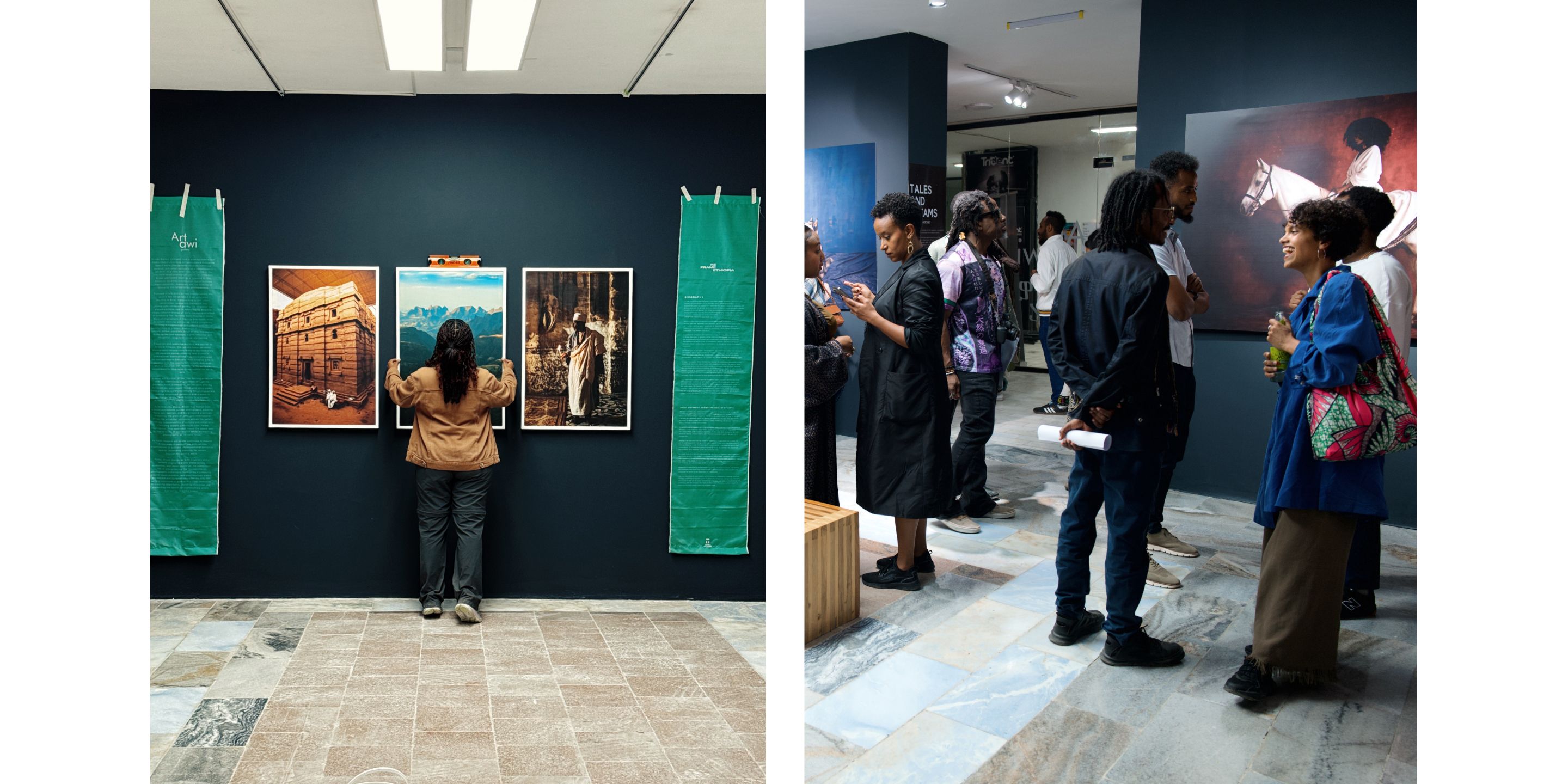
Inside Artawi Gallery. Photos: Abinet Teshome and Sehin Tewabe


Addis Ababa design scene photo series_embed_Photographed by Yanet Fasil..jpg
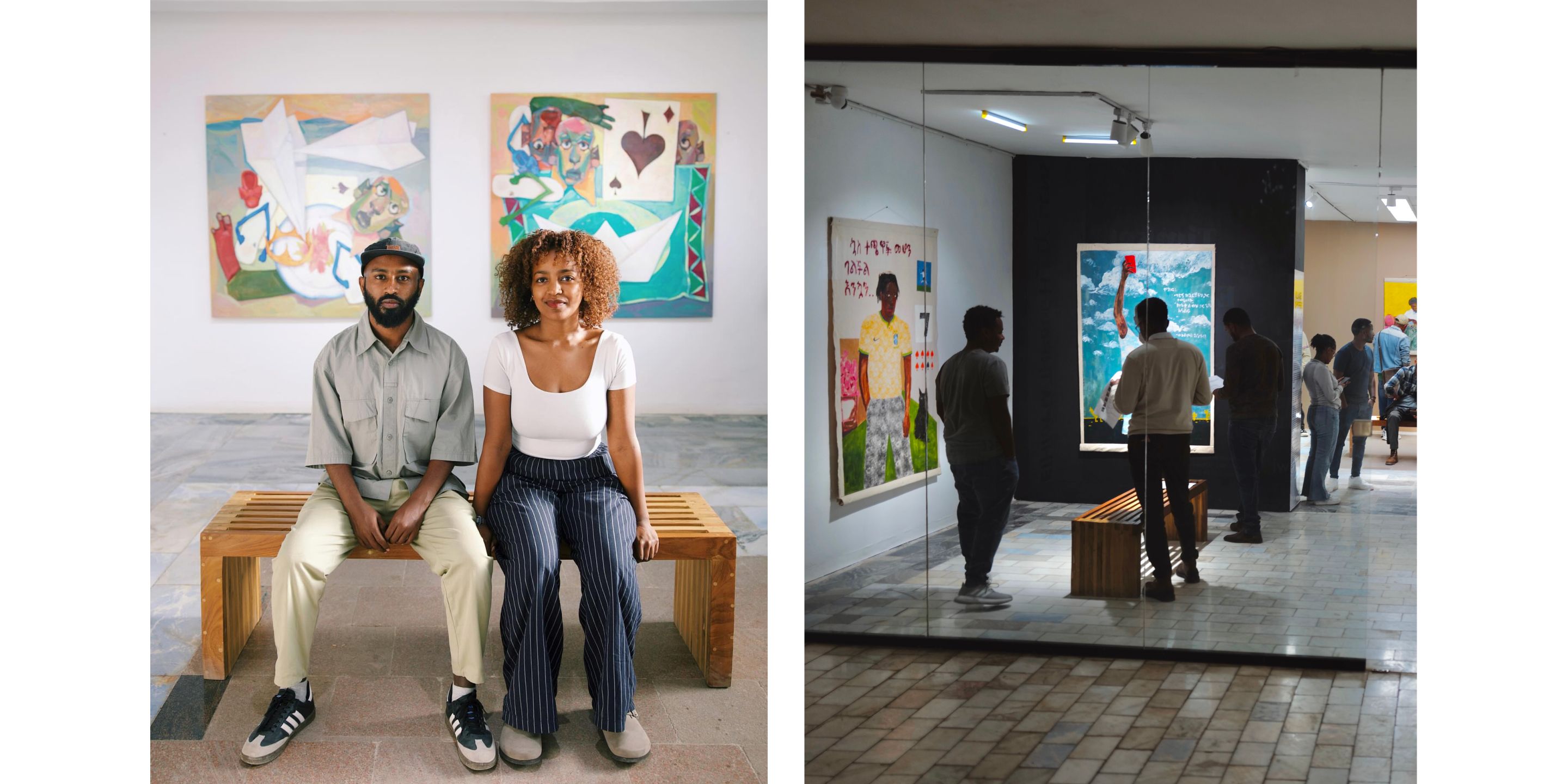
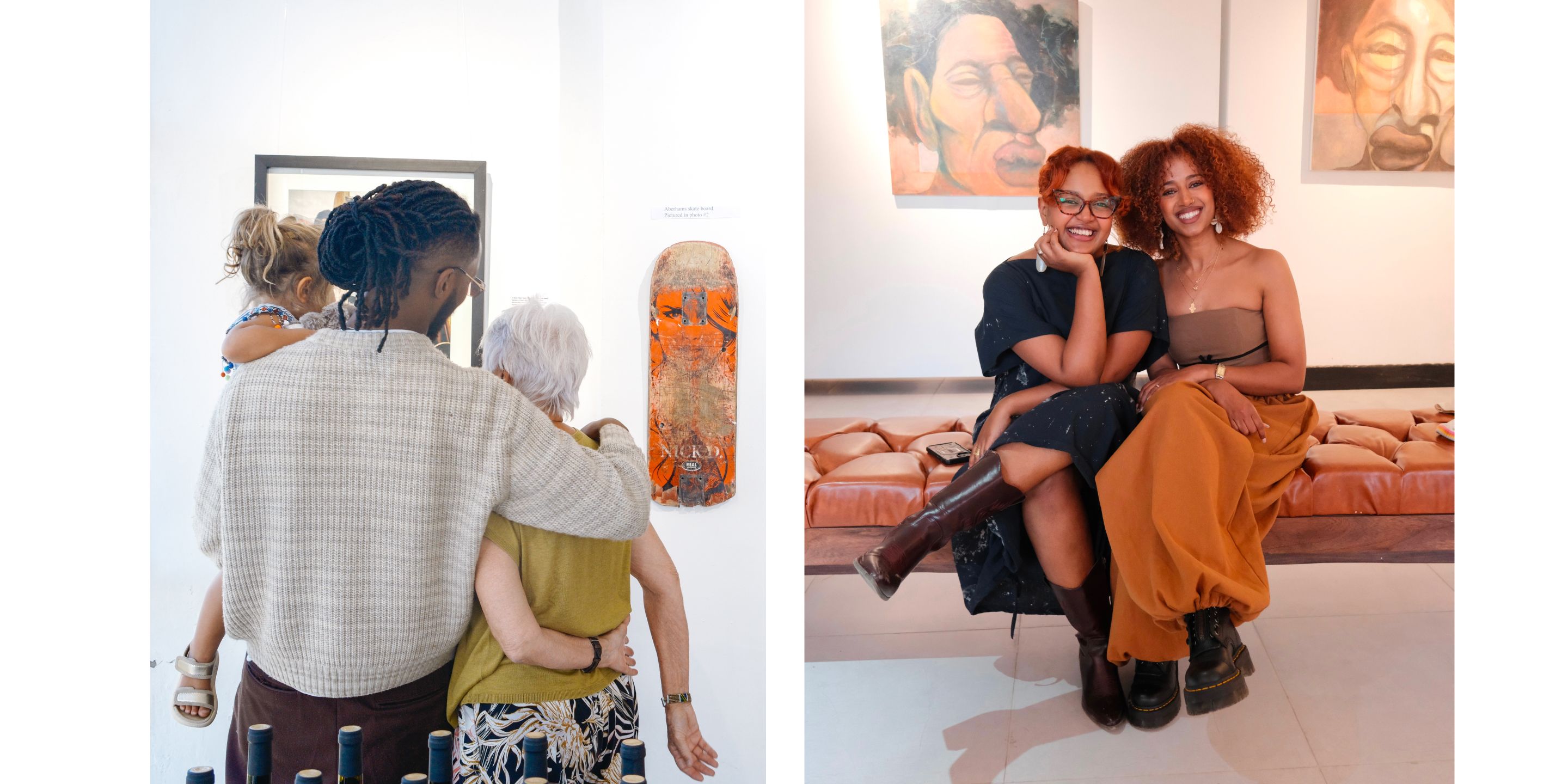
From left, an Ethiopian skateboarding photography exhibition at independent gallery Studio 11; the gallery’s founders Nafkot Gebeyehu and Zion Yaynu. Photos: Yanet Fasil


Addis Ababa design scene photo series_embed_Photographed by Abinet Teshome and Sehin Tewabe.-2.jpg
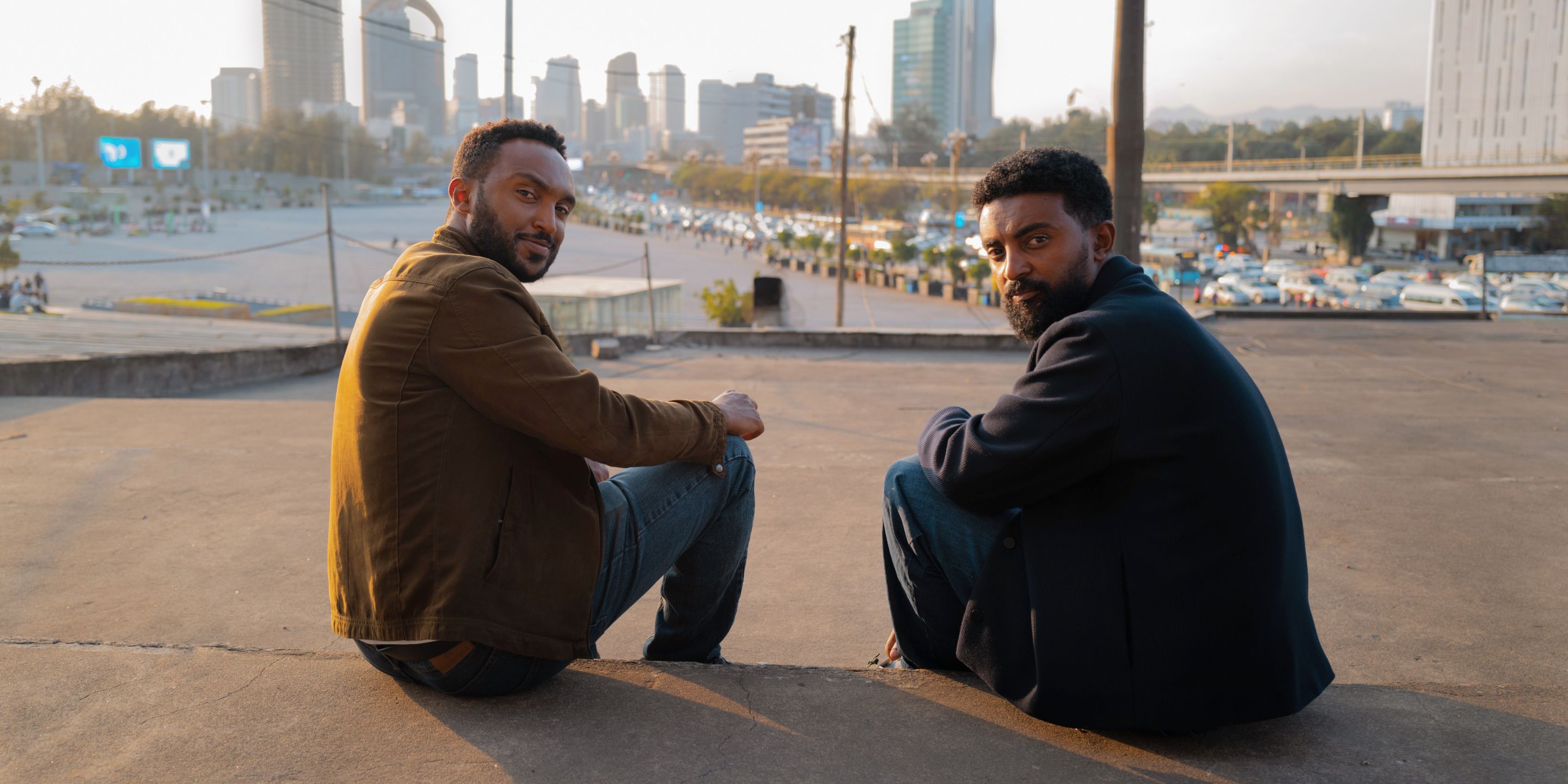
Essayist and film critic Bandamlak Yimenu (left) and writer-director Beza Hailu Lemma (right), founders of independent cinema and cafe Video Bet. Photo: Abinet Teshome and Sehin Tewabe
Addis Ababa design scene photo series_embed_Photographed by Abinet Teshome and Sehin Tewabe.-3.jpg
In the library at Artawi Gallery. Photos: Abinet Teshome and Sehin Tewabe


Addis Ababa design scene photo series_embed_Photographed by Abinet Teshome and Sehin Tewabe.-4.jpg
Video Bet showcases local and international indie films. Photos: Abinet Teshome and Sehin Tewabe


Addis Ababa design scene photo series_embed_Photographed by Girma Berta (left) and Abinet Teshome and Sehin Tewabe..jpg
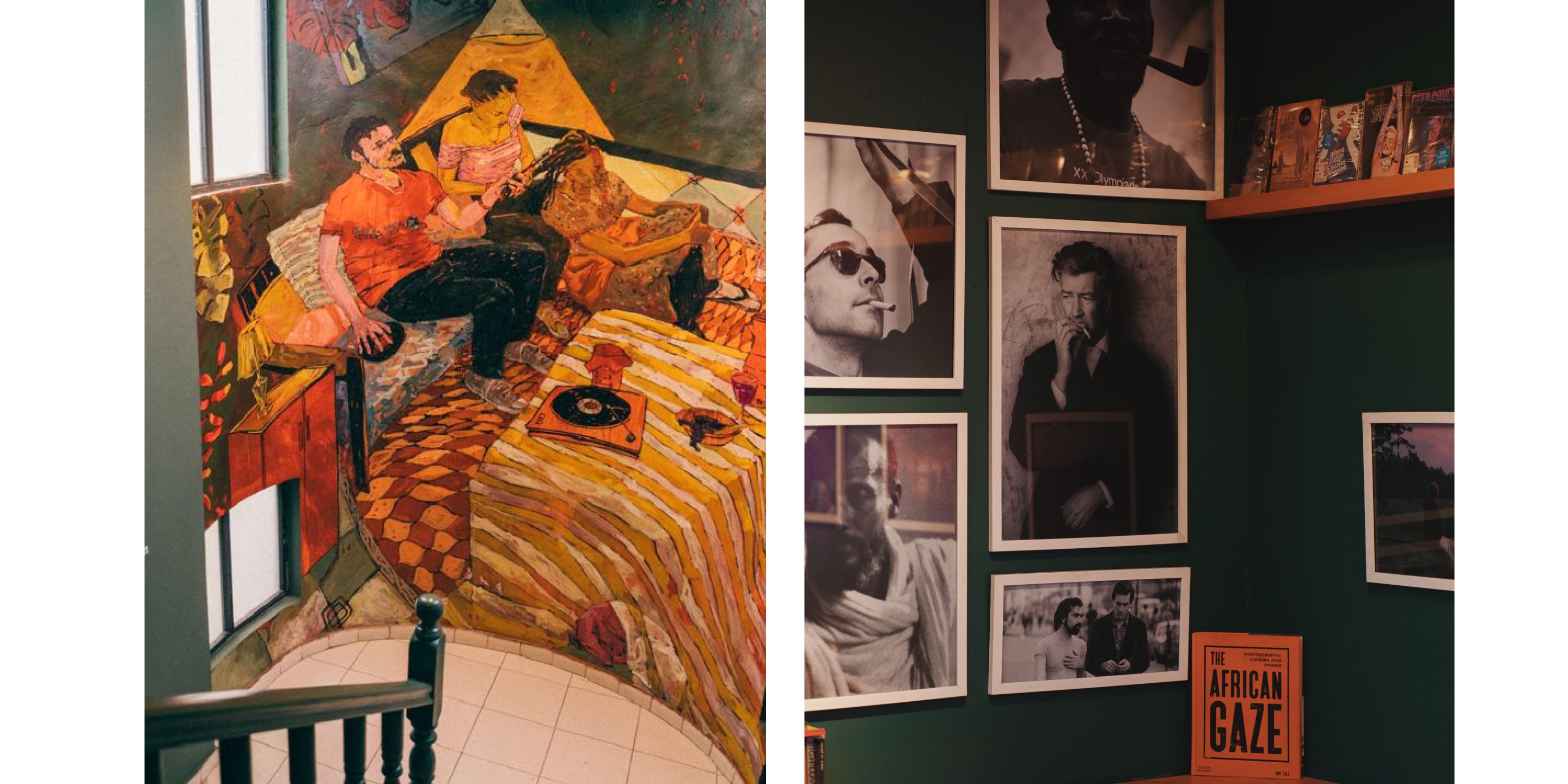
The walls of the cafe at Video Bet, including a painting (left) by Mikiyas Sintayehu. Photos: Girma Berta, Abinet Teshome and Sehin Tewabe
Addis Ababa design scene photo series_embed_Credit_(left) Photographed by Adane Firde. (right) Photographed by Abinet Teshome and Sehin Tewabe..jpg
From left, Selam Asmelash and Abiy Solomon, the founders of thirdspace Fabrica; muralist Saron Bogale pictured at Habesha Creative Lab. Her work can be seen throughout the city, including at Fabrica and for Ethiopia Skate. Photos: Adane Firde, Abinet Teshome and Sehin Tewabe
Helina Tesega

Helina Tesega - Helina Tesega is a cultural curator, artist and founder of Eat Ethio, a creative studio exploring Ethiopian culture through food, music, and gathering as interconnected practices.

Any products featured are independently chosen by the Service95 team. When you purchase something through our shopping links, we may earn an affiliate commission.

Related Reads

Books For The Adventurous Sagittarius Who Craves Journeys That Go Beyond The Ordinary

The Reading List

72 Hours In Muskoka: The Canadian Lakeside Region Taking Over Our Screens

Travel

What Zadie Smith Did Next – Five Must Reads After ‘White Teeth’

Book Club

The Best Of Service95 ServedStraight To Your Inbox

Join our global community with our free Service95 Newsletter and Book Club Newsletter, curated just for you.

Select at least one newsletter above to subscribe. You may occasionally receive emails about events, competitions and other announcements. You can update your preferences or unsubscribe at any time.

Books For The Adventurous Sagittarius Who Craves Journeys That Go Beyond The Ordinary
The Reading List

Books For The Adventurous Sagittarius Who Craves Journeys That Go Beyond The Ordinary

Two people canoeing on a lake in Muskoka, Canada.
Travel

72 Hours In Muskoka: The Canadian Lakeside Region Taking Over Our Screens

What Zadie Smith Did Next – Five Must Reads After ‘White Teeth’
Book Club

What Zadie Smith Did Next – Five Must Reads After ‘White Teeth’

SEE MORE

CULTURE

  • Art
  • Books
  • Film & TV
  • Music
  • Food & Drink

ACTIVISM

    TRAVEL

      SELF

      • Beauty
      • Wellbeing
      • Sex & Relationships

      STYLE

        SHOPPING

          THE LISTS

          • The Culture List
          • The Reading List
          • The Travel List

          BOOK CLUB

          • Articles
          • Podcast

          SIGN UP TO THE NEWSLETTER

          *By subscribing to our newsletter(s) you agree to our privacy policy. You can unsubscribe at any time.*

          • ABOUT US

          FOLLOW

          • INSTAGRAM
          • YOUTUBE
          • TIKTOK

          CONTACT

          • GENERAL ENQUIRIES
          • EDITORIAL PITCHES
          • BOOK CLUB ENQUIRIES
          • PARTNERSHIPS
          • PRESS ENQUIRIES
          At Your Service
          2026©Service95
          Legal|Privacy|Cookies