Dubbed one of the finest debuts of the millennium by critics, Zadie Smith’s White Teeth wowed readers with its energy, ambition and humour when released in 2000. It also announced her arrival as a vital new voice in literature – setting the bar high for a follow up.
Yet over the past quarter century, Smith has built an extraordinary body of work, publishing five novels as well as plays, essays, short story collections and children’s books. Dua has described the author as one of her all-time literary heroes, sharing the stage with Smith in conversation at the London Literature Festival last month (watch it here) and selecting White Teeth as her Service95 Book Club pick for November.
In celebration of Smith’s literary legacy, we unpack the five novels that followed her brilliant breakthrough.
The Anticipated Follow Up: The Autograph Man (2002)
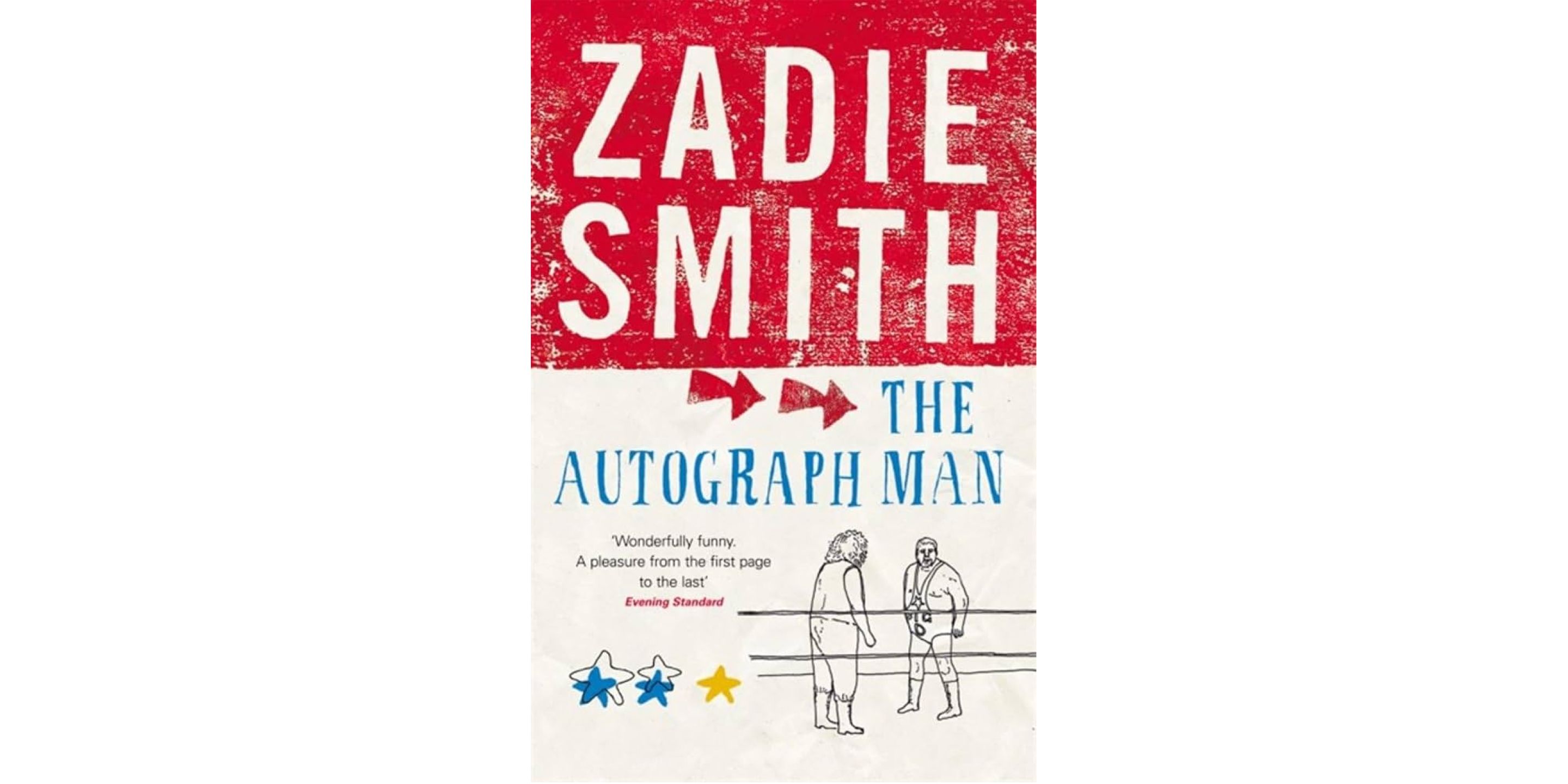
Two years after White Teeth made Smith a household name, The Autograph Man proved to be an assured second showing, immersing readers in a chaotic week in the life of its memorable lead character. Alex-Li Tandem is a Chinese-Jewish man in his late twenties who makes a living buying and selling celebrity autographs – while also self-medicating with drugs and alcohol since the death of his father. A rich cast of characters from rabbis to aging Hollywood actresses are used by Smith to explore of fame, faith and mortality across a narrative that fizzes with humour.
The Expansive Family Epic: On Beauty (2005)
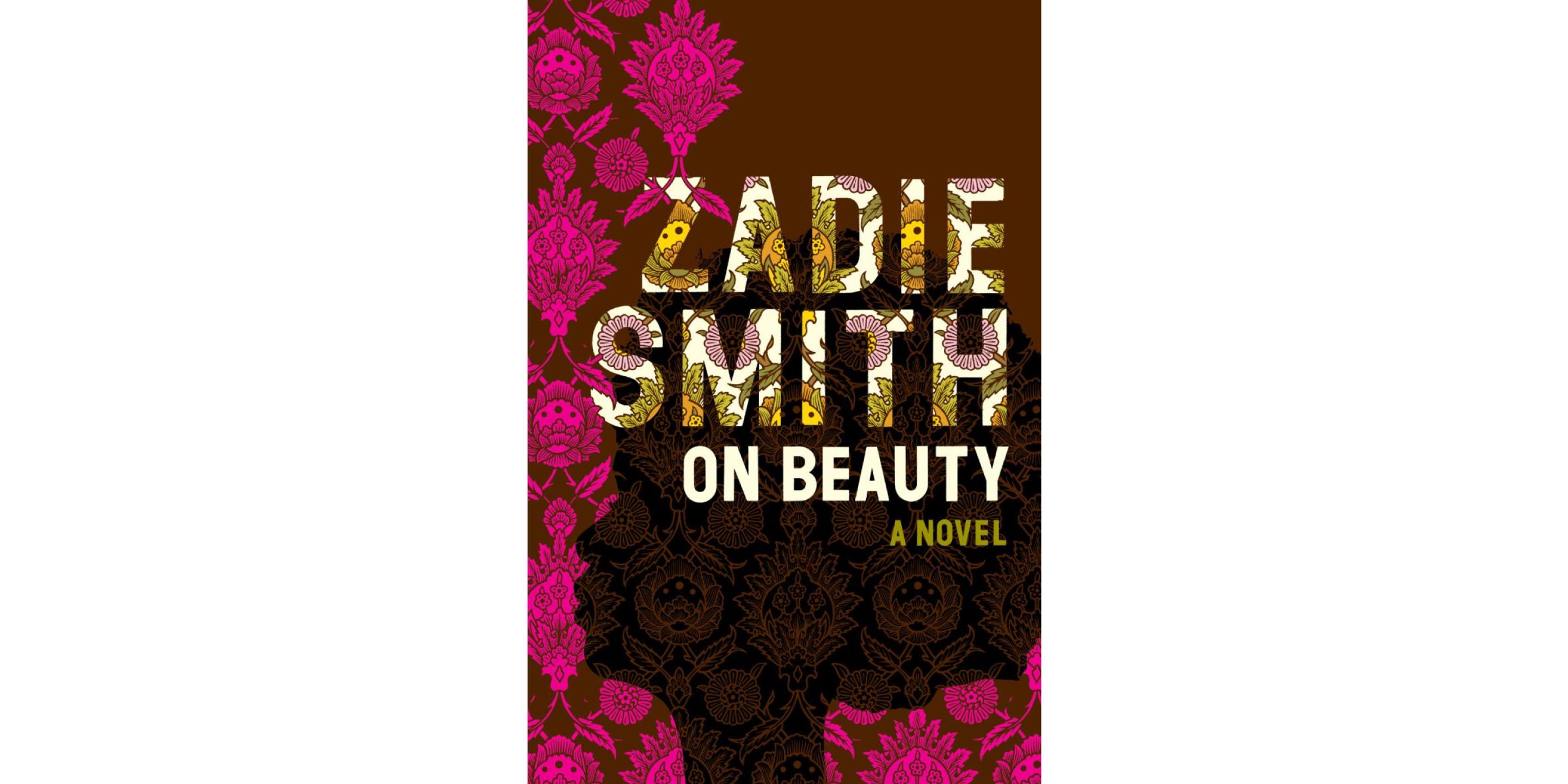
Turning her attention to the States, Smith centres this sophisticated study of race, class and identity on two academic families from an East Coast college town. We’re introduced to the Belseys – a mixed-race, liberal family – and their ideological rivals the Kipps, whose patriarch is a conservative British-Trinidadian intellectual and an expert on Rembrandt. An expansive storyline shaped by lust, friendships and ideological feuds sees Smith dissect the meaning of “beauty” in both high art and human relationships in a striking novel that won the 2006 Orange Prize for Fiction and the Anisfield-Wolf Book Award and was shortlisted for the Booker Prize.
The Non-Linear Novel: NW (2012)
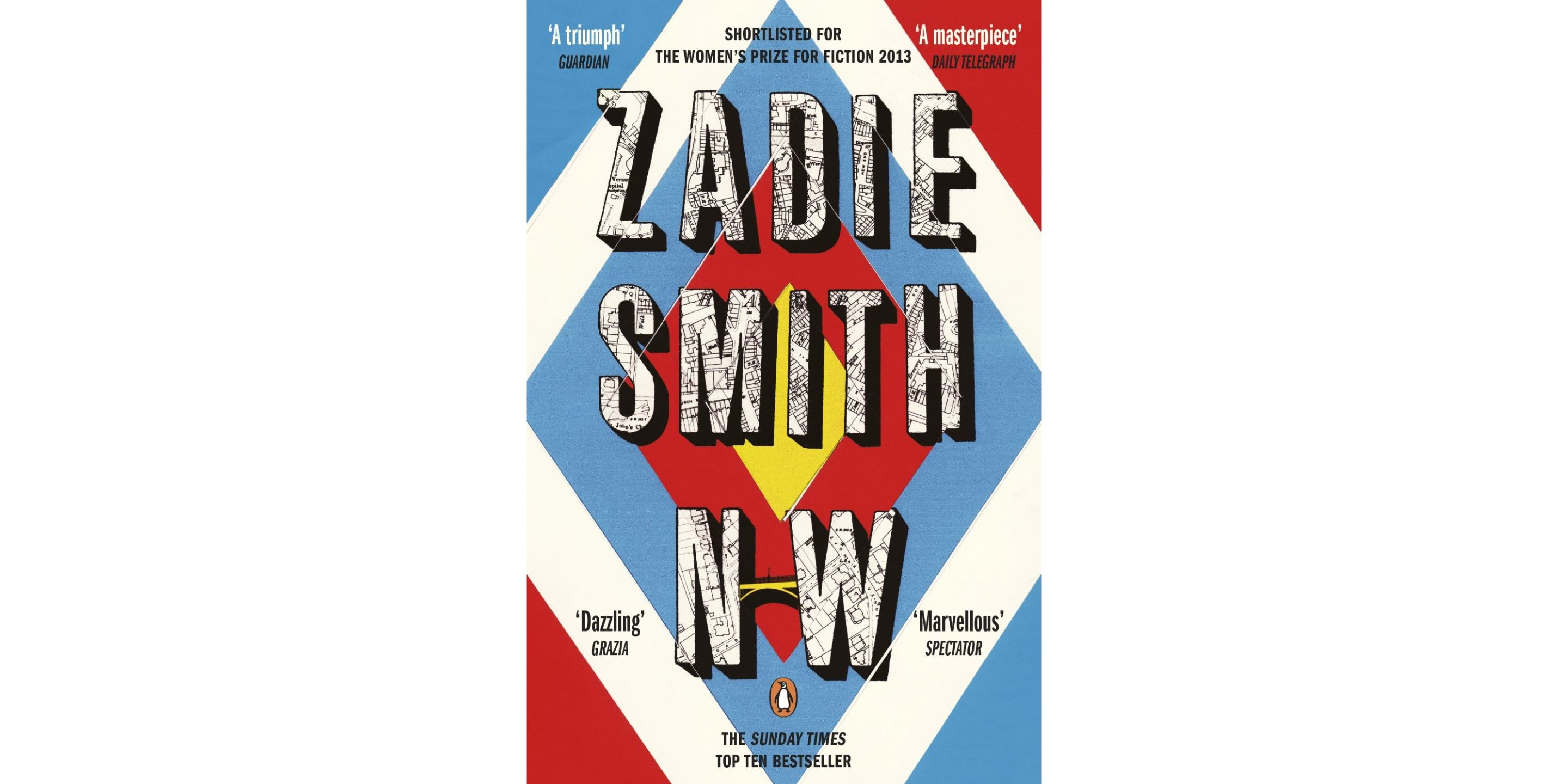
Smith’s fourth novel takes its name from the multicultural London postcode in which it’s set. Tracing the lives of four distinct characters from a Willesden council estate, Smith takes an experimental, non-linear approach, sharing vignettes from each to show how their lives diverge. There’s Leah Hanwell, a social worker of Irish descent rebelling against her French-Algerian husband; ambitious barrister Natalie Blake with a materially impressive life yet beset by self-doubt; recovering drug addict Felix Cooper and Nathan Bogle, a wayward soul with a consequential part to play. Across five sections, Smith chronicles their overlapping journeys as they navigate the present while attempting to escape their past.
The Stylish Study Of Female Friendship: Swing Time (2016)
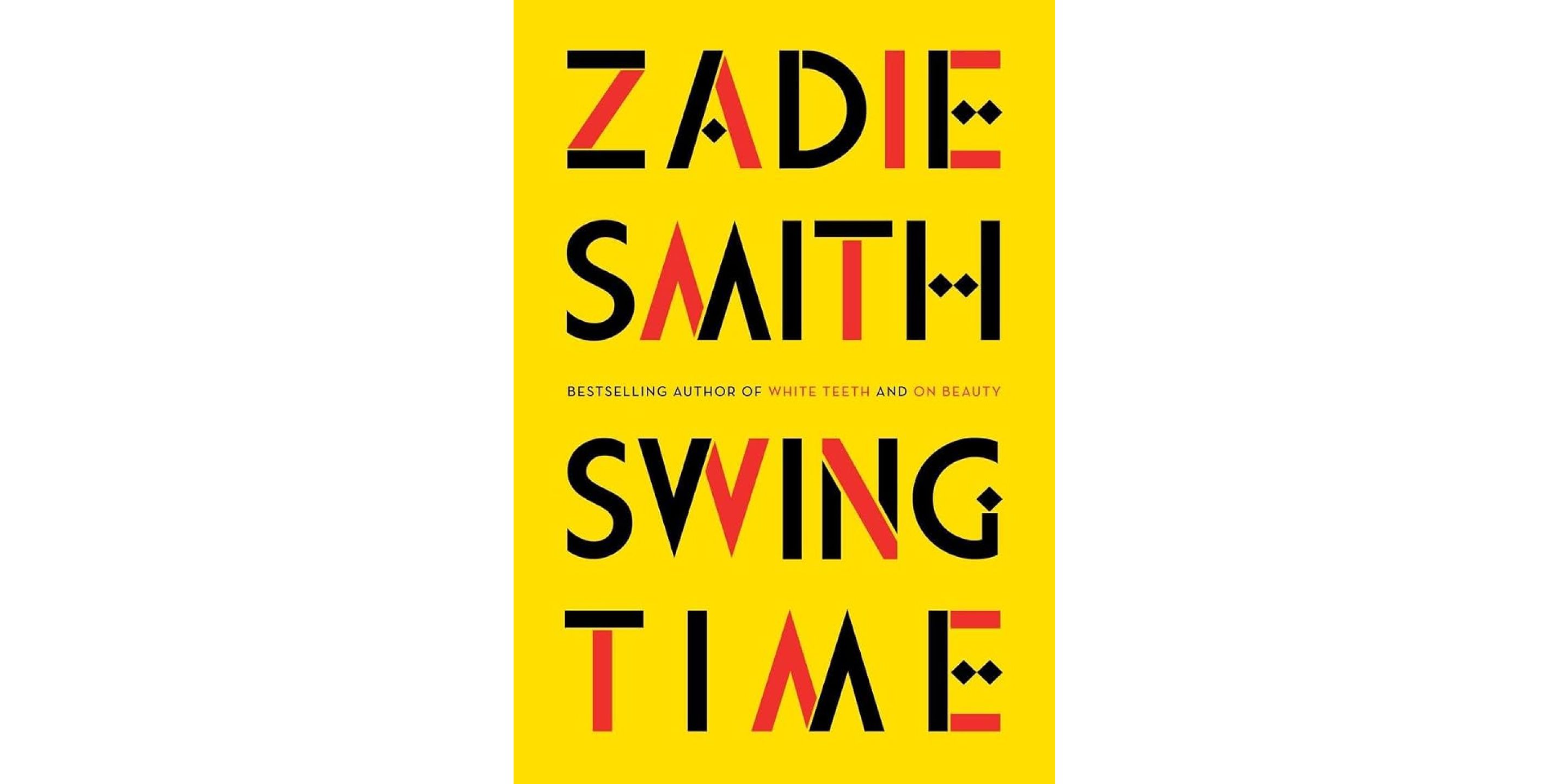
One of Smith’s finest works, Swing Time’s sweeping narrative takes us from north London to West Africa, New York and back again. It follows two mixed-race girls from neighbouring housing estates who meet at a community dance class and share dreams of becoming dancers. Differing in ambition and self-awareness, one, depicted in the form of the book’s unnamed narrator, is quieter and more academic, while Tracey has natural flair and physicality. Their divergent friendships and dramatic journeys to adulthood are brought to life through Smith’s rich musical references and smart social commentary as the pair’s lives intertwine.
The Kaleidoscopic Historical Saga: The Fraud (2023)
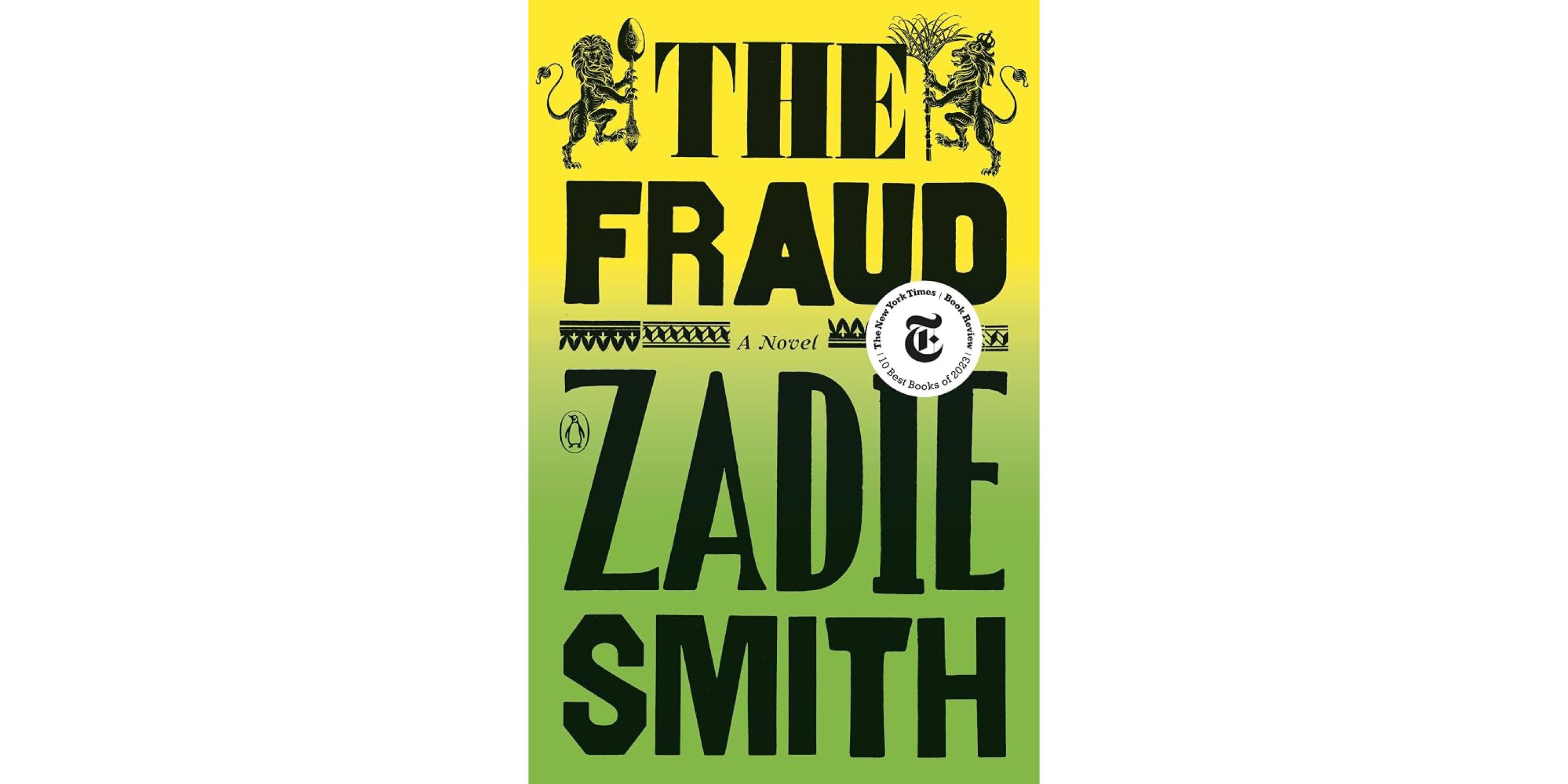
Having established herself as one of the UK’s most insightful social commentators, Smith draws instead from past events for this novel, centred on the 1870s Tichborne Trial in Victorian England. Unfolding in short chapters that hop between the 1830s and 1870s, the plantations of Jamaica and the UK, readers are introduced to the true story of Roger Tichborne, the missing heir to a baronetcy believed to have died in a shipwreck in 1854. As its characters – including skeptical Scottish housekeeper Eliza Touchet, former slave and star witness Andrew Bogle and ‘Tichborne Claimant’ Arthur Orton, an Australian butcher of humble means – converge, a complex web of truth, identity and colonial history with contemporary relevance is revealed.