Consumption carries a cost, but independent brands offer something of answer. The businesses on this list build sourcing, production methods, and the people making the clothes into the foundation of the work, and their designs happen to be exactly what we want to wear right now. Here’s how to maximise your wardrobe with minimum impact.
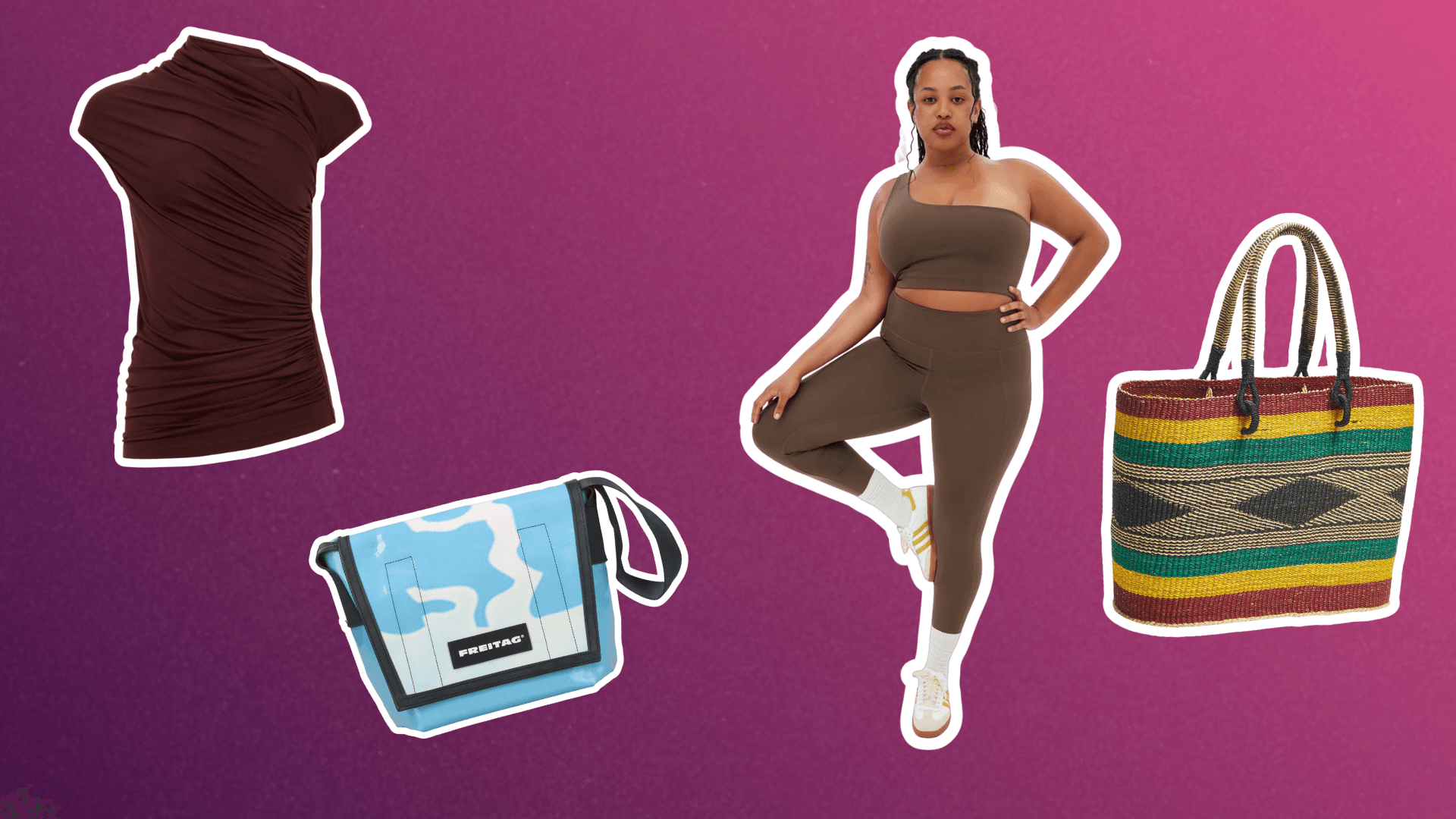
Ninety Percent
Wardrobe basics that are anything but basic. Ninety Percent’s soft separates combine high-end details with fabrics that move with you. Co-founder Shafiq Hassan owns the Bangladesh manufacturing facility where everything is made, which is dedicated to ethical practices for its staff while maintaining conscious production methods. Plus, it takes its name seriously, giving away 90% of its profits: 10% to those who craft its products and 80% to charitable causes. This top is top of our Wish List. Top, £38, Ninety Percent
Freitag
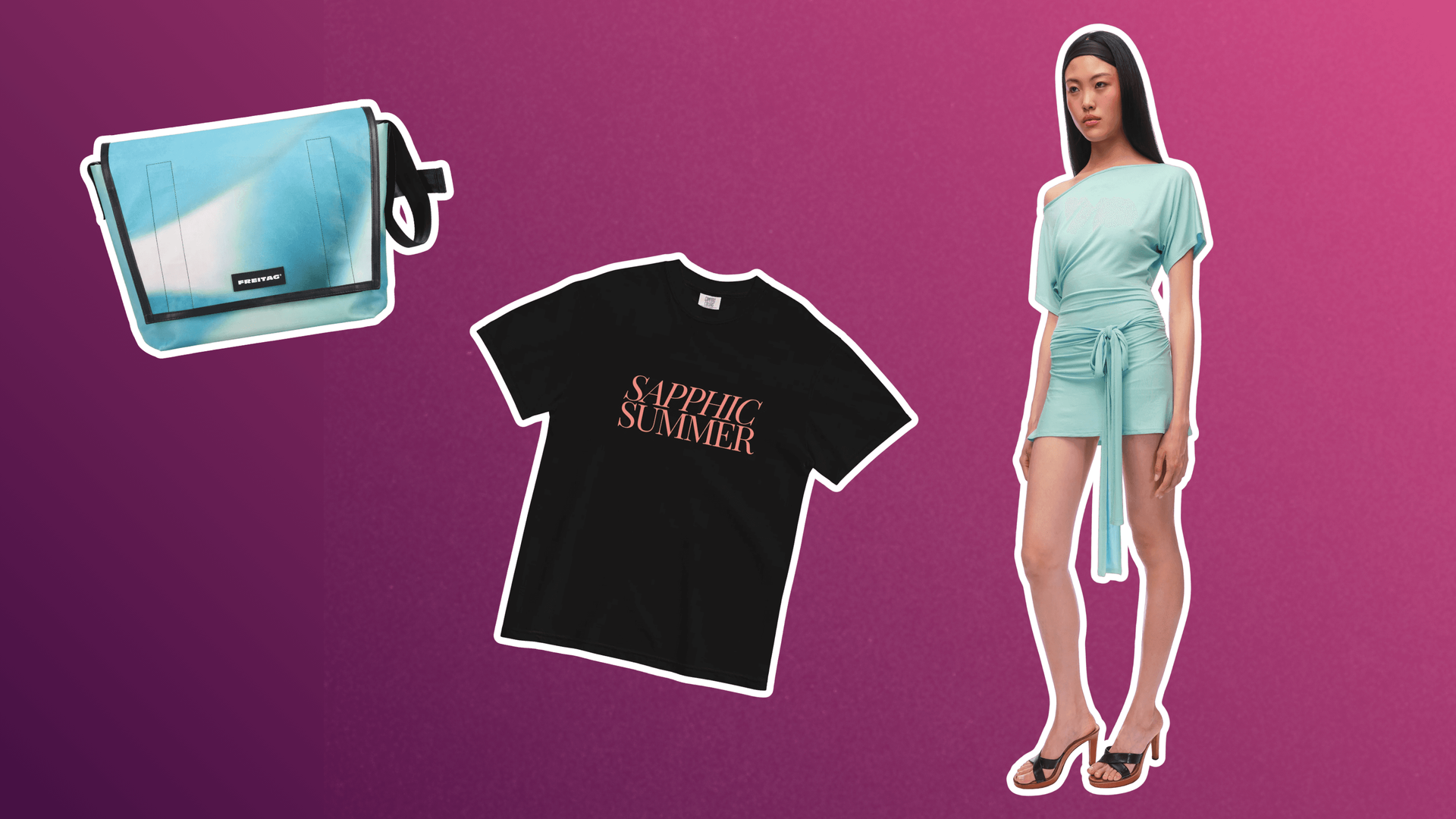
“This product spent its first life as a truck tarp on the road and is made of PVC: don’t chew, don’t suck, don’t eat” – that’s quite the introduction to Freitag, the Swiss brand that offers repairable one-off products as its MO. Its versatile bags are made from upcycled materials (anything from said truck tarps to seat belts and safety reflectors), taking their best properties (durable, water-repellent) and turning them into accessories that will stand the test of time. This messenger bag is perfect for festivals. Bag, £215, Freitag
Girlfriend Collective
Girlfriend Collective’s leggings are that rare find: the kind that don’t roll down during a workout. The brand’s ethos is equally pleasing, with its ReGirlfriend clothing recycling programme providing giving you credit to use on future purchases for every item donated. Plus, its Hanoi factory maintains SA8000 certification (which requires fair wages, safe working hours, and zero forced or child labour) and there’s at least 75% recycled materials used in every product. Leggings, $108, Girlfriend Collective
Studio 189
African-designed, African-produced brand Studio 189 weaves traditional craft with a modern eye, working with local artisanal communities to hero longstanding techniques, from plant-based dyes to kente weaving. This raffia tote is produced with ASIGE, a charity supporting job creation and education for women and girls in Northeastern Ghana. Each bag takes four to five weeks to produce by hand, without electricity. It’ll go with virtually everything you own. Bag, $300, Studio 189
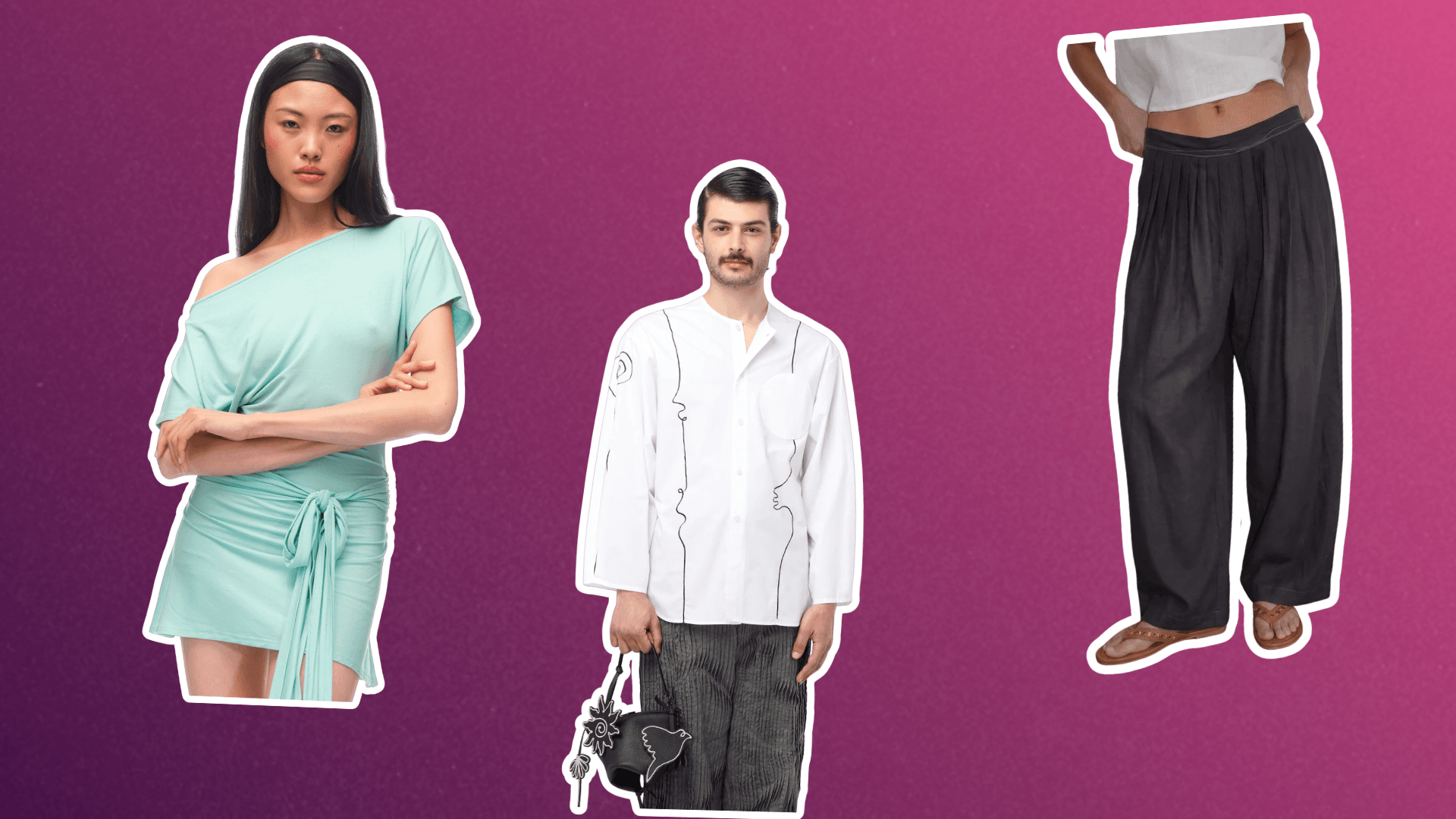
Of Planet Earth
Of Planet Earth is the London brand rooted in slow design. Most of its items are made in house, with the rest at a nearby family-run factory to ensure fair working practices and quality control. Deadstock fabric is also used across its collections, with patterns and fit considered for months – even more than a year – by designer Rose Canham to ensure a flattering, truly comfortable fit (this wrap-waist dress is proof of that). Dress, £125, Of Planet Earth
Creative Space Beirut
You might know Creative Space Beirut after we platformed its work to support and nurture the next generation of designers in Lebanon last year. You also might know the design school because the talent that comes out of it is next level. Its dedicated shop sells made-to-order items by current students or alumni, with each purchase supporting its free three-year creative education programme. We’ve got our eye on this embroidered shirt by Amer. Shirt, $280, Amer at Creative Space Beirut Shop
Doodlage
New Delhi-based Doodlage puts genuine thought into every step of its production process. All designs repurpose existing, mainly natural, fabrics (they even come with a note: “Each piece may come with an extra embroidery or patch as we work to save as much fabric as we can. We do not aspire to create waste for standardisation”) and many are crafted by hand. These trousers combine fine tailoring with a lightweight finish, for comfort that still feels considered. Trousers, Rs 7,500, Doodlage
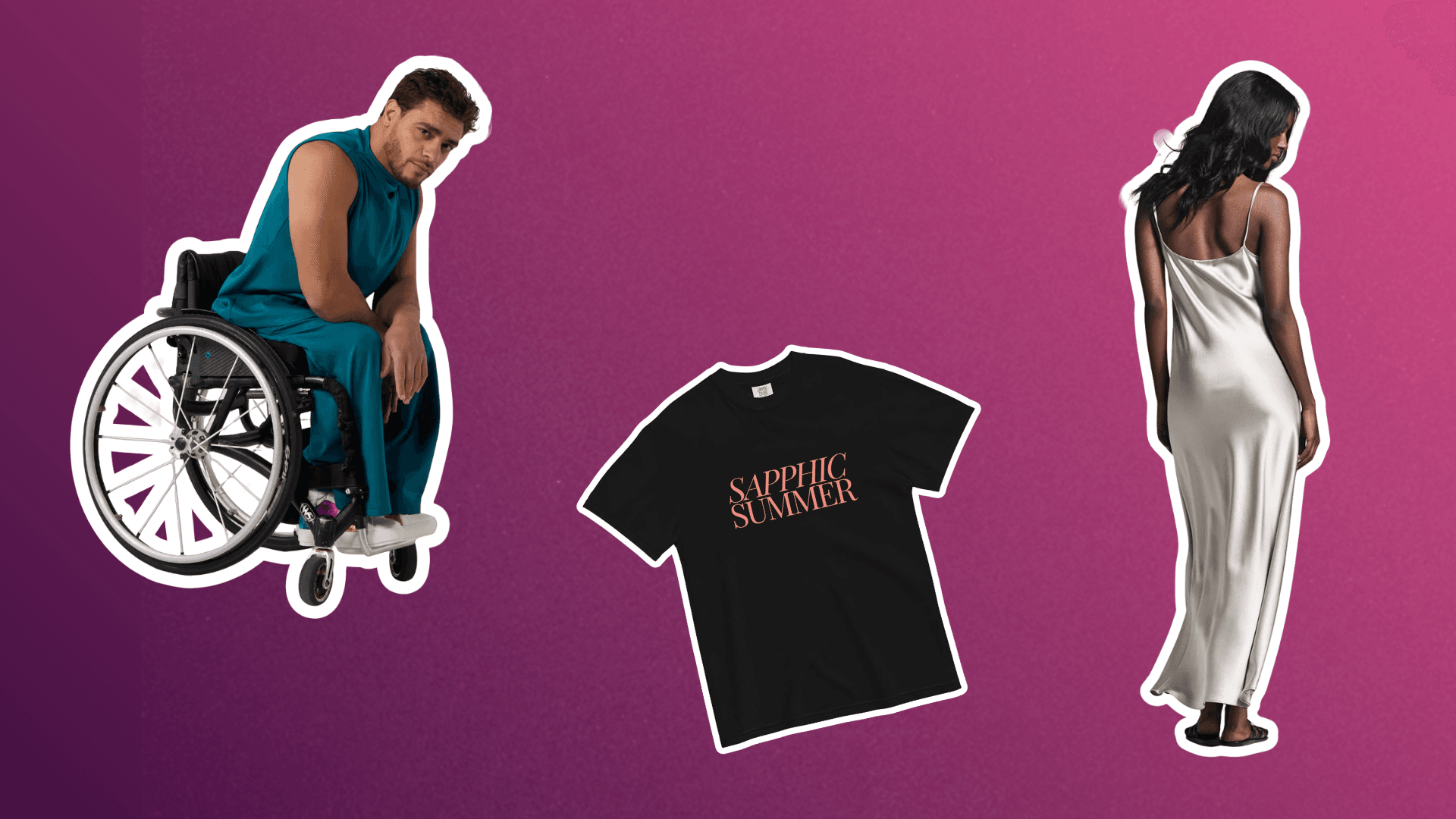
Unhidden
Unhidden – the first adaptive brand to join the British Fashion Council – seamlessly weaves accessibility into all of its designs. The brand uses deadstock fabrics to reduce waste, combined with features such as concealed zips and wrap closures (such as this top), to cater to the needs of the disabled and chronically ill communities, producing refined styles everyone will want to wear. Top, £45, Unhidden
Flavnt
Queer-founded, queer-minded, Flavnt began with its range of binders, now available in eight ‘nude’ tones, and has grown into a full unisex line of statement pieces. (Case in point, this tee: it’s a Sapphic Summer, everyone.) As well as showing up for its community through style, Flavnt gives back: turning to a local woman-owned business in Texas for its binders and donating proceeds to nonprofits. Plus, many of its items are made to order, to reduce overproduction. T-shirt, $35, Flavnt
Voz
Artisans are at the heart of Voz, the brand based in New York that works with Indigenous craftswomen in Chile to not only produce its fabrics and some clothing (in many cases, using ancient techniques local to the region), but give something back in return: offering fair wages, training and opportunities for those in rural regions. This slip dress, produced in NYC, is a timeless piece that will live in your wardrobe for years to come. Dress, $595, Voz