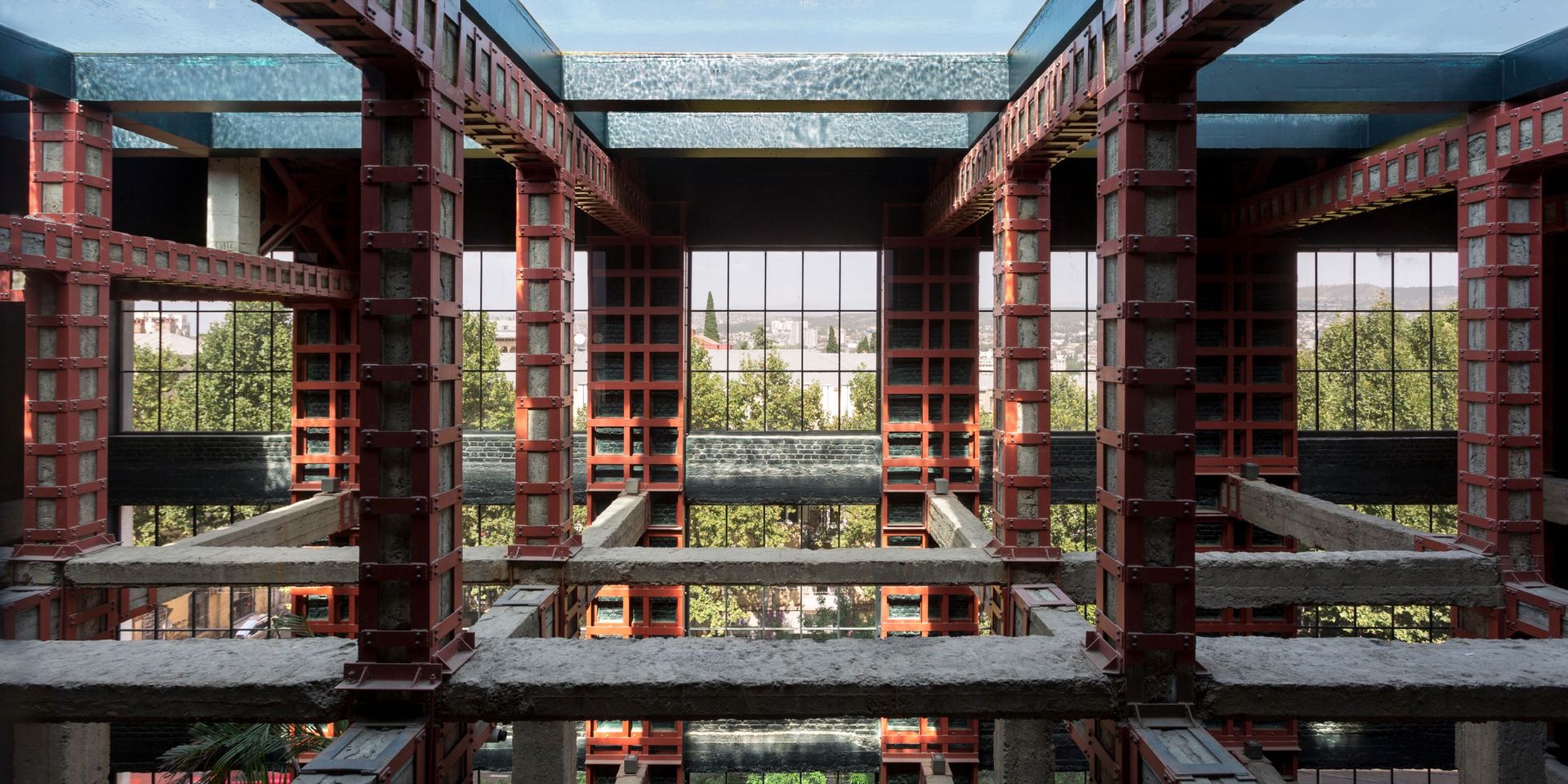
Stamba opened as a hotel in 2018 but, really, this imposing spot is a cultural multiverse, where Tbilisi’s post-independence reinvention plays out daily. It sits in Vera, a leafy neighbourhood with a rebellious streak, steps from Rustaveli Avenue, the city’s main boulevard. Nearby, the Kura River (or the Mtkvari, to Georgians) slices through the city, while the foggy mountains add drama. Meandering walks reward whimsy hunters with storybook scenes: cobblestone alleys, art cafes, grand museums, painted wooden balconies, thrift markets and witty street art.
Through Stamba’s heavy wooden doors, a living tree stretches up through the vast five-storey lobby. Plant fronds drape jungle-like over brutalist concrete pillars, past the belts of printing presses that once churned out Communist newspapers, still hang mid-air. There are towers of books and plenty of places to linger: restaurants and bars, a bakery, chocolaterie, a coffee roastery, a co-working space that never sleeps and an open-air amphitheatre, where Stamba’s programme draws a mixed crowd. All of it was the vision of Temur Ugulava, founder of Adjara Group, who died in June 2026. His company has established a reputation for turning the city’s industrial relics into cultural pillars, including Rooms Hotel, which occupies the building’s other wing, and Fabrika, a former Soviet garment factory.
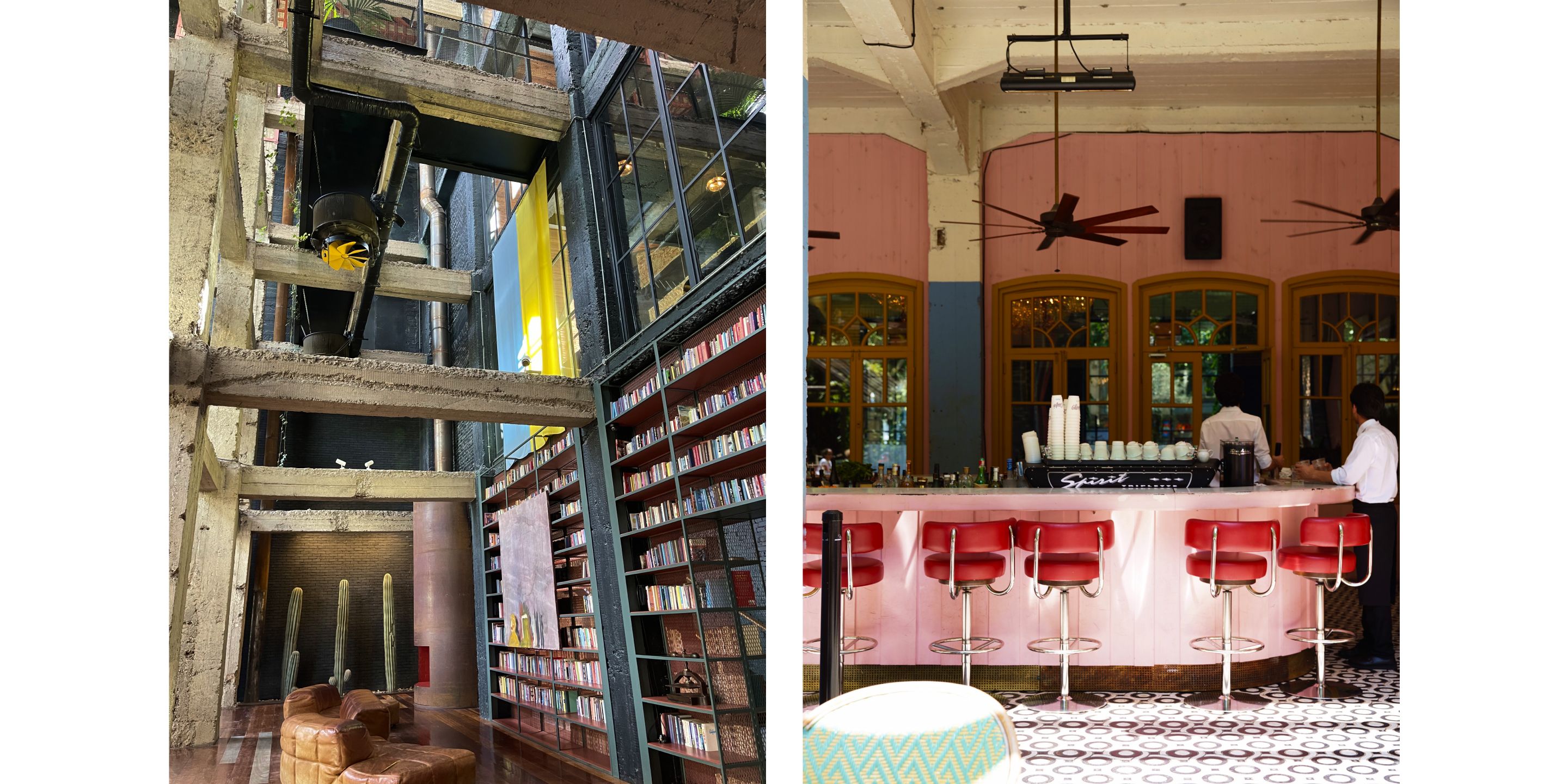
I go straight for the bakery counter. A glazed plum tart and a slice of honey cake (of which two trays sell out daily) fuel further exploration. At the all-day Café Stamba, menus are shaped by produce from Udabno regenerative farm and its greenhouses in Kakheti (turn left out of Stamba to peruse their farm shop). “When we get a delivery, it’s completely tied to the climate and the natural cycle of the land,” says head chef Levan Karseladze, who tells Stamba's story through kvari – Georgian dumplings filled with sulguni and nadughi cheeses, served with fiery red pepper and garlic adjika and pickled bladdernut buds, native to the nearby Caucasus area. “It tastes familiar, but a bit more deliberate”, he adds. “Just like the building itself, the dish is both a tribute and transformation.”
Tbilisi is a city that people fly to for the wine, and Warehouse is where Stamba keeps its own: natural, organic and biodynamic labels, plus Georgian pioneers still fermenting in qvevri, clay vessels buried underground. Ask for amber wine, Georgia’s skin-contact whites. Regular tastings introduce a new generation about 8,000 years of Georgian winemaking, the oldest evidence of the craft yet found, and the drinking spills out into the courtyard. Elsewhere, the hotel’s indoor/outdoor Pink Bar mixes cocktails with herbs and edible flowers grown under the glow of Space Farms, billed as Georgia’s first vertical farm, inside the building.
Why Stay
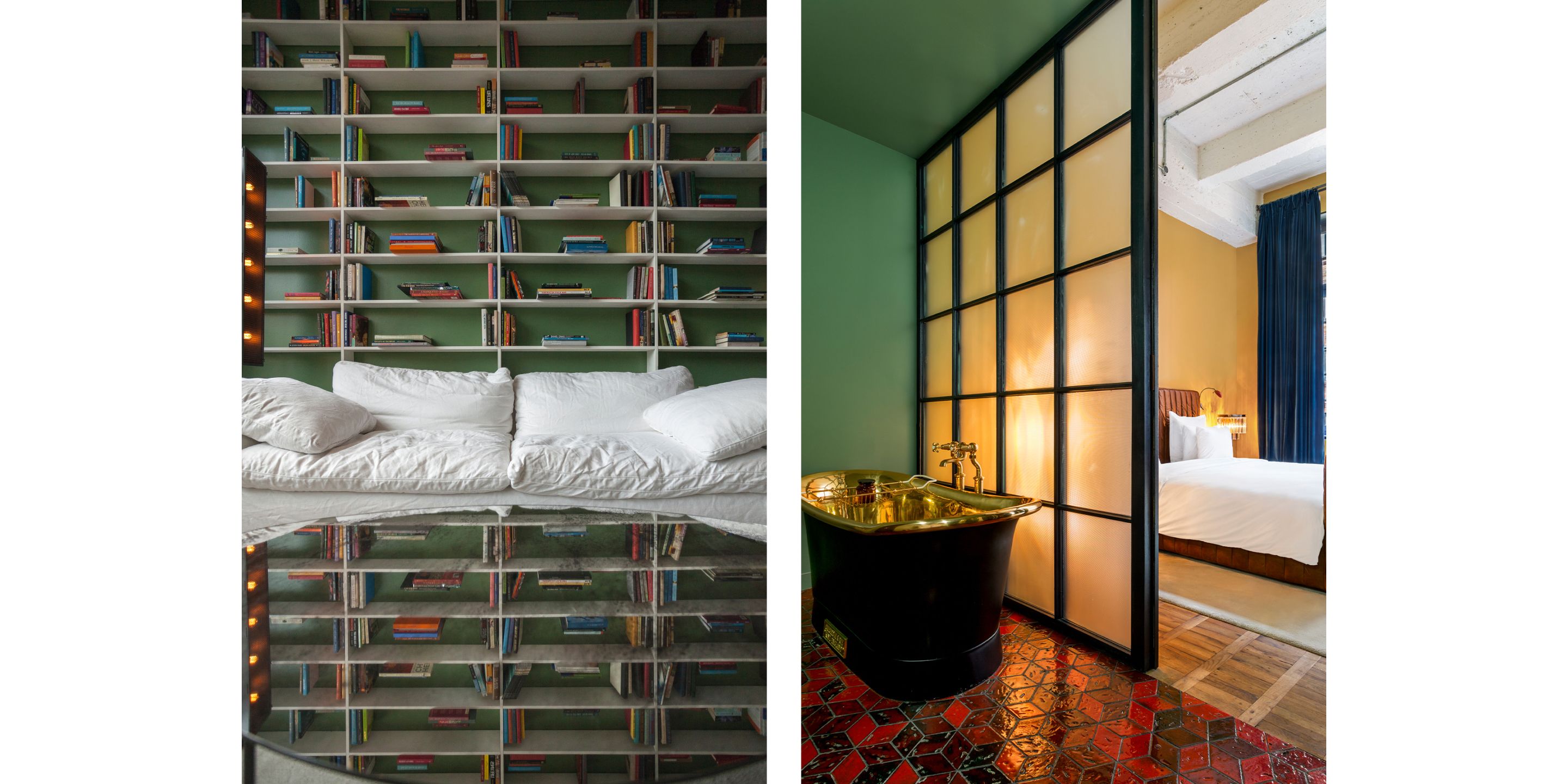
Design is a major draw, and the cinematic feel starts at check-in; bellhop and housekeeping uniforms, stitched in-house, wink at bygone times, and hefty lift cars rise to Lynchian hallways of black walls and parquet floors. Beyond the dramatic industrial aesthetic, I’m still thinking about the glossy, tomato-red tiles in my Aviator Signature room. The lighting is excellent; studiously low in sultry corners, dazzling when the sun hits the huge windows. There’s a rotary phone (the latest analogue must-have), McIntosh hi-fi and, thrillingly, a La Marzocco coffee machine fed by the roastery downstairs.
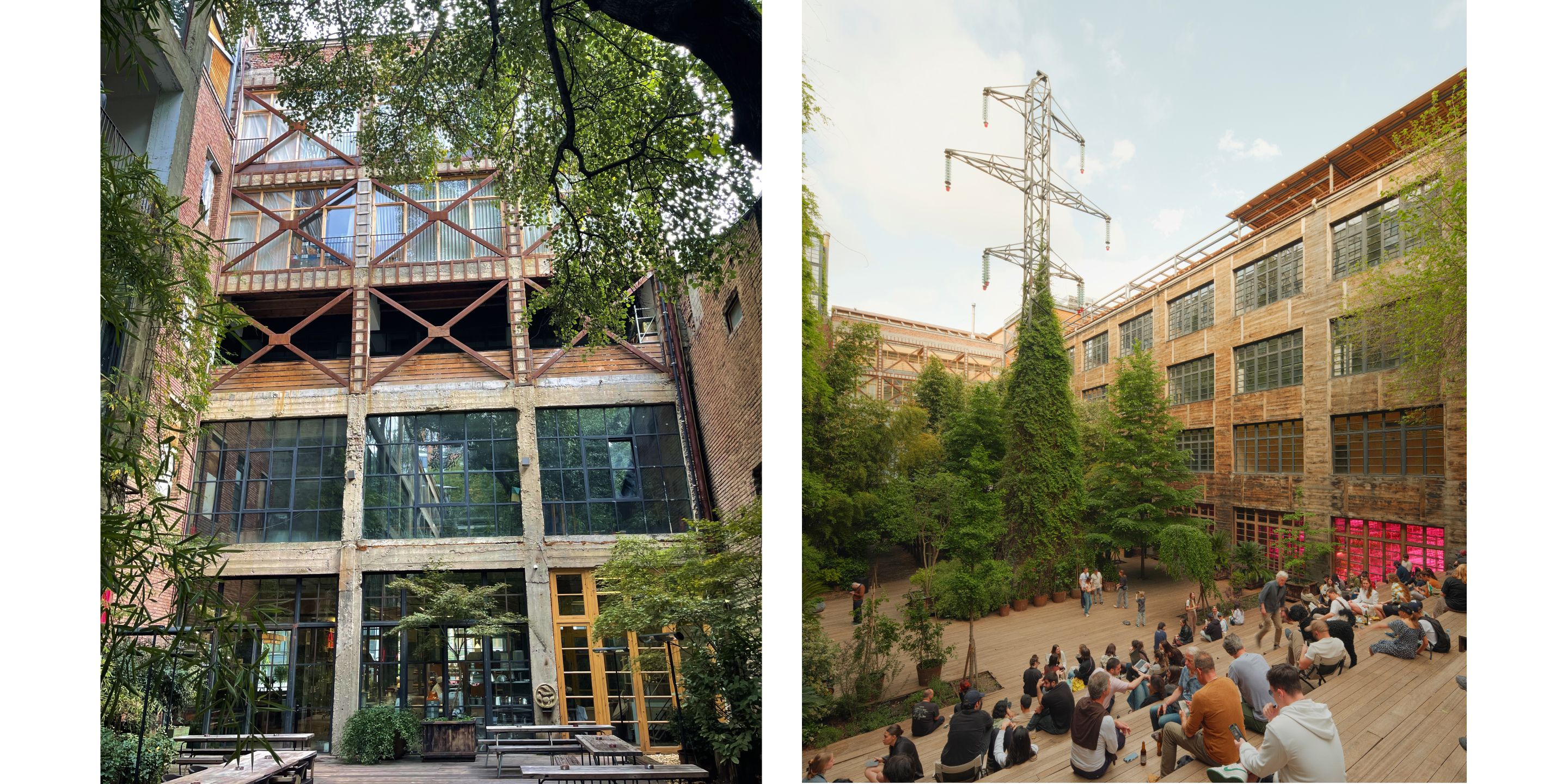
Something’s always afoot and creative happenings stack atop each other. During my visit, crowds gather at the Tbilisi Photography & Multimedia Museum, housed inside Stamba, for Provoke(d), Georgia’s first exhibition of Japanese avant-garde photography. Skaters eye up decks at the LTFR Skateboards pop-up and community media platform Mutant Radio’s wagon pulls up in the courtyard. From Thursday to Sunday, the amphitheatre and the adjoining spaces around it heave with new people to meet.
Stamba will wreck your sleep score, then pick you back up with a flat white and a spinach pastry. The bakers are in from 5am, so grab one hot on your way to bed from Tbilisi’s iconic nightclub Bassiani). The next day, a bowl of ramen from Asian Corner, which bills itself as Georgia’s first ramen shop, and head scratches for Kimchi, the hotel’s resident rescue dog, are sure to fix any hangover.
You’ll leave Stamba with more than you came with: a Shazam of an esoteric Georgian band, a photographer's name scribbled in your Notes app and a lasting crush on this spirited city.
Need To Know
Rooms are superb across the board, but the Aviator Signature’s design stands out, with its 19th-century-style brass roll-top tub and super king-size bed. Spring brings with it a hotel-wide takeover by Barcelona's revered Bar Brutal, ending in a huge amphitheatre party, while celebrations of a different kind play out during December’s Christmas markets. Worth noting that locals leave for summer houses during peak summer when the city gets extremely hot. Rooms from $160 plus VAT a night.