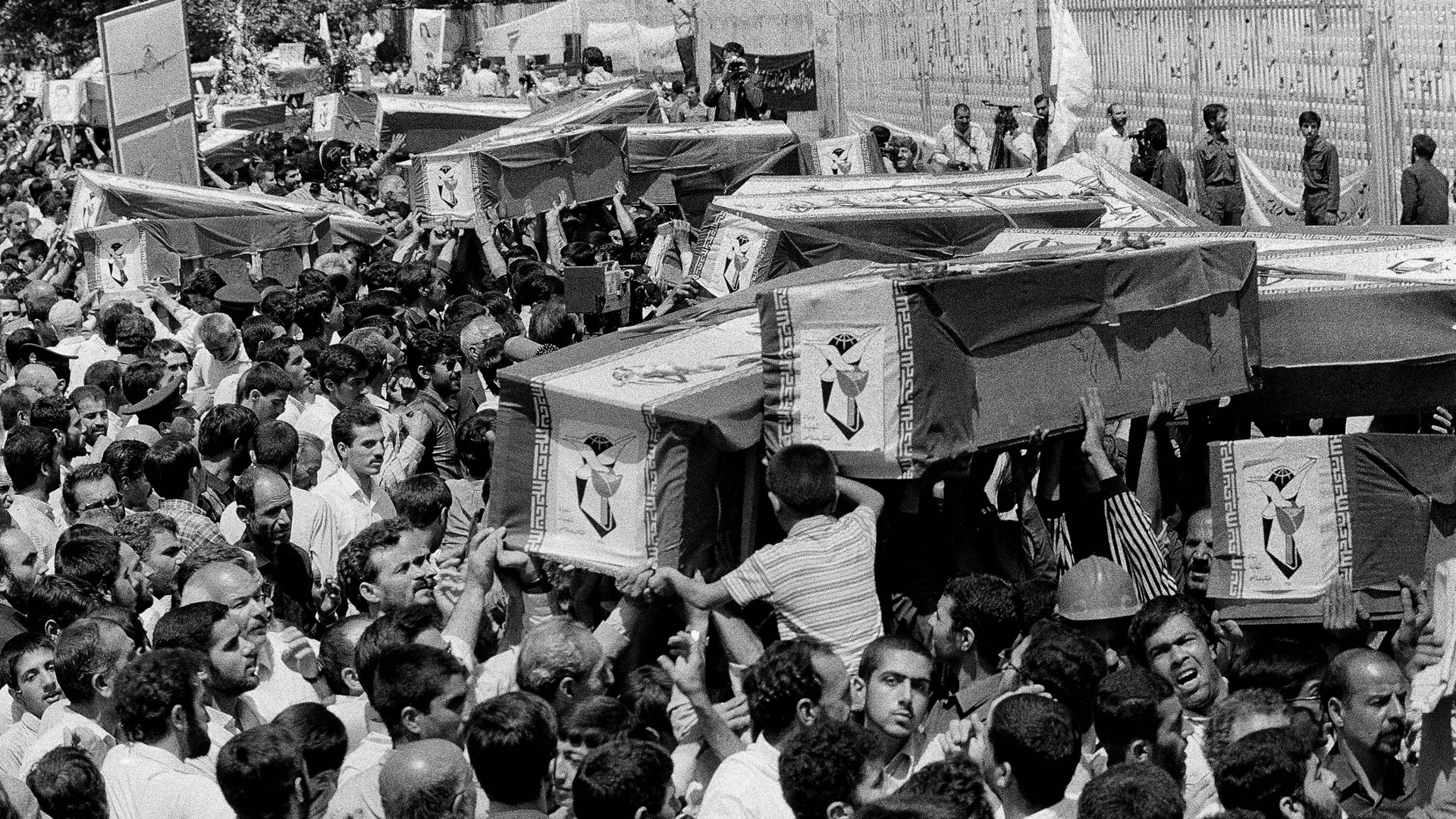
In Kaveh Akbar’s debut novel Martyr!, Dua’s Monthly Read for September, the tragedy of Iran Air Flight 655 – long forgotten in the West but not by the people of Iran – is revived as a central catalyst for an exploration of loss, grief and oblivion. Roya, the mother of Cyrus, the novel’s protagonist, was a passenger aboard this flight, which never arrived at its destination, with her death shaping Cyrus’s existential crisis and his search for meaning in martyrdom.
Providing context for a central strand of Martyr!’s compelling narrative, here we explore what happened, who was involved and the wider impact of the disaster.
What Happened To Iran Air Flight 655?
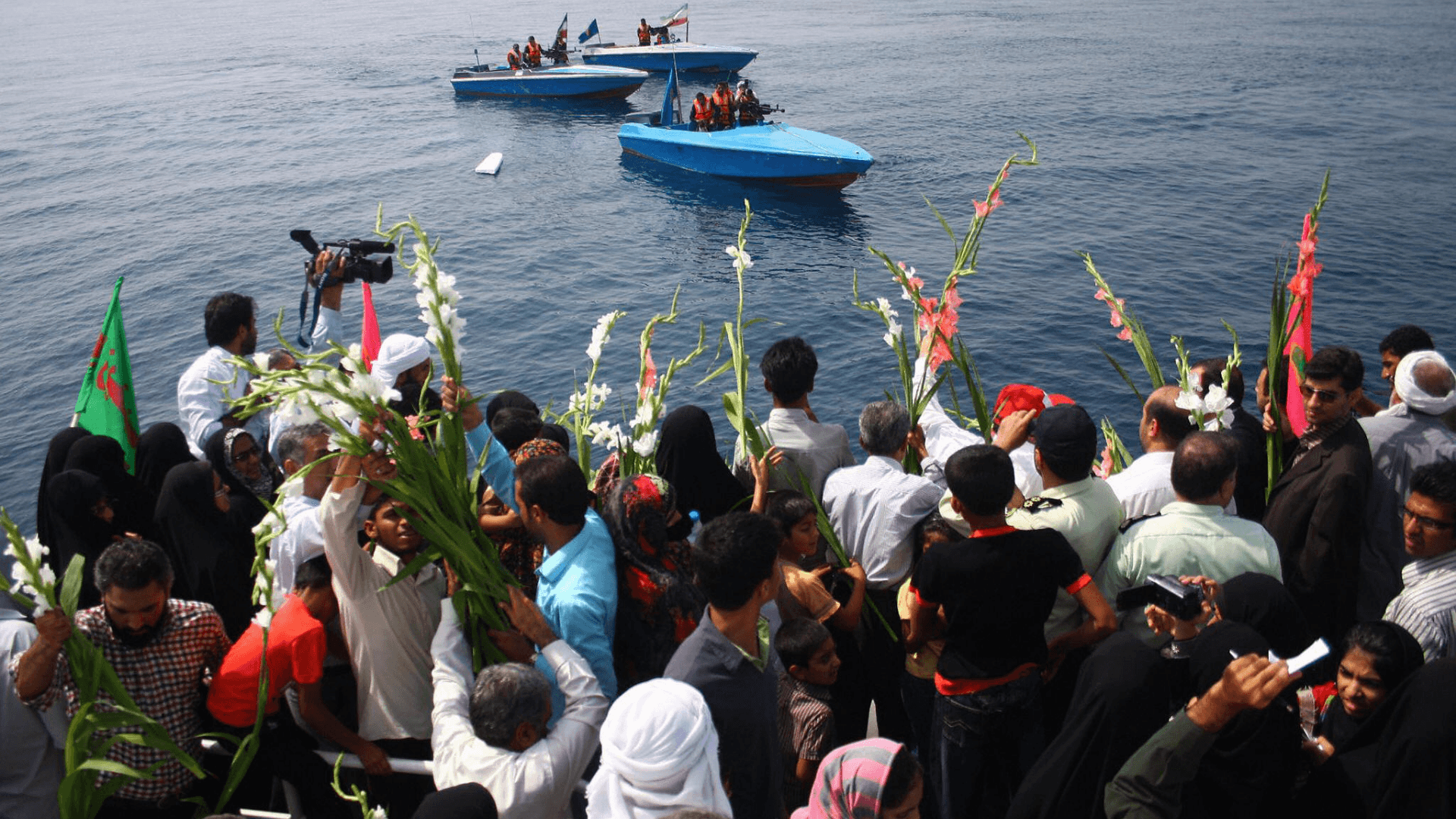
Iran Air Flight 655 was a passenger plane shot down by US Navy Warship USS Vincennes on 3 July 1988, during the Iran-Iraq War. The international commercial flight was flying over the Persian Gulf when it was struck by two missiles fired from the American cruiser, killing all 290 people aboard, including 66 children.
Crewmen aboard the USS Vincennes began tracking Iran Air Flight 655 shortly after it took off from Bandar Abbas, a major port city on Iran’s southern border, en route to Dubai. After a few minutes and several warning calls, the crew on the missile cruiser mistakenly concluded that the passenger jet was a much smaller Iranian F-14 fighter. The Vincennes fired two surface-to-air missiles, destroying the plane and killing all those on board.
Eight years later, the US government paid $61.8m in compensation to the victims’ families. Yet George HW Bush, then vice president, declared in the aftermath of the incident, “I will never apologise for the United States – I don’t care what the facts are.”
The War Behind The Tragedy
The shooting down of Iran Air Flight 655 took place in the final months of the Iran-Iraq War, one of the 20th century’s longest and deadliest conflicts. The war began in 1980 with Saddam Hussein’s invasion of Iran, aimed at exploiting the political turmoil following the 1979 revolution. Hussein sought to contain the spread of Iran’s Islamic Revolution while securing greater control over strategic territory, waterways and oil resources.
Iraq received extensive foreign support from France, the Soviet Union, the US and Gulf states, while Israel was among the few countries selling arms to Iran. Largely isolated and militarily disadvantaged, Iran compensated by mobilising soldiers and conscripts on a vast scale, fuelled by revolutionary and religious fervour. Iraqi forces used chemical weapons against Iranian troops and bombarded Iranian cities. By the time the war ended eight years later, hundreds of thousands had been killed, while the total human toll – including the wounded and missing – exceeded one million.
Accident Or Cover-Up?
US officials initially claimed the plane was descending rapidly toward the USS Vincennes and flying outside its normal route. It also claimed that the pilot did not heed its warning calls. But a Navy investigation later found that Flight 655 was ascending within an established commercial corridor and that its pilot, in contact with two air traffic control towers, was likely not monitoring the international distress channel.
Critics accused the US military of a cover-up, noting that investigators failed to interview personnel, including those who had identified the aircraft as a commercial plane. In Iran, however, the attack was widely seen as deliberate, a signal that the US had stepped directly into the war.
The Aftermath
In May 1989, Iran filed a lawsuit against the US at the International Court of Justice. A settlement was reached in 1996. The US agreed to pay $61.8m to the victims’ families and Iran dropped its suit. However the US never formally apologised nor accepted legal liability. In 1990, two years after the tragedy, the Navy notably awarded William Rogers, the captain commanding the USS Vincennes, the Legion of Merit for his “outstanding service” during operations in the Persian Gulf.
The Lasting Legacy Of The Conflict
A UN imposed ceasefire took effect on 20 August 1988, ending the conflict and leaving each side to claim victory. Its impact, however, proved far more consequential. The war helped consolidate the nascent Islamic Republic grip on power, entrenching an authoritarian regime that has endured for more than four decades, while also contributing to the expansion of the US military presence and network of bases across the region. At the time of writing, there are around 50,000 military personnel stationed across the Middle East, spread amongst at least 19 US miliary bases.
Listen or watch Kaveh Akbar explain why he chose to thread this real-life tragedy throughout Martyr! in his interview with Dua here.
There’s More – Delve Deeper Into Martyr! With The Service95 Book Club...
WATCH Dua’s interview with its author Kaveh Akbar
HEAR a playlist picked by author Kaveh Akbar to soundtrack his novel
READ five books that inspired Kaveh Akbar to write Martyr!
EXPLORE an essay exploring how history an inheritance can live on through art
BOOKMARK ten titles to read when you’re having an existential crisis