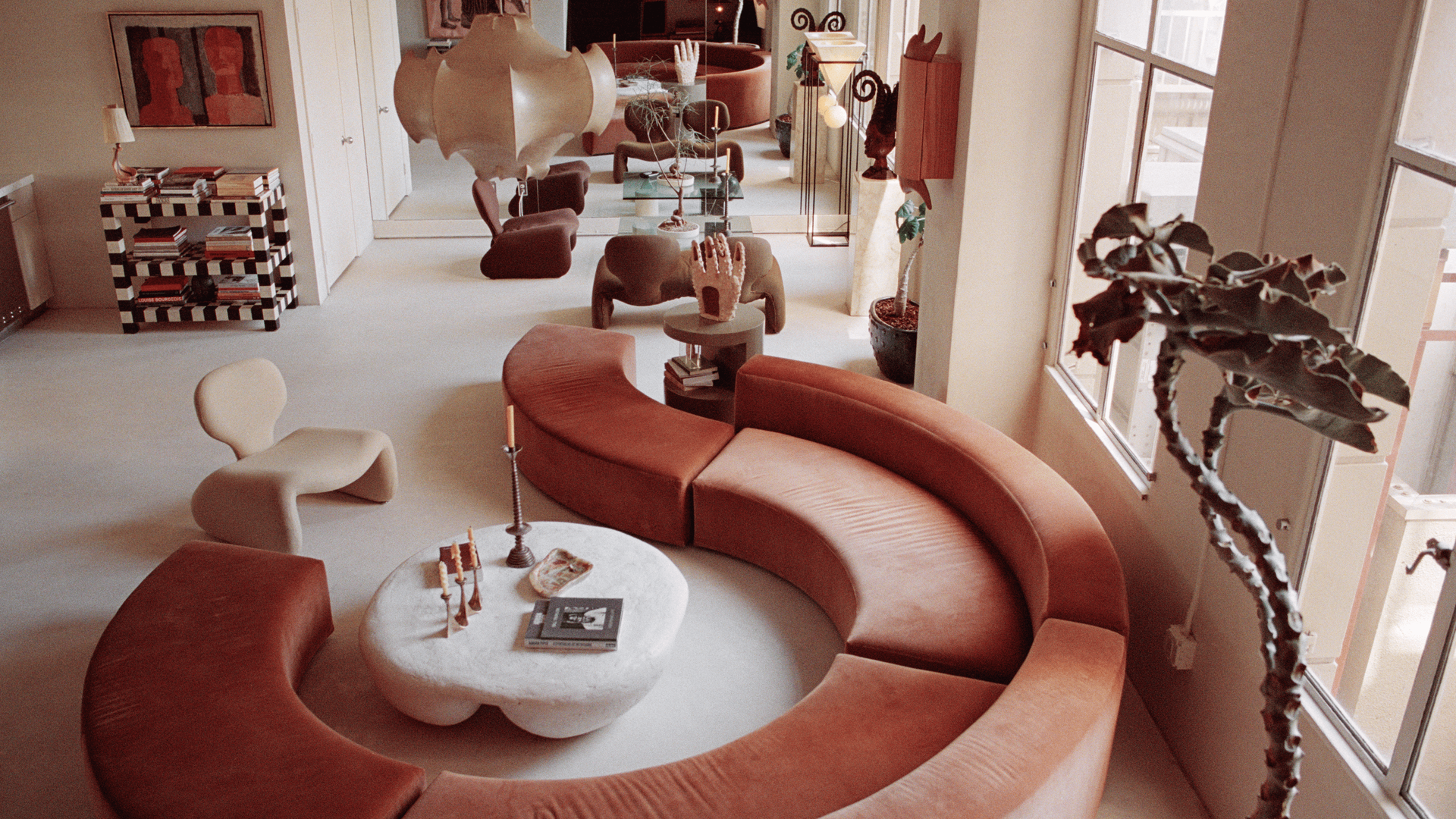
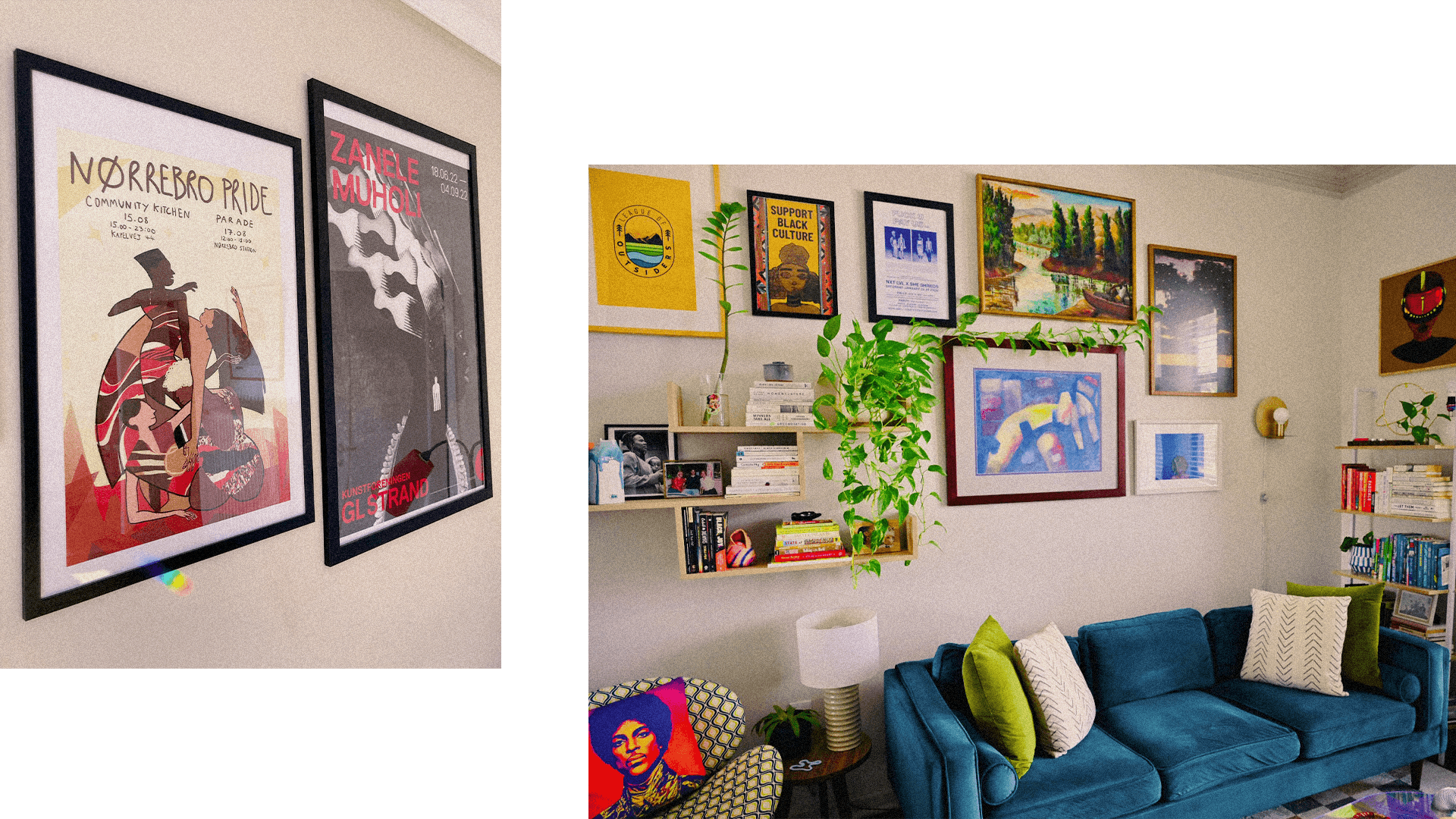
When I’m sitting on my dark teal velvet couch, with at least three of my plants in view, I exhale and feel like anything is possible. We can’t control society or what happens outside of our homes. But we do have agency over how we feel within our own spaces (even if we’re renting, like I am). Our homes can reflect how free we want to be – and how free we want to feel.
Now more than ever, Black women are designing our spaces to reflect our truest selves. This doesn’t just change how we live – it changes how we move through the world. Our homes are where we cultivate our voice and replenish our energy, so when these spaces make this process easier, it prepares us to use our voices more effectively when we venture into the outside world. Perhaps that’s the purpose of a home – not simply to shelter us, but to remind us, every day, of who we are and what we can create.
“Our homes are where we cultivate our voice and replenish our energy, so when these spaces make this process easier, it prepares us to use our voices more effectively when we venture into the outside world”
For me, it started in 2020, as we spent more time in our homes than ever before. It inspired me to ask: how can I feel better here since I have to stay here? It’s this intention we can carry with us through 2026: the desire to create spaces that make us feel held, inspired and fully ourselves. I know other women who have curated their interiors with similar intent, and asked a few of them to reflect on the spaces they’ve created, just for them. What they share gives us insight into how to design in a way that uplifts our spirit and our sense of self.
It doesn’t have to start with a drastic change – just a few small steps. Here’s where to start.
1. Consider What You Already Have
Creating a home that expresses who we are begins with understanding what is sacred to us – our identities, our cultures, our values, our creativity – and what brings us joy. Even mundane and functional items can be special and beautiful. Reading has been one of the defining joys of my life, so keeping books in my living room, where I spend the majority of my time, reminds me that I am most free when my mind is free. And as a Jamerican from California, I grew up surrounded by nature. Having plants around makes me feel calm and reminds me that I’m always surrounded by different forms of life.
2. Let Your Home Be A Living Archive
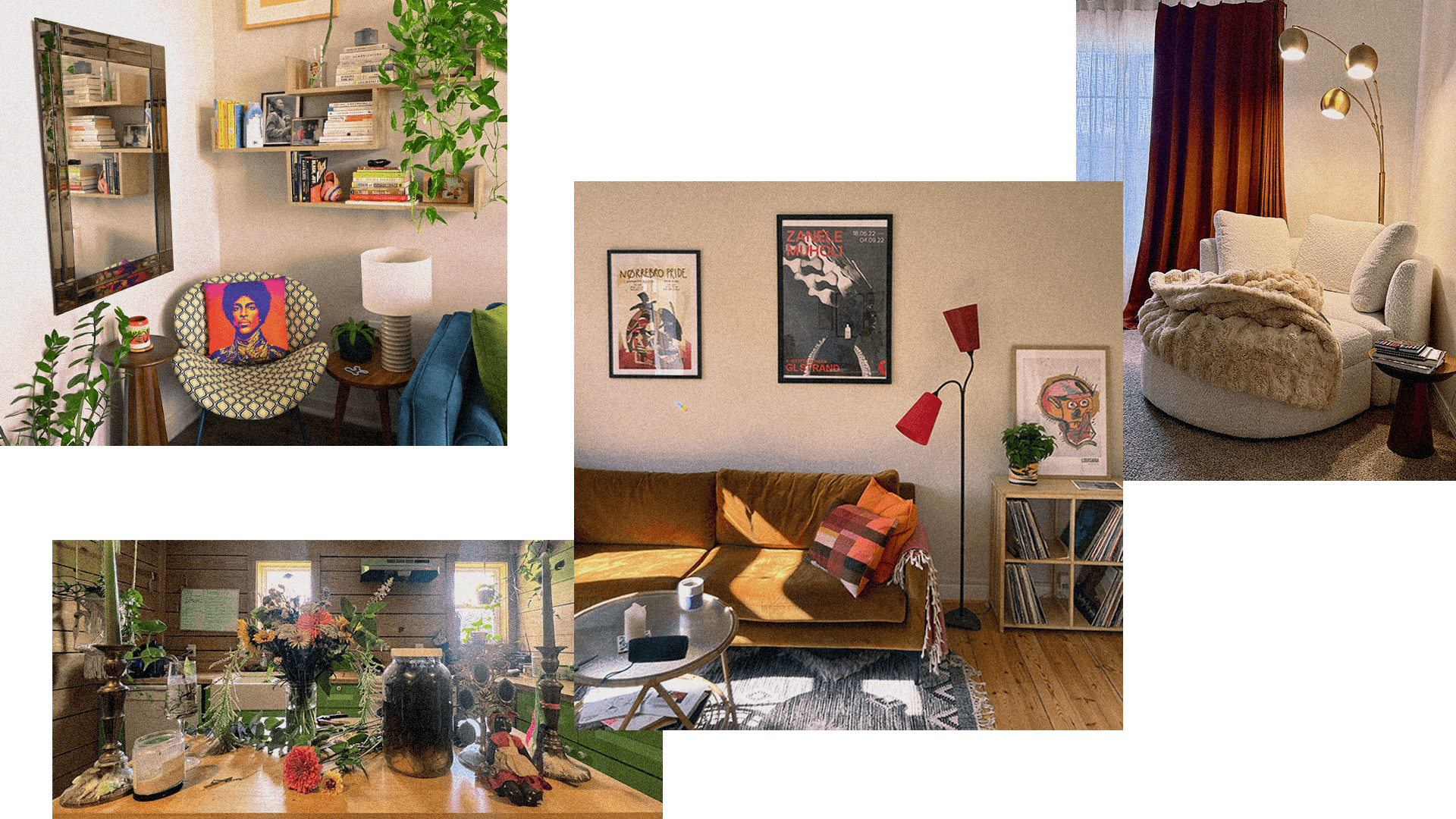
Researcher and cultural analyst Elizabeth’s Copenhagen living room is a reminder that our homes can be a reminder of our past selves, as well as encouraging us towards who we are yet to become. “My favourite end of my couch is where I read and lie, texting and sending voice notes to loved ones. This corner is an expression of me,” she says. Take your cue from Elizabeth by keeping items from your past (for her, it’s her dad’s record collection and the standing lamp from her childhood home) to create a “hyggeligt (cosy) corner, an archive of the lives I’ve lived across different times and places.”
3. Create A Dedicated ‘Time Out’ Area
Creating a comfy area for quiet reflection, writing, reading and spirituality is important for deep relaxation. Tsedal, a DJ and advertising consultant based in Tulsa, Oklahoma, has done just that with her dedicated journaling area (below). “It is my essential place of processing, the corner where I calm my nervous system,” she says. Take a page out of Tsedal’s book by choosing a corner that you can adorn with lush seating and a side table to hold all your self-care essentials. “A soft place to soften from all the hardness outside.”
4. Don’t Be Afraid To DIY & Source Secondhand
One of my favourite corners of the internet is watching women DIY and design their homes exactly the way they want. As an environmentalist who cares deeply about the ways we produce and consume the objects that fill our daily lives, I gravitate toward sustainable design choices, preferring natural materials (such as wood, stone and textiles made from plant-based materials) and buying secondhand. Most of what’s in my home is sourced from thrift stores, Facebook Marketplace, and estate and yard sales. They’re things I’ve collected over time and have had a life before coming into my home.
5. Allow Your Art To Set The Tone
For me, collecting art – especially work created by and depicting people like me – not only brings beauty into my home, but also encourages me to nurture my own artistic and creative practice. Two of the paintings on my wall were given to me by my mother; one is by a Jamaican painter, David Pottinger; and another by artist Jessica Jones, AKA Cosmicninja. Jessica lived next door to me when we were kids. I’m glad to support artists that I know. Choosing art that is nostalgic and items from memories of past experiences makes us feel cosy and honours all of who we are.
6. Identify & Serve A Purpose With Your Space
Aesthetics aren’t the only thing to consider when curating a space. Function is important, too. Zel is a flower farmer and farm organiser based in Madison, Georgia, who has carved out an area in her home to help with her cultivation. “I made space for myself in a world that didn’t,” she says, referring to “where flowers for my home and ancestors are arranged, where medicine is put into jars with intentions under the lid, where tea is mixed with the right prescription and kombucha is crafted from the abundance of the season.” A lesson we can learn from Zel is to fill our homes with items that actively contribute to your immune and spiritual health – serving you from the inside out.