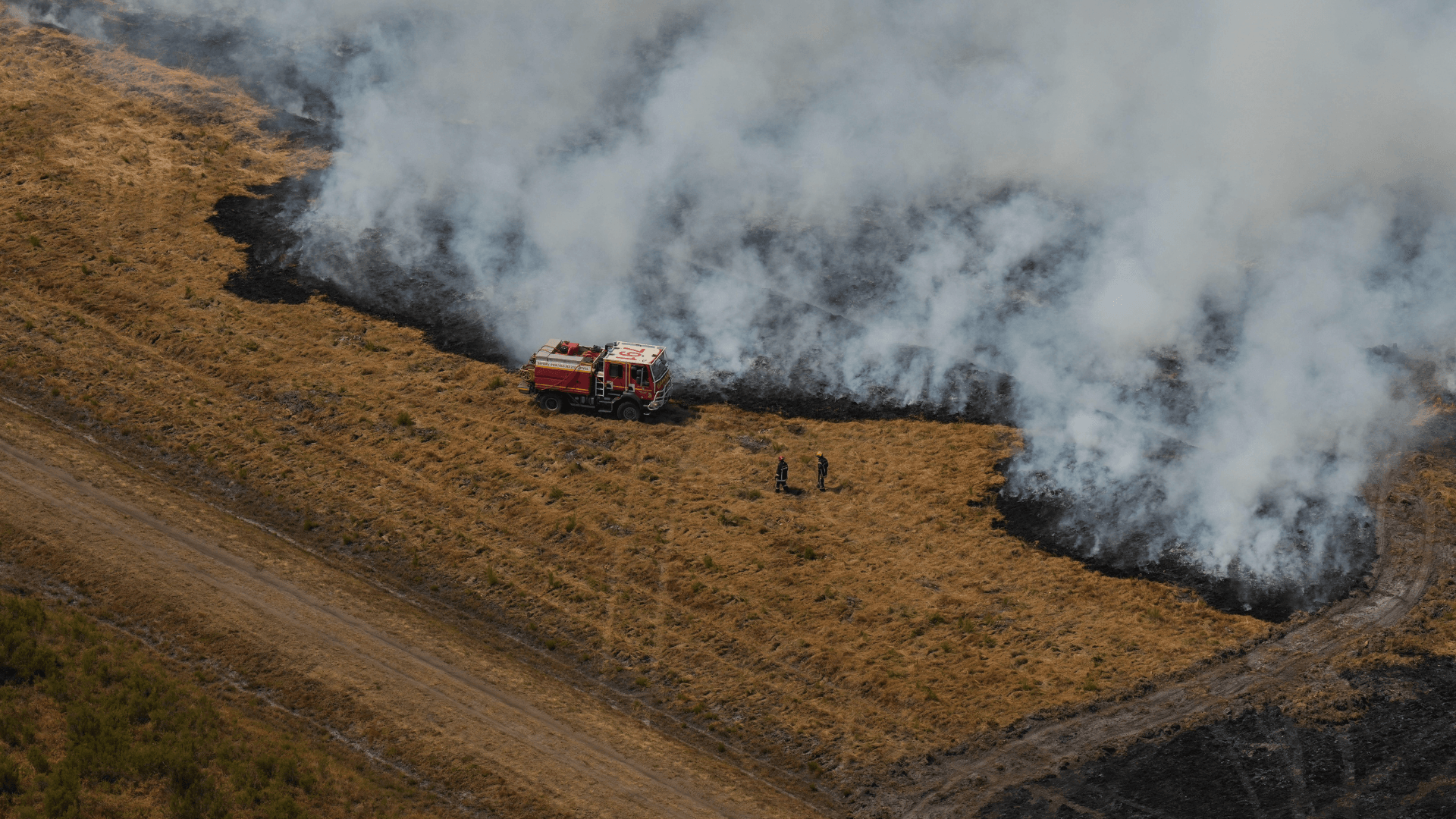
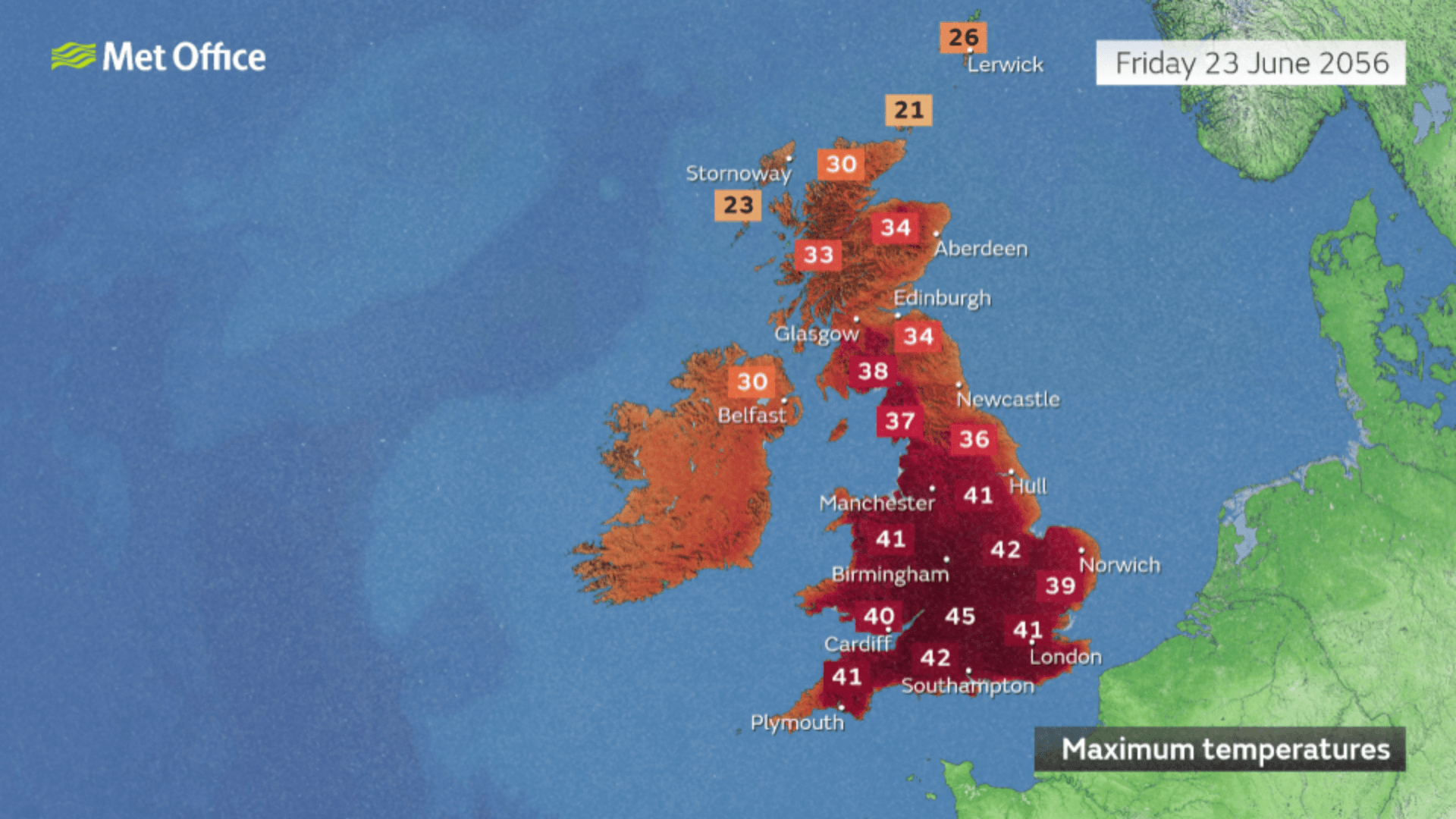
This summer didn’t just break temperature records, it required new language to describe the extremes. In August the Japan Meteorological Agency formally adopted a new word, kokushobi, translating as ‘cruelly hot’ to describe when temperatures rose above 40 degrees Celsius. In the UK, five heatwaves turned leafy parks into dusty moonscapes. Sentinel satellites buzzing over France recorded nearly 42,000 hectares burned by wildfire across Gironde, the Bordeaux wine region. In the Netherlands, tens of thousands of ravers at Defqon.1 were sent home after the country issued its first ever Code Red warning for extreme heat. By mid-August, 4.1 million hectares had been consumed by wildfire in Canada.
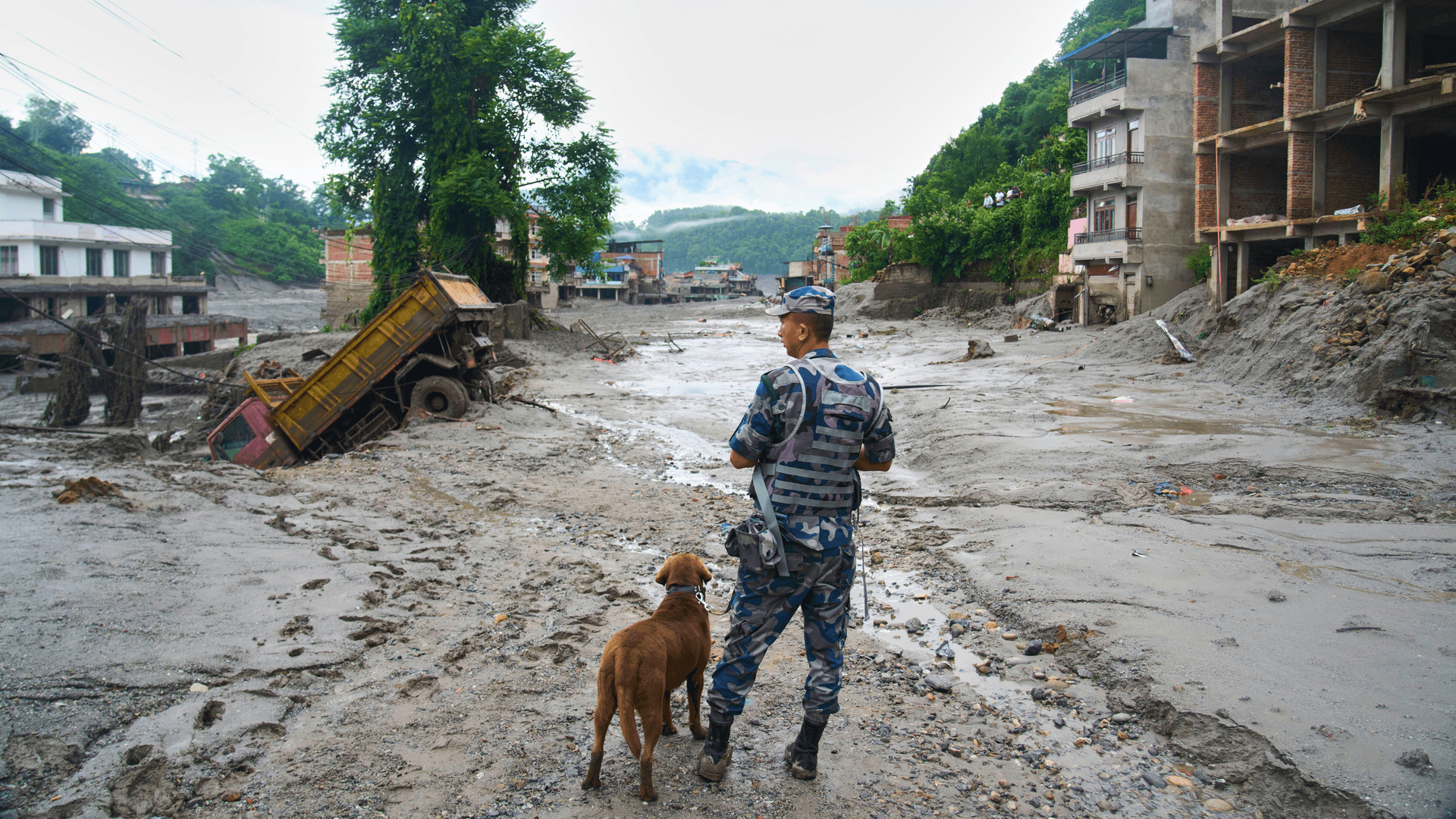
But somehow words weren’t enough to describe the devastation of the flood that surged through the mountainous Nepal-Tibet border region. The global newswire, Agence-France Presse, spoke to Omkar Joshi, a man rescued from a hilltop. “Everything is finished,” he said, “It is a giant graveyard. All that is left are sand and pebbles, soaked red by human blood.” The US Geological Survey has said that the catastrophe was caused by glacial collapse. It will take a while to establish the role played by climate change, but we do know that warming is destabilising high-mountain rock and ice, increasing the risk of cascading hazards like this.
Professor Hayley Fowler, Professor of Climate Change Impacts at Newcastle University, puts it starkly: “All heat waves are now hotter because of climate change, and all extreme rainfall events are more intense and wetter because of the warmer atmosphere.”
And yet, people still can't see what's happening – or, they're choosing not to. I see delight at the extra heat popping up in my feed: “Yay we can grow grapes!”, “Just enjoy the BBQ weather!”. I’m reminded of meeting Peruvian coffee producers in the Sierra Piura over a decade ago. They were already experiencing a disturbed cycle that flipped between drought and chronically heavy rainfall. I asked a farmer whether there was anyone in his community that thought climate change wasn’t that serious. “Are you joking?” he said, “who says that?” I explained that where I came from we had some citizens who thought that way. “Well tell them to come here and try and grow coffee!” he said.
I think about that exchange a lot and how typically people at the beginning of global supply chains experience climate change as the initial shock of (often extreme, increasingly disastrous) weather; those at the consuming end experience a reduced impact, through prices, availability and substitution. A life-changing heatwave or flood in Pakistan might destroy cotton production but for consumers thousands of miles away it might just mean shifting to more synthetic clothing for a bit.
But what happens when that insulation from the real impacts starts to break down? When I speak to Hayley she is monitoring the El Niño developing in the Pacific Ocean. She explains how El Niño, a natural cycle where the temperature in the Pacific Ocean rises above average, forms and exerts such influence over the global weather pattern. Normally, trade winds push warm water across the Pacific. When they weaken, she says, that water “sloshes back” eastwards, eventually reaching the Americas, releasing huge amounts of heat into the atmosphere, creating this phenomenon.
Over the coming weeks El Niño will strengthen, peak and cause a shift in ocean temperatures and atmospheric circulation in the Pacific. This gives it extraordinary reach, influencing weather patterns across the planet. And while El Niño itself is a natural climate cycle, the extra heat from fossil-fuelled global warming “exacerbates and intensifies” the extremes it brings, meaning climate change massively raises the stakes when El Niño arrives. This one is so big that it has been nicknamed ‘Godzilla’.
“El Niño will likely significantly impact on rice production,” Hayley warns. “In Asia, often the monsoon fails with El Niño. Certainly, [it is] a lot weaker.” She points to drought in China and India, severe heat and drought in Australia and Asia, and the risk of forest fires. Elsewhere the pattern flips: the western US and Peru can experience flooding, while warming waters off Peru can disrupt the cold, nutrient-rich currents on which its fisheries depend. With their own harvests already hit by extreme weather, consumers in industrialised nations could experience shortages, too.
I’m the first to admit that a Godzilla-sized El Niño doesn’t exactly scream ‘solvable problem’, so what do we do? The first thing to remember, I think, is that the global public mandate is clear. Across 77 countries, four in five people want stronger government action on climate change, 86% want countries to cooperate despite geopolitical differences, and 79% want richer countries to help poorer ones respond. “It’s up to our political leaders to actually step up, because we need systemic changes,” says Hayley. “We need very strong leadership nationally. We need very strong leadership internationally as well.”
That matters because countries do not face this changing climate with equal resources. Wealthier countries, Hayley points out, have “much, greater wealth to be able to deal with the impacts of climate change”. Cutting emissions is therefore only part of the task. Adaptation is urgent too: better early-warning systems, monitoring and resilient infrastructure can help protect communities facing hazards like those in Nepal.
The stakes are considerable. We are already living with the consequences of a substantially warmer world, and there is no ceiling unless emissions fall. The developing El Niño comes on top of the warming we already have, pushing global temperatures even higher, the devastating effects of which we’re already witnessing in parts of the world without the infrastructure to begin handling this level of heat, such as Nepal. A new UN report warns that the world is set to cross 1.5 degrees of warming but that rapid emissions cuts can still limit how much hotter it gets and help bring temperatures back down. Which brings us back to what we are experiencing. “I don’t think people naturally connect things together, and we do need to,” she says. That means making the connection with climate change, but also accurately talking about fossil fuels and “connecting them with the heat”. Talking about the weather has never seemed less like small talk.