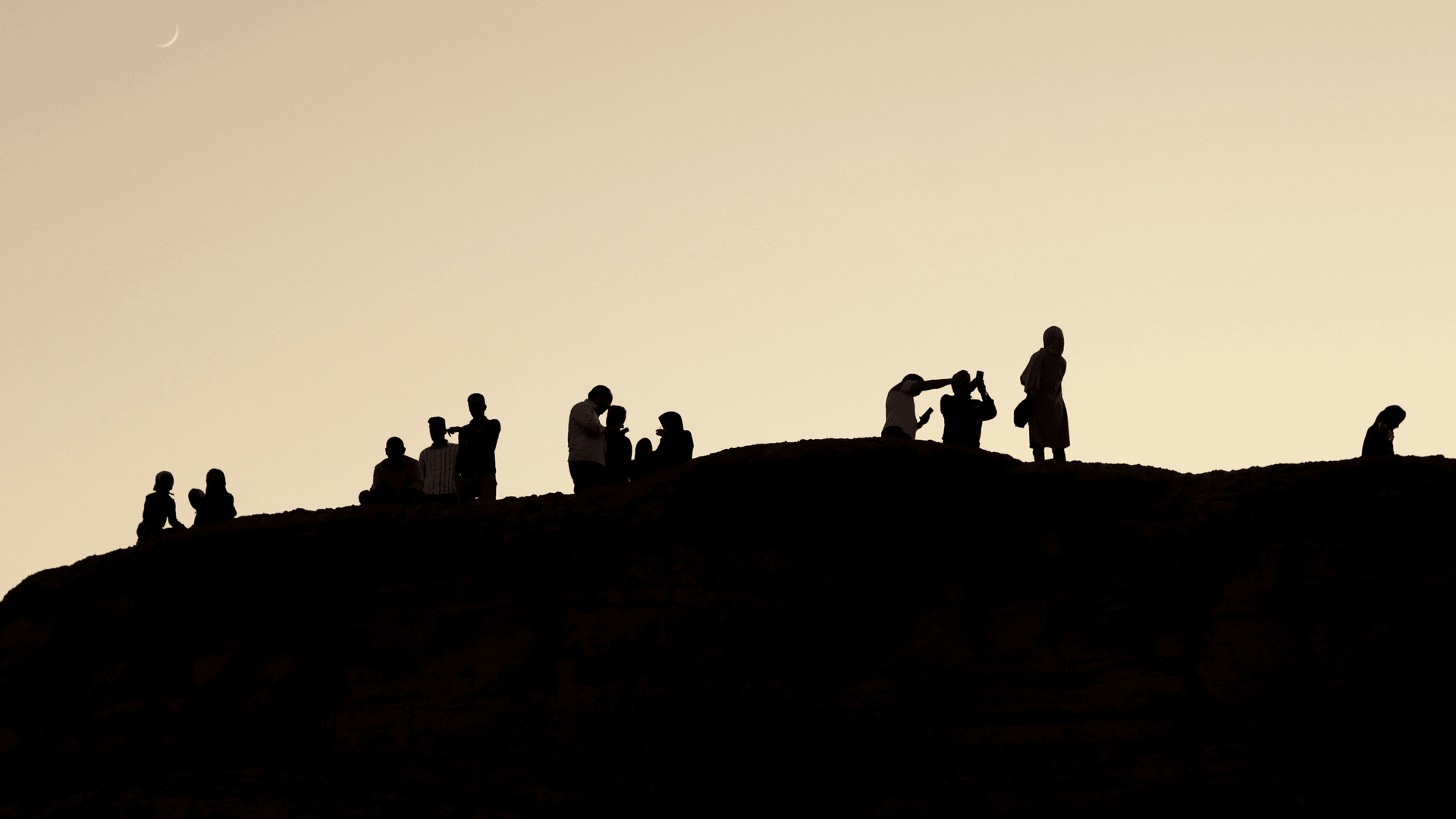
The night sky has proved a compelling reason to pack our bags in recent years, with the rise and rise of astrotourism inspiring travellers to seek out dark sky destinations and experiences around the world. This year, however, the draw is in the daytime, with a total solar eclipse – the first visible in mainland Europe since 1999 – brings another reason to look skywards.
Sweeping across north-western Europe on 12 August, the eclipse’s line of totality carves a route through Greenland, Iceland, northern Spain and the Balearics. While most of the northern hemisphere will experience some degree of partial eclipse, those along this path will be best placed to witness the halo effect of the solar corona as the moon passes directly between the Earth and the sun.
From mountain hikes high above the cloud line to clifftop vantage points and beach retreats, here are five destinations along the eclipse path worth making tracks for.
Where To Watch The 2026 Solar Eclipse
1. From Iceland’s Western Coast
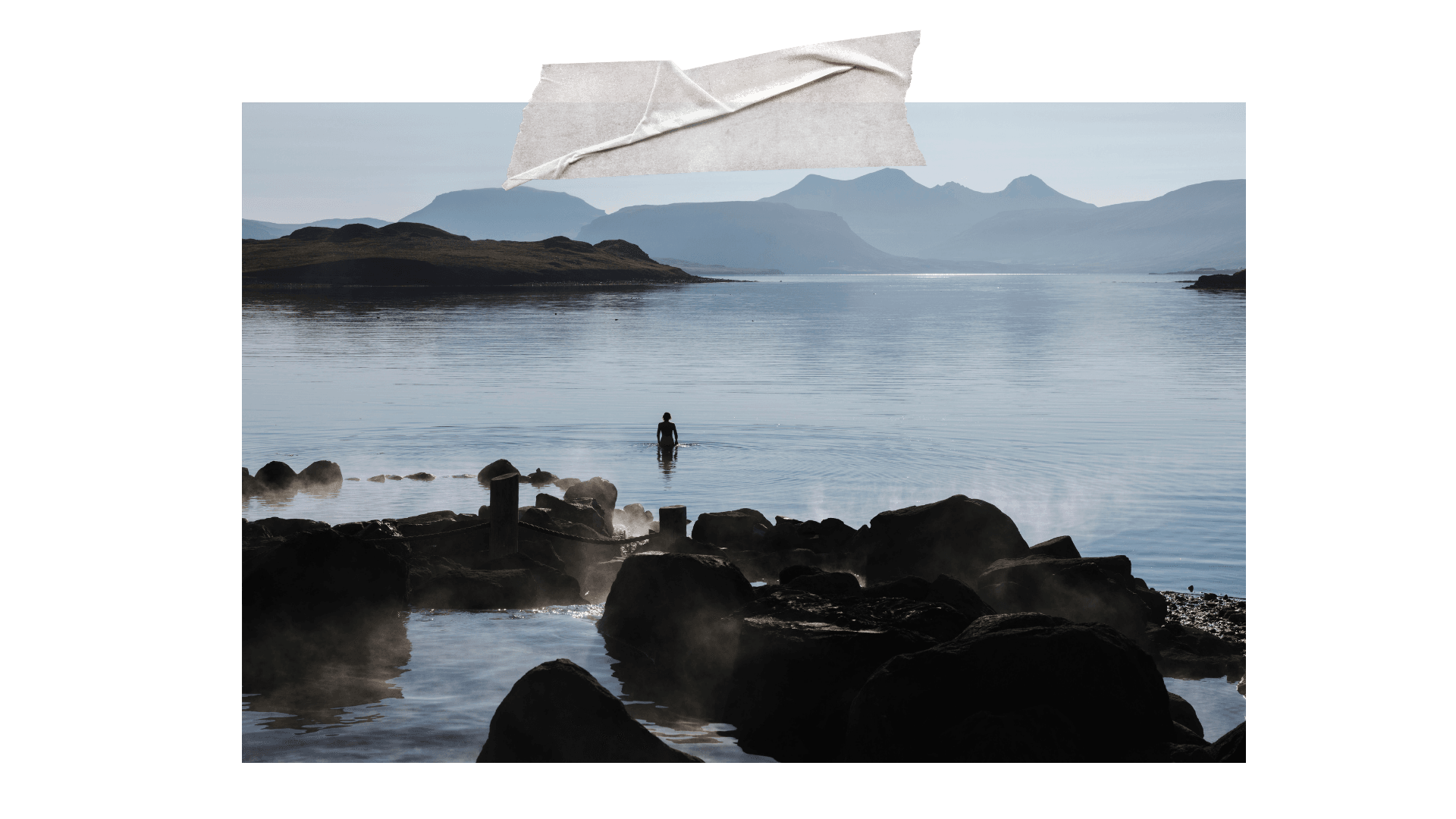
Close to the point of maximum eclipse, where full darkness is experienced for longest, western Iceland is one of the best places on Earth to watch this year’s event, with the longer the duration of darkness the further west you go. While tickets to Björk’s Echolalia “eclipse rave” sold out swiftly after being announced, Iceland’s rugged coastline remains a stunning spot to base yourself before the show starts shortly after 4.30pm.
The eclipse shadow first makes landfall at Straumnes Lighthouse in Hornstrandir, where the glacier-carved Westerfjords provide plenty of stunning vantage points. Alternatively, just a short drive north of Reykjavik, the Hvammsvík Hot Springs jut out into Whale Fjord on the edge of the Atlantic. Book into an afternoon slot to immerse yourself in its thermal waters as the paths of the sun and moon converge above.
2. From Galicia’s Breathtaking Coastline
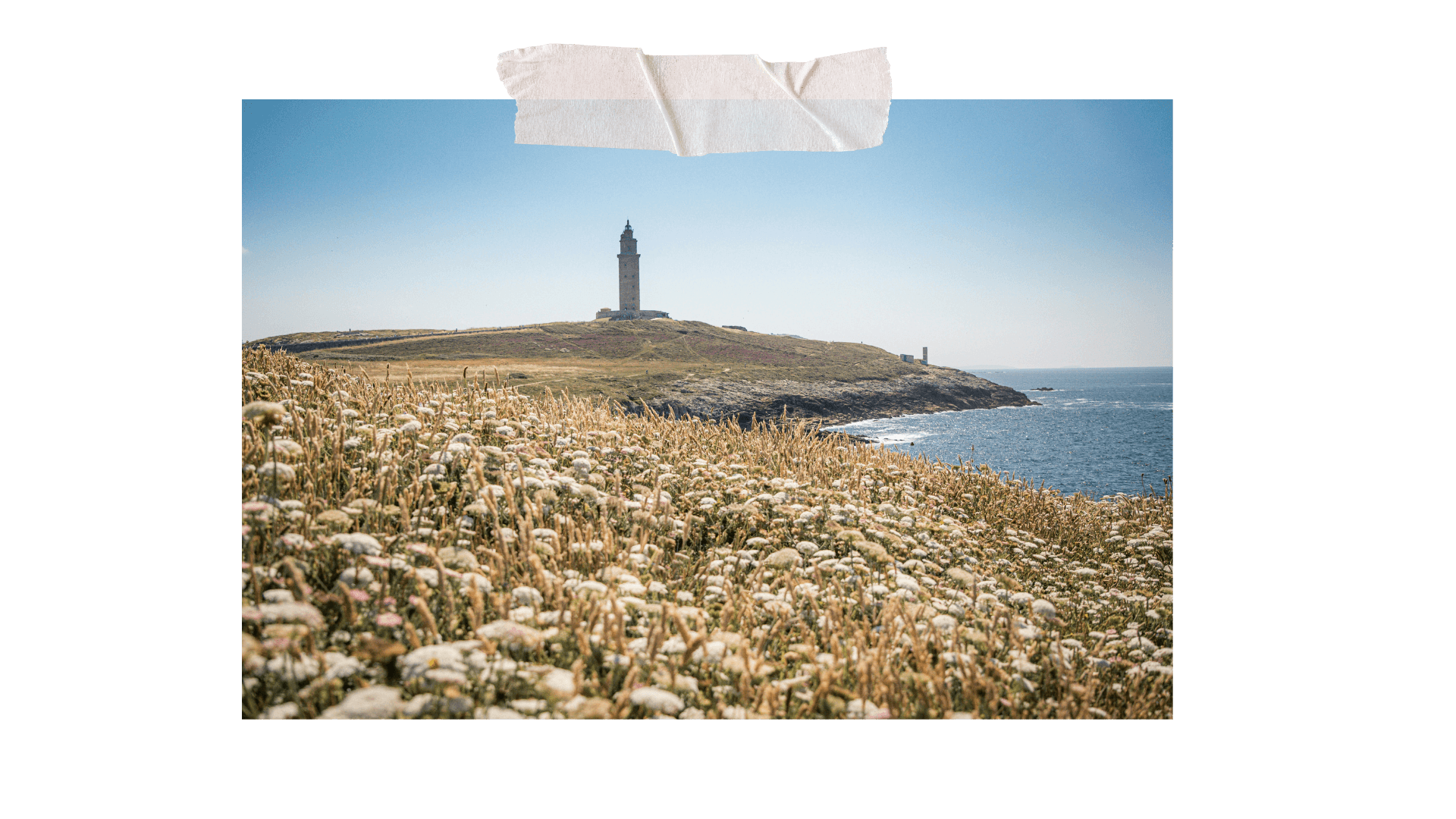
As the eclipse reaches Spain’s north-western extent in the early evening, clear skies should reveal a so-called “sunset eclipse” – a celestial rarity that gives this year’s event even greater wow factor, With the moon intercepting the sun as it hangs low on the horizon. Spain’s rugged Galician coastline will offer undisturbed views of this over the Atlantic – head to its towering cliffs and headlands as golden hour approaches.
The spirited port city of A Coruña is a great jumping off point for eclipse chasers, putting the region’s best beaches within easy reach. Facing out to sea from the edge of the city, the Tower of Hercules and Monte de San Pedro are two prime positions as the sun starts to sink. Further afield, the dramatic Cabo Oretegal lighthouse, where the Atlantic Ocean meets the Bay of Biscay, is about as picturesque as it gets, while the soaring Serra da Capelada cliffs, which plunge down into the ocean below, face west for an ideal viewing platform.
3. From The Lofty Heights Of The Picos de Europa Mountains
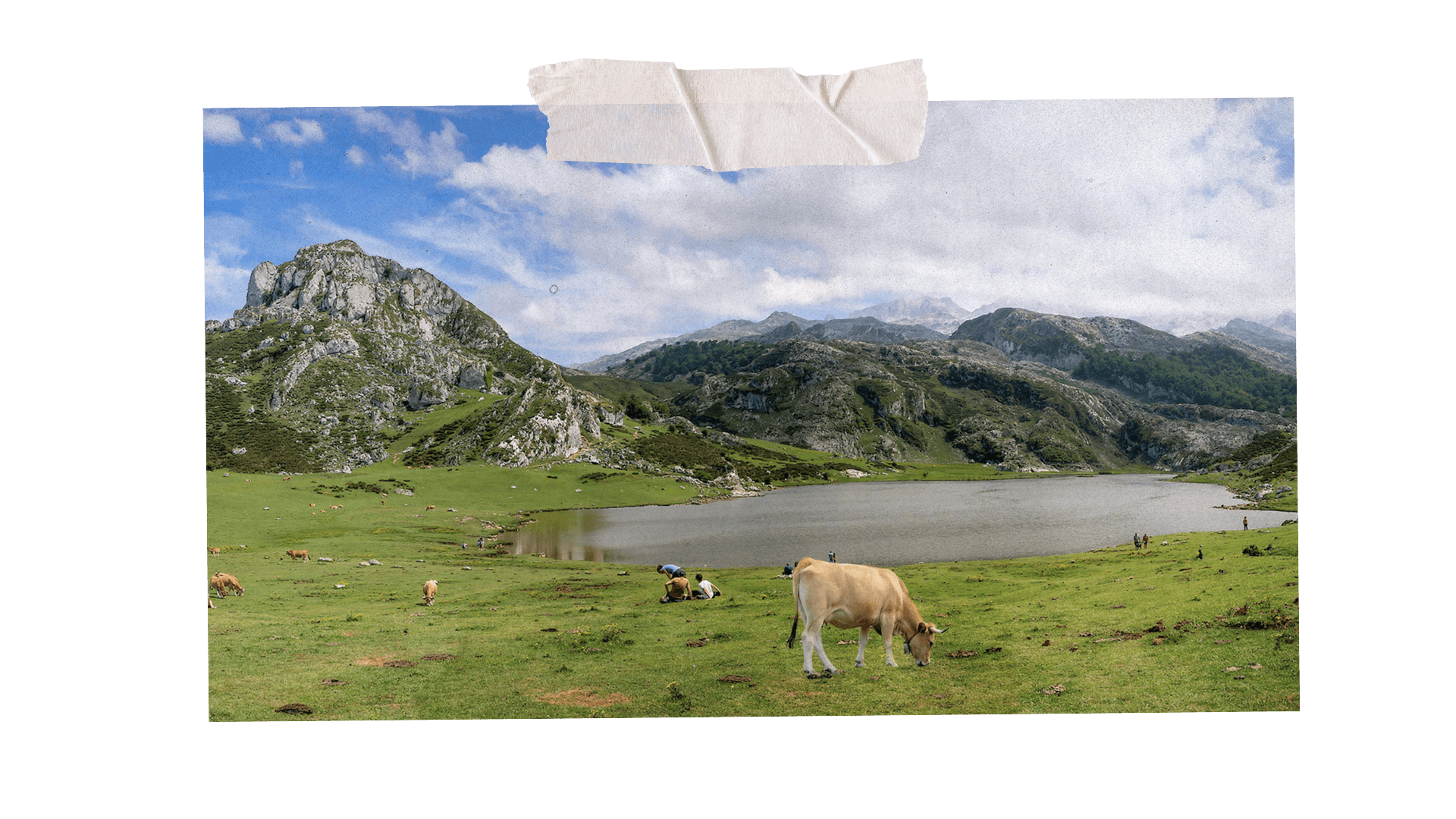
Between the cities of Santander and Oviedo, the dramatic Picos de Europa mountain range rise tower over the surrounding countryside, which – defined by sound of cowbells and stunning Alpine scenery – is a playground for adventurous travellers. Hike above the cloud line along the various routes that lead upwards from the pretty villages of Covadonga or Las Arenas, aiming for the refugios that offer overnight lodgings and rustic meals in spectacular settings, before the eclipse arrives at about 7.30pm.
Serious hikers should aim for Collado Jermoso, which sits on a dramatic west-facing precipice over the Cares Gorge. Alternatively, Vegarredonda sits close to the spectacular Mirador de Ordiales viewpoint, with sweeping views across Asturias to the Bay of Biscay and beyond.
4. From Spain’s Wide Open Plains
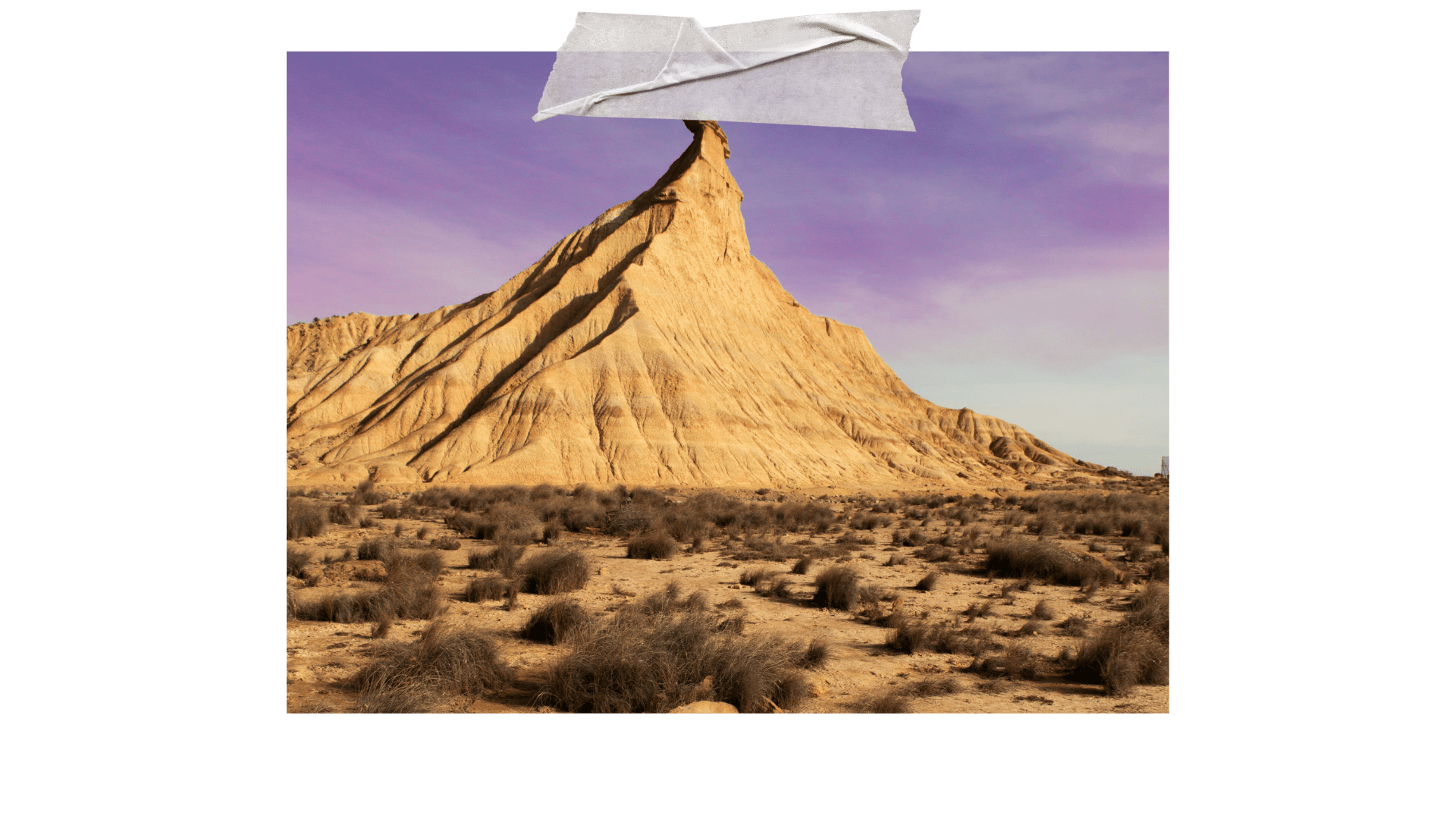
South of Spain's northern mountains, a different set of landscapes unfold, providing a striking setting for this year’s eclipse. The flat, empty plains and wide-angle horizons that define the semi-desert backdrops of southern Navarra stand out, punctuated by lunar rock formations like Bardenas Reales, which is dramatic as it comes.
Across Navarra, the EKLIPSE project spans 20 official observation sites. Tickets provide access to some of the region’s most dramatic destinations, as well as a wide-ranging programme of cultural, scientific and educational activities – including conversation series and photographic exhibitions – during the week of the eclipse. Plus, Navarra’s inland position south of the mountains gives among the highest probabilities of clear, cloudless skies.
5. From The Shores Of A Balearic Retreat
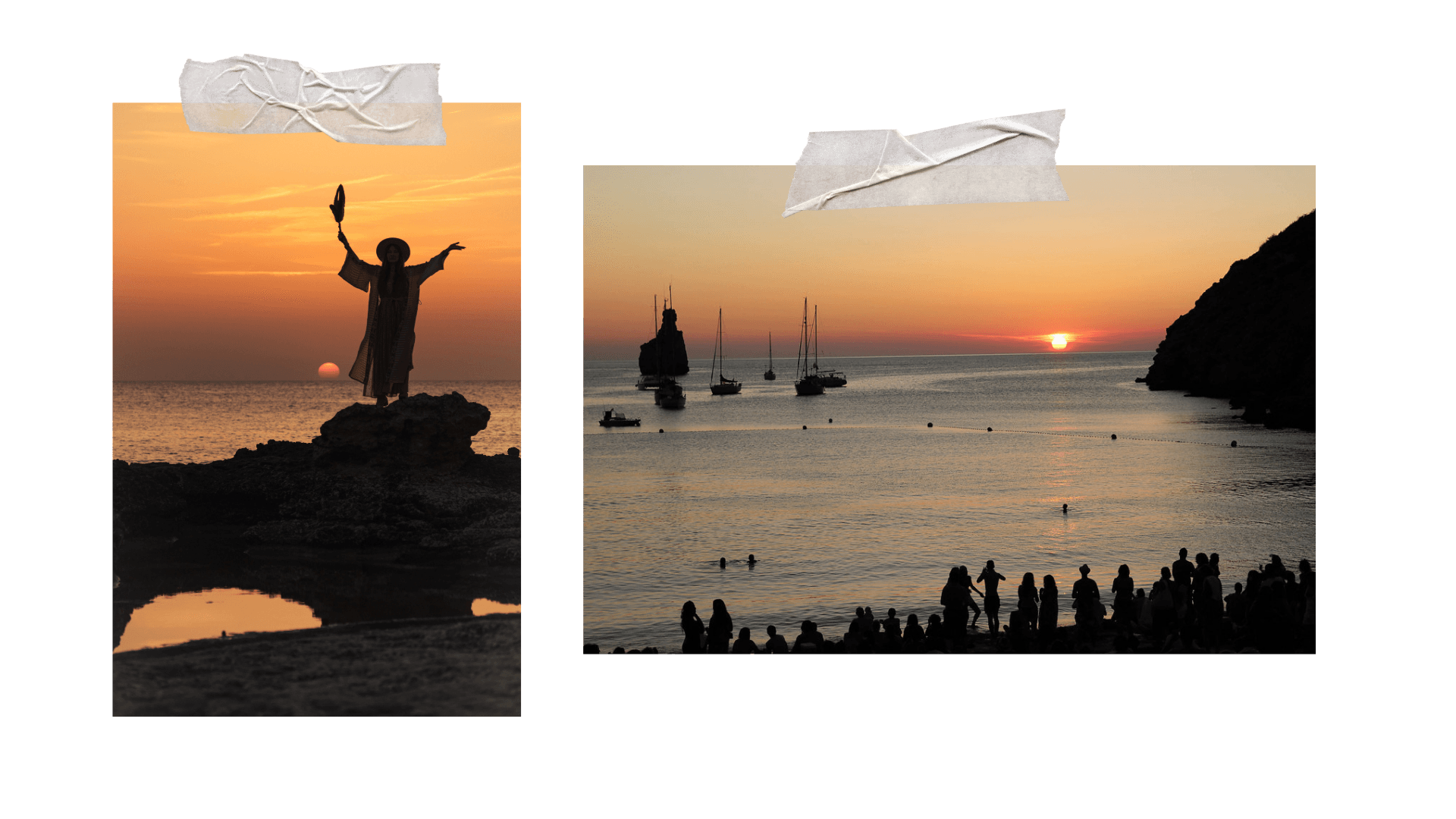
No stranger to spectacular sunsets, Ibiza’s location at the very end of the eclipse path ups the ante further on 12 August. A partial eclipse begins at 19:39 and ends completely at 20:53 – just minutes before sunset – with Ibiza’s most famous spots for sundowners, including Cala Comte or the Cala d’Hort viewpoint overlooking Es Vedra, on its western shores sure to be lined with those awaiting a sunset with a difference.
Hiring a yacht or hopping on a boat tour heading west from the port at the Old Town or San Antonio removes all risk of impeded views as the corona surrounds the low-lying sun. Elsewhere, among a broad sweep of refined retreats, guided hikes and hosted astronomical experiences offered across the island, Six Senses Ibiza’s Cosmic Alignment Eclipse Week sets the tone, promising history-meets-high-vibration wellness across a four-day retreat of transformative rituals, workshops and mindfulness.