Family dysfunction always finds a way to surface: a holiday that dredges up years of buried resentment, parents whose unconventional child-rearing ideas cause equally unconventional dynamics later down the line, or those celebratory dinners where one relative is always determined to make everyone else as miserable as they are.
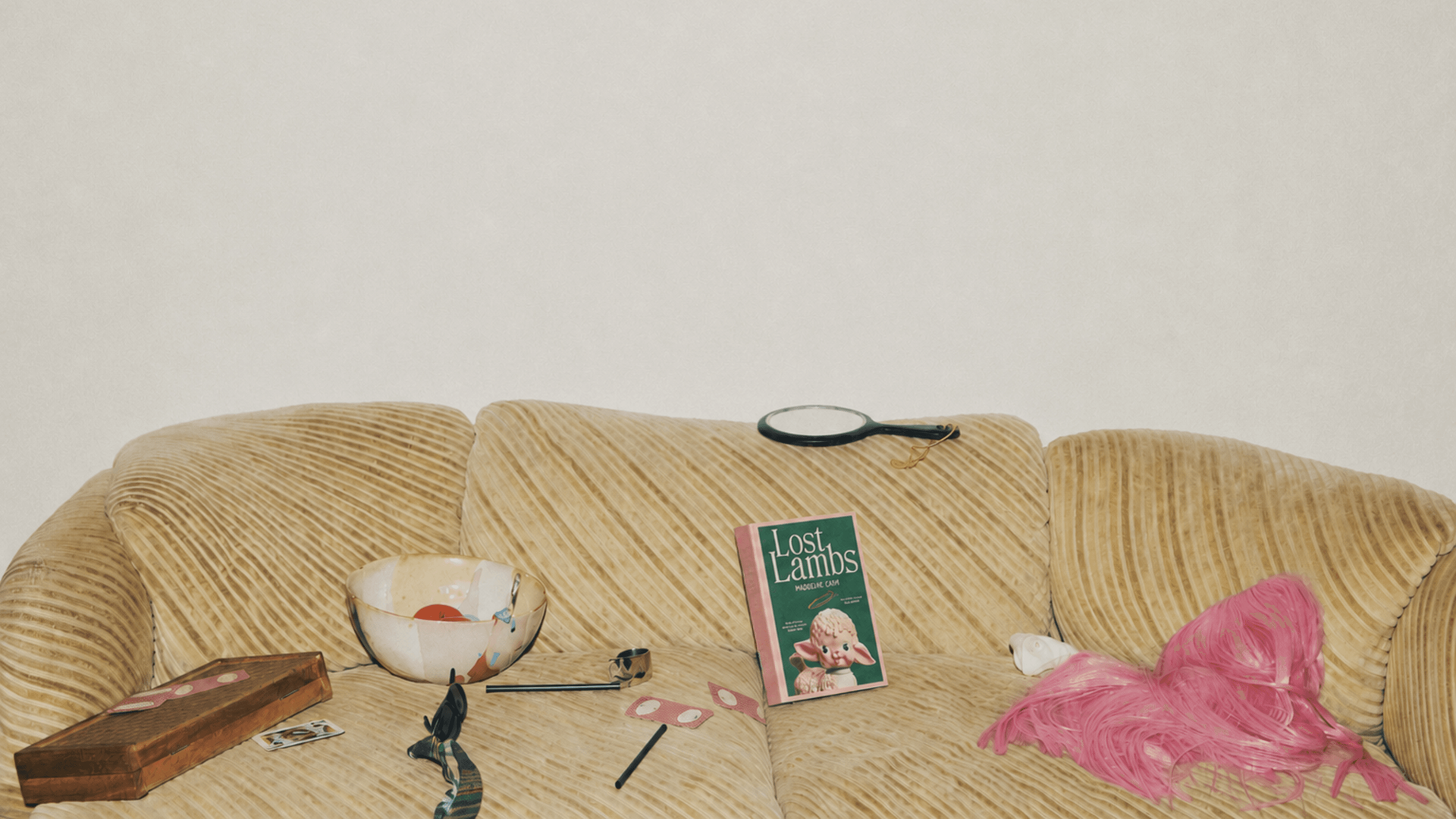
If this sounds anything like your own family, you’ll understand. If not, then you might want to pick up Lost Lambs by Madeline Cash (Dua’s Monthly Read for August). Its central family, the Flynns are a veritable crash course in dysfunctional dynamics.
Whether you’re looking for a hard relate or feel compelled to dive more into the complexities of familial life, here are seven more books to read once you’ve put down Lost Lambs – in which the families in question seem to explore every possible route of self-exploration. Aside from therapy, that is.
Eurotrash by Christian Kracht, translated by Daniel Bowles
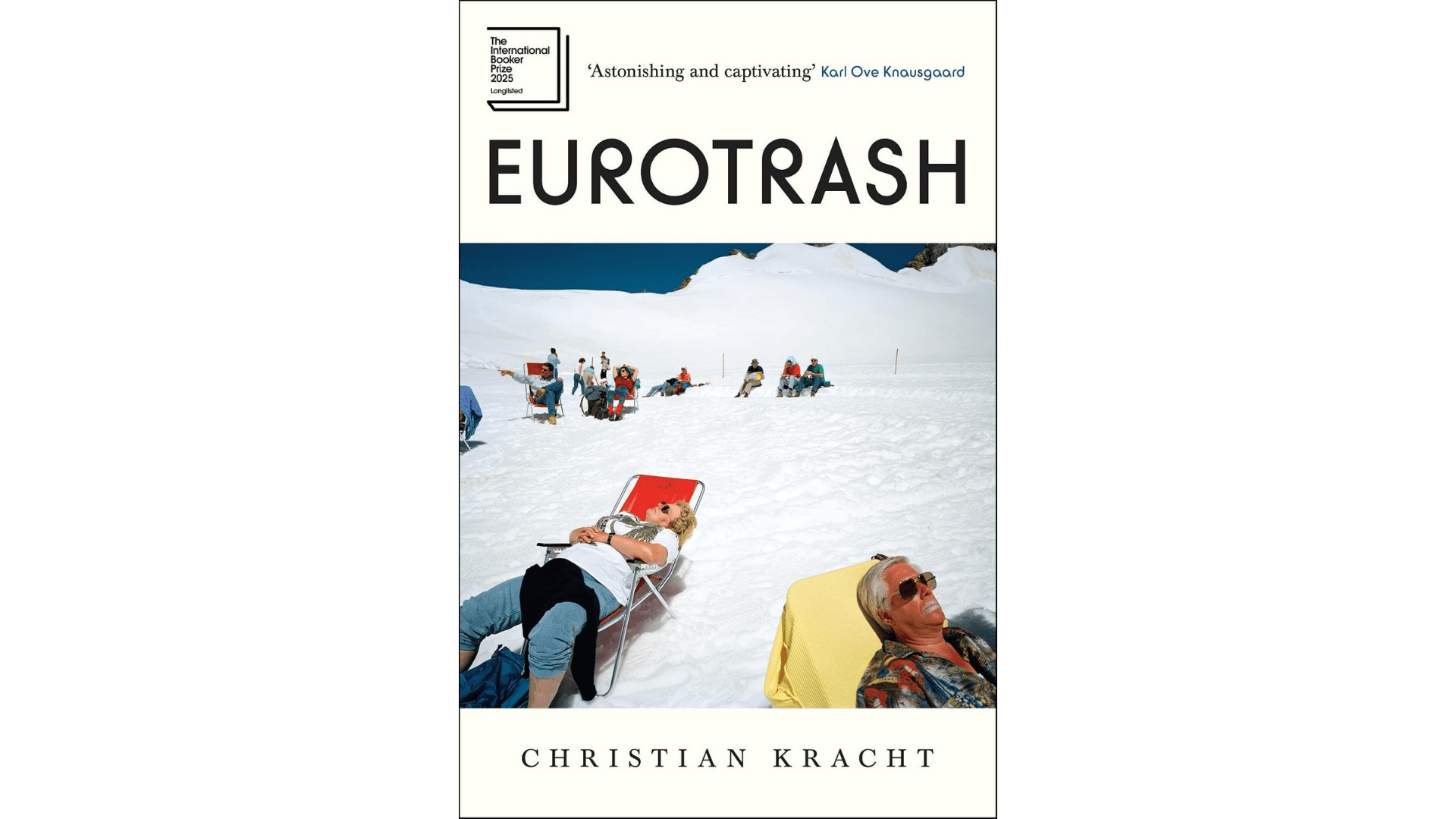
A dark tragicomedy with whip-smart dialogue, Eurotrash is Christian Kracht’s great work of autofiction. Having discovered that much of their family fortune was built on the legacy of warmongering Nazi ancestors, Christian and his eccentric mother set off on a road trip to squander their inherited wealth – with absurd results. Beneath the self-deprecating, metafictional playfulness (“Who’d be interested in that? A story where absolutely nothing happens, except that an old woman occasionally argues with her son.”) lies a surprisingly tender portrait of a fraught mother-son relationship, proving that even the most dysfunctional families can be bound together by a riotous road trip.
Sisters In Yellow by Meiko Kawakami, translated by Laurel Taylor and Hitomi Yoshio
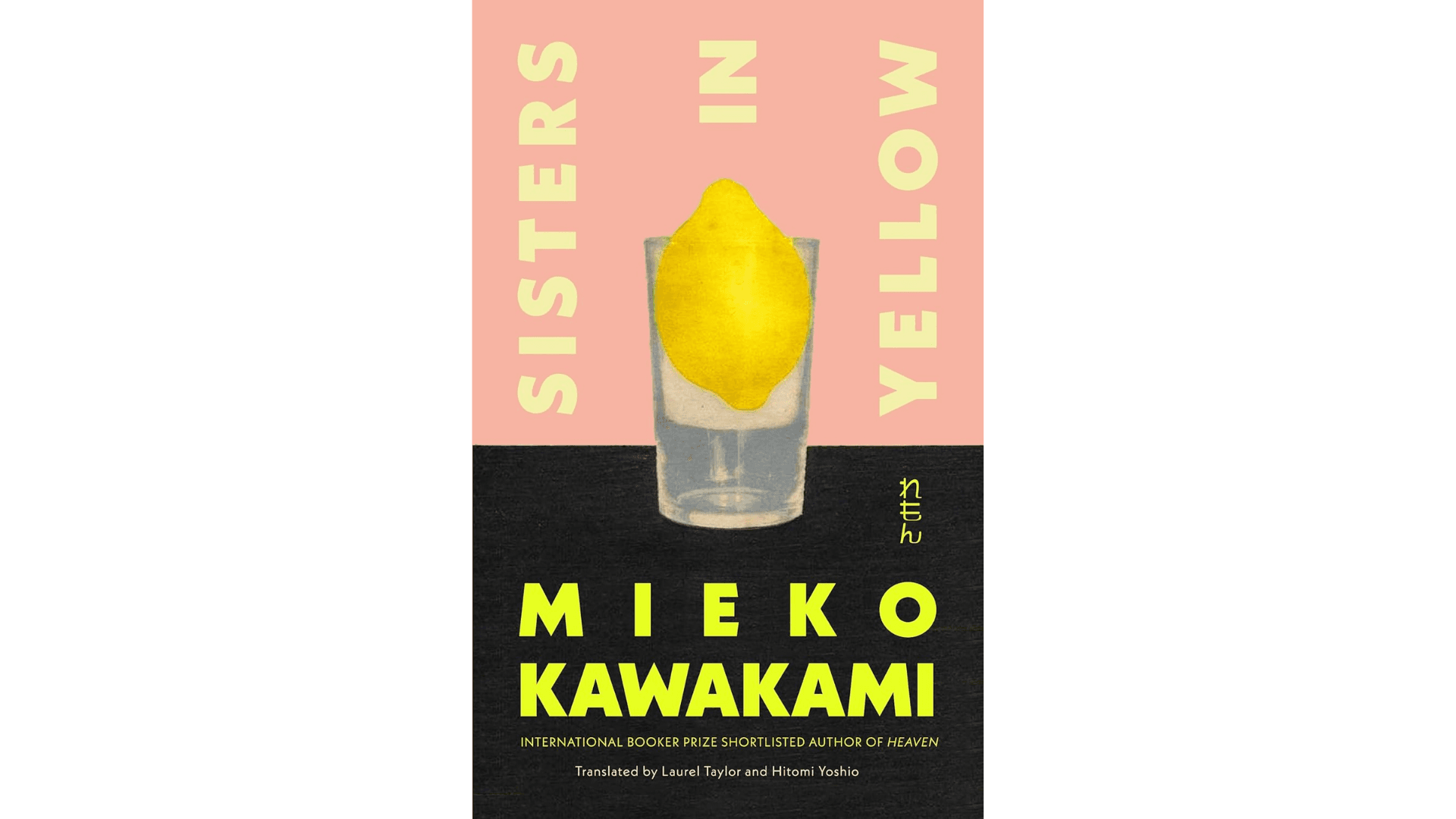
Growing up without a father, and with an emotionally distant mother, Hana seeks out the parental figure she’s always wanted in the enigmatic Kimiko. Joined by two other women, they open a bar called Lemon and carve out a fragile life for themselves on the margins of Tokyo, navigating predators, criminals and a cruel world that offers them little protection. Written in an atmospheric, noir-like style, this is a gripping novel of the family we chose, the Tokyo street matriarchy, and the dysfunctional bonds between women determined to survive.
The Bee Sting by Paul Murray
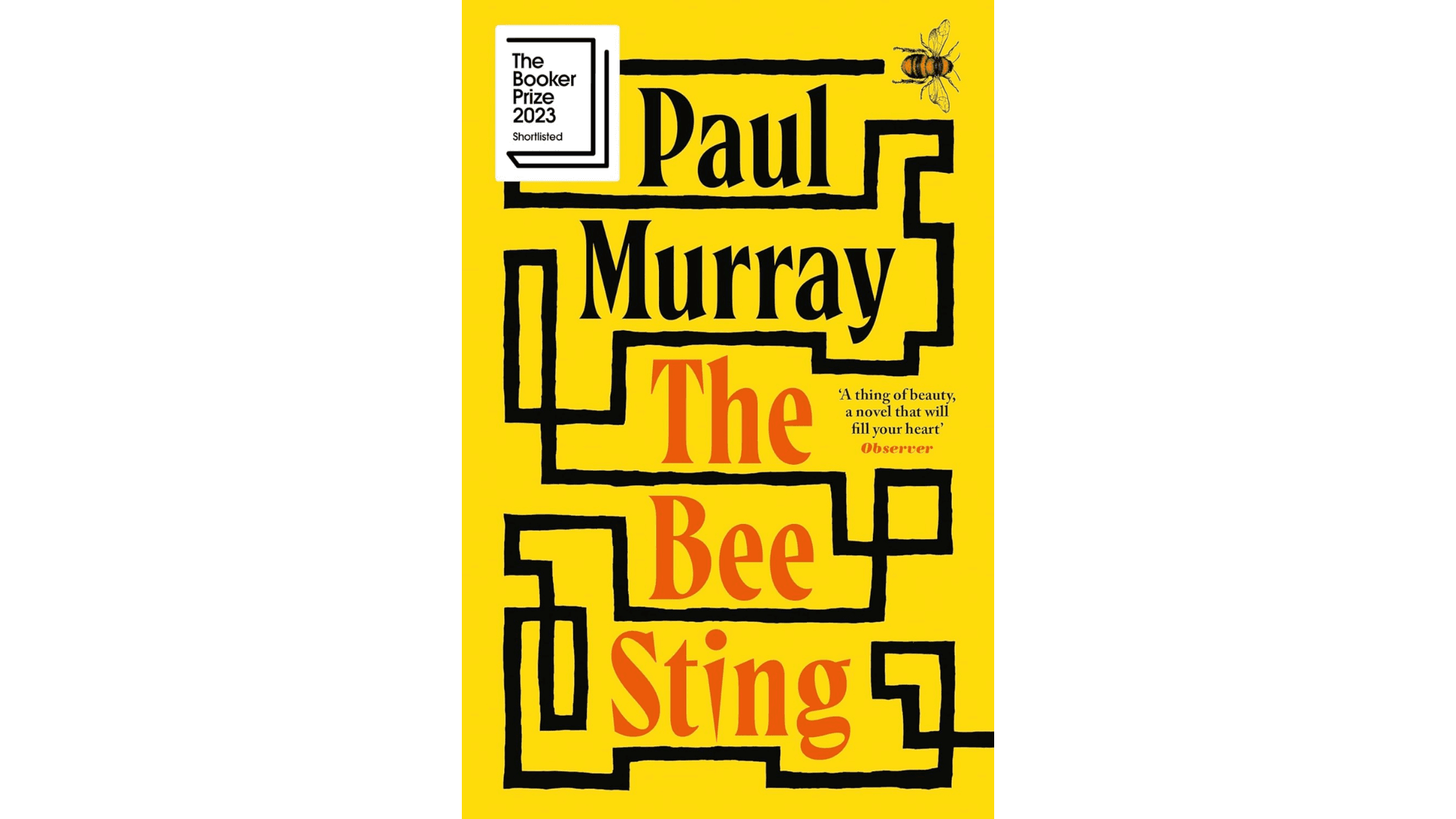
Paul Murray’s caustic chronicle of one Irish family with a secret is told by four narrators: Cass, a teenage schoolgirl with dreams; PJ, on the cusp of adolescence, naive, yet ruled by the internet; Imelda, the beautiful matriarch, neurotic and secretive; and Dickie, the unfulfilled patriarch. It’s an epic saga of the slow erosion of a family – you can catch up on Dua’s conversation with Paul about the book here.
We Are All Completely Beside Ourselves by Karen Joy Fowler
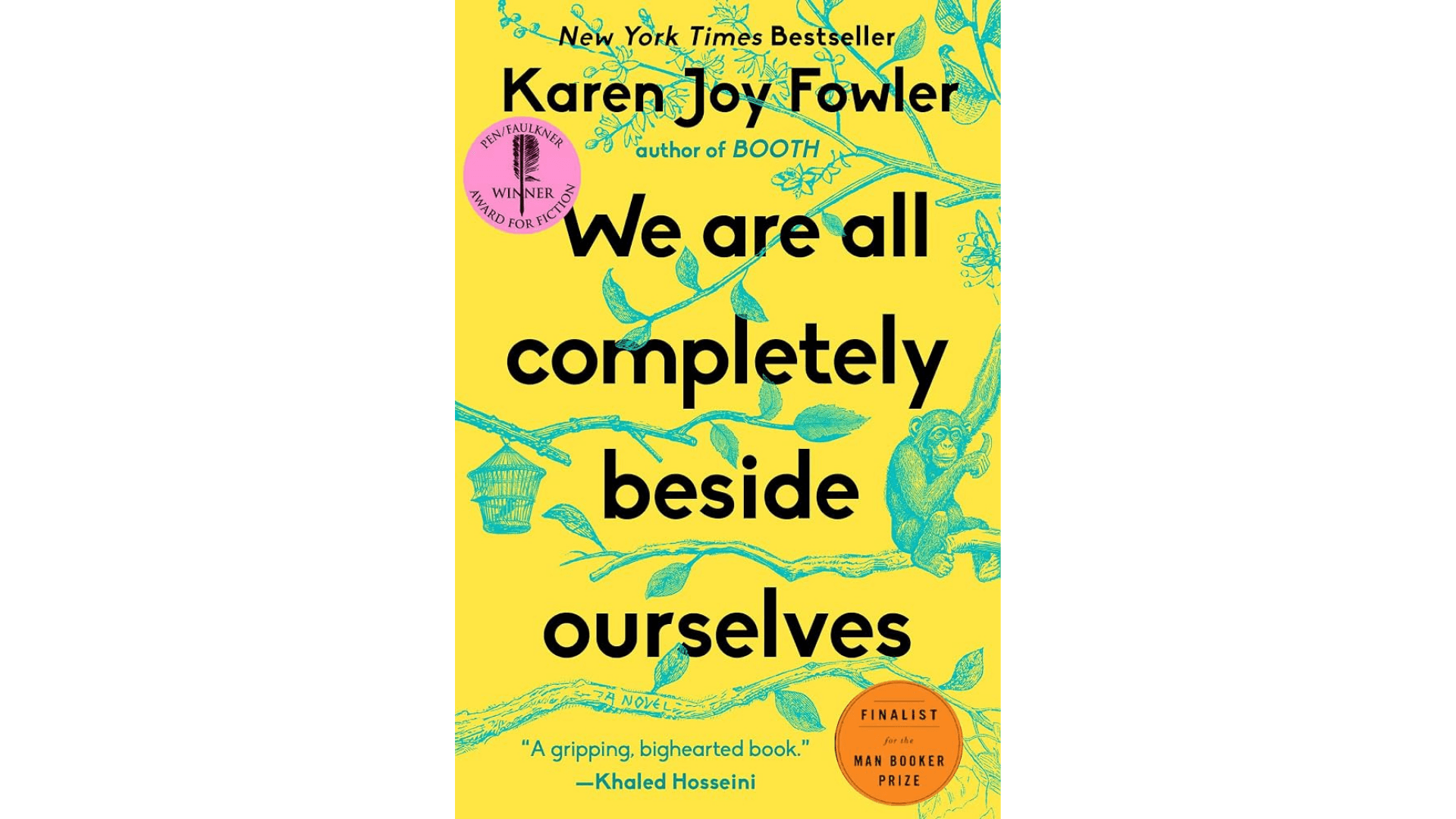
At first glance, Rosemary’s childhood, raised by parents who are professors of behavioural psychology, seems a little unconventional. But when she is five years old, she comes home one day to find that her sister, Fern, is gone. As Rosemary becomes a young adult, she is forced to consider what happened that day, why her brother eventually left, too, and her upbringing in its entirety. A twisty tale about familial abandonment, morality and the lengths we go to for our loved ones. It’s hard to give away any more without spoiling the jaw-dropper of a twist, but by the final page you’ll be thanking your lucky stars that your family isn’t as complicated as Rosemary’s.
All Families Are Psychotic by Douglas Coupland
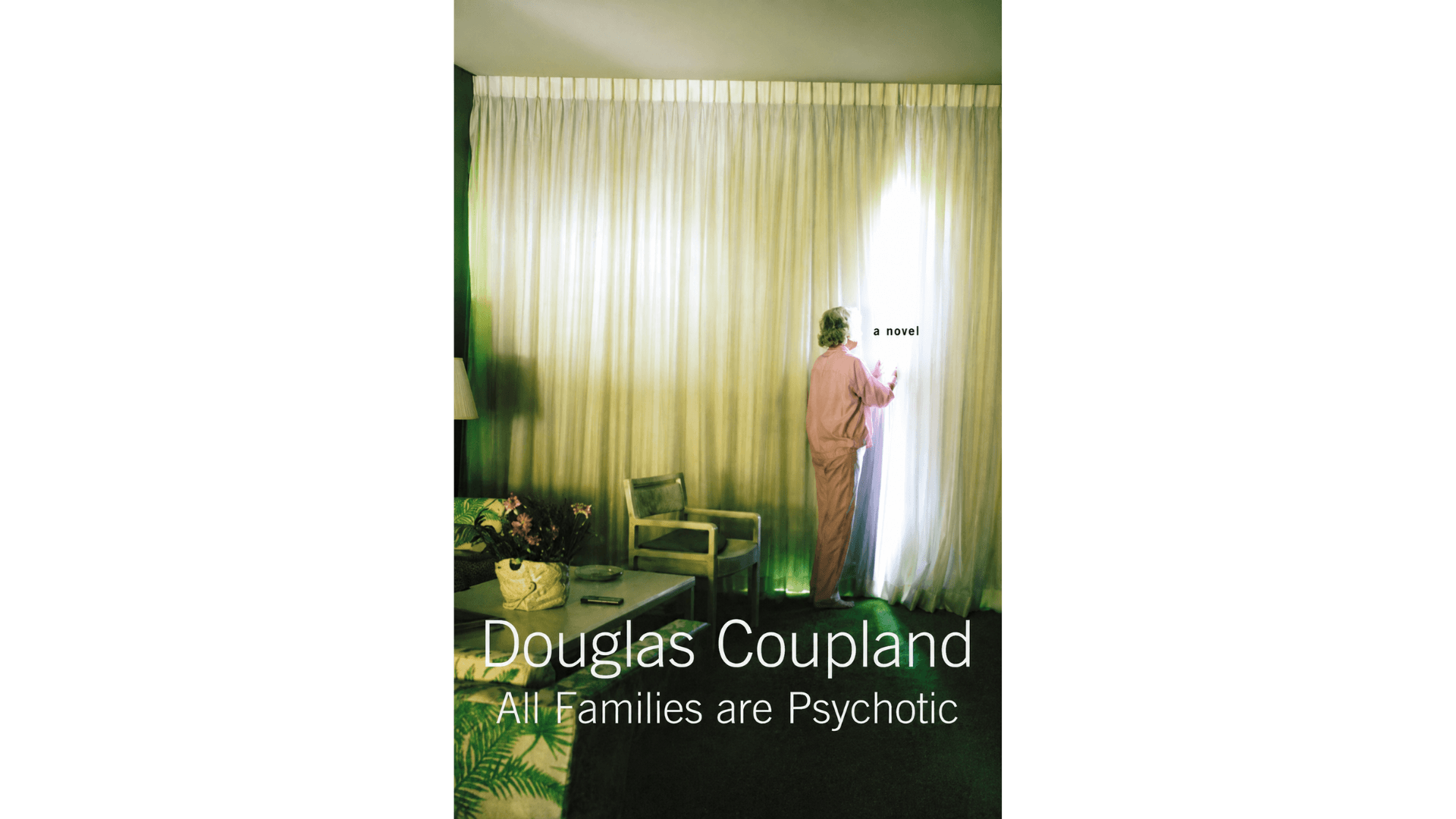
The title is on the nose, and Douglas Coupland makes a compelling case. The Drummond family have gathered near Cape Canaveral, Florida, to see daughter Sara embark on a space mission. Celebration quickly turns to chaos. This is as disastrous as family reunions get, involving kidnapping, accidental shootings, drugs, Aids, divorce and long-buried emotional baggage. It’s also a hilarious family farce with surprisingly tender moments, where love, madness and humanity play off against one another in an outrageously cartoonish ride that charts one, admittedly, very psychotic family.
The Family by Sara Mesa, translated by Katie Whittemore
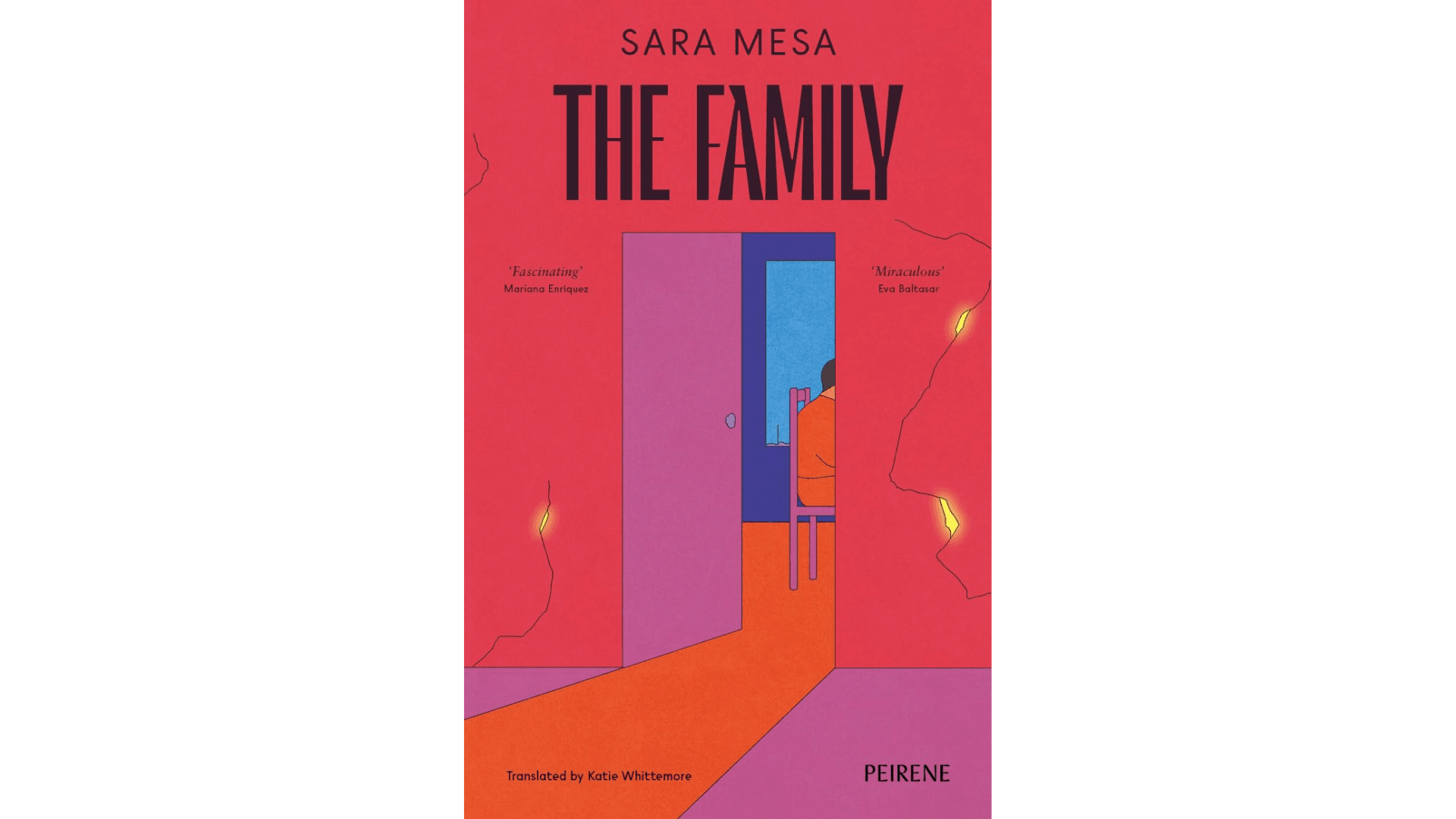
La Familia, now translated into English by Katie Whittemore, follows a family in which patriarch Damian declares there are “no secrets”. It quickly becomes apparent this couldn’t be further from the truth. While Damian rants and raves on morality and Gandhi’s teachings, his wife and four children cower in corners. Told in a chorus of interlinked stories over decades, Sara Mesa’s novel interrogates the very core of domestic structures, the accompanying secrets and complicated authority, as well the lies families tell to survive.
Concerning My Daughter by Kim Hye-jin, translated by Jamie Chang
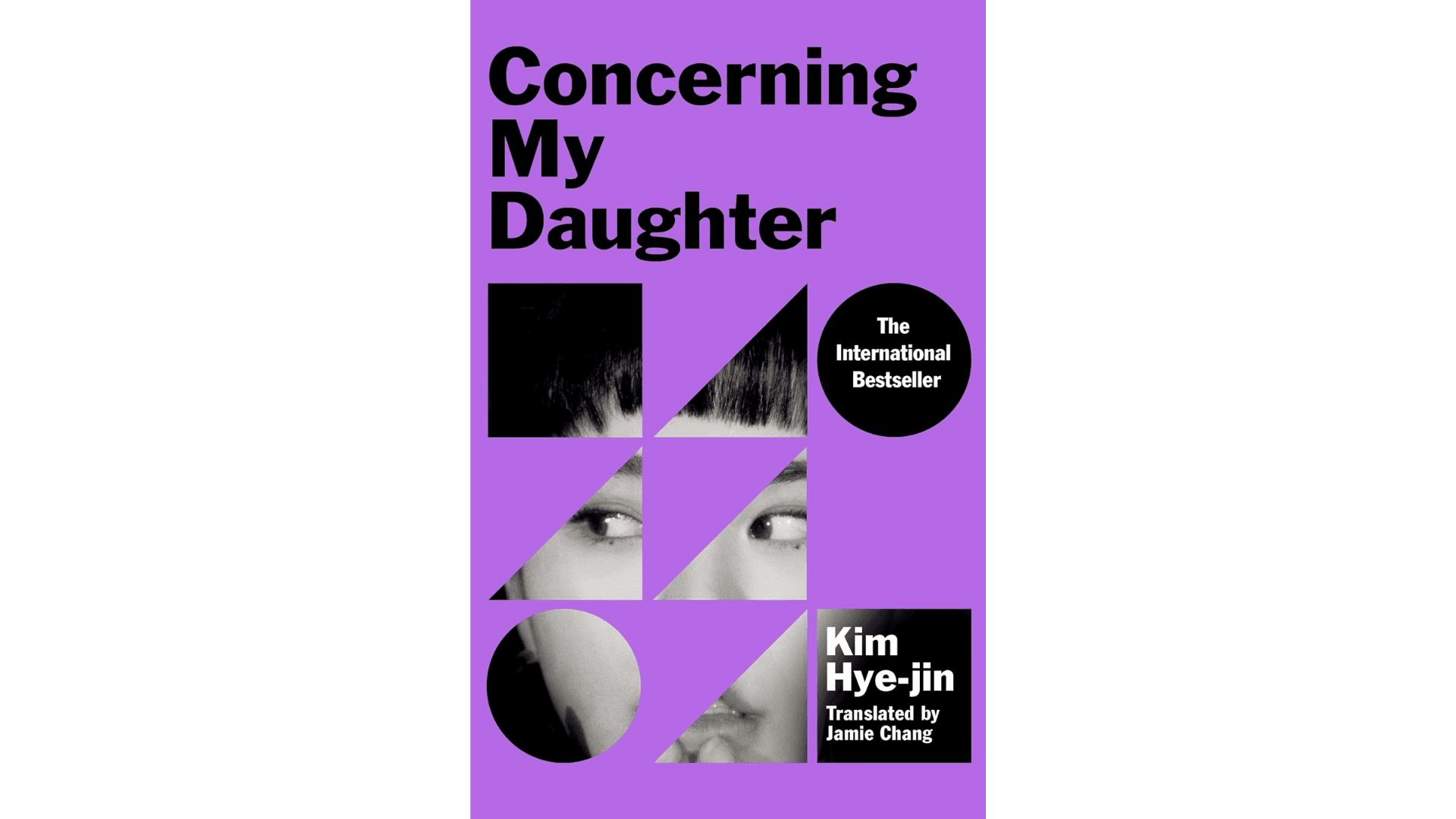
When thirtysomething Green turns up at her mother’s door, she agrees to let her move back in. Accepting Green’s partner, Lane, proves far more difficult, forcing the mother to confront her own prejudices as she grapples to understand why her daughter rejected a home, husband and children in favour of an openly queer life. Compassionate and devastating, Concerning My Daughter imagines the perspective of the author’s own mother, using the mother-daughter bond to explore intergenerational acceptance.
There’s More – Delve Deeper Into Lost Lambs With The Service95 Book Club...
WATCH Dua’s interview with its author Madeline Cash
LISTEN to a soundtrack from Madeline Cash that follows the book's twists and turns
DISCOVER the books that inspired and informed the writing of Lost Lambs
EXPLORE a therapist's guide to Lost Lamb's complex central characters