“We’re reaching out because of our daughter... well, daughters. They could really use some help.”
This is a common intake message a therapist might receive. A parent calls on behalf of their child who is acting out or showing signs of trouble. Their focus becomes the child and getting them the help they need.
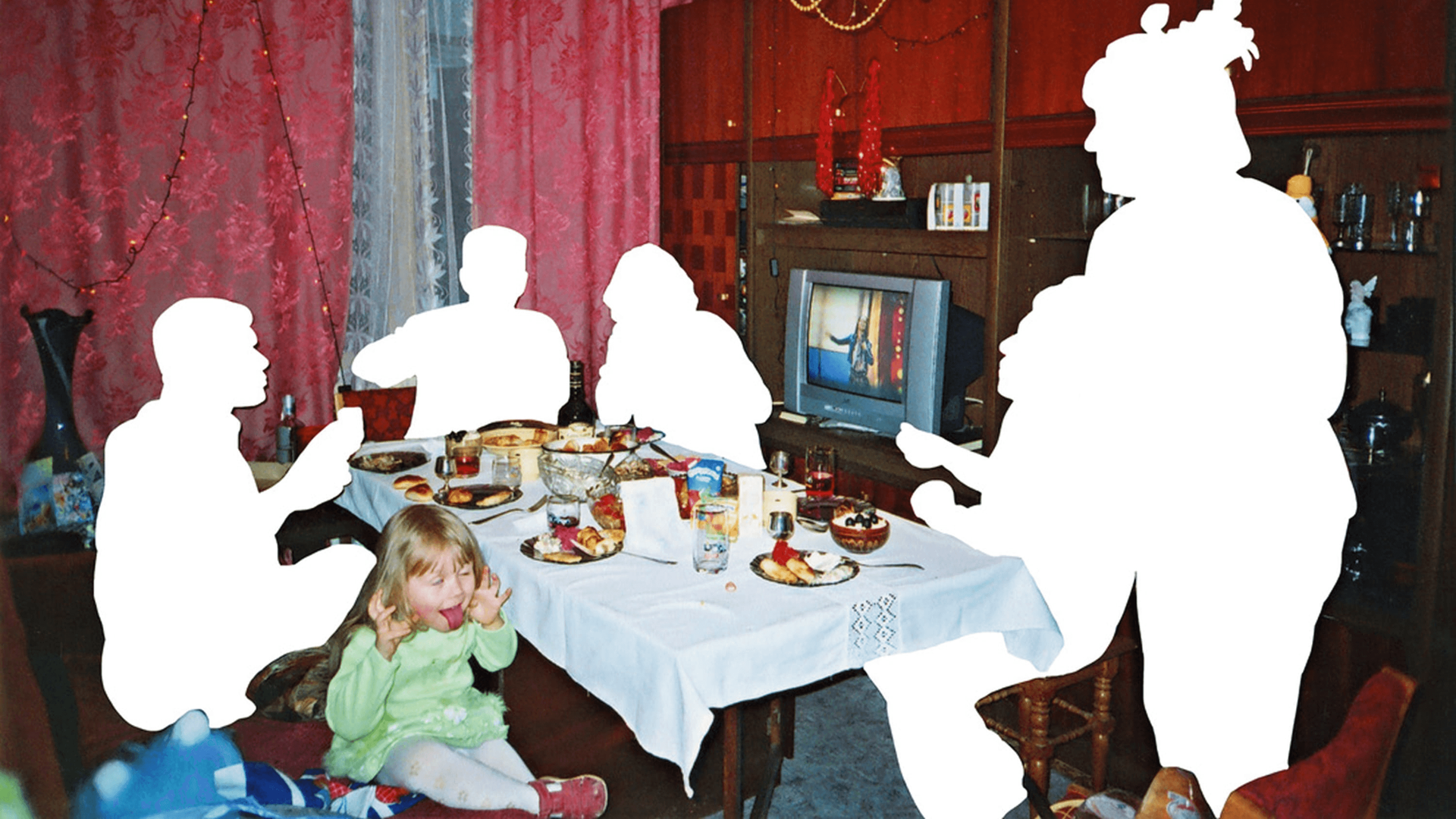
From the outside looking in, the parent is to be commended. They’ve noticed something happening in their child’s life, a change, and they’re doing something about it. But when you look more closely, much of the time the identified patient, the individual who the family sees as “the problem”, is actually expressing something the family isn’t able to articulate. Their symptoms tend to reveal distress that exists within the family system. And maybe even more specifically, brilliantly, albeit often unconsciously, the symptoms attempt to bring attention to that which is going ignored, avoided, or under acknowledged within the family.
As a family therapist, I never see individuals in isolation. One of the first things family therapy teaches us is that the person carrying the symptoms isn’t always the person carrying the problem. So even when only one person is in the therapy room, I become curious about their family system. Each person in the family has to be held and considered in that room even if they’re not physically present.
What is going on for them? How does their behaviour affect you, and yours them? What do you know about their past that offers context into why they might be doing what they’re doing today? And, in what ways is your behaviour a survival or protective strategy for you within the family or for the family itself?
Put bluntly, children often play out what the parents can’t or won’t address.
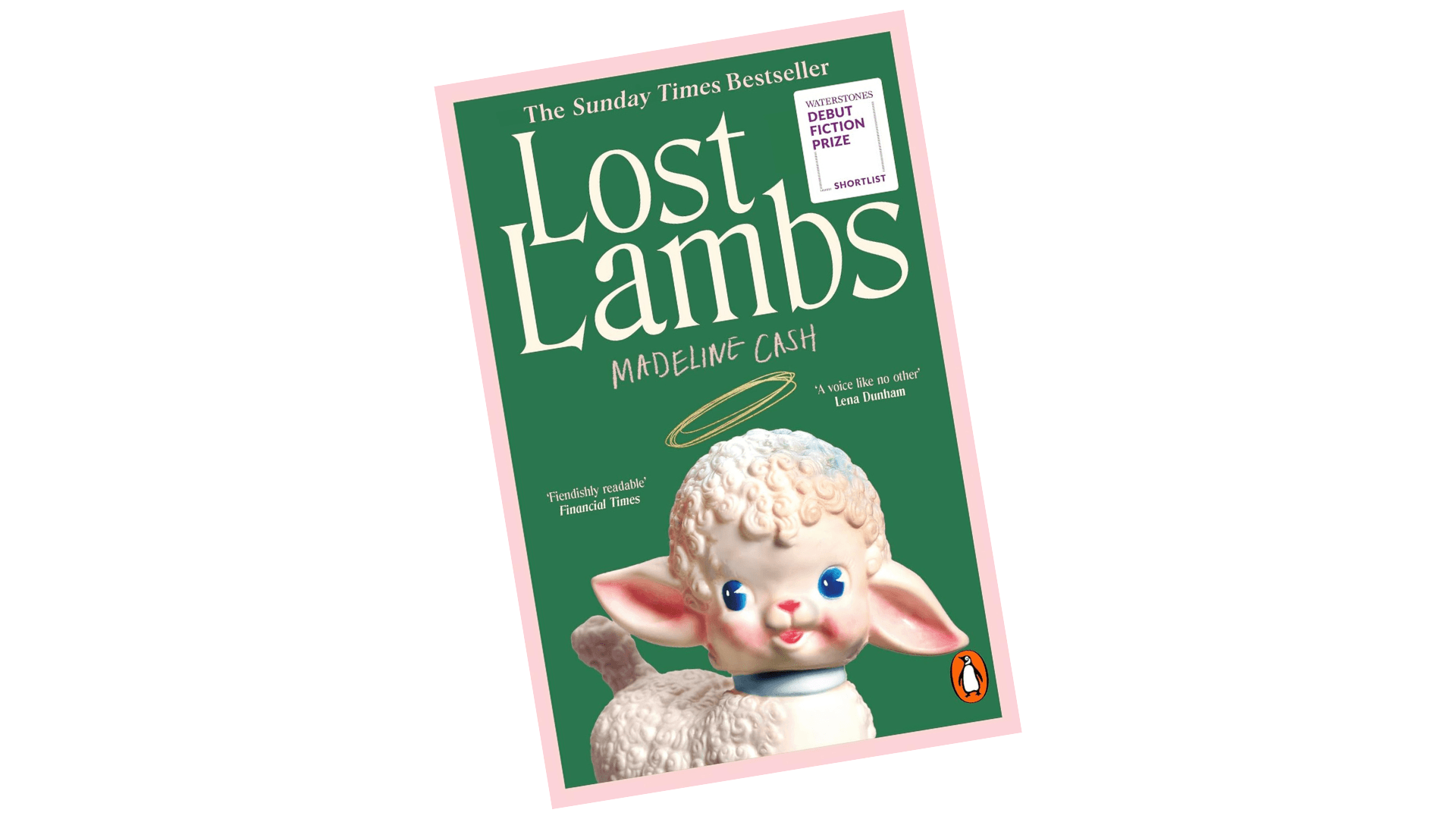
Madeline Cash’s Lost Lambs is a clever psychological read. On the surface, the novel is delightfully chaotic, offering the reader a world of extreme dysfunction. But amid the criminal conspiracy, not-so-agreed-upon-open-relationship, small town drama and gossip, is a family that so many readers can find themselves in. Your life or family may look nothing like that of the Flynn’s, but you may resonate with the experience of feeling unseen, feeling like your only value is your appearance, feeling underappreciated, or having the most obvious dysfunction in your family go unspoken about for years or decades.
Here’s what I’d say if the Flynns came through my practice doors.
On Bud, The Father
If Bud was sitting in front of me with concerns about his daughters, I’d find a way to learn about his marriage, his upbringing and what his life at work is like. In one lane of his life, he presents as a passive man in his marriage, unwilling to truly confront what’s not working. He accommodates Catherine’s desire for an open marriage despite clearly not wanting it, allowing resentment to quietly build while never really seeing his wife. Yet in another lane of his life – his work – he’s willing to take action. He finally asks the difficult questions and isn’t afraid to confront them until he's threatened. That gap between the two Buds is the interesting part.
It left me wondering whether Bud’s passivity is less about an inability to speak up and more about a belief that speaking up won’t change anything. Many of us learn early that preserving relationships requires sacrificing ourselves. We become so practiced at adapting that we slowly lose sight of our own needs. Adaptation can be an incredibly effective survival strategy, but eventually we have to ask: adapt at what cost?
On Catherine, The Mother
Catherine, on the other hand struck me as someone who’s still trying to understand herself. She gravitates towards whoever makes her feel seen and understood but, without a stable sense of self, that feeling never lasts. Jim “gets” her until he doesn’t. And although her relationship with Remy excites her, I found myself wondering whether that, too, would eventually stop filling the void she hopes it will.
Catherine repeatedly struggles to find something meaningful about herself beyond her beauty. When Bud begins developing feelings for Ms Winkle, Catherine’s attention immediately shifts to comparing their appearances, revealing how little she feels she brings to the table. To not know yourself and your value beyond one narrow aspect of yourself isn’t just a problem for you, it’s a problem for those who want to be known by you. Maybe you’ve heard it before: we can only see others to the depth that we’re able and willing to see ourselves. Catherine struggles to see her daughters not because she doesn’t love them, but because she’s still searching for herself. There’s no shame in that search, but children are inevitably shaped by the emotional journeys their parents are still navigating.
On Abigail, The Eldest Daughter
Each Flynn daughter has adapted differently to that environment, and each adaptation serves a function.
As the beautiful daughter, Abigail discovers she can command a room simply by walking into it and, over time, she begins organising her identity around that attention. But attention and worth aren’t the same thing. I found myself wondering what Abigail believes she has to offer outside of her appearance (similar to her mother). When one part of us is consistently rewarded, it’s easy to believe it’s the only valuable part of who we are. That’s fertile ground for what I call a ’worthiness origin wound’, where our value becomes contingent on what we can offer rather than who we are.
On Louise, The Middle Child
Louise, to me, is the invisible child. Early in the novel, I noticed how little I knew about her, and I think Cash does that intentionally. Louise quietly fades into the background. At one point, she’s asked, “How long have you been standing there?” To which she responds: “Fifteen years. That’s how long.” This heartbreaking line captures an entire childhood of feeling unseen.
I don’t think Louise begins communicating with Yourstruly because she’s looking for danger. I think she’s looking for connection, belonging and someone who finally notices she’s there. The tragedy isn’t simply that she longs to be seen, it’s that the first place she experiences that feeling is with someone who exploits it. Her willingness to follow increasingly dangerous requests tells me less about poor judgment and more about profound loneliness. If Louise were sitting in my office, I wouldn’t begin by talking about the bomb. I’d begin by asking her when she last felt deeply seen by someone who wanted nothing from her.
On Harper, The Youngest
Harper is brilliant beyond her years, endlessly curious and, as Madeline describes her, “mythically bored”. She’s also the one who notices. While everyone else is consumed by surviving their own emotional worlds, Harper is trying to understand the larger system they’re living inside. She’s the family’s observer. The one paying attention to what everyone else has learned to overlook.
In therapy, I wouldn’t want to diminish Harper’s curiosity. I’d want to help her find places where it could become a strength rather than an obsession. Exceptionally bright children don’t just need intellectual stimulation; they need adults who are curious about their emotional worlds, too.
Although each daughter adapts differently, I found myself returning to the same idea: each behaviour makes sense when you understand what it’s protecting. Abigail seeks value through attention. Louise seeks belonging through being noticed. Harper seeks safety through understanding. None of these adaptations emerge in isolation; they develop in relationship to the family system.
Lost Lambs reminds us all that with enough context, people make sense. The chaos on the surface is pointing to emotional needs trying to be met. The goal isn’t to excuse harmful behaviour or overlook the impact it has on others, but to become curious about the function the behaviours serve. That’s the shift family therapy invites us to make. Instead of asking What’s wrong with this person? we hold the above simple truth and ask What is your behaviour trying to communicate? In what ways are you trying to protect yourself or others? Maybe you, the reader, might ask yourself those questions, too.
How To Find Your Own Origin Wound
My clinical work explores the family systems we grow up in and the ’origin wounds’ that are often formed within them. These wounds shape how we come to understand ourselves and others, influencing how we seek love, worthiness and safety. In response, we develop adaptations that help us survive our earliest relationships. Without proper healing, those ways continue along with us into adulthood.
If you recognised yourself somewhere in the Flynn family, or simply notice any unwanted patterns in your current life, my What’s Your Origin Wound? quiz can help you understand the wound beneath the behaviour. Because the moment we understand why we do what we do, is the moment we can stop judging ourselves and start creating change.
The Origins Of You by Vienna Pharaon is out now. Find out more at viennapharaon.com
There’s More – Delve Deeper Into Lost Lambs With The Service95 Book Club...
WATCH Dua’s interview with its author Madeline Cash
LISTEN to a soundtrack from Madeline Cash that follows the book's twists and turns
DISCOVER the books that inspired and informed the writing of Lost Lambs
BOOKMARK a reading list defined by dysfunctional family dynamics