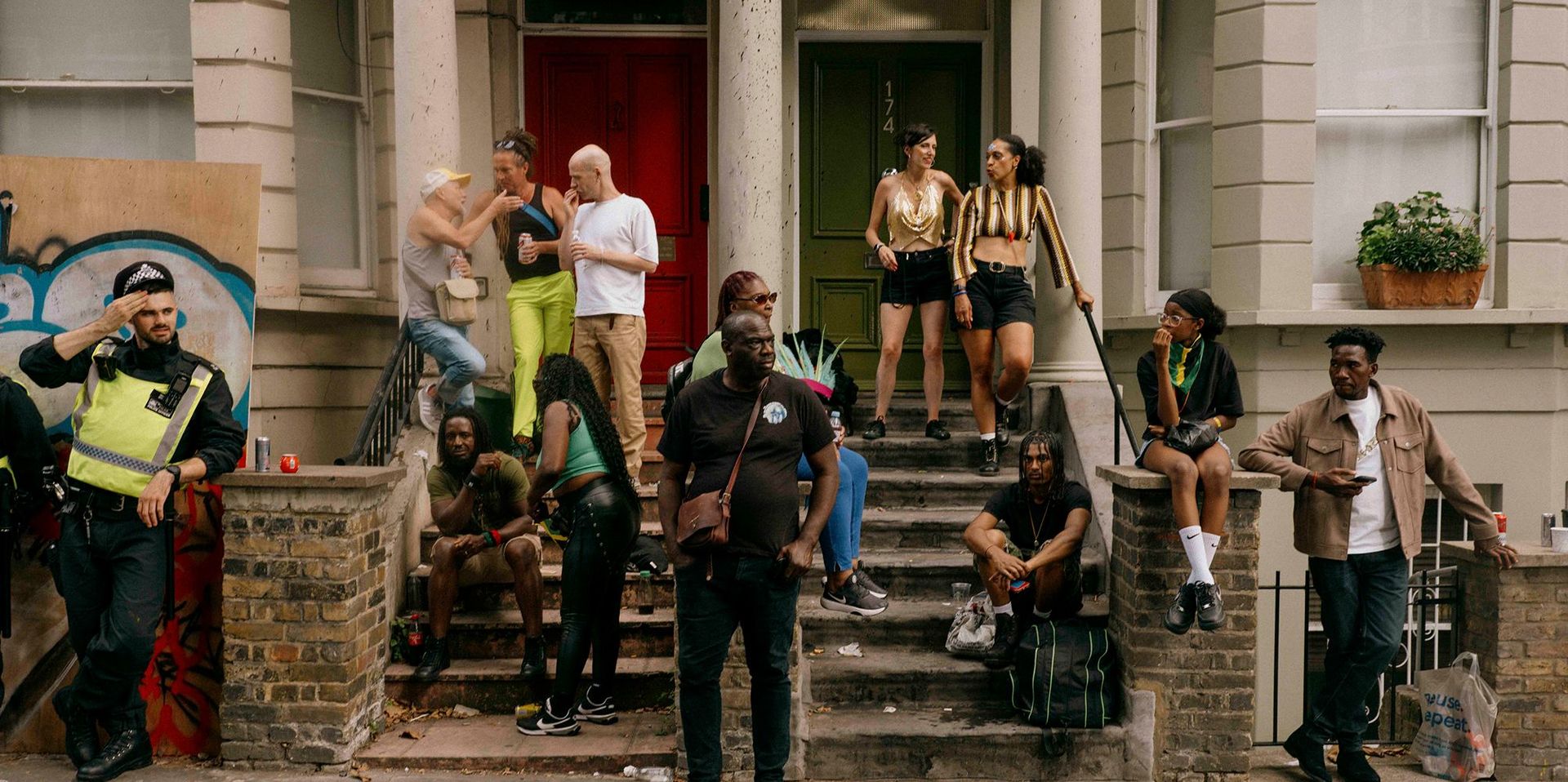
Last weekend, Notting Hill Carnival officially turned 60. Known today as a two-day celebration of Caribbean culture, it’s Europe’s largest street carnival. But its origins began long before that first gathering in 1966. Notting Hill was a working-class district in the 1950s and was home to one of Britain's largest Windrush generation Caribbean communities. In 1959, racial tensions in Notting Hill were high. Antiguan-born carpenter and lawyer-to-be Kelso Cochrane was 32 when he was killed in a racially motivated attack just off Golborne Road, along which the parade runs today. In response, Trinidadian human rights activist Claudia Jones put on an indoor Caribbean Carnival in London, featuring Trinidadian musician Russell Henderson – planting the seed for celebrations to come.
In 1966, the first outdoor festival in Notting Hill was started by local resident Rhaune Laslett, to bring communities in the area together. Russell Henderson and his steel band returned – and drew a crowd. The Carnival has attracted bigger crowds ever since. From the 1980s, developers reconverted Notting Hill's bedsits into single-family homes for young professionals, embodying a shift that sociologist Ruth Glass had termed “gentrification” in 1964 – displacing many of the Caribbean-origin families who'd defined the area. Even just for a weekend, Carnival reclaims that space; a reminder of the Caribbean communities that shaped its culture.
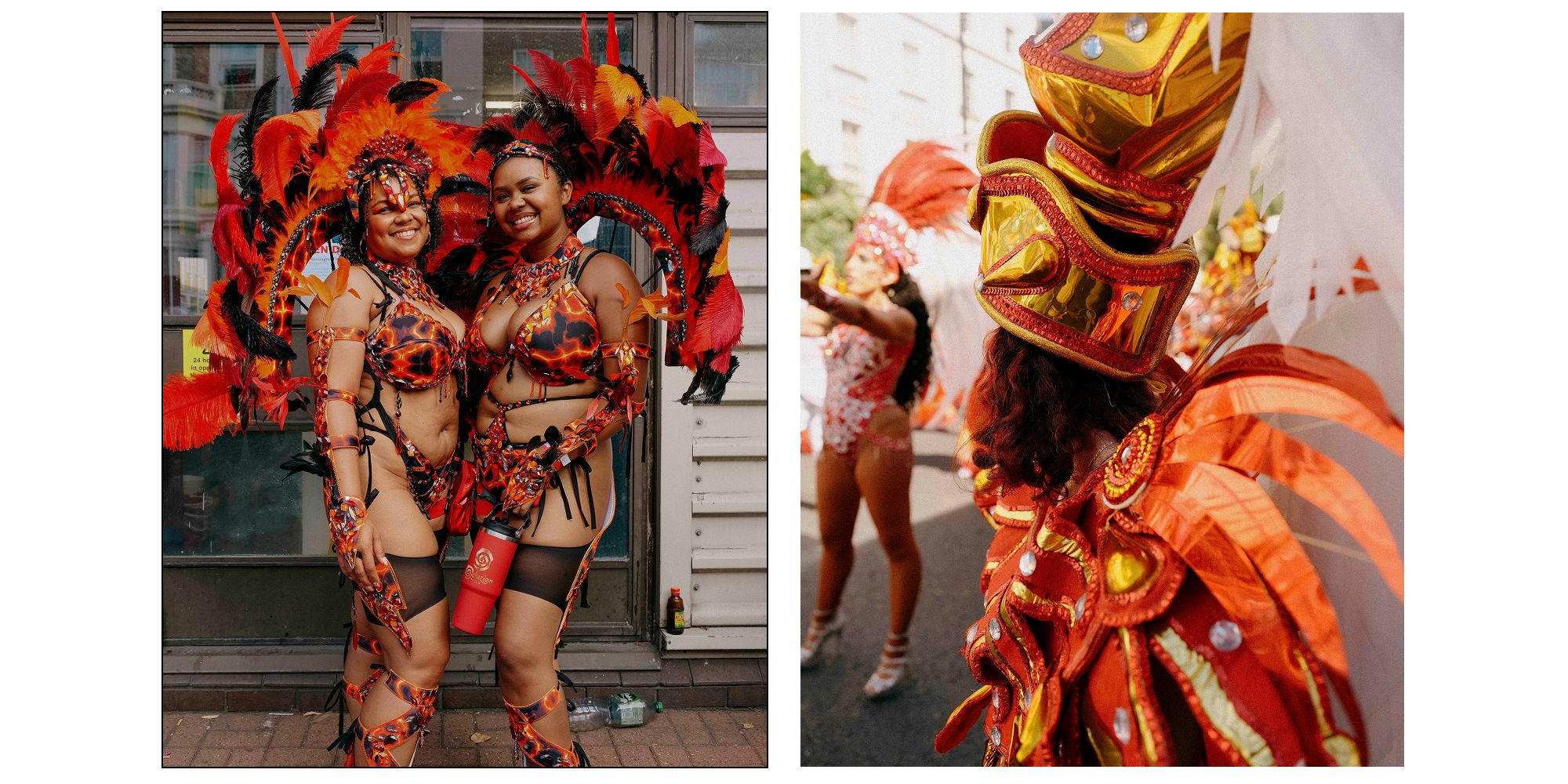
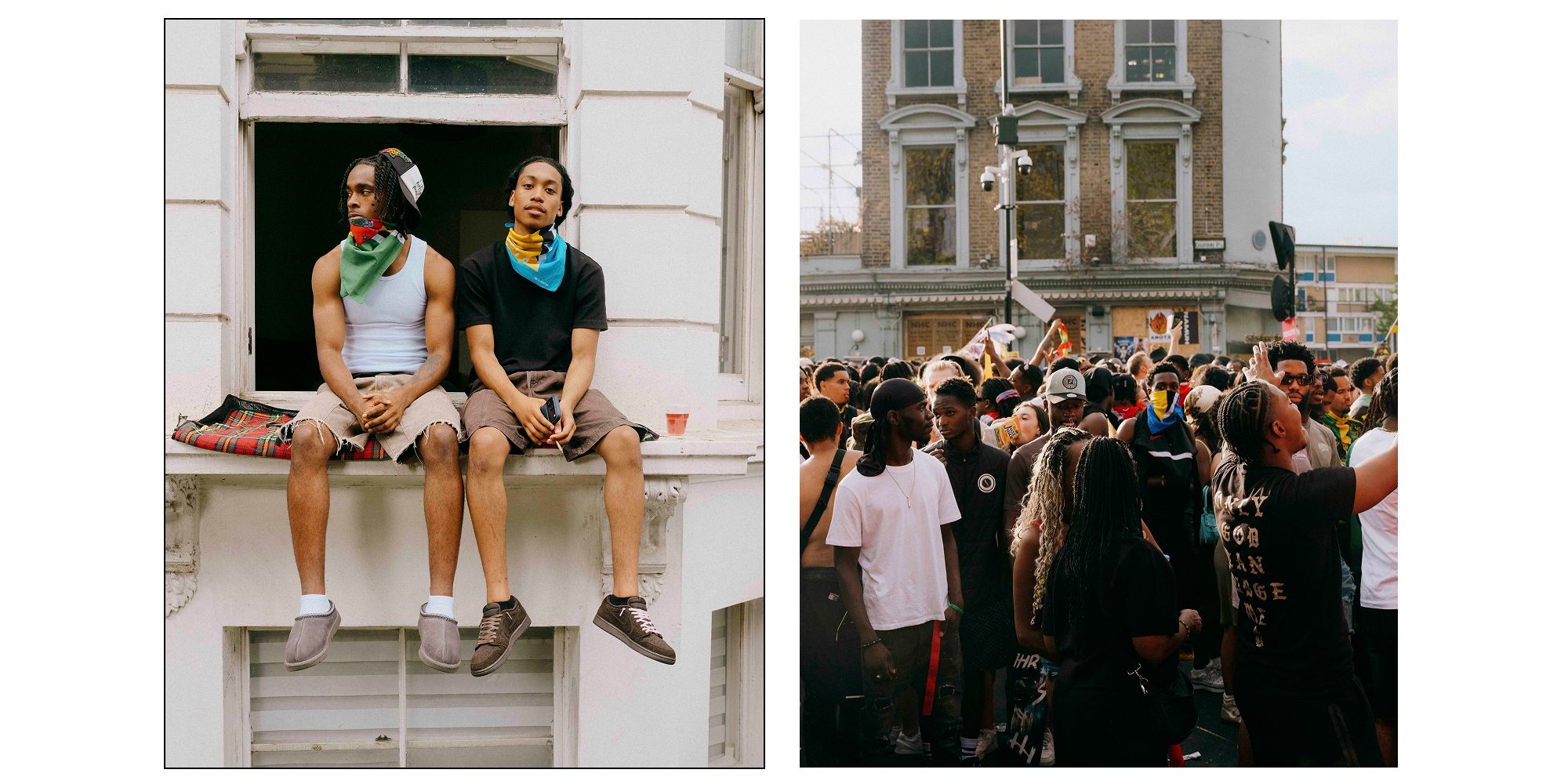
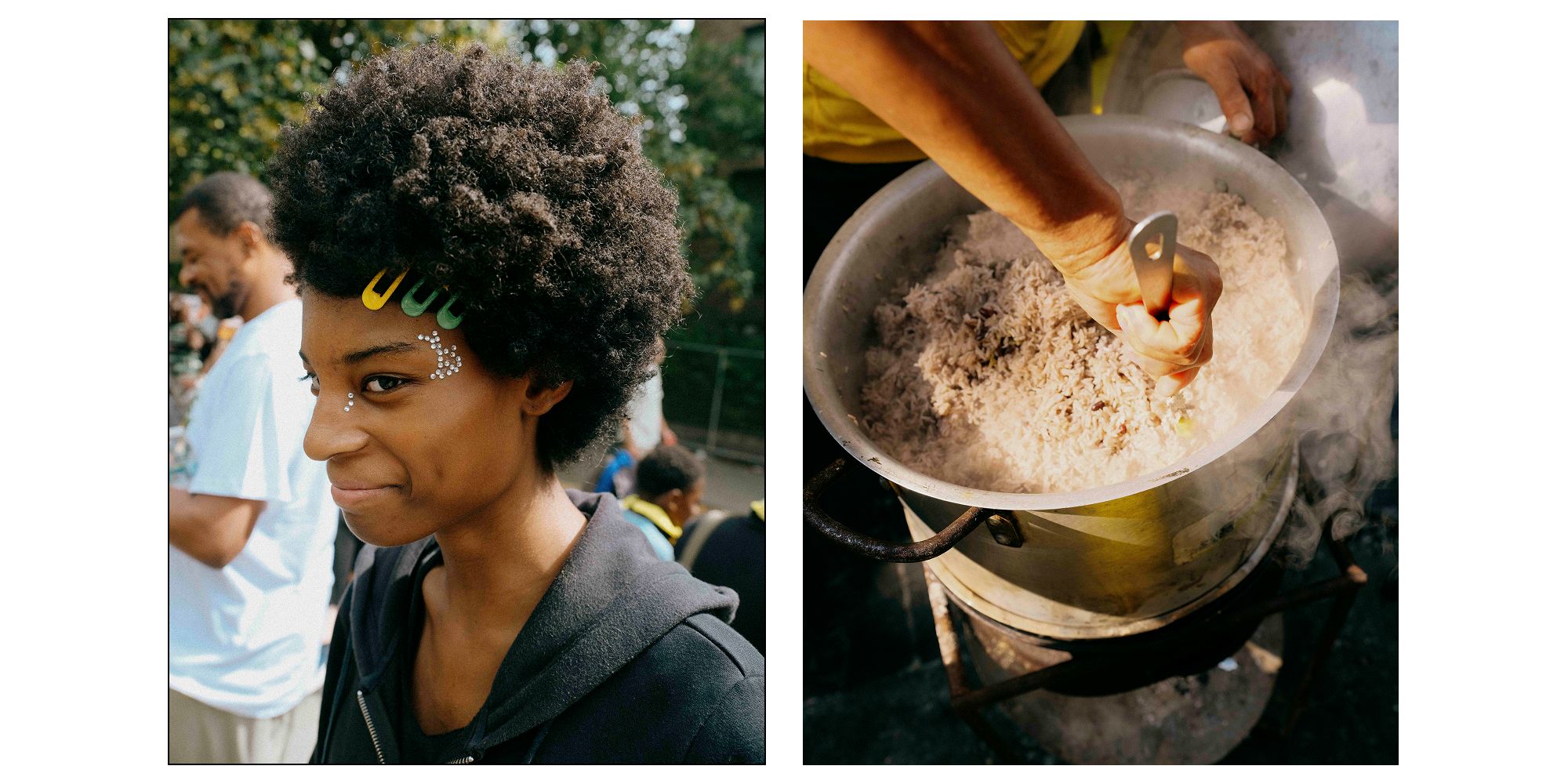
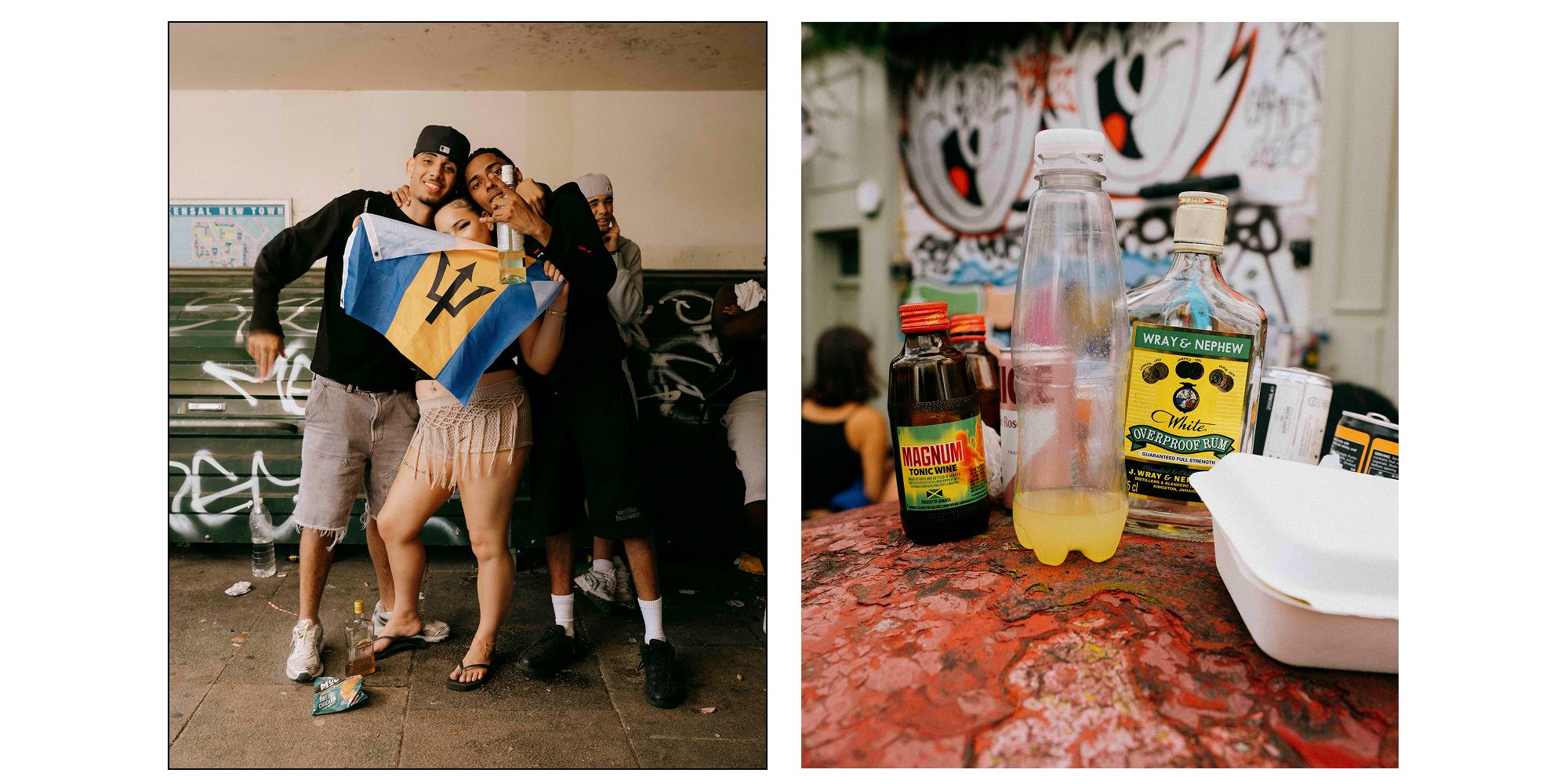
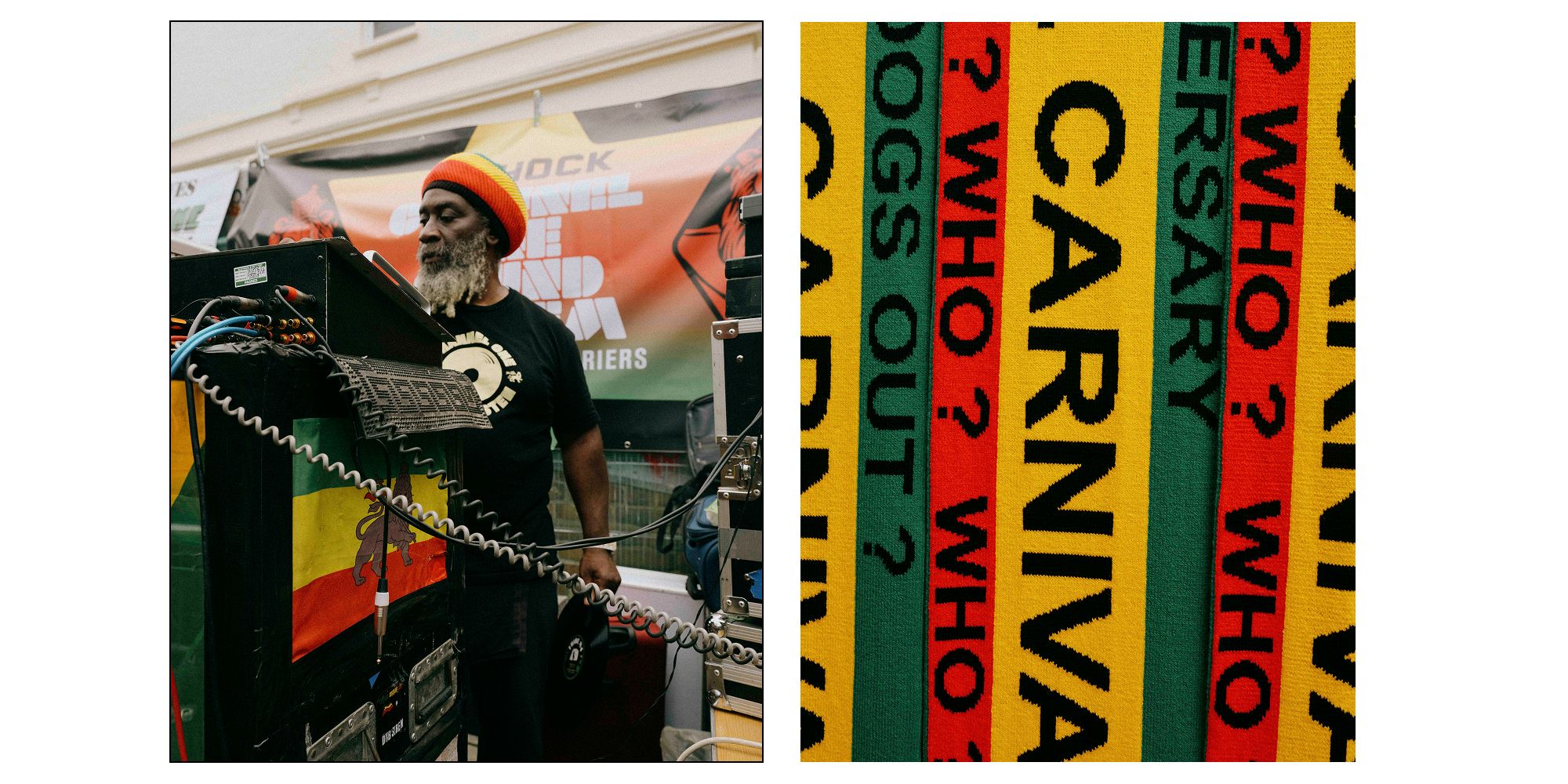
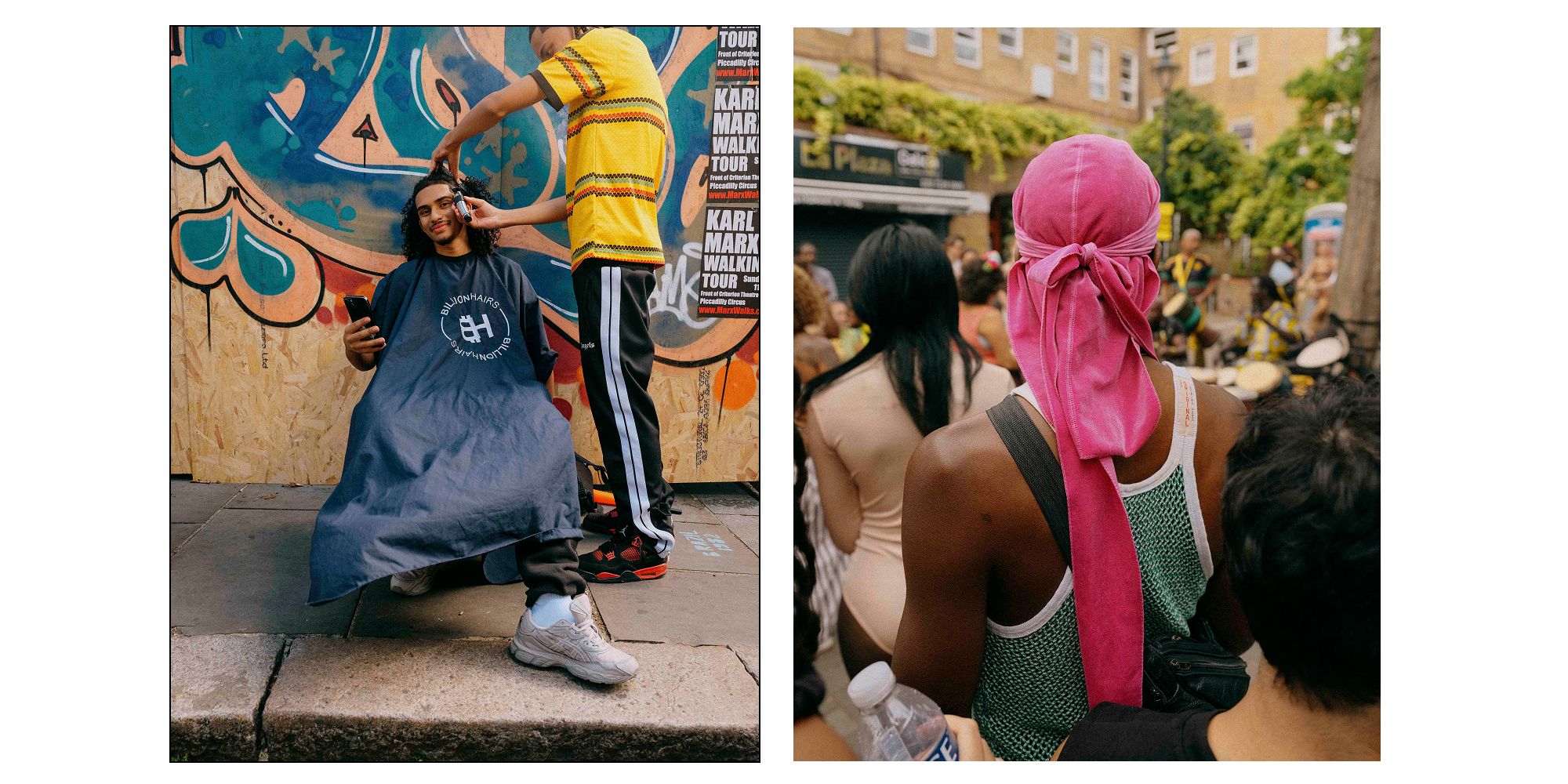
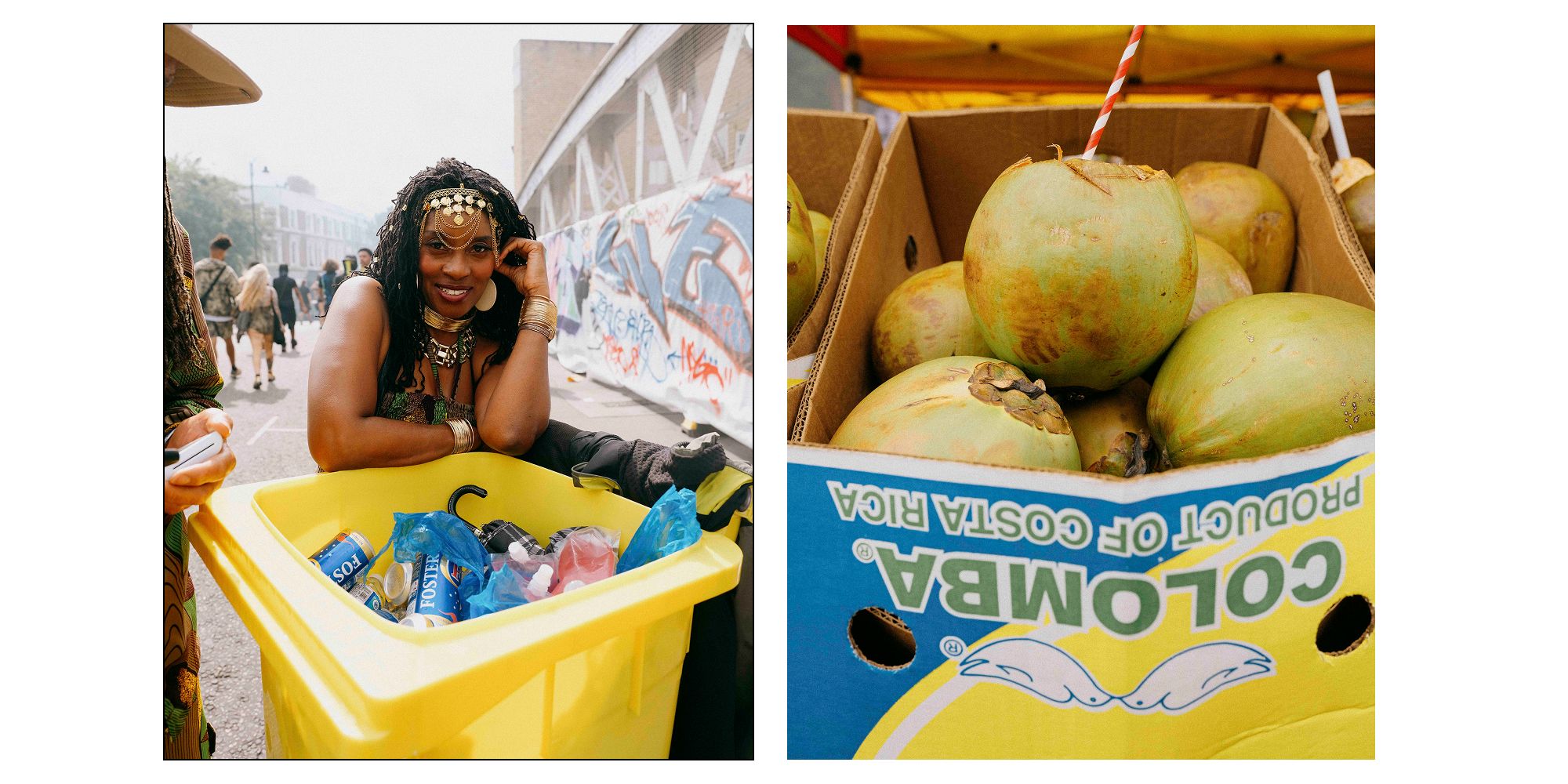
Here, photographer Ollie Tikare shares the parade through his lens: the people and moments that have made Notting Hill Carnival a space for recognition, community and endless celebration.
“Notting Hill Carnival remains my most treasured event out of all of London’s offerings, not simply because of the music and celebration of Afro-Caribbean culture, but because it brings people together from all creeds in ways few other events can. I like getting there early and soaking in the air of anticipation, the jubilant excitement you feel floating between the streets at 11am. It’s the one occasion in London where I feel fully in sync with the hundreds of thousands of others who call this place home.
“In the run-up to its 60th year I saw quite a lot of talk about the need to honour and respect the Carnival’s origins – its roots in protest and the Black struggle in this country. I’d like everyone to at least be aware that people had to fight for this thing and, in today’s Britain, that fight really is still ongoing.
“The joy it brings also continues. The weather looked ominous at times, but the Carnival gods prevailed. Not even the threat of rain can dampen the vibe. By 3pm on both days, the smell of jerk wafted through the air, friends danced in the sunshine and different generations were engaging with one another in ways you seldom see anywhere else. There is something for everyone here and, the more you see of it, the more that makes sense.
“Over the weekend, we made our way across the different sound systems, which you find throughout the parade route: Deviation, Gaz’s, Rampage Sound, Gladdy Wax, KCC and Aba-Shanti-I, as well as following the float for an hour on Monday. It didn’t really matter where we went – the smiles remained.”
Photography Assistant: Fraser Hanley-Nicholls