Manchester is London’s cooler cousin. The people are friendlier, the venues have more character and you can always guarantee the music will be top tier. So, when NTS Radio announced a city-wide weekend of sound, Keep Walking Live in partnership with Johnnie Walker, it was time to head north.
Set in the city that produced the likes of New Order, the Stone Roses and Oasis, this first edition celebrated those communities carrying forward Manchester’s musical legacy. But this weekend wasn’t just about headline acts: it instead centred on the grassroots promoters, independent venues, local radio stations and emerging artists who are the lifeblood of the city. Tickets across all venues, from clubs to record shops, were priced at just £5.
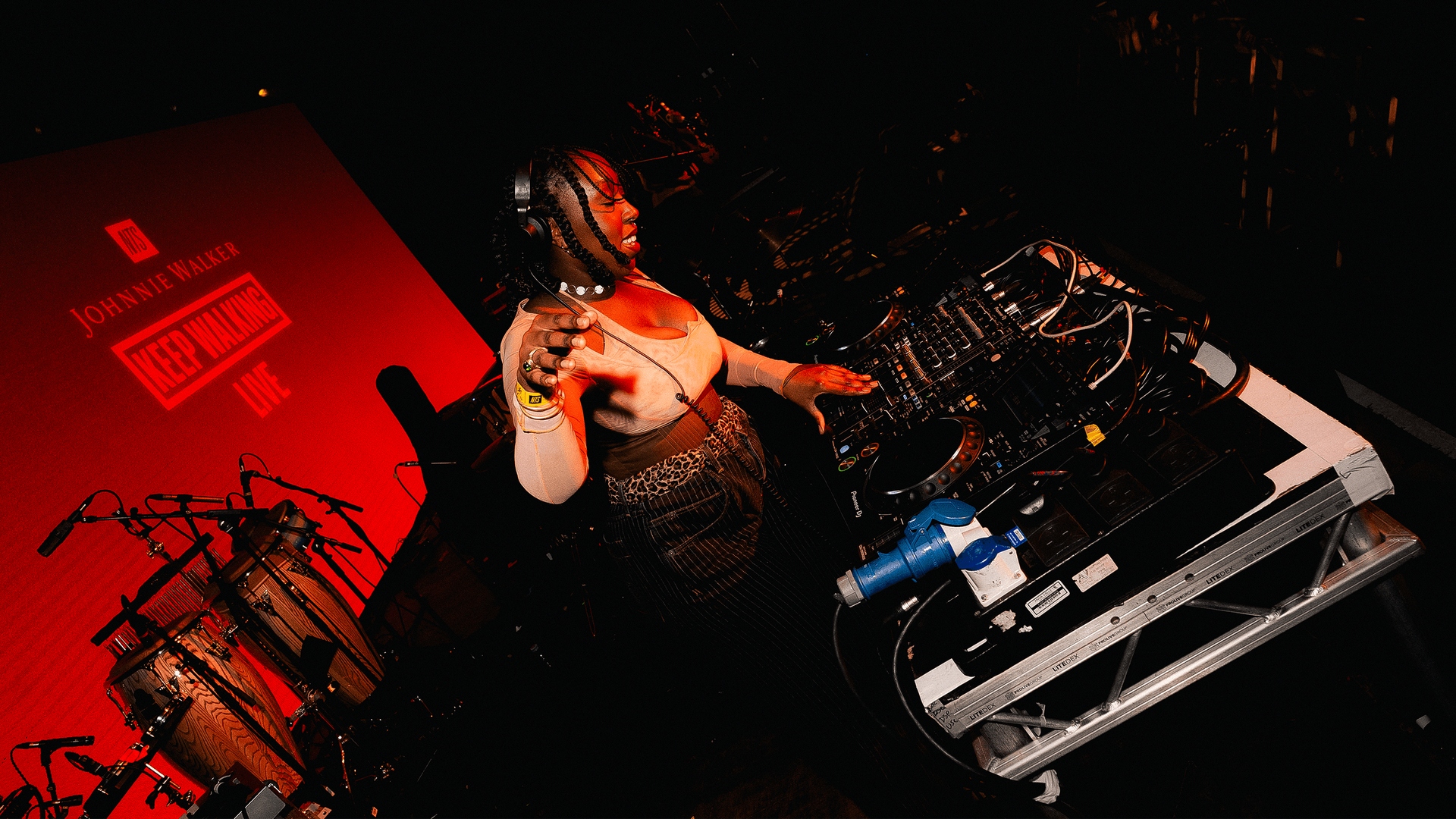
The first night opened at Soup – the live music venue and club space that Mancs head to when they don’t want the night to end. Local selectors Anz, KD22LR and Finn set the tone before DJ EZ arrived to remind everyone why he’s remained one of the UK’s most revered electronic DJs for decades. By 4am, the crowd was still locked in.
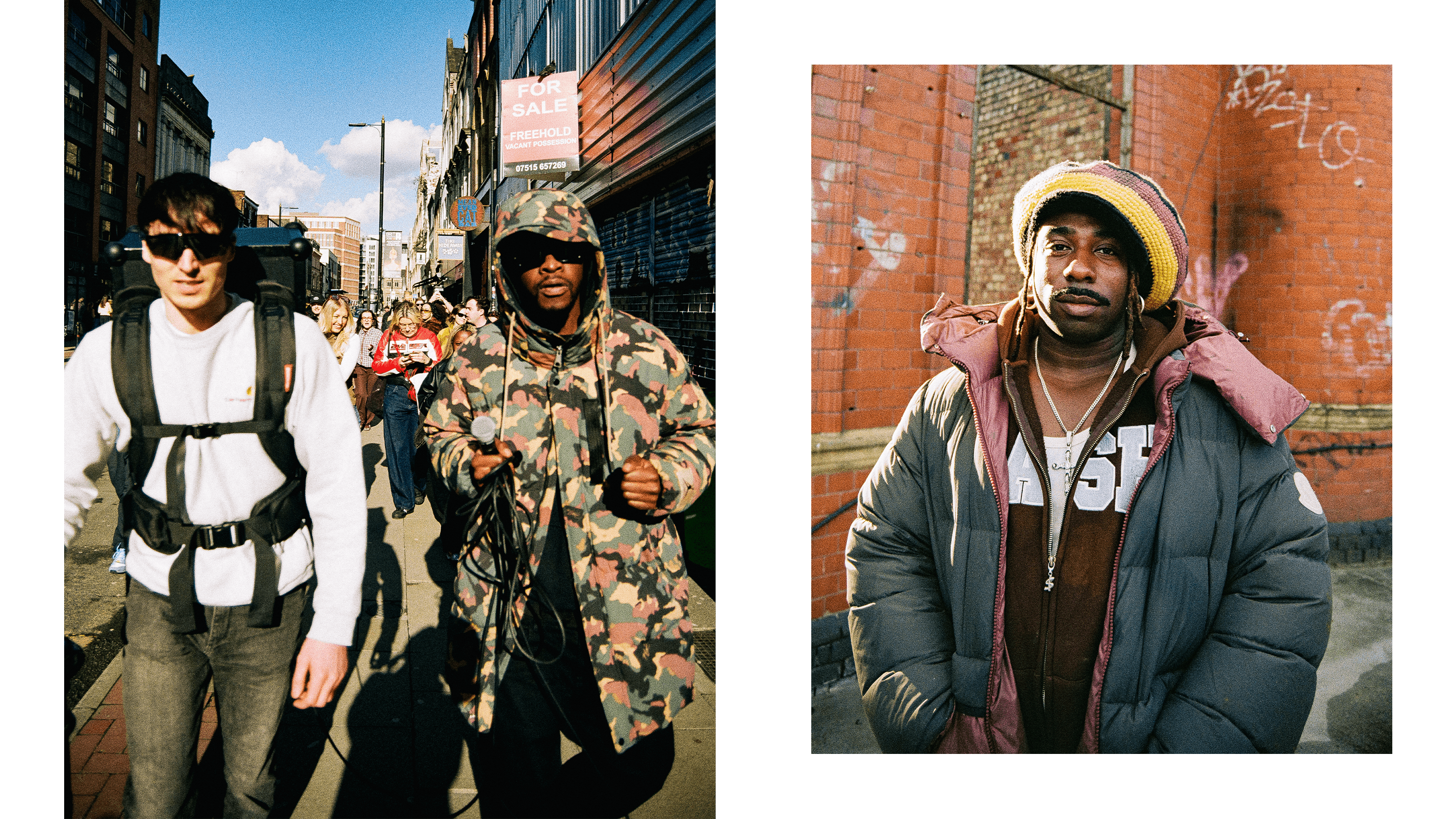
Day two brought the festival’s community-first ethos into focus. Enjoying the rare sight of full sunshine, a walking tour with outdoor collective All Terrain took in Manchester’s most significant music venues and cultural landmarks. “We wanted to bring together different people from all walks of life for this,” says Kian Patel, All Terrain’s founder. A speaker strapped to one team member’s back played tracks from local artists Strategy, Akemi Fox and Black Josh, all of whom joined us for a tour led by MC Chunky, pointing out the venues, clubs and spaces that had helped shape their careers along the way.
Their stories are not ones of overnight success or industry gatekeepers; they are living examples of a culture that comes from supportive networks, promoters taking chances, community radio stations creating opportunities and independent venues keeping the lights on. It paints a picture of Manchester that went far beyond the well-worn story of Britpop.
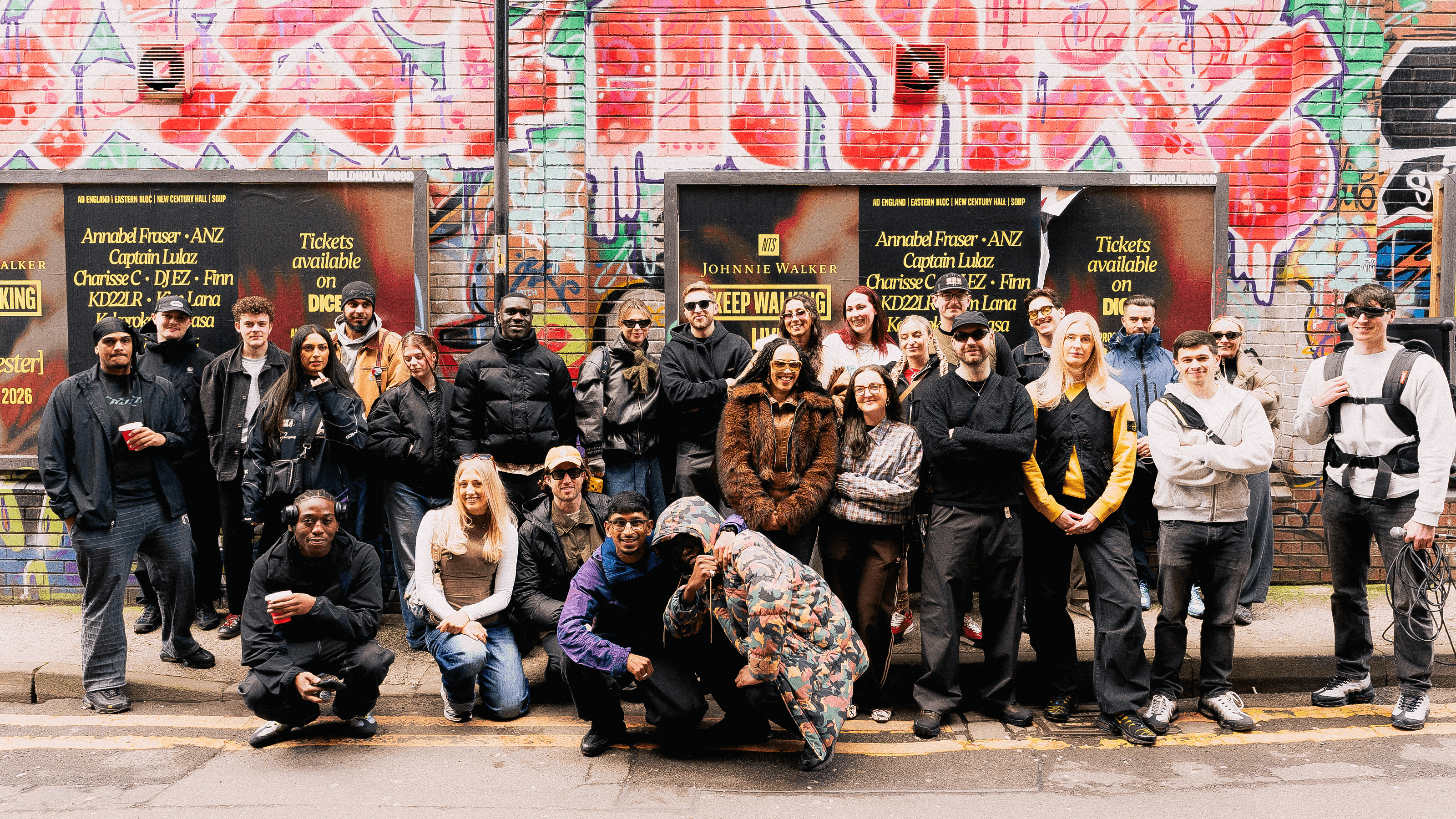
The tour ended at Eastern Bloc, a record shop whose in-store events have helped emerging DJs get their foot in the door since the 1980s. Here, local legend Annabel Fraser was behind the decks – a fixture of Manchester’s club scene who has spent years championing independent venues and emerging artists, helping shape the city’s underground culture from the ground up.
“This weekend represents the diversity of Manchester,” she says as we chat outside the shop. “You can’t define the city’s sound – it’s more of an attitude. It’s humble, there’s integrity within the city and people support each other. I think it’s one of the best cities for emerging artists in the UK because it’s no bullshit, which you get a lot of in big cities."
Annabel points to the DJ who followed her set: Kim Lana, a DJ, promoter and long-time advocate for queer nightlife, who has spent years creating spaces and nurturing alternative music communities across Greater Manchester and West Yorkshire. In a full-circle moment, she credits Annabel for inspiring her career in music.
“When I DJ, I’m telling a story. Often, it’s my story – I play the tracks that speak to me,” says Kim after her set. “In my mind, I’m imagining there’s a person in the crowd who is transitioning or scared to be themselves, and I’m playing to them. Basically, a younger version of me. I’m really grateful for people like Annabel for [inspiring] that.”
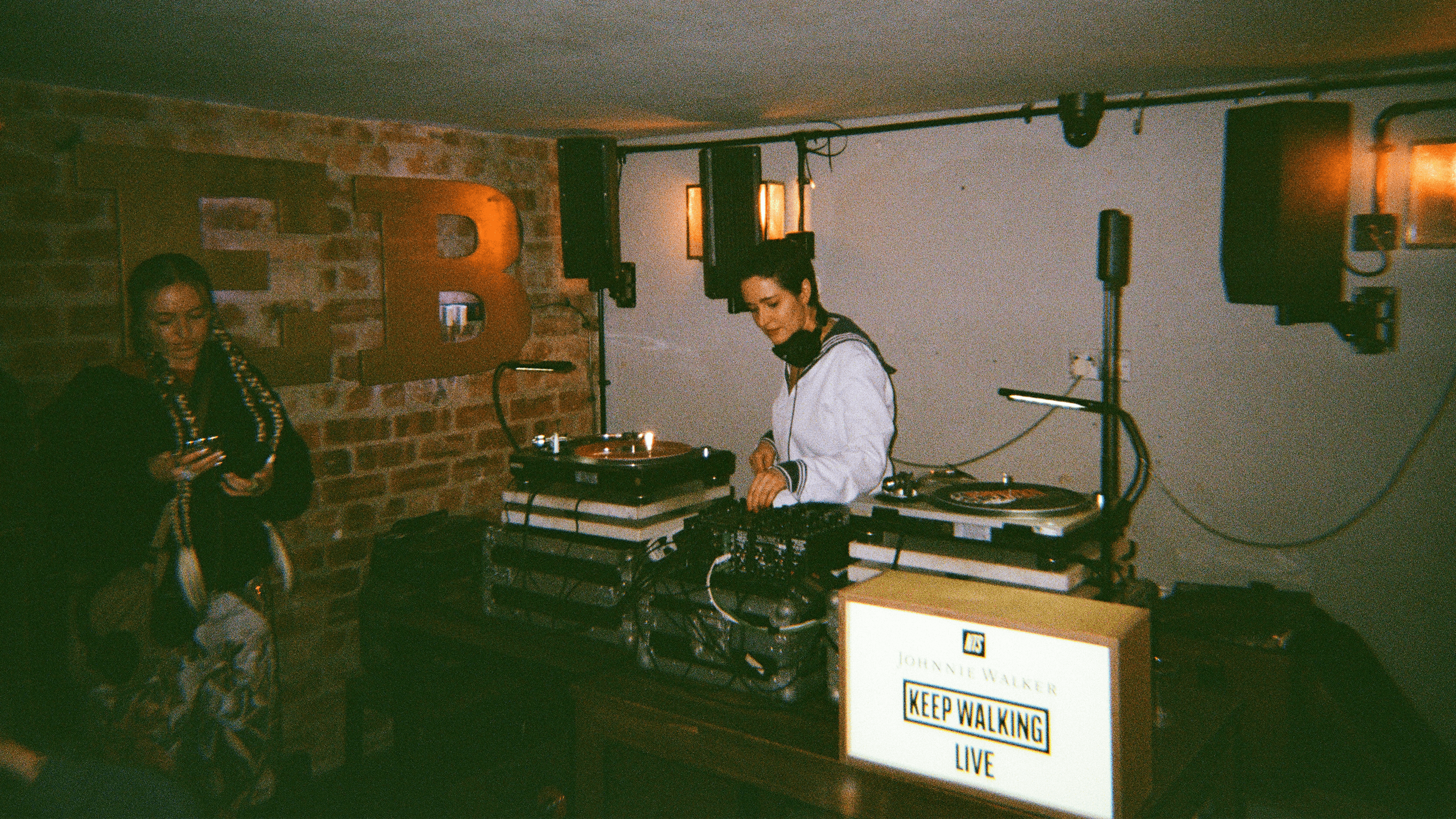
Day three highlighted the realities of life in the music industry. At bar Impiety Hour, a panel organised by the independent youth collective Gone Norf brought together those working behind the scenes to keep Manchester’s indie scene running. Panellists included Tone Rarri, founder of the party Habitat; DJ Girlfriend of queer party Runway; Conner Cooper from Crop Radio and DJ Egg on Toast, chair-founder of Not Bad For A Girl, a collective championing women and non-binary representation in the industry.
They spoke candidly about the realities of running grassroots music collectives: the politics of booking talent, rising DJ fees, soaring venue costs and the increasing challenges facing anyone trying to launch a new party. The conversation repeatedly returned to the urgent need to protect independent venues and ensure young artists still have places to experiment and find their audience.
After the panel, saxophonist Nubya Garcia played an intimate set at Impeity Hour fresh from a show in Chicago. “Doing shows like this, where I’m super close to the audience, reminds me what it was like at the start and how great those days were,” she says. “It reminds me how important these venues are, because without them I wouldn’t be booking the bigger shows now.”
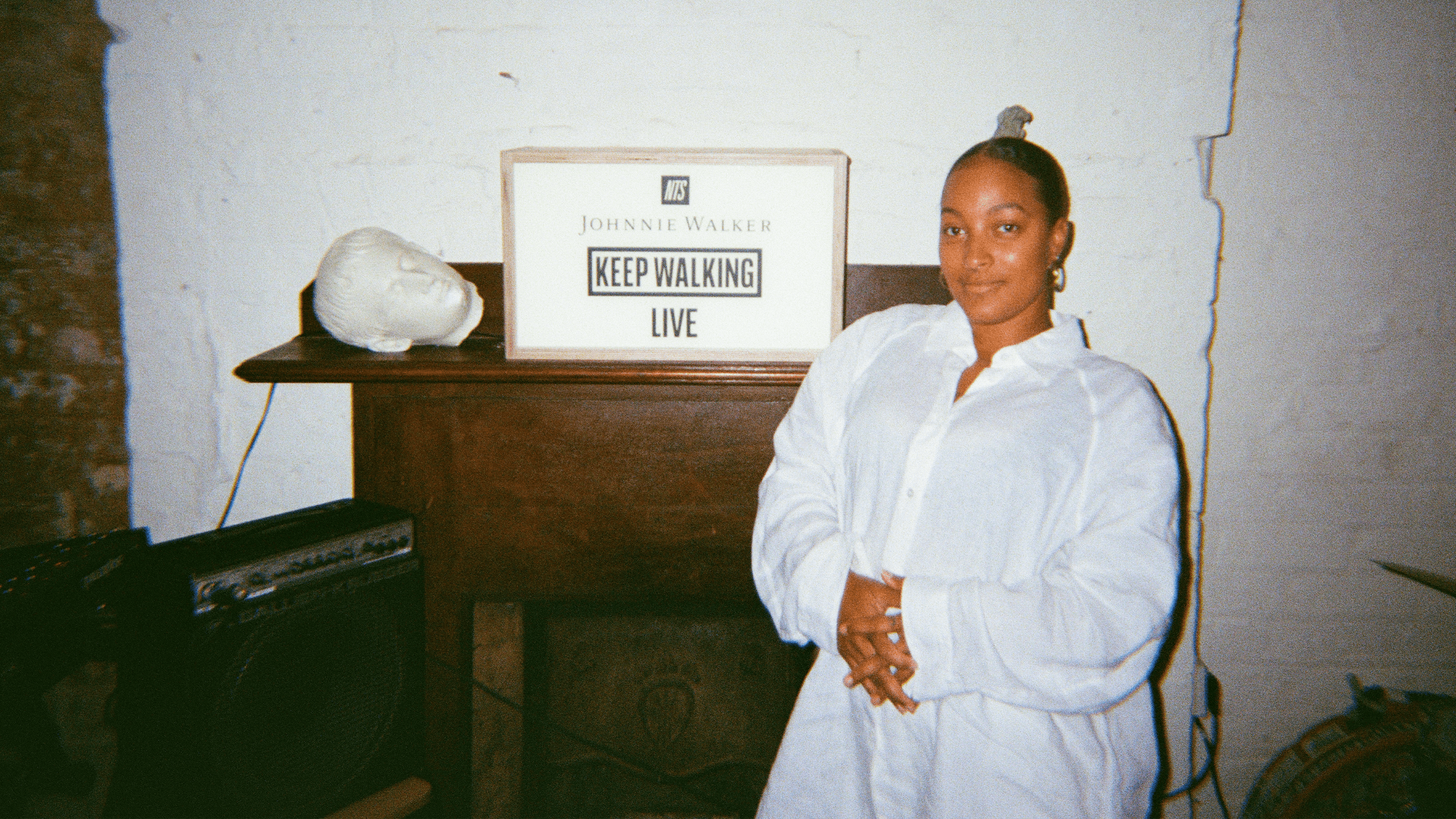
Nubya also spoke about the value of platforms like NTS, which help audiences discover new artists and sounds from around the world. She previously hosted her own show on the station. “I have a beautiful relationship with NTS and I’m really thankful for the space and time they’ve given me, both as a live performer in the studio and as a broadcaster.”
By the end of the weekend, one thing was clear: Manchester’s music scene runs on connection rather than a single venue, artist or promoter. DJs champion local radio, radio supports emerging artists, artists fill independent venues – and those venues create space for the next generation to emerge. Keep Walking Live captured a city investing in its own future; built not overnight, but through years of people showing up for one another.