Scroll down to read this article in Spanish
Translated by Sara Delgado
Under the scorching sun, four older women push a coffin on the streets of San Agustín, a neighbourhood on the outskirts of La Habana. They carry the body of a deceased relative on top of a four-wheeled metallic cart. They make the five-kilometre trek to the La Lisa cemetery on foot, between avenues and alleys, with only the strength of their arms and legs, since the hearses at the local funeral homes have their tanks empty.
This scene happened in January 2025. A year later, a cascade of events transformed Cuba’s existing crisis into something much worse. In early January 2026, following a US military operation that seized Nicolás Maduro and imprisoned him in New York, oil shipments from Venezuela to Cuba stopped entirely. Venezuela had been supplying Cuba with approximately 26,500 daily barrels, covering roughly half the island’s oil deficit. The United States then announced it would impose commercial tariffs on countries that intended to help the island, effectively isolating Cuba from alternative sources of fuel. The result was a country already on the brink of economic collapse, now without any hope to replenish them.
Dinorah Novo, an 83-year-old woman from Centro Habana, has lived through both this crisis and the one that followed the collapse of the Soviet Union in the early 1990s – the two worst, economists say, since Castro rose to power in 1959. “We are living through hell,” she says. “Every day is stifling; we have never been in such deplorable conditions.”
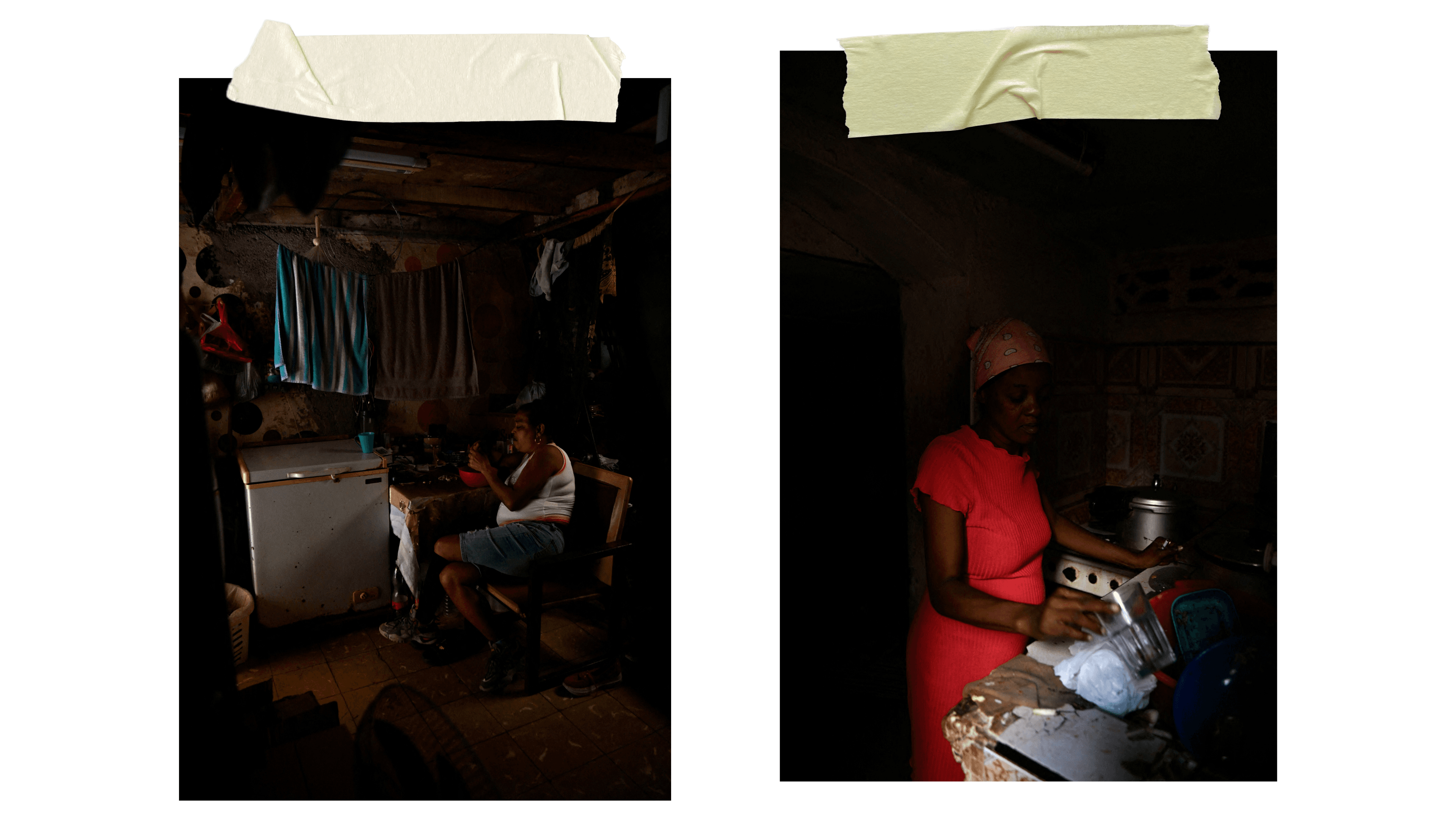
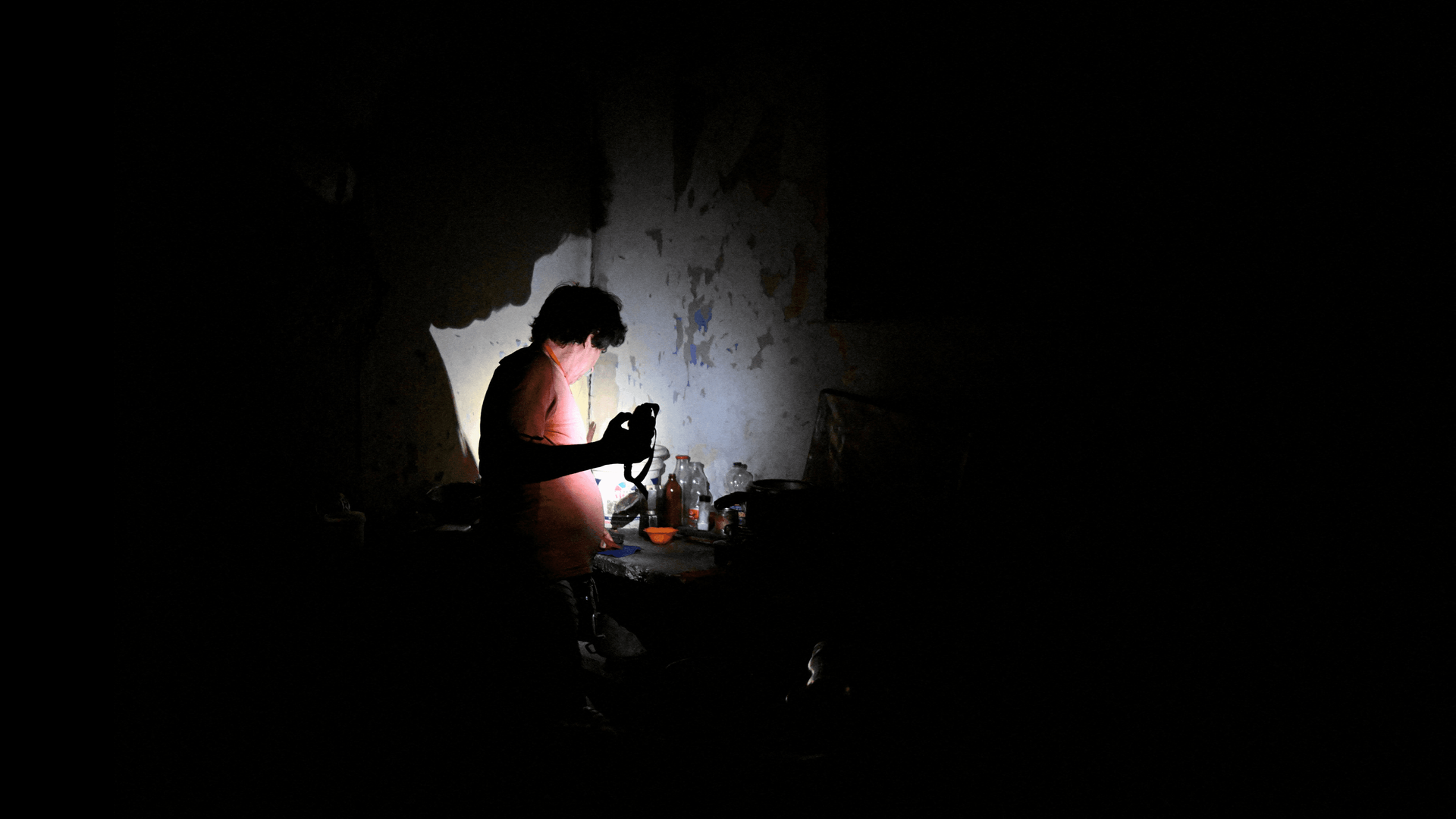
The conditions Dinorah is referring to are public transport being reduced to a minimum; most schools and universities being closed down; only essential service workplaces remaining open; homes spending an average of up to 20 hours without power daily; aqueducts not being able to pump water, leading to many neighbourhoods going weeks without it; families cooking using firewood due to the lack of manufactured gas; the streets being flooded with mountains of trash because there is no way to collect it; as well as hospitals and pharmacies lacking the most basic medicines.
“We’ve travelled back to medieval times,” says 64-year-old Lourdes, one of Dinorah’s daughters. “We are not living, we are surviving. We can’t drink cold water or store any food because we only have three or four hours of electricity a day. The children are missing school, the country is not producing anything because it can’t and, at any moment, things could get even more complicated.”
“We are not living, we are surviving. We can’t drink cold water or store any food because we only have three or four hours of electricity a day. At any moment, things could get even more complicated”
Cuba’s electricity grid has now suffered multiple complete collapses in recent months, each one leaving millions of people without power for days at a time. The failures stem from the same source: the country’s thermoelectric plants, built in the 1960s and ’70s with Soviet technology, cannot run without fuel, and the fuel is no longer arriving. The protests that followed one blackout in Morón, Ciego de Ávila, where the Communist Party of Cuba HQ (the only political organisation lawfully allowed in the country) was burnt down, show how close to breaking point Cubans have come.
“If we have to break our own furniture for fire wood to be able to cook outdoors, like we are in the Palaeolithic Age; if the little food we have goes bad because we have no way of refrigerating it; if we are sick and we have no medication; if we don’t have the basic things for a decent life, then all we have left is our voice, because we don’t have a future or hope,” says a 23-year-old young man who took part in the protests. His name cannot be revealed for his safety.
Raising your voice to oppose the Cuban regime is punishable with prison time. According to the nonprofit Prisoners Defenders, there are 1,214 political prisoners in Cuba as of February 2026. On 12 March, the Cuban government said it would release 51 more – as of 27 March, Prisoners Defenders state that 23 had been released so far. That’s why, for 17 straight days, there have been night protests, when you can’t tell bodies apart nor distinguish between voices.
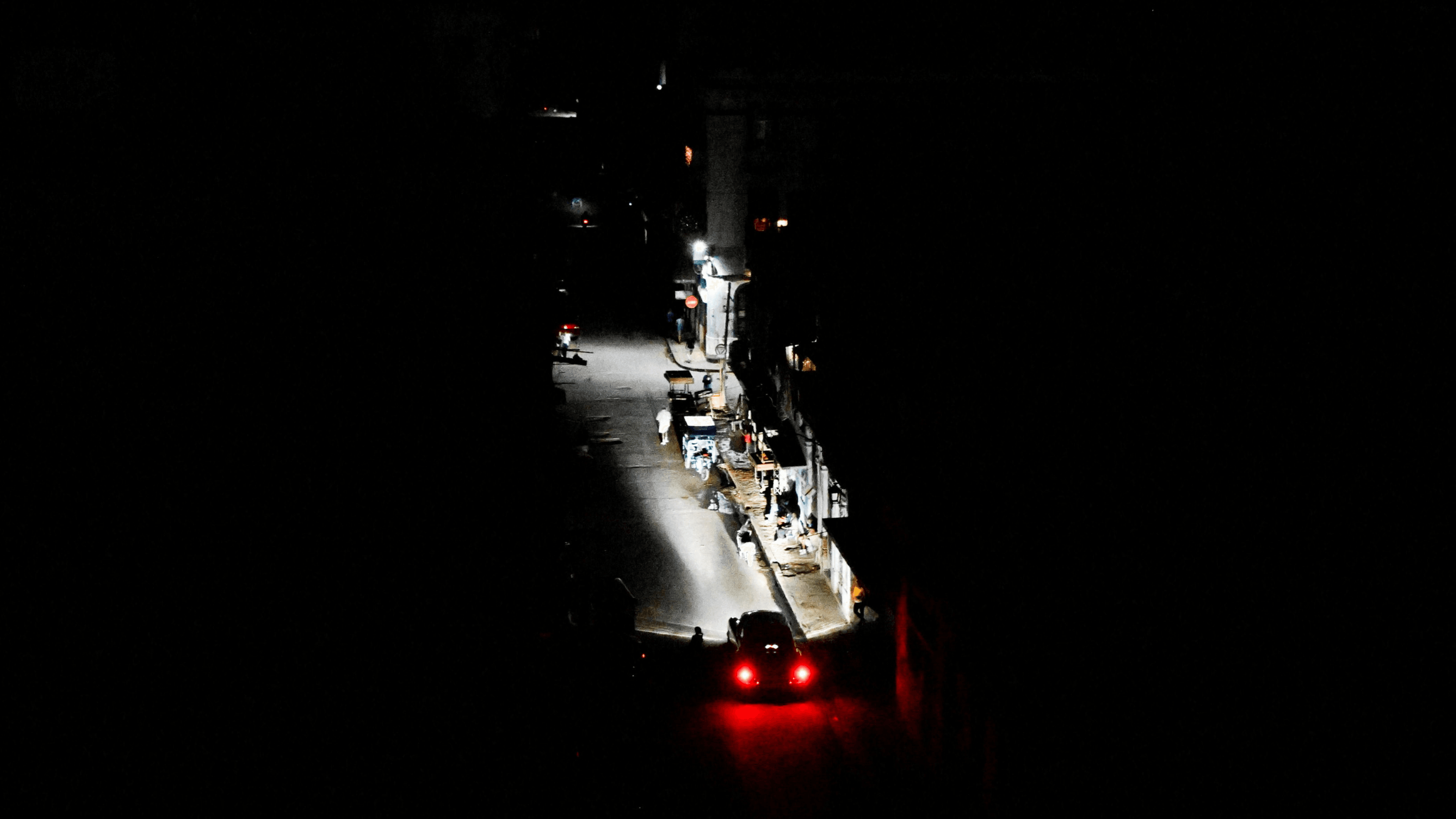
“We have suffered enough: the children, the elderly, pregnant women; the entire town can’t stand it anymore. We want this country to change,” says the young dissident from Ciego de Ávila.
Elier Valdés is 26, and from the municipality of Arroyo Naranjo. He has two young sons. “We are not asking for much,” he says. “We just want them – the Cuban government and Trump – to let us be able to breathe at last. We deserve to build a new country, a country where Cubans don’t flee their land and those who left before return to hug those who are still here.”
His dream, he says, is simple. “For Cuba to see the light. Not electric energy, but the real light – that of the future and prosperity, which right now is impossible for Cubans to see.”
“Lo único que nos queda es nuestra voz”: desgranando la situación actual de Cuba
Por Abraham Jiménez Enoa
Bajo un sol abrazador, cuatro señoras empujan un ataúd por las calles de San Agustín, un barrio de la periferia de La Habana. Llevan el cuerpo de un familiar fallecido sobre un carrito metálico de cuatro ruedas. Recorren a pie cinco kilómetros hasta el cementerio de La Lisa, entre avenidas y callejuelas, con las fuerzas de sus brazos y piernas porque en la funeraria del municipio los carros fúnebres tienen vacíos sus depósitos de combustible.
La escena anterior ocurrió en enero de 2025. Un año más tarde, una sucesión de eventos ha transformado la ya existente crisis de Cuba en algo aún peor. A principios de enero de 2026, tras una operación militar para capturar a Nicolás Maduro y encarcelarlo en Nueva York, se cortó por completo el suministro de petróleo venezolano que llegaba a Cuba. Venezuela abastecía el sistema energético cubano con aproximadamente 26 500 barriles diarios, cubriendo alrededor de la mitad del déficit petrolero de la isla. Poco después, Estados Unidos anunció que impondría aranceles comerciales a los países que pretendieran ayudar a la isla, lo que, efectivamente, aislaría a Cuba de fuentes alternativas de crudo. El resultado fue una isla que ya estaba al borde del colapso económico, ahora sin la esperanza de recargar sus previsiones.
Dinorah Novo, una anciana de 83 años de Centro Habana, ha vivido tanto esta crisis como la que siguió al colapso de la Unión Soviética al principio de la década de los 90, ambas, según los economistas, las peores desde que Castro llegó al poder en 1959. “Estamos viviendo un infierno”, dice Novo. “El día a día es un agobio; jamás habíamos estado en condiciones tan deplorables”.
Las condiciones a las que se refiere Novo son que el transporte público está reducido al mínimo; la mayoría de escuelas y universidades están cerradas; los centros laborables de servicios indispensables son los únicos que están abiertos; los hogares pasan una media de casi 20 horas sin electricidad cada jornada; los acueductos no pueden bombear agua por lo que muchos barrios pasan semanas sin ella; las familias cocinan con leña por la falta de gas manufacturado; las calles están inundadas de montañas de basura porque no hay cómo recogerla; en los hospitales y farmacias faltan los medicamentos más básicos.
“Hemos viajado de vuelta al medievo”, dice Lourdes, una de las hijas de Novo, quien tiene 64 años. “No estamos viviendo, estamos sobreviviendo. No podemos tomar agua fría ni guardar los alimentos porque tenemos solamente tres o cuatro horas de electricidad al día. Los niños se están perdiendo la escuela; el país no produce nada porque no tiene cómo, y en cualquier momento esto se complica más”.
La red eléctrica de Cuba ha sufrido varios colapsos completos en meses recientes, cada uno de los cuales ha dejado a millones de personas sin electricidad durante varios días seguidos. Todos estos fallos se pueden achacar a la misma fuente: las termoeléctricas del país, construidas en las décadas de los 60 y 70 del siglo pasado con tecnología soviética, que no pueden funcionar sin petróleo, aunque este no llegue a la isla. Las protestas acontecidas después de un apagón en Morón, Ciego de Ávila, donde se quemó la sede del Partido Comunista (la única organización política permitida por ley en el país), muestran lo cerca que están los cubanos del punto de quiebre.
“Si tenemos que romper nuestros muebles de las casas para poder hacer leña y así cocinar a la intemperie, como si estuviésemos en el paleolítico; si la poca comida que tenemos se nos echa a perder porque no tenemos cómo refrigerarla; si estamos enfermos y no tenemos cómo medicarnos; si no tenemos las cosas más básicas para tener una vida digna. [entonces] lo único que nos queda es nuestra voz, porque no tenemos futuro ni esperanza”, dice un joven de 23 años que participó en las protestas de Morón, cuyo nombre se omite por su seguridad. Alzar la voz para oponerse al régimen en Cuba cuesta la cárcel. Según la organización sin ánimo de lucro Prisoners Defenders, hay 1214 presos políticos en Cuba con fecha de febrero de 2016. El 12 de marzo, el gobierno cubano anunció que liberaría a 51. A fecha de 27 de marzo, Prisoners Defenders informa que 23 han sido liberados hasta el momento. Es por eso que, durante 17 días consecutivos, han ocurrido protestas nocturnas, cuando los cuerpos no se distinguen ni se reconoce la voz.
“Hemos sufrido demasiado ya: los niños, los ancianos, las mujeres embarazadas; el pueblo entero no aguanta más. Queremos que este país cambie”, dice el joven disidente de Ciego de Ávila.
Elier Valdés, un joven de 26 años del municipio de Arroyo Naranjo con dos hijos pequeños, dice: “No pedimos más. Solo que nos dejen por fin respirar, tanto el gobierno cubano como Trump. Nos merecemos construir un nuevo país, un país donde los cubanos no se vayan de su tierra, sino que los que se fueron antes regresen a abrazarse con los que estamos aquí”.
El sueño de Valdés es simple. “Que Cuba tenga luz, pero no la energía eléctrica, la luz de verdad, la del futuro y la prosperidad, que ahora mismo no la podemos ver los cubanos”.
Sara Delgado is a freelance writer, editor, and translator specializing in culture and fashion content with over a decade of experience across digital, print, and social media. She is based in Madrid, Spain. Her work has appeared in Teen Vogue, Schön! Magazine, Dazed, The Recording Academy, NME, Nylon, and many more.