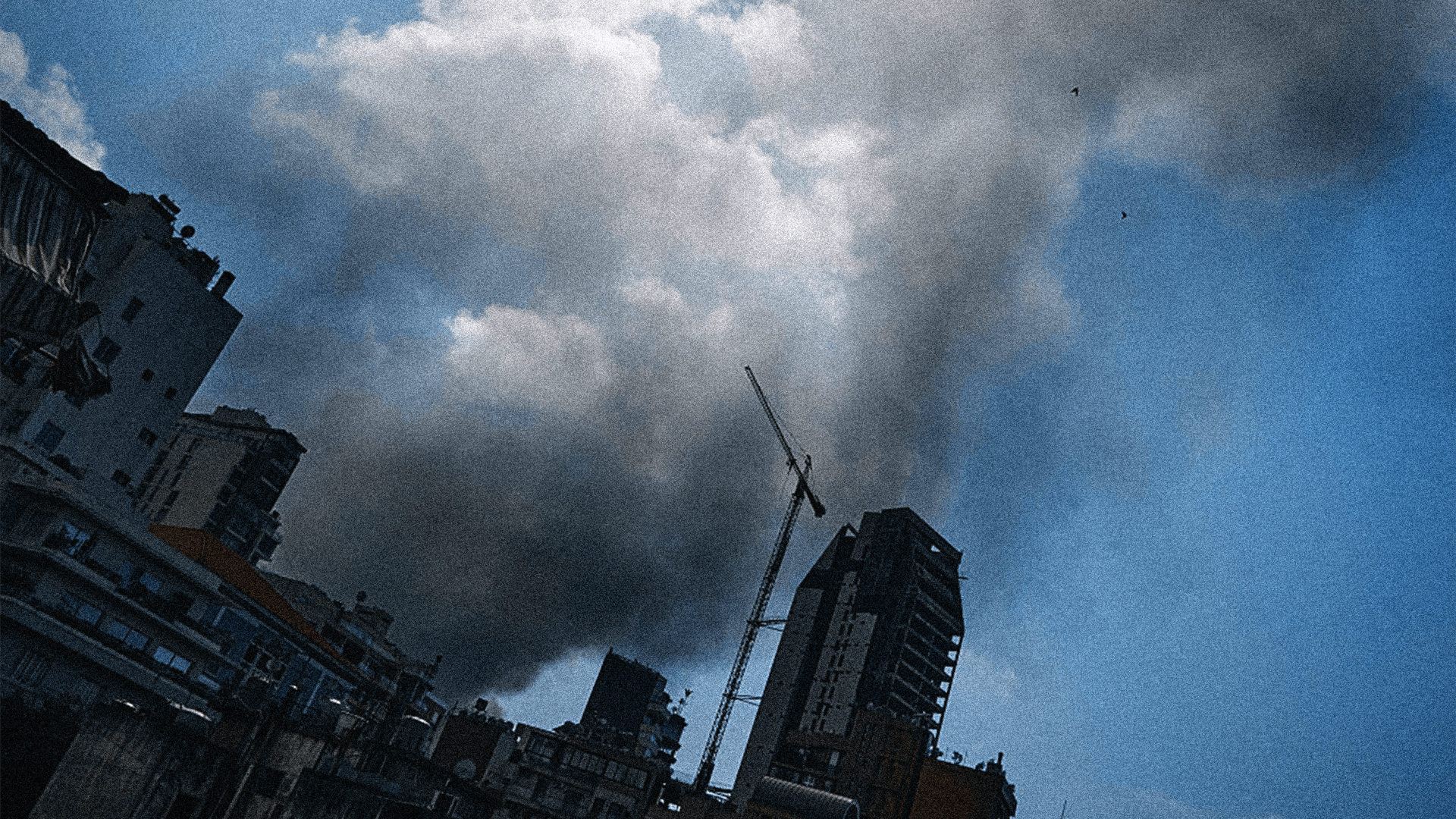
It has been six weeks since the deadliest attack in Lebanon’s recent history. On 8 April 2026, in just 10 minutes, a coordinated aerial campaign of around 160 bombs across 100 targets transformed the skyline of the country. While global headlines tracked the toll – more than 1.2 million displaced – a quieter, more disciplined war was already being fought by the women holding the country’s remaining infrastructure together.
Here are the accounts of four of those on the front lines of what is now known as Lebanon’s Black Wednesday.
The Immediate Response: 10 Minutes Of Chaos
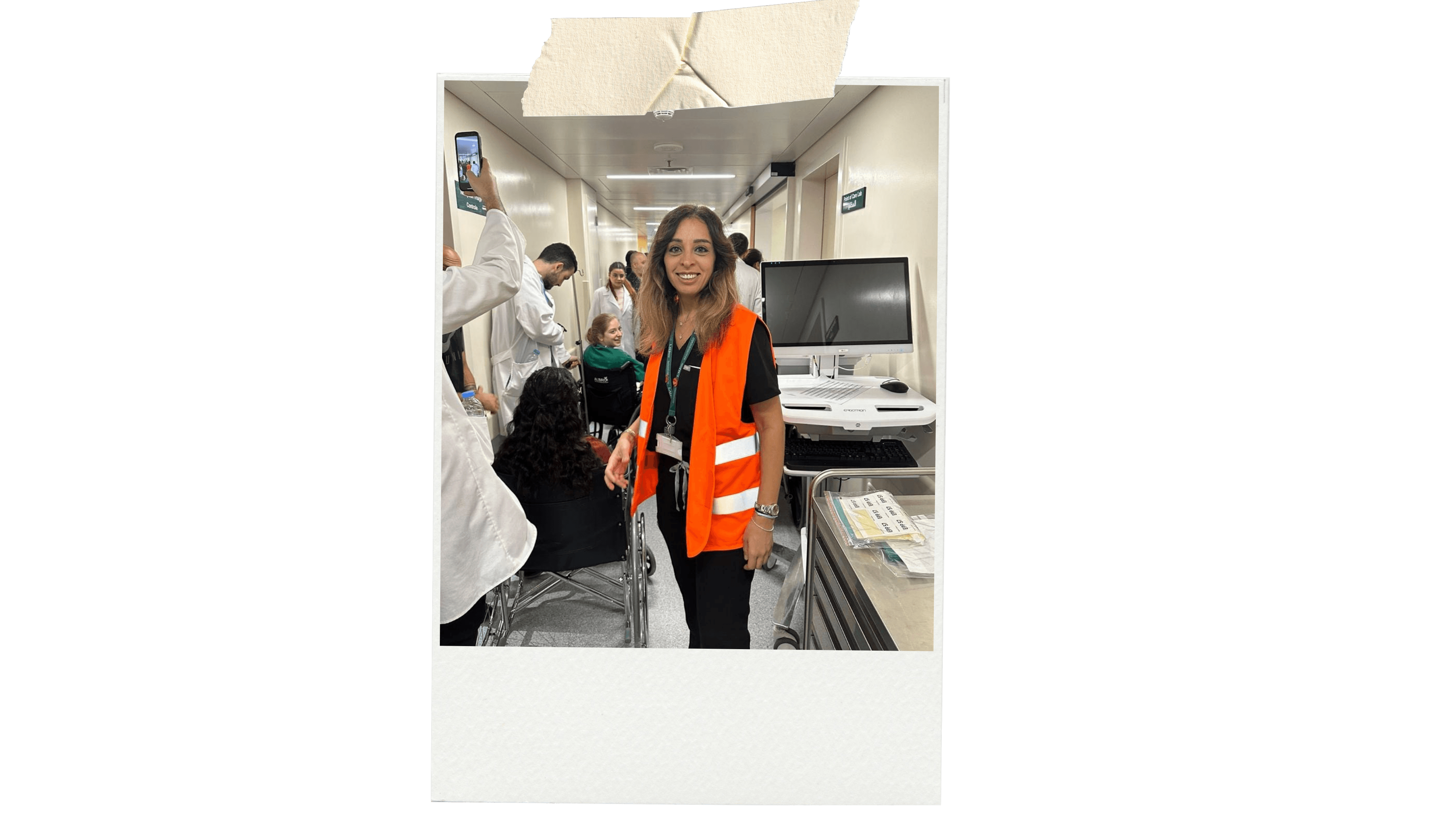
“My mum was like, ‘Wait. Just stay safe at home.’ I was like, ‘No, I need to go,’” recalls Dr Mariana Helou. As she raced towards her workplace, LAU Rizk Hospital in Beirut, the air was filled with the sounds of screaming children.
The transition from a quiet emergency department to a warzone happened in seconds. “What took me aback was the number of kids. It’s the first time I’ve seen so many children in the ER at once. The first case was a child, seven or eight years old. He had an open wound in the abdomen, so we had to immediately operate.”
“We have a very good plan. Each of us knows our exact role. You have the emotional shock the first time you see something. Then you put it away. You work.” But the frontline doesn’t end when the shift does. “When you finish the work is when you start to have flashbacks. I’m still shocked. I cannot understand what happened.”
The Hospital As Home: Life In The ‘Forgotten’ South
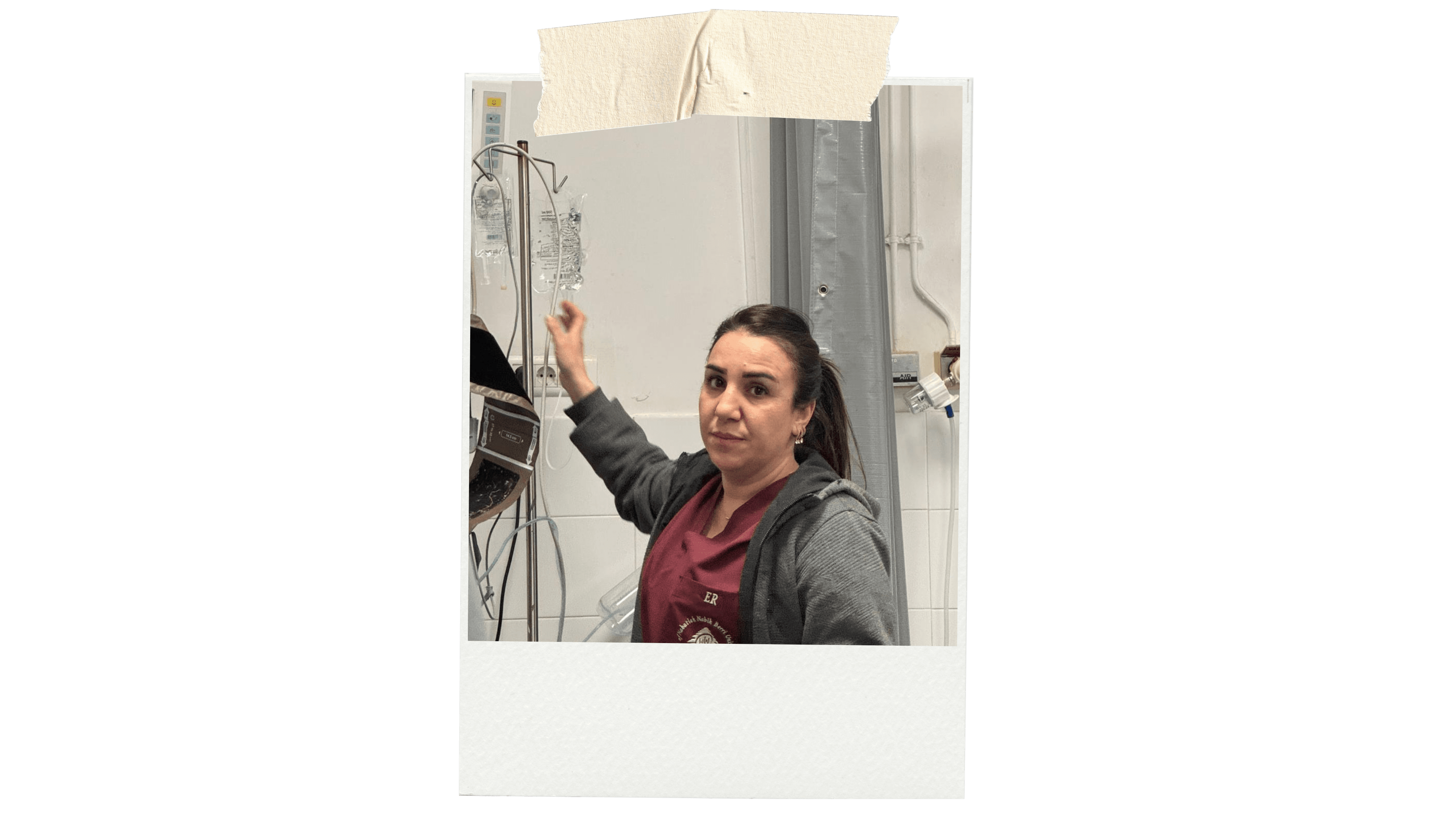
While the world watches the capital, the southern region of Lebanon exists in a state of uninterrupted bombardment. The World Health Organisation has recorded 158 attacks on healthcare, resulting in 108 deaths and 249 injuries, since the start of the escalation between Hezbollah militants and Israeli forces on 2 March. For Zainab Ibrahimi, who has spent 16 years as an emergency nurse at Nabatieh Governmental Hospital, the frontline is not a distant concept; it is her home, her workplace and her family’s reality.
Zainab now lives permanently within the hospital’s sterile corridors. Her children live there with her. “There’s bombardment all around you. The children, at first, were scared. Then they got used to it. They know that when there are airstrikes outside the hospital, inside is the safe zone,” she says. Even that is relative: she remembers one strike close enough that the glass from the windows shattered into the ward.
The proximity to loss is total. “My father works for the municipality. During a recent road clearance operation, he was struck by an Israeli strike,” says Zainab. “My brother, who works for civil defence, realised when he arrived at the scene it was our father who had been injured.”
She is acutely aware that healthcare workers are dying in record numbers, but the necessity of her presence outweighs the risk. “It will be difficult for people to understand, but that’s my work. That’s what I should do.”
The south of the country is often reduced to a series of geopolitical markers, but for Zainab, it has an identity that transcends the “yellow line” – the de facto military buffer zone established by Israel inside southern Lebanon. She speaks of Nabatieh not as a casualty statistic, but as “my heart and soul”. “Nabatieh is in the deadly ‘red zone’, but for the people of the south, the land is in our blood.”
The day after our conversation, the reality of that red zone tightened. Six villages in the Nabatieh region were issued immediate evacuation orders.
The First Responders: A Future On Hold
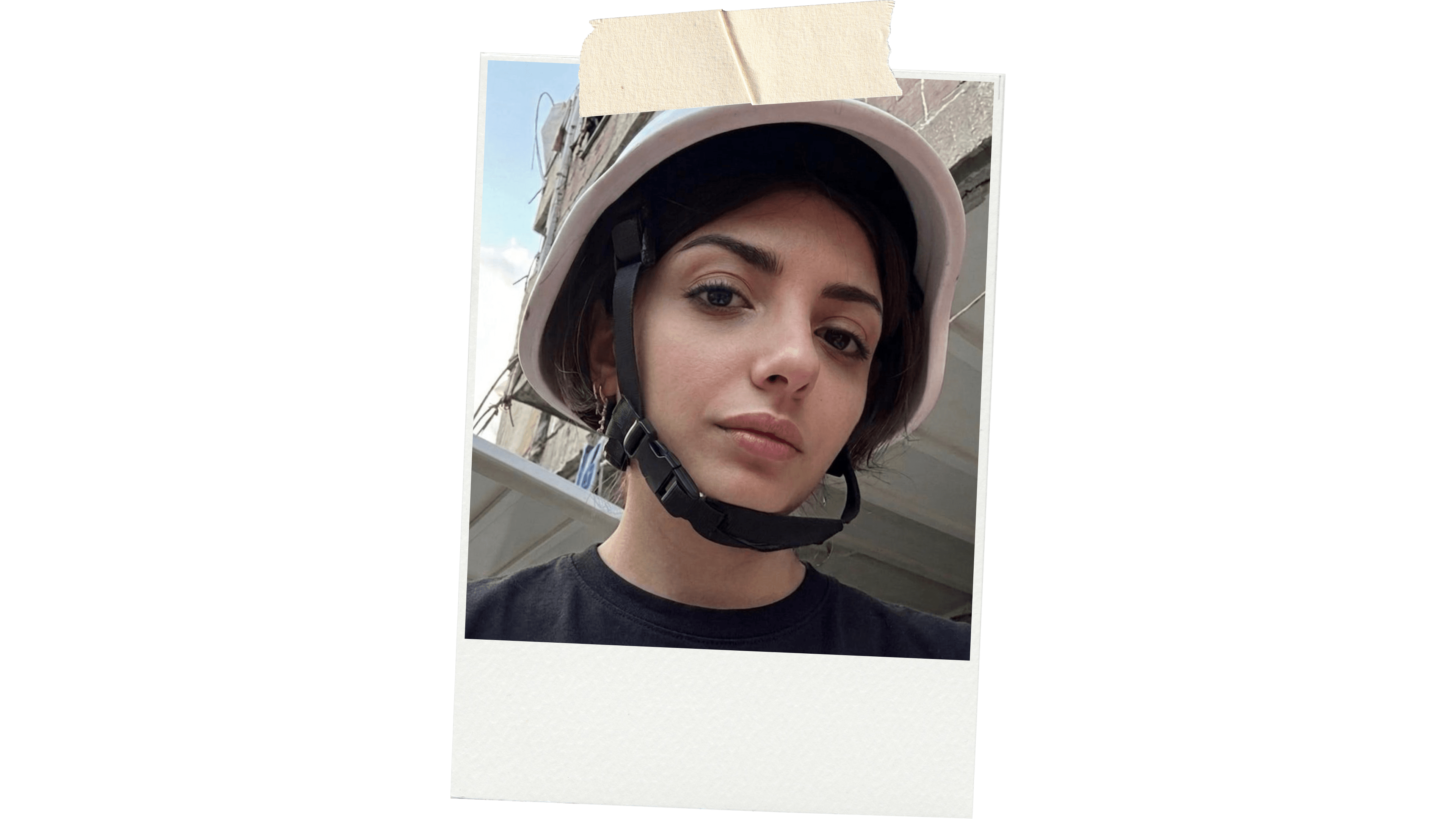
Jana Fayad is a first responder who spends her days rescuing people from the wreckage, yet she is herself a victim of the conflict: her home in south Beirut was destroyed in a previous bombing in 2024. On 13 May, the Lebanese Health Ministry reported 2,896 deaths, including 110 health workers, – a statistic that underscores a burgeoning pattern of civilian medical staff being caught in the crosshairs.
“I rushed to the call of duty. I could hear the bombs; they were hitting hard,” says Jana. “The streets were full of panic; it took over an hour to reach the site.”
When I ask Jana how she processes the proximity of death every time she steps into the field, she responds: “I am thinking all the time: Maybe I’m next. But I try not to think about it.”
In the Beirut suburb Hay El-Saloum, she found an old man trapped in the wreckage. “There was significant excavation work required to release him. It took hours to take him out. We knew that there were still others inside. I just held his hand. The hardest part is watching their families. Waiting for them. And knowing that they are dead.”
According to Lebanon's health ministry, the 8 April strikes killed 357 people. Today, the silence in these neighbourhoods is heavy. Families are still trapped in the agonising limbo of the missing.
The Emotional Toll Of Physical Impact
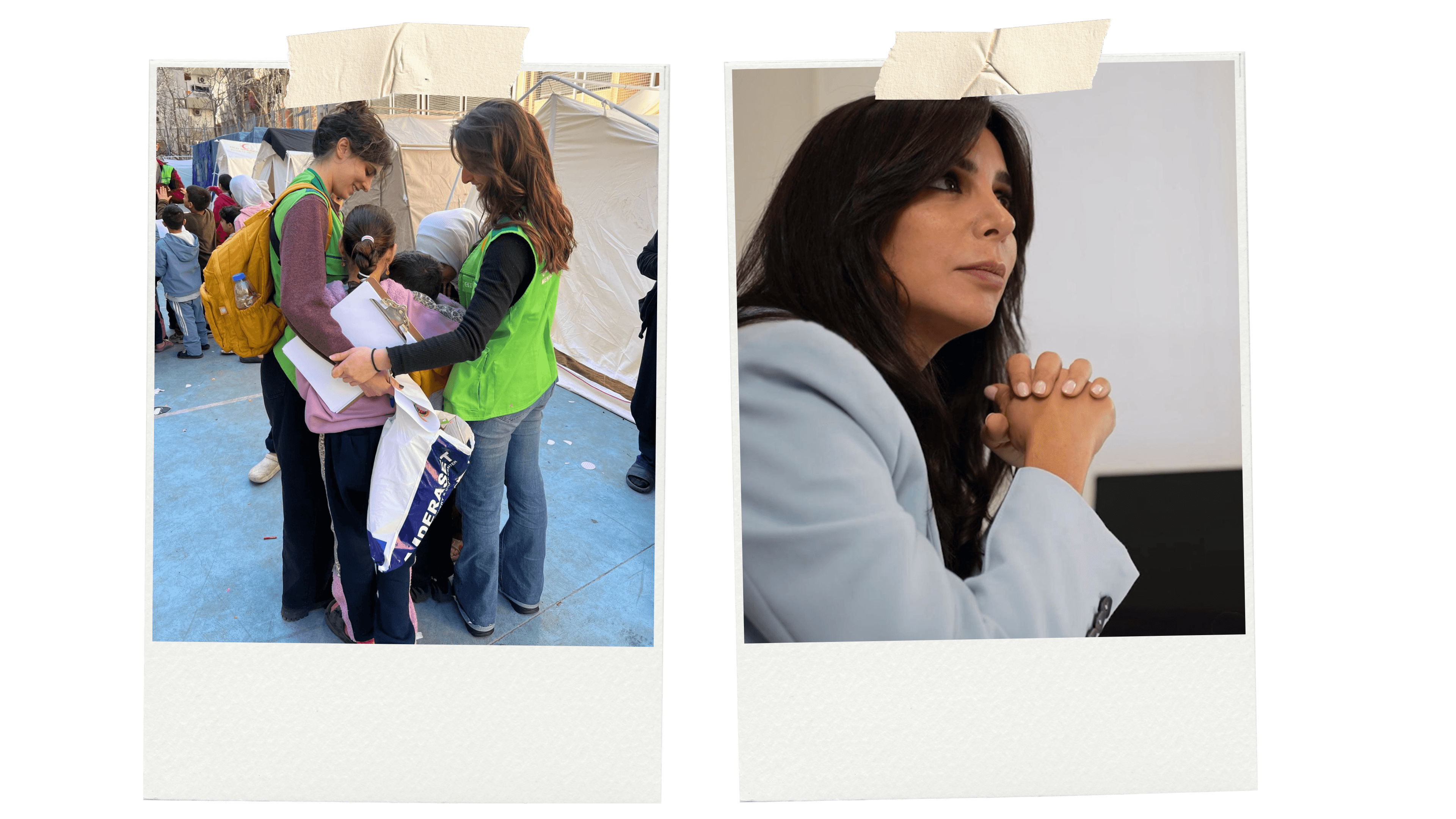
Lebanon is navigating a “silent mental health crisis”. The statistics are stark: according to Lebanon’s Ministry of Public Health, call volumes to national mental health hotlines doubled in the first 10 days of the escalation, with 55% reporting acute emotional distress and 30% reporting suicidal ideation. Mia Atoui, co-founder of Embrace, an NGO dedicated to mental health awareness, speaks of a population forced into “psychological hibernation”. She explains: “There’s a lot of suppressing our emotions to just be able to get through the day. That requires a lot of cognitive resources, which we don’t have access to during a crisis. It leaves us having to keep aside the emotional toil and deal with it later.”
The most acute distress is in the country’s crowded displacement shelters. “We were being called to send our mobile crisis teams to intervene – people aren’t able to bear the pressure anymore.”
For Jana, who is only in her twenties, the concept of a “future” feels like a luxury the present cannot afford. When I ask if she will continue her work, her answer is a haunting reflection of a generation living in the eternal present.
“We don’t plan for the future. Maybe we’re used to it. Look, I’m from Dahieh. When I take off my uniform at night, and sit there and try to process, you can only swallow the things you witnessed. We are all facing the same war, with no end.”