Charting the complex dynamics and creative communities redefining England's coastal fringe – the backdrop to Kae Tempest’s brilliant new novel Having Spent Life Seeking.
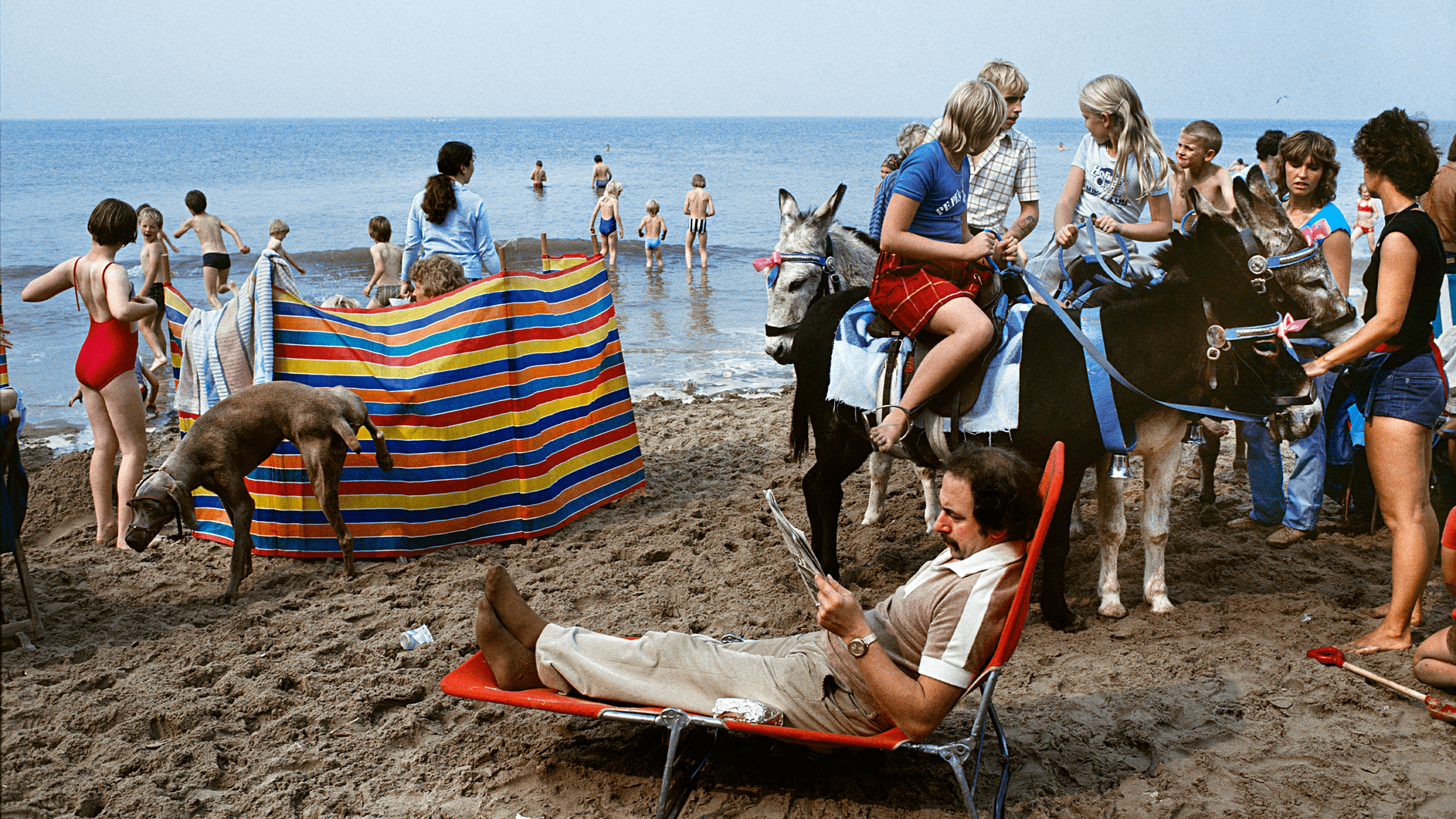
Lidos, promenades and beach huts; piers, bandstands and amusement arcades; fish and chip shops, ice cream vans and sticks of rock. All images synonymous with the British seaside. First emerging in the late 1700s, when the aristocratic classes started seeking out wellness in the shape of sea breezes and bathing, England’s seaside resorts really came of age with the expansion of the railways in the 19th century. As the Victorians drove the idea of the seaside holiday as something for all, these coastal towns captured the collective imagination well into the second half of the 20th century.
Then the package holiday arrived. In the 1980s, 1990s and 2000s especially, more reliably sunny and increasingly affordable European trips supplanted goose-bumped beach days by the chilly North Sea. Funiculars and lidos closed; seafront bed and breakfasts slowly lost their clientele, often replaced by houses of multiple occupation or left empty altogether. Today, once-thriving areas such as Blackpool and Clacton-on-Sea are some of the most deprived in the country, struggling with widespread unemployment even as the wheels of their funfairs keep turning.
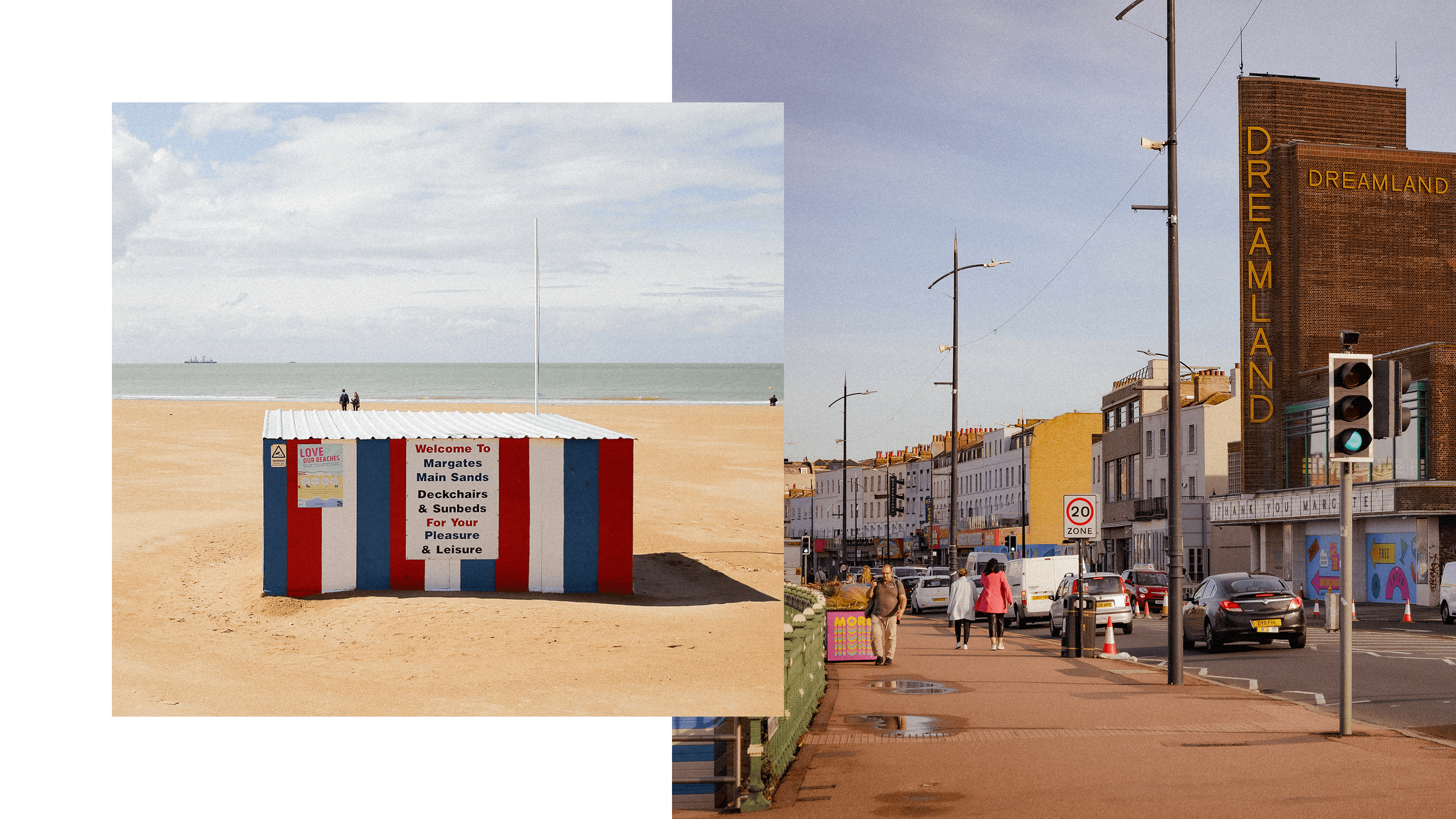
This is reflected in the fraying seaside town at the heart of Kae Tempest’s novel Having Spent Life Seeking – Dua’s Monthly Read for June. The story follows protagonist Rothko Taylor through a fictional seaside town called Edgecliff. Rothko is struggling with simultaneous transitions: one between genders and another navigating life after a long spell in prison. As a resident of Margate, on the Kent coast east of London, I know the paint-peeling promenade benches and teenagers prowling the struggling high street all too well. In my mind’s eye, the fraying sea-facing hotel where Rothko works looks like Margate’s Nayland Rock hotel.
To me, Edgecliff recalls Cliftonville – the clifftop neighbourhood of Margate originally built as an upmarket resort but today a place of seemingly conflicting narratives. Well beyond its heyday, it is also up-and-coming; one of the most deprived wards in Kent, but listed by Time Out a few years ago (to the bemusement of some) among the coolest neighbourhoods on the planet. While the surrounding Thanet district has the highest level of unemployment in Kent, Margate has become a globally renowned hub of arts and culture ever since the Turner Contemporary gallery opened in 2011, named after the Romantic painter who described the skies over Margate Sands as “the loveliest in all Europe”.
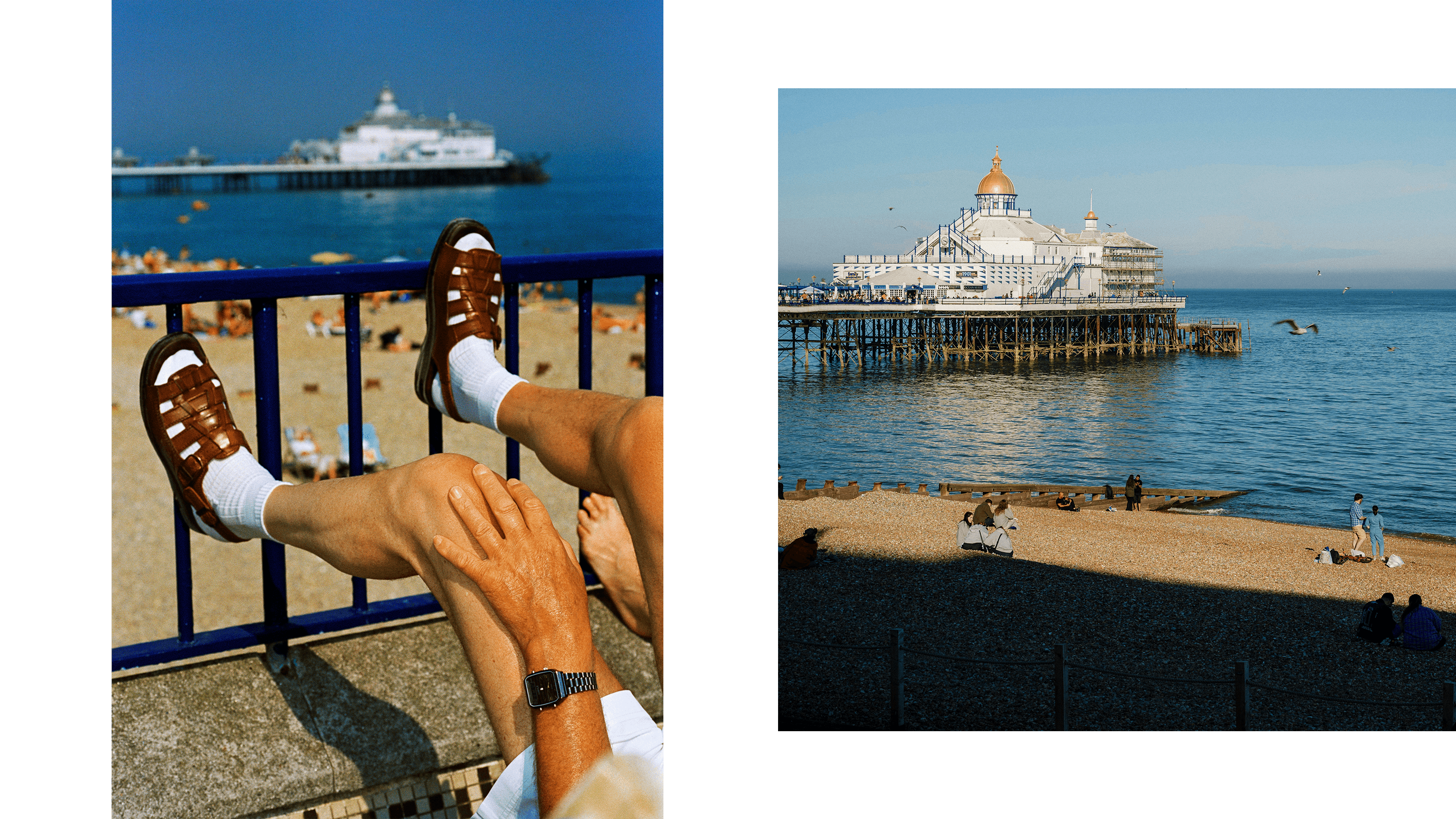
Margate isn’t alone in decreasing its reliance on working-class tourism in favour of art and culture. Other towns, especially in the south east, including St Leonards, Hastings, Eastbourne and Folkestone have followed a similar trajectory, with Folkestone’s once no-go Tontine Street now the gallery-filled heart of an official creative quarter.
Part of the appeal of the seaside to artists is prosaic: low rents and abandoned spaces destined to follow a gentrification arc seen everywhere from London’s Shoreditch to Detroit. When artist Tracey Emin, the godmother of Margate’s recent rebirth, moved back to her hometown in 2017, she set up her personal studio in the defunct Thanet Press printworks. The space is now also home to the pioneering Carl Freedman Gallery and fine art printmakers Counter Editions. In 2023, she also set up TKE Studios and the Tracey Emin Artist Residency – both designed to foster new generations of artists.
But there’s something more poetic about the appeal of the seaside, alluded to in Having Spent Life Seeking, where the sea is represented as a liminal space of possibility and reflection. The Dutch painter Joline Kwakkenbos, who has a studio at TKE Studios and has lived in Margate for two years, describes the town’s appeal as “a Victorian weirdness, but also an intangible magic, full of special possibilities”. For Joline, being supported by Tracey Emin has been life-changing. At the Carl Freedman Gallery’s Crossing Into Darkness exhibition, two of her self-portraits sat either side of an Edvard Munch painting, in a room containing an Emin painting and an Antony Gormley sculpture. “When I saw it, I burst into tears,” she says.

While it’s true that much of Margate’s creative energy has come from London – the new hotels, smart restaurants and the Brighton-rivalling queer scene that celebrates a decade of Margate Pride this year – there is an increasing focus on providing opportunity to locals. For example, the not-for-profit Quench Gallery runs summer schools and youth clubs and artist studios like CRATE offer space to under-represented groups.
In the same grounds as the TKE Studios, Emin also owns The Perfect Place To Grow, a cafe that offers hospitality training programmes for disadvantaged young locals. One of my favourite orders is the same as Emin’s: the chickpea masala created by Zain, a former asylum seeker from Pakistan who now works in the kitchen at Margate’s sustainable seafood restaurant Angela’s.
“We found that a lot of the young people we work with felt the galleries and restaurants in Margate weren’t for them,” says Anistasia James, a community worker and one of the directors at Margate’s Campanian kitchen Bottega Caruso. “But we want to open up spaces, to include and not to gatekeep. We want Margate’s renaissance to benefit young locals, not just weekend visitors and incomers from London.”
“The Perfect Place To Grow”, depicted in Emin’s distinctive cursive neon outside the red-brick building, is a nod to the artist’s 2001 installation of the same name, where plants surrounded a birdhouse playing a Super 8 video about Emin’s Turkish Cypriot father, who owned an ill-fated Margate guesthouse called the Hotel International, before he returned to Cyprus bankrupt.
It says so much about the seaside alluded to in Having Spent Life Seeking: about nostalgia, struggle and loss, but also about the seaside’s intangible beauty, and its possibility for new beginnings.
There’s More – Delve Deeper Into Having Spent Life Seeking With The Service95 Book Club...
WATCH Dua’s interview with author Kae Tempest
DISCOVER the books that shaped Kae Tempest as a writer and man
LISTEN to Kae Tempest’s playlist to soundtrack Having Spent Life Seeking
READ our top new reads for June
BOOKMARK what to read when the sun comes out and life feels good again