Short films have a way of slipping under the radar, but they’re often where you’ll find the most exciting and diverse stories. The directors you admire – the Scorseses, Andersons, Arnolds – most of them started here, experimenting in this smaller, freer space. Actors too, familiar faces you recognise from features, have spent early (and sometimes later) chapters of their careers in shorts.
Major awards shows – Oscars, BAFTAs – and prestigious festivals like Cannes, Venice, and Berlin dedicate whole programmes to shorts, often selling out and awarding prizes just like with feature films. And yet, most of these films and the people who make them remain largely unknown. Cinemas rarely screen them, streaming platforms seldom pick them up, and media coverage is sparse.
That gap – between what exists and what is considered worthy of being seen – is why I launched Short Stuff, a platform dedicated to shining a light on short films and their makers. Covering shorts has shown me how vital they are – not just for launching careers, but for giving filmmakers freedom to experiment, challenge norms, and tell stories mainstream cinema often ignores.
But getting a film made is hard. It’s even harder if you come from a racialised or marginalised community. Funding is scarce as it is, and the industry reflects – and often reinforces – existing socio-economic hierarchies. This means that Black, Brown, queer, disabled, neurodivergent, Muslim, women, Trans and all other marginalised filmmakers are the least likely to get the very few opportunities that do exist.
Part of this is also because full-length feature films come with stringent targets: big financial returns, huge box office numbers and widespread publicity. Film has become more about making money than art. It’s why we’re seeing so many remakes and blockbuster sequels – production companies are playing it safe, which often translates to boring, bland and repetitive.
While the mainstream film world tends to shy away from stories, perspectives, ideas, themes and issues that disrupt the norm, artists need to make art as much as they need to breathe – we make films because we have to. And so, without the funding or the backing from Hollywood, we turn to a format that is more manageable and independent: short films.
With independence comes freedom and creative control, giving shorts an edge in the film world as much more experimental and expansive in both theme and format. Shorts allow directors to pursue their true vision, without constraints or fear. They are a space to explore narratives often excluded or diluted in mainstream film, whether that be about Trans joy, neurodivergent brilliance or underrepresented cultural experiences. They are also a way for directors to develop their craft and style, and to experiment with format and structure, like split-screen storytelling or non-linear timelines. Above all, short films are works of art in and of themselves, just as deserving of attention as feature films.
“Short films are vital for giving filmmakers freedom to experiment, challenge norms, and tell stories mainstream cinema often ignores”
But despite this freedom, or perhaps because of it, shorts do not have the same distribution or release opportunities as features. There’s no possibility of a theatrical release – most cinemas don’t screen shorts – nor are they picked up by the main streaming platforms or TV channels. Even the few online platforms that do stream shorts don’t provide revenue for filmmakers. (In fact, you often actually have to pay to submit your short for consideration.) As a result, shorts aren’t seen as lucrative investments, which only discourages potential backers further.
Mainstream media, in turn, has little incentive to cover short films or the people who make them. Without that coverage, these films struggle to reach audiences, build attention, or attract support – perpetuating a cycle where shorts remain underfunded, underseen, and undervalued.
As a filmmaker myself, and a freelance writer, I became increasingly frustrated by this depressing reality, and that frustration gave rise to Short Stuff. We’re the only media platform dedicated to covering short films from around the world and across every genre: narrative, documentary, experimental, animation, music videos, and more. From cultural deep dives and filmmaker interviews to reviews, festival coverage, essays, and behind-the-scenes stories, we give shorts the kind of attention feature films usually get – sometimes even more.
Our all-women team knows the love and labour that goes into making shorts. We understand their power, the breadth and diversity of their themes, the dynamism of their casts and crews, and how deeply film lovers can connect with short form just as much as features. The wider world is only just catching up – and we’re determined to help push that forward.
Short filmmakers often have so much to say about their work, and we’ve created a space for them to explore it fully. Some have turned to experimental forms, such as Bianca Poletti, who wrote Unfiltered – a poetry collection inspired by her short FaceTweak. Others have offered behind-the-scenes diaries, such as Caroline Hajny sharing the making of her debut short, Diary Of A Ghost. Our goal is to let these voices and processes breathe, giving readers insight into both the craft and the passion behind every frame.
If you’re keen to explore more of the world of shorts, here are just some of the incredible filmmakers and films we’ve featured on Short Stuff over the past year. These are people you’ll want to keep your eyes on, whose work will move you and change your perspective – and will linger in your mind long after the screen goes dark...
5 Filmmakers To Watch In 2026
Matty Crawford
Matty’s debut short film Stomach Bug (2024) is a psychological and body horror short that tells the story of a man living alone after his daughter moves away for university. It’s a powerful exploration of cultural exclusion, the migrant experience and family. The film was nominated for a BAFTA and a BIFA, and screened at festivals including Toronto, SXSW and the BFI London Film Festival. Matty was named a Screen Star of Tomorrow 2025 and has a number of exciting projects in the works this year.
Chantelle Ampomah Aboraah
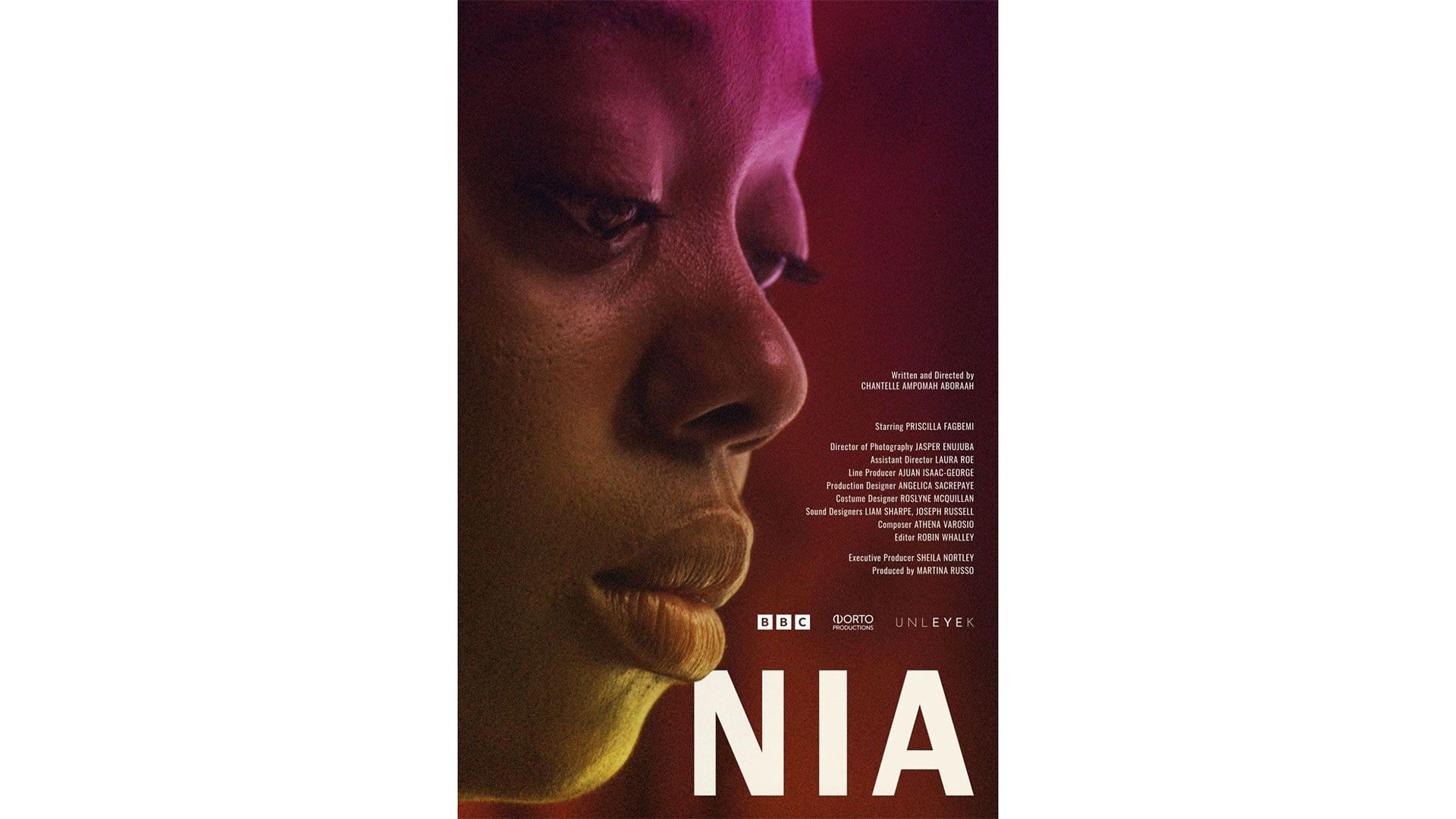
Chantelle’s film NIA (2023) follows a young Black woman in the aftermath of her grandmother’s death as she undertakes a journey of self-discovery. It weaves in themes of multi-racial adoption and belonging infused with magical realism. The film has screened at Aesthetica, Bute Street, Cleveland and Women X, and Chantelle is currently working on her next short.
Naqqash Khalid
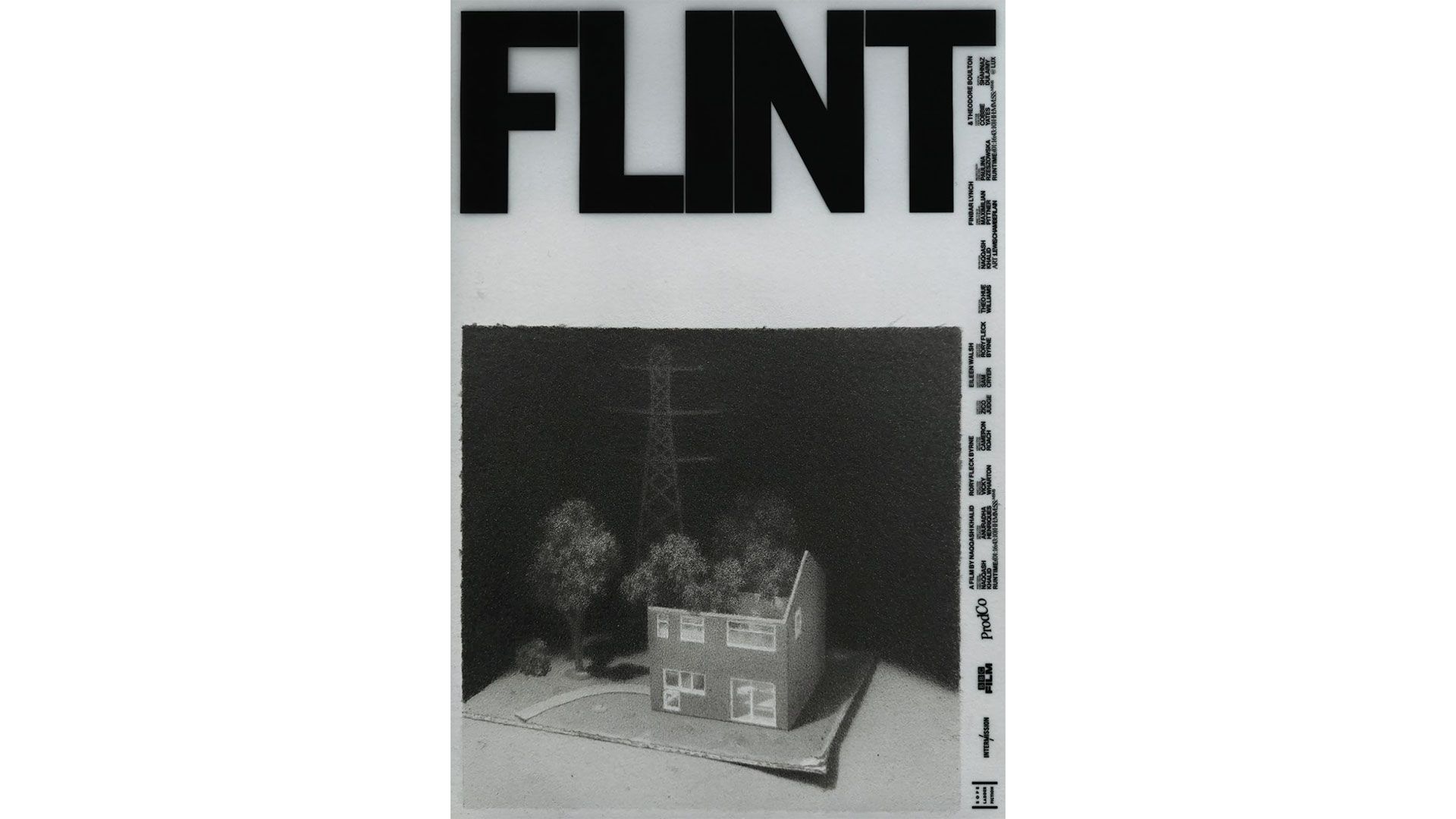
Naqqash’s latest short Flint (2025) was commissioned for TV by the BBC, a rare and exciting step forward for short films. Naqqash’s debut feature In Camera came out last year and the writer-director has a number of other shorts and features under his belt.
Sky Yang
Short Stuff was honoured to publish an original piece from Sky called Dear Google, an accompaniment to his debut short film Sunny (2020). Both are poetry-based narrative works that tackle themes of racism, cultural alienation and empowerment. Sky continues to make shorts and is also developing his debut feature film.
Aiyana Goodfellow
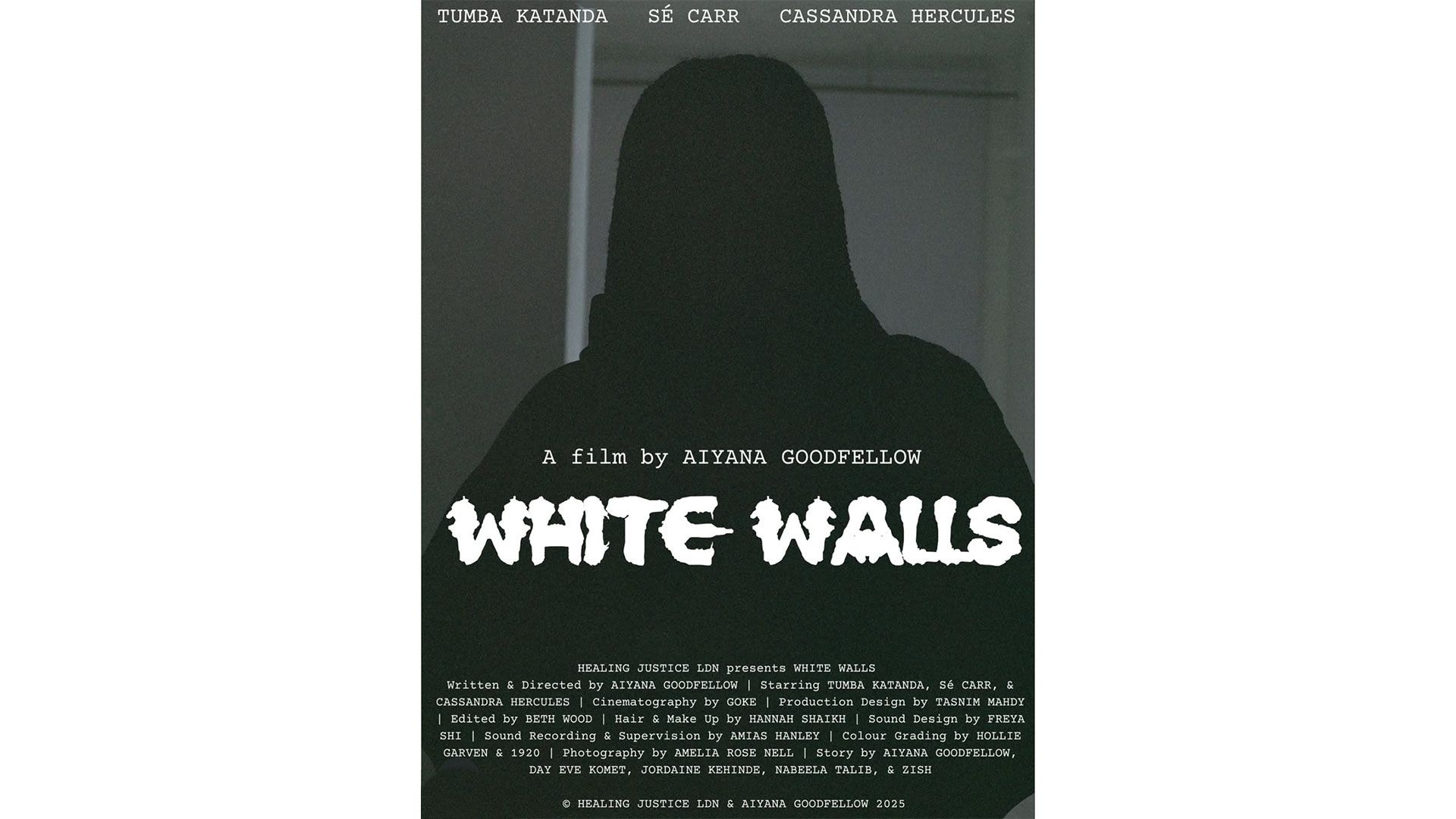
During their time at community organisation Healing Justice Ldn, Aiyana decided to make White Walls (2025), a short film that centred the experience of a Black psychiatric patient. In line with all of Aiyana’s work as a writer, director and activist, the film acts as an intervention to the mental-health system and gives those who have been silenced their voices back. Aiyana is currently writing more scripts and developing future shorts this year.