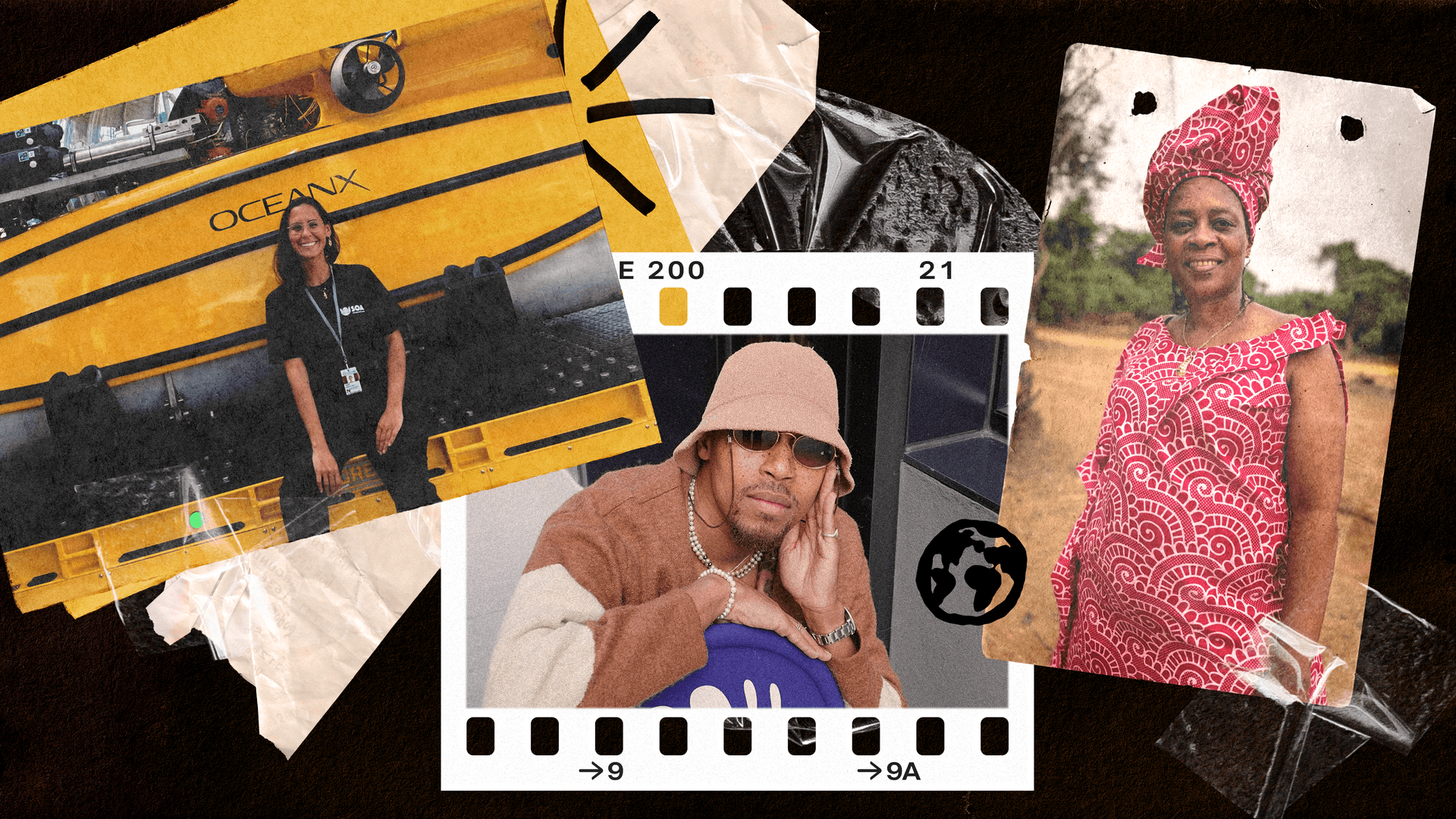
Over the past few years, the news has been dominated by big, discouraging stories – from spiralling geopolitical tension to headline-grabbing protests and climate-fuelled disasters affecting millions worldwide. And it can be difficult to hold on to hope. The constant stream of bad news has a way of flattening everything, leaving little room for stories of progress or possibility. Yet in many corners of the world, change is still being driven by individuals committed to improving lives at a local level – shaping better futures through action.
That’s why we’re shining a spotlight on some incredible activists and changemakers around the world who are building something meaningful from the ground up. Here, we explore their work, the challenges they face and the impact they’re having in their communities – and the quieter futures they’re helping to shape. Their work matters and their stories deserve your attention.
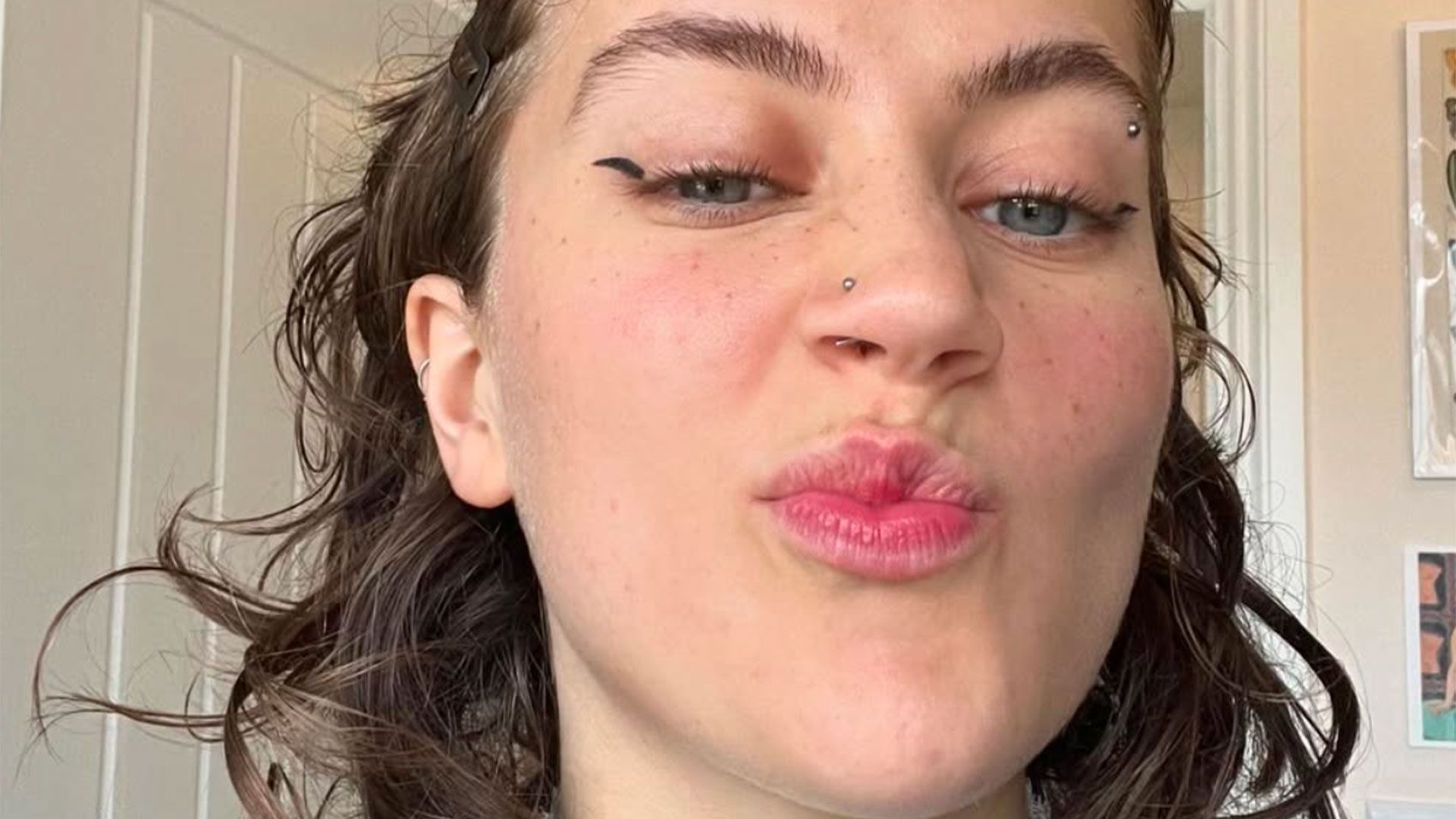
Meet... Lauren, a climate activist who works to coordinate large-scale mobilisations against new oil and gas. Having worked on campaigns such as Stop Cambo, which gained widespread public support and was ultimately a success, Lauren is now one of the lead campaigners fighting against the undeveloped oil and gas field in the North Sea, Rosebank. The world isn’t on track to limit warming to 1.5C, which is deemed the threshold temperature rise to avoid the worst effects of climate change. Adding new developments like Rosebank could push us closer to our world becoming uninhabitable.
The Bigger Picture: “The UK government is currently considering approving a massive new oil field at Rosebank,” says Lauren. “Over 1 million people have petitioned [Keir] Starmer to reject it, and now we’re awaiting a decision. But we’re waiting, knowing that time and time again, people have proved that winning is possible. I believe that a fairer, cleaner energy system is not only possible – it’s already within our reach if we choose to prioritise people over profit.”
Get Involved: You can write to your local MP with the campaign’s party-specific templates. You can also join Stop Rosebank’s next event or apply to be a part of the campaign.
2. Sofia Akel
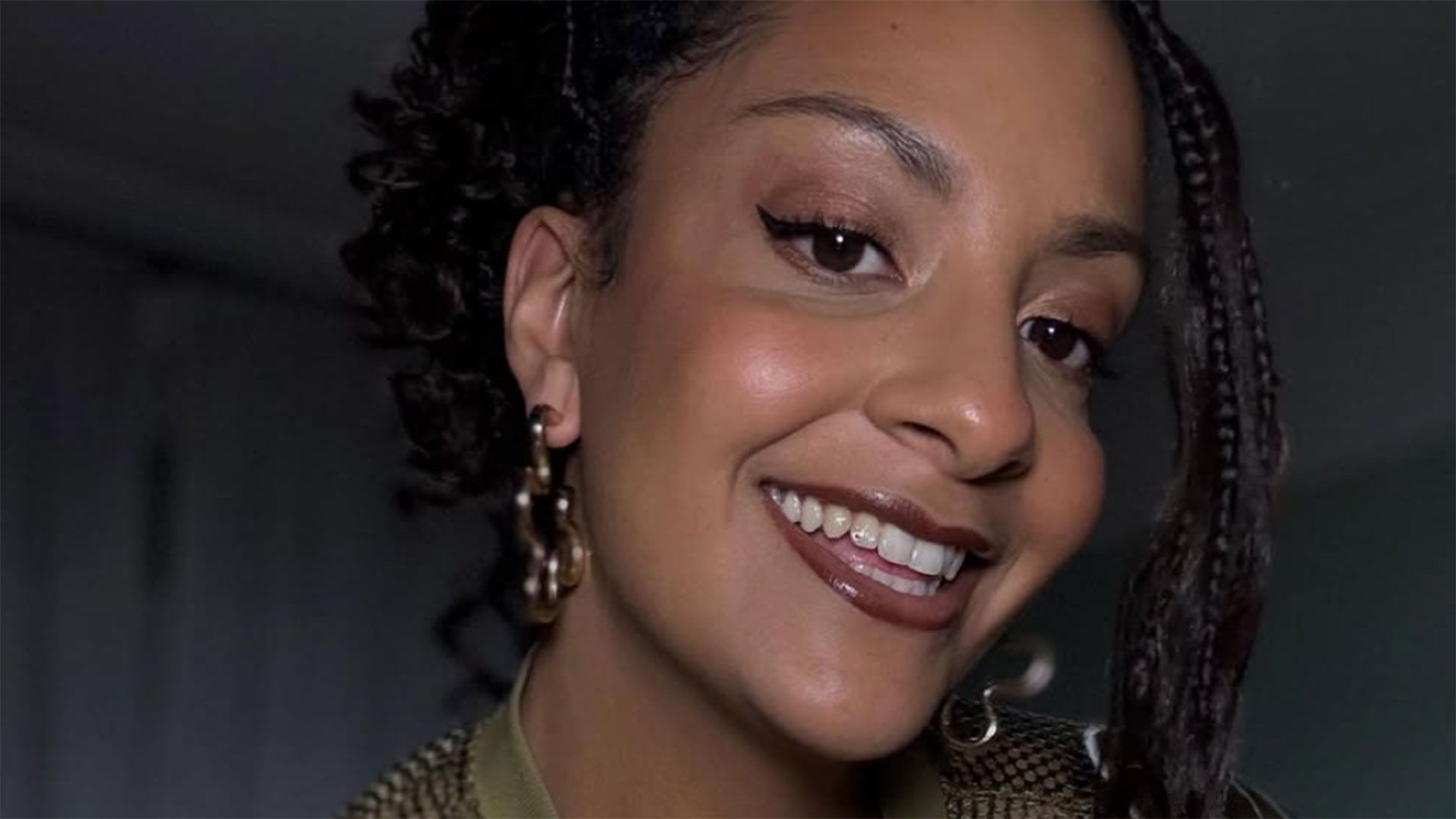
Meet... Sofia, an award-winning cultural historian, writer and lecturer specialising in Black British history. She’s the founder of the non-profit Free Books Campaign, which is working to bridge the gap in access to literature for all ages. In its fifth year, the Free Books Campaign donated more than 14,000 books across its events. “2026 will be a big year as we respond to our community’s needs over the years, like libraries closing down, and it means we’ll be looking into more ways we can show up for our community,” says Sofia.
The Bigger Picture: Access to literature remains a systemic issue. In the past 10 years, more than 800 libraries in the UK have been permanently closed, widening the gap in access to literature.
Get Involved: You can support the Free Books Campaign by donating here.
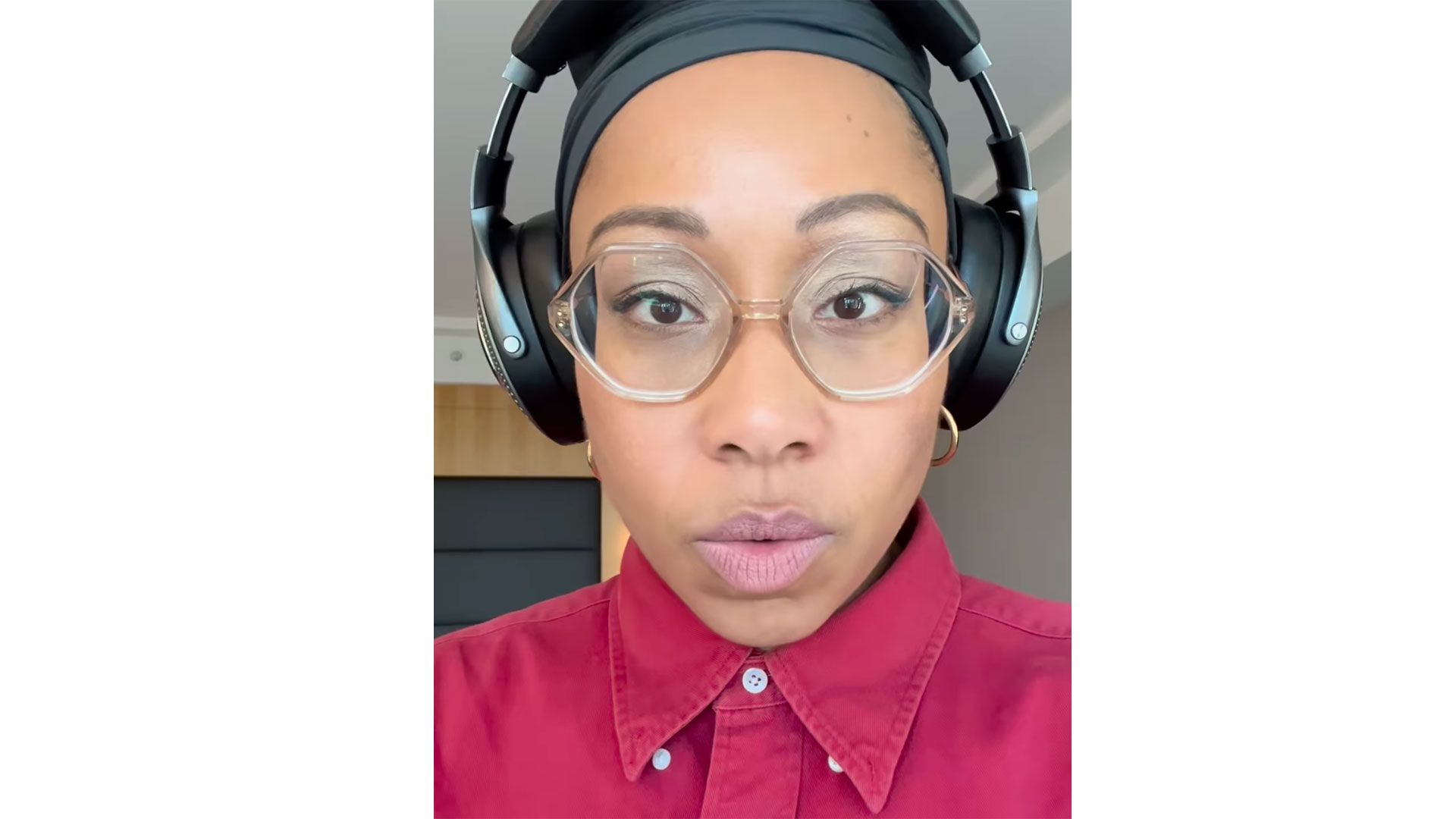
Meet... Yassmin, a Sudanese author, broadcaster and award-winning social advocate. She has published five books, including the essay collection Talking About A Revolution. Yassmin has been fiercely advocating for Sudan during the ongoing war and recently co-organised the Creatives 4 Sudan auction which brought together writers, artists and cultural figures who donated work and experiences in solidarity with Sudan and raised £19,000 for community workers on the ground in Darfur.
The Bigger Picture: In April 2023, a war against civilians broke out in Sudan and in the years since, the country has experienced the largest humanitarian crisis since records began. The situation in the city of El Fasher is catastrophic, with the entire population facing constant threats of violence. “The ongoing genocide and war against civilians in Sudan is beyond horrific and tragically underreported,” Yassmin said ahead of The Creatives 4 Sudan auction. “The auction [was] a direct way for folks to support lifesaving work on the ground. Art and poetry have been key ways through which Sudanese civilians have expressed their desire for freedom, peace and justice in their homeland.”
Get Involved: You can donate to a selection of vetted fundraisers run by grassroots organisations in Sudan and around the world.
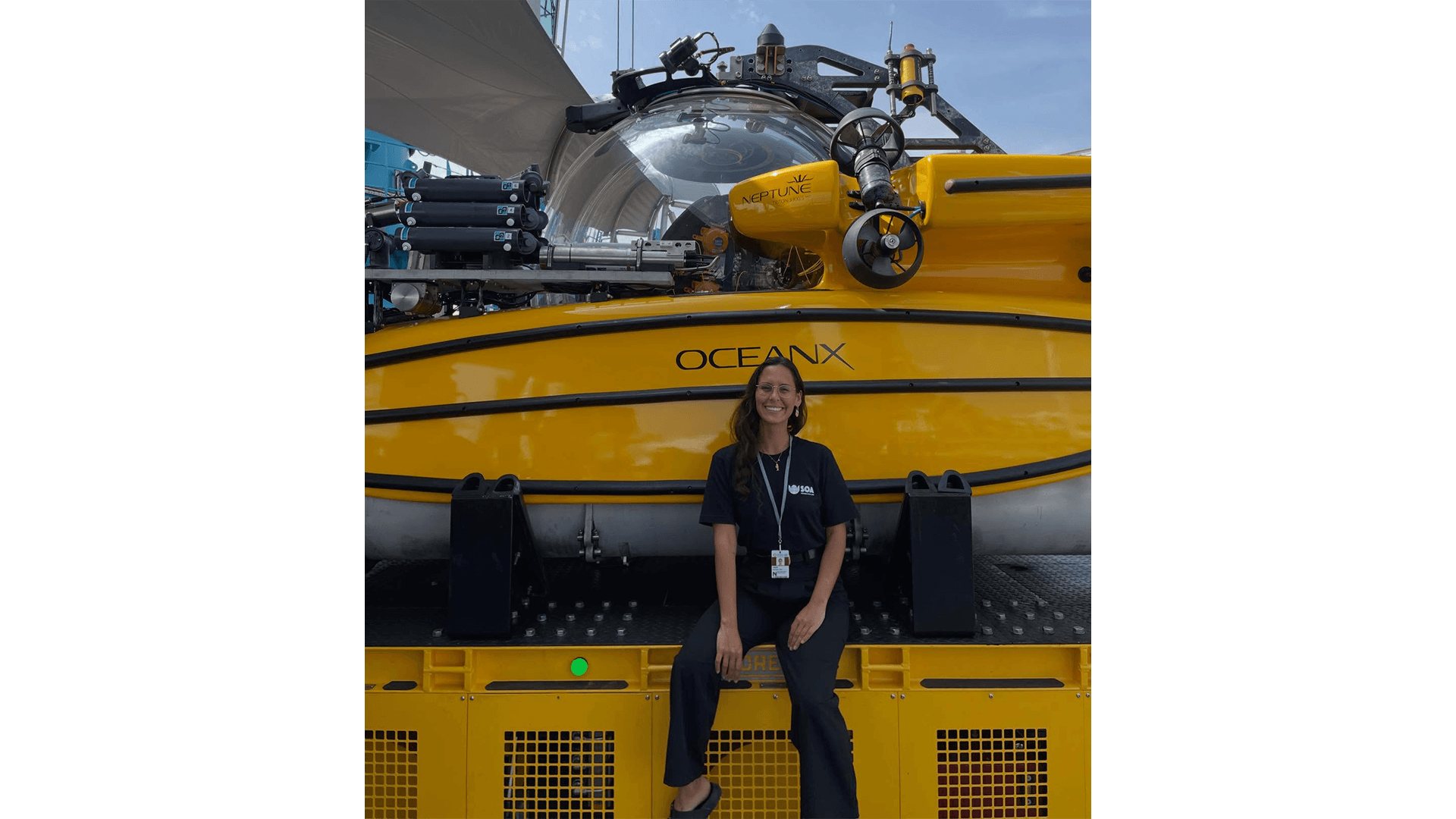
Meet... Arzucan, a conservation scientist, sailor and diver. She’s the co-founder and research programme manager of the Miyaru Programme, a Maldivian non-profit organisation. The Miyaru Programme was founded in January 2023, with the objective to conduct and support research and conservation initiatives focused on the shark species of the Maldives and wider Indian Ocean.
The Bigger Picture: The Maldives is one of the last remaining sanctuaries for sharks. The government banned shark finning in 2010, but it is always under threat of a reversal. Shark and ray populations have fallen by 71% globally since 1970 as they’re caught for their fins, meat and oil.
Get Involved: You can support the Miyaru Programme by making a one-off donation or a monthly contribution.
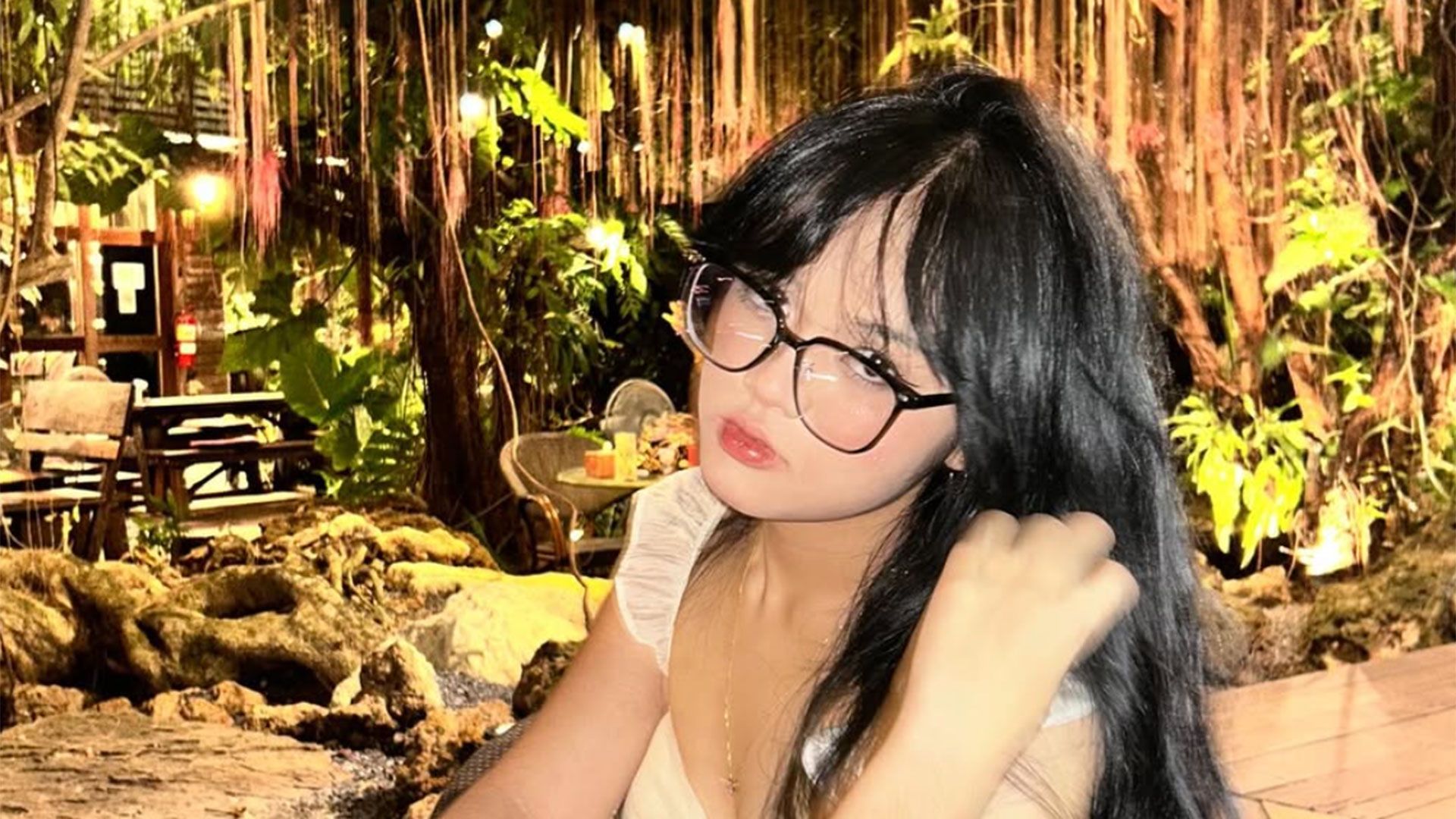
Meet... Ain, the founder of Pocket of Pink, a Malaysian feminist initiative building spaces for young people to explore gender justice. She sparked a national conversation in Malaysia after she called out her teacher, on TikTok, for a rape joke he shared in front of her class. Ain used the national attention sparked by her video (more than 22 million views) and subsequent campaign to build Pocket of Pink – a platform not just to fight back against harm, but to build a world where young people feel safe and confident in their identities. Ain and her organisation have already reached more than 220,000 young people with their workshops, resources and education.
The Bigger Picture: Gender inequality remains an issue in Malaysia with some progress being made but its institutions still rooted in structural biases. There are also cultural barriers as parts of Malaysian society still hold beliefs around modesty and gender roles.
Get Involved: You can donate to Pocket of Pink or partner with them on workshops and projects.
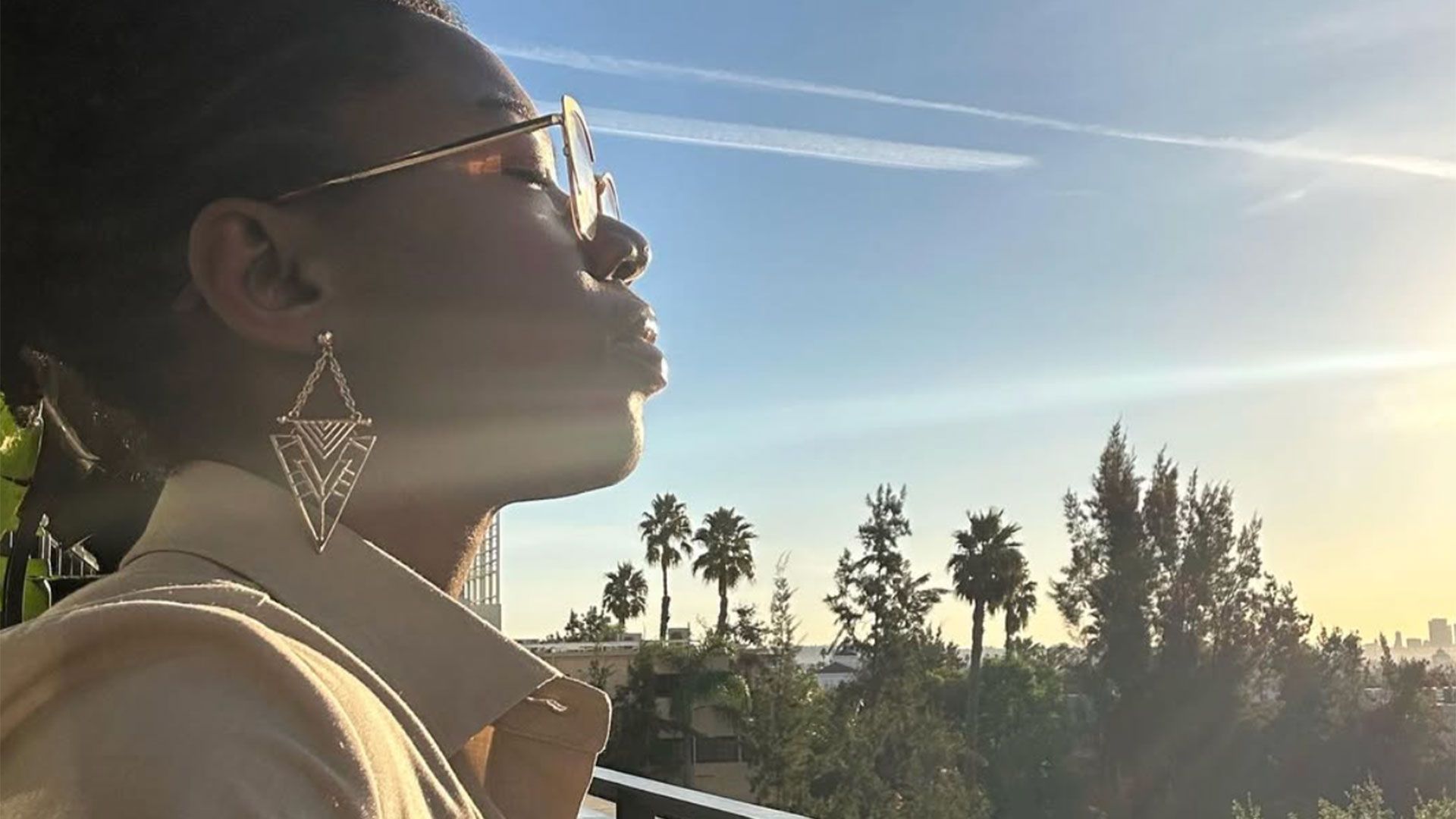
Meet... Joy, who, as a student at MIT, discovered gender and skin-type bias in commercially sold products from companies including IBM and Microsoft. She continues to work to challenge bias in software through various formats (such as her spoken word project, AI, Ain’t I A Woman?) and founded the Algorithmic Justice League, an organisation that works to demonstrate the harms of artificial intelligence. AJL’s mission is to raise public awareness about the impacts of AI and empower the voices of the most affected communities such as their Community Reporting of Algorithmic System Harms (CRASH) Project, which brings together stakeholders for discovery and prototyping of tools, and the Gender Shades Project.
The Bigger Picture: AI has become a part of our lives, but there are significant consequences to it becoming embedded in our societies. Some healthcare systems and law enforcement agencies are using AI technologies that reinforce patterns of racial discrimination, which can threaten our collective civil liberties and amplify structural systems of discrimination such as racism, sexism and ableism.
Get Involved: You can donate to AJL and follow them on social media.
7. Dr İlayda Eskitaşcioğlu
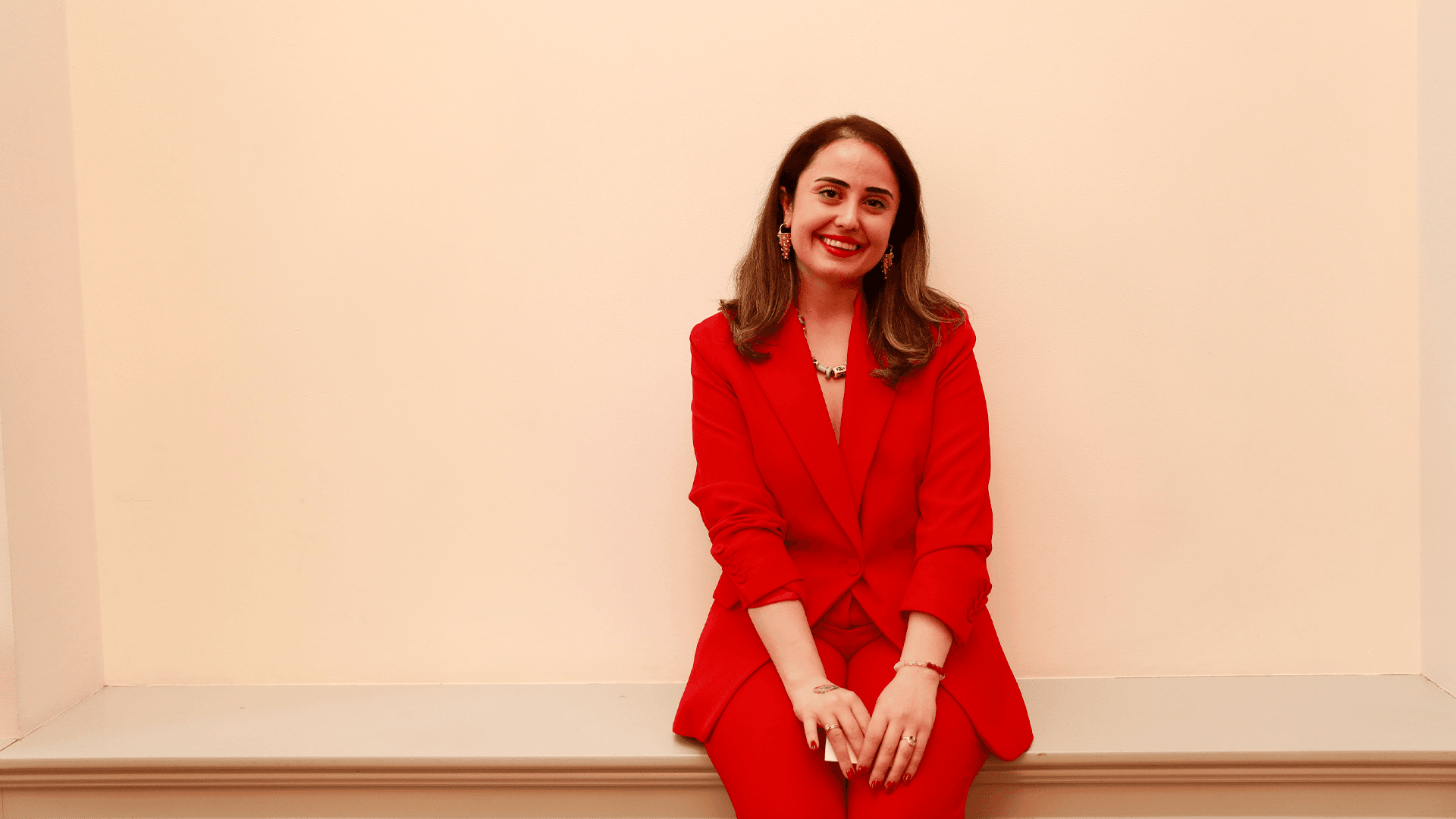
Meet... İlayda, a human rights lawyer and co-founder of We Need to Talk in Türkiye, an NGO fighting against period poverty and stigma, particularly among rural communities. For İlayda, menstrual justice is an integral part of the struggle for gender equality. The organisation conducts research into menstrual injustices as well as provides educational resources and works to increase the accessibility of menstrual products in the country. İlayda and We Need To Talk have reached over 1.8 million young girls and women in Türkiye, as well as publishing the country’s first research project and first children’s book on menstruation.
The Bigger Picture: As in many parts of the world, menstruating students in Türkiye fall behind in their studies because they can’t access hygiene products. And in the workplace, women can feel compelled to hide their periods and face economic difficulties because they don’t have access to free menstrual products. “In the aftermath of the devastating earthquakes in 2023 that affected our region, one young earthquake survivor, a 12-year-old girl whom we met during our post-disaster response fieldwork, told us: “My mom already has a thousand troubles; how can I expect her to deal with my period too?” This is why I do what I do – to turn this exact sentence around” says İlayda. “We Need to Talk sounds like the first sentence of a break-up speech but that's exactly what we want to do: to normalise uncomfortable conversations as the first step of breaking taboos around our cyclical bodies.”
Get Involved: You can donate money or menstrual products to Konuşmamız Gerek Derneği (We Need To Talk).
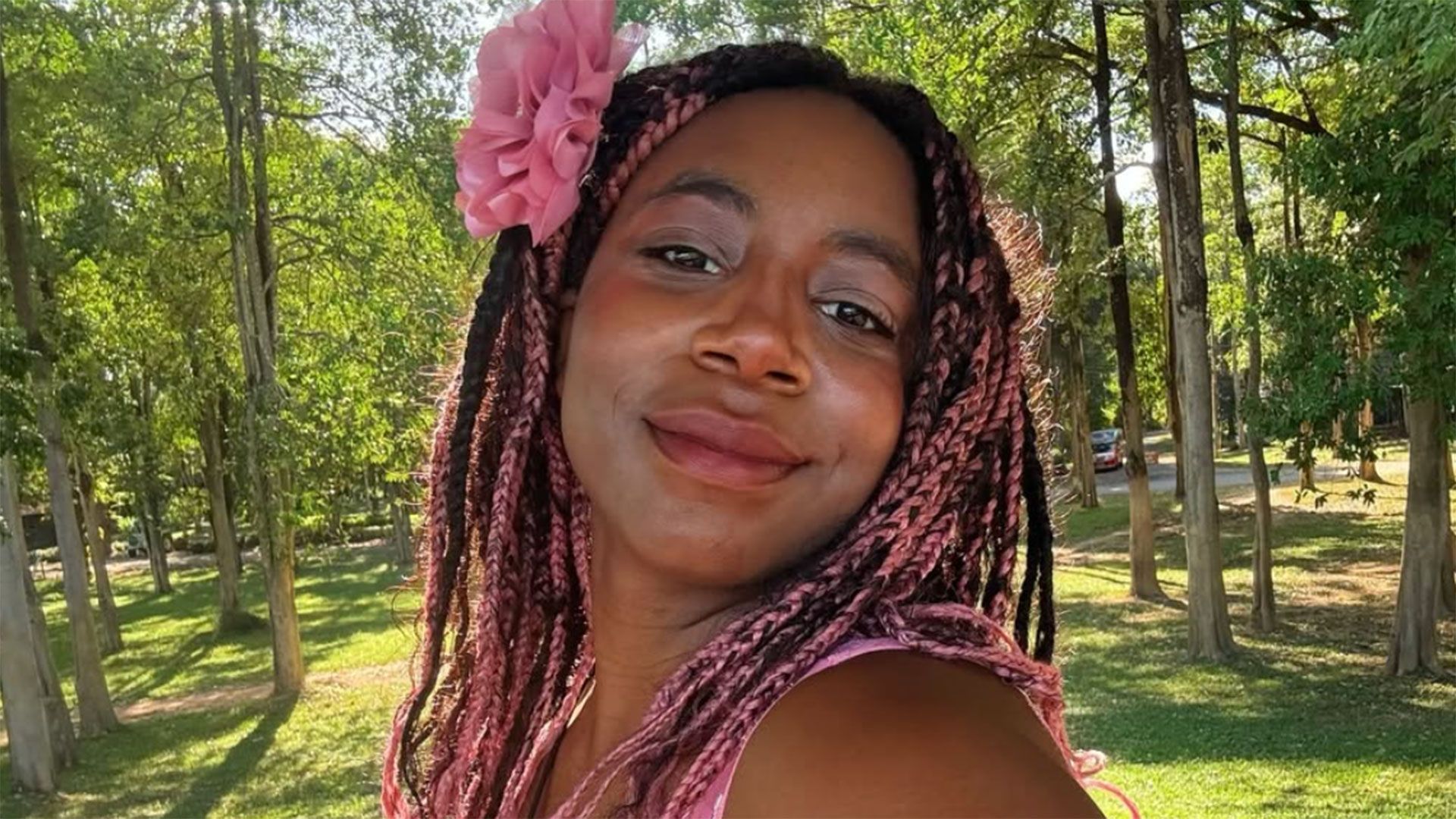
Meet... Dominique, an award-winning youth climate justice advocate who works on uniting people for climate action, speaking to world leaders, intersectional climate justice and using creative means and the arts to create a cultural shift for protecting our planet. Dominique has been involved in several climate-related campaigns, such as the 2019 strikes – a series of mass protests led largely by young people calling for climate justice – and creates social media content calling for action. She’s a founding member of the Youth Climate Justice Fund, an activist for the #StopRosebank campaign and an organiser in the UK Black Eco Feminist Collective.
The Bigger Picture: The accelerating climate crisis is a major driver of global instability. Extreme weather (which is only becoming more common) is leading to widespread loss of life, while also causing resource scarcity, displacement and civil unrest. “My activism is a love letter to the Earth, the only home we have,” says Dominique. “Inequalities dictate who bears the biggest brunt of the climate crisis, and inequalities deepen the climate crisis. The overwhelm of everything to tackle can be daunting – even for a long-time activist like me. However, I have this concept I call ‘climate joy’ – looking at how we build hope, resilience and hold on to joy while resisting.”
Get Involved: You can follow Dominique on Instagram and write to your local MP about Rosebank.
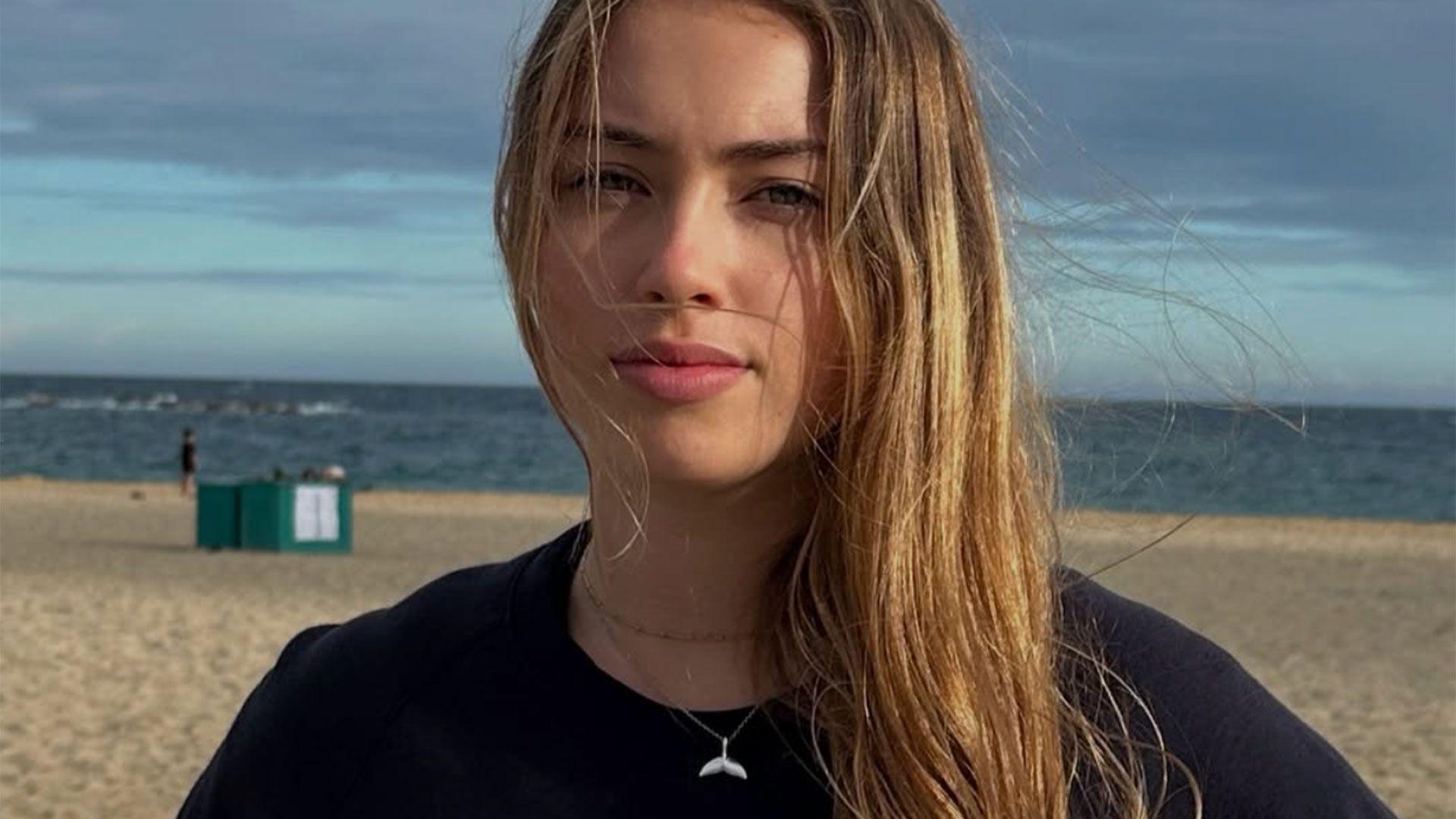
Meet... Olivia, an ocean and animal rights activist based in Spain. She created the Jelly Cleaner, a tool that cleans microplastics from the sea surface, and is fighting to keep the Mediterranean Sea clean. Her latest campaign #noespaisparadelfines is working to push the Spanish government to pass a law to close dolphin parks and end cetaceans being kept in captivity.
The Bigger Picture: Dolphins, as well as whales and orcas, are animals with high social intelligence, in need of their community to develop and grow. In Spain, there are up to 11 dolphin parks and the country has the highest number of captive cetaceans in Europe. Olivia has been fighting on behalf of these mammals for years, launching her first campaign in 2020. Her current campaign already has more than 160,000 signatures and has been presented to the Spanish senate.
Get Involved: You can sign Olivia’s #noespaisparadelfines petition.
10. Nemonte Nenquimo
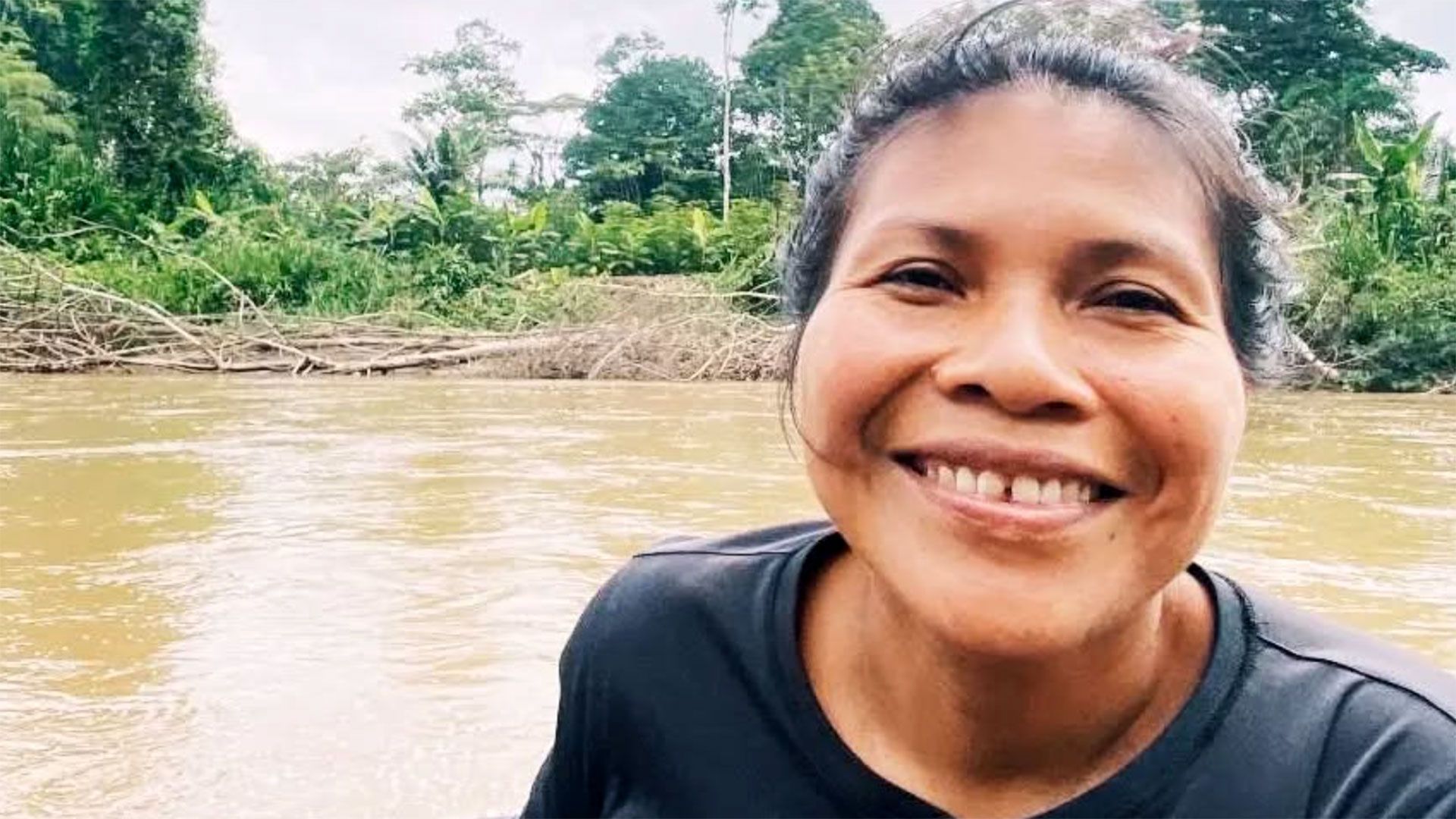
Meet... Nemonte, an environmental and Indigenous rights activist. She’s the co-founder of Amazon Frontlines, a collective that drives conservation, protects biodiversity and promotes Indigenous autonomy and empowerment in the Amazon. Nemonte (and others) are campaigning against the Ecuadorian government’s plan to sell 8.7 million acres of the rainforest to oil companies. The campaign, The Amazon Is Not For Sale, encourages people around the world to sign their petition and in 2025, a letter signed by more than 80 figures, including prominent organisations and celebrities, was delivered to the judges of the Constitutional Court of Ecuador. The threatened rainforest territories are home to many Indigenous communities who have defended the land for generations.
The Bigger Picture: The Amazon rainforest is one of the most biologically diverse ecosystems and is home to millions of species of plants and animals, as well as a million Indigenous people. These lands face constant threats from deforestation, illegal logging and governments attempting to sell off the land.
Get Involved: You can sign Amazon Frontlines’ petition to push back on the Ecuadorian government’s plans and you can donate to the organisation to support their action too.
11. Plestia Alaqad
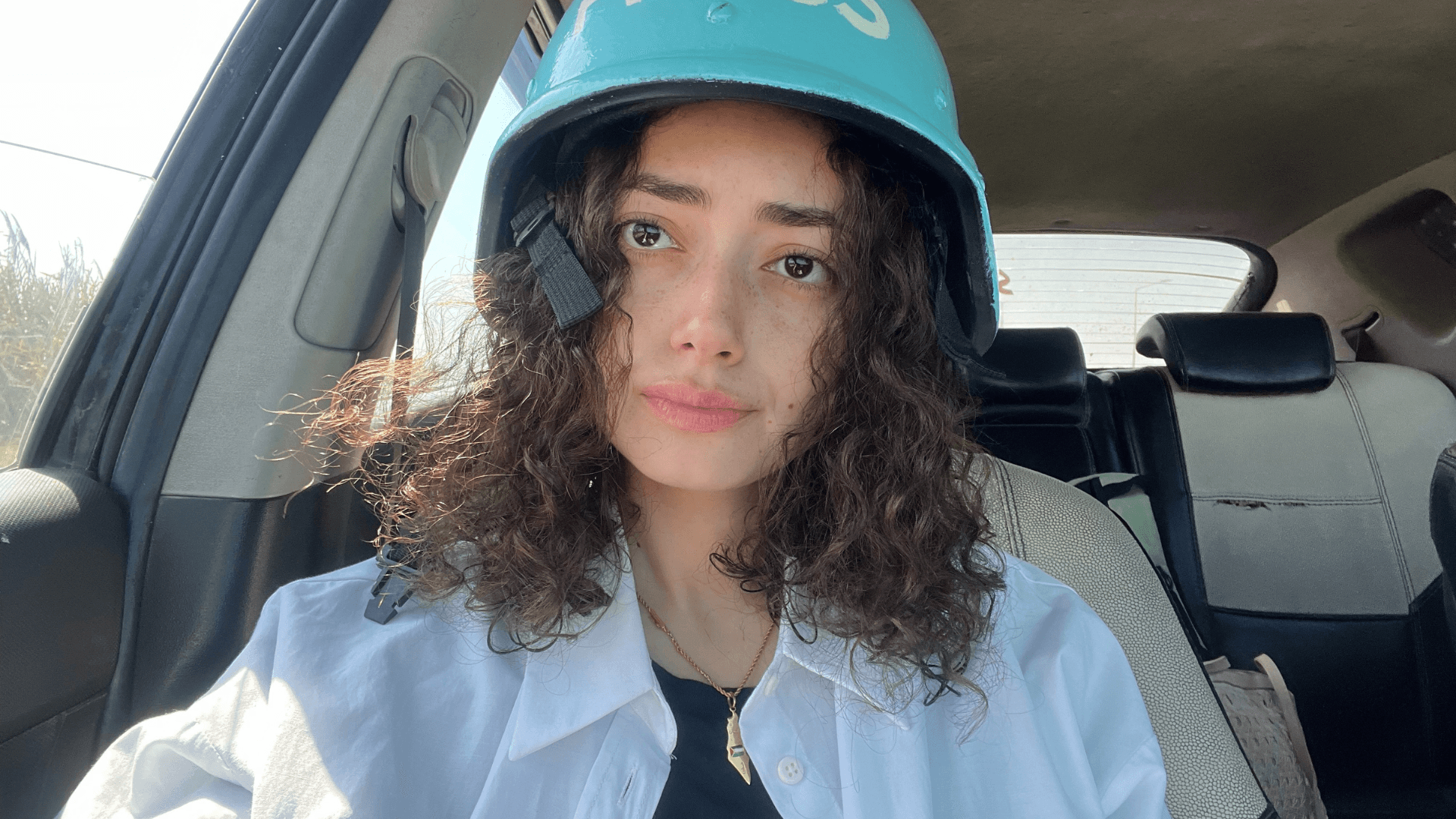
Meet... Plestia, an award-winning Palestinian journalist and the author of The Eyes of Gaza: A Diary of Resilience. She was regularly reporting on the ground in Gaza as the genocide unfolded, sharing videos of the violence and destruction. Through her book and advocacy for Palestinians, Plestia continues to shed light on the experiences of Palestinians in Gaza through social media content, events and media work. “We say that we want the world to be a better place for everyone, but wanting a better world means willing to become better for it,” says Plestia.
The Bigger Picture: Since the ceasefire began on 10 October 2025, Israel has broken it hundreds of times, killing at least 425 Palestinians and 1,206 wounded. On top of this, the people of Gaza are attempting to navigate the destruction and lack of infrastructure and resources as the humanitarian crisis worsens. “I watched my friends and neighbours get killed by Israel – these people, whom I personally knew, barely got a passing mention on the news,” says Plestia. “I wanted to show the world Gaza through my eyes, because I want the world to know Gaza through Gazan eyes, and to help create platforms where we can exist, be heard and be seen fully as we truly are. Outside Gaza, censorship, restrictions on movement and rejection follow you everywhere. I learnt that the world is more afraid of you as a refugee than of the genocide that forced you to become one in the first place.”
Get Involved: You can buy Plestia’s book, The Eyes of Gaza: A Diary of Resilience, or donate to Medical Aid for Palestine, Save the Children and other trusted international charities.
12. Ben Hurst
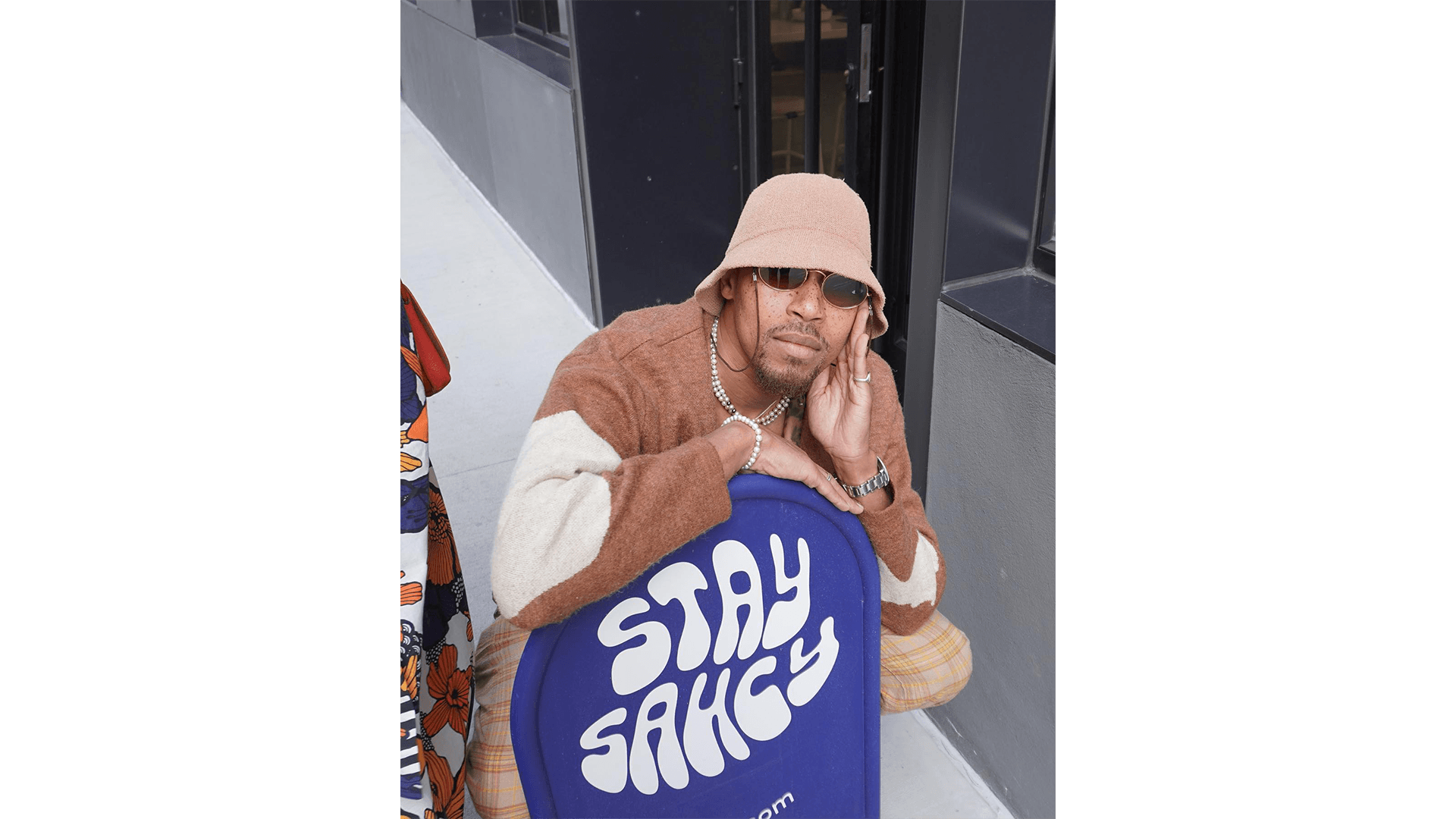
Meet... Ben, an activist, advocate and the director of facilitation at Beyond Equality, a UK-based organisation that engages men and boys in the gender equality conversation across schools, universities and corporate spaces. Ben’s specialism is the gendered stereotypes that men inhabit. He helps boys and men to deconstruct and explore their own relationship to masculinity, with humour, openness and no judgment. His work at Beyond Equality has helped the organisation reach more than 100,000 participants, train 1,493 teachers and his TEDx Talk, Boys won’t be boys. Boys will be what we teach them to be, has also amassed over 180,000 views.
The Bigger Picture: Gender equality has come on leaps and bounds over the past few decades but with the rise of the far right and populism, women’s rights, such as reproductive rights, are again being eroded. And gender-based violence remains a primary concern globally, but it needs to be a conversation that includes how men can tackle this violence too.
Get Involved: You can donate to support Beyond Equality’s work.
13. Rugiatu Turay
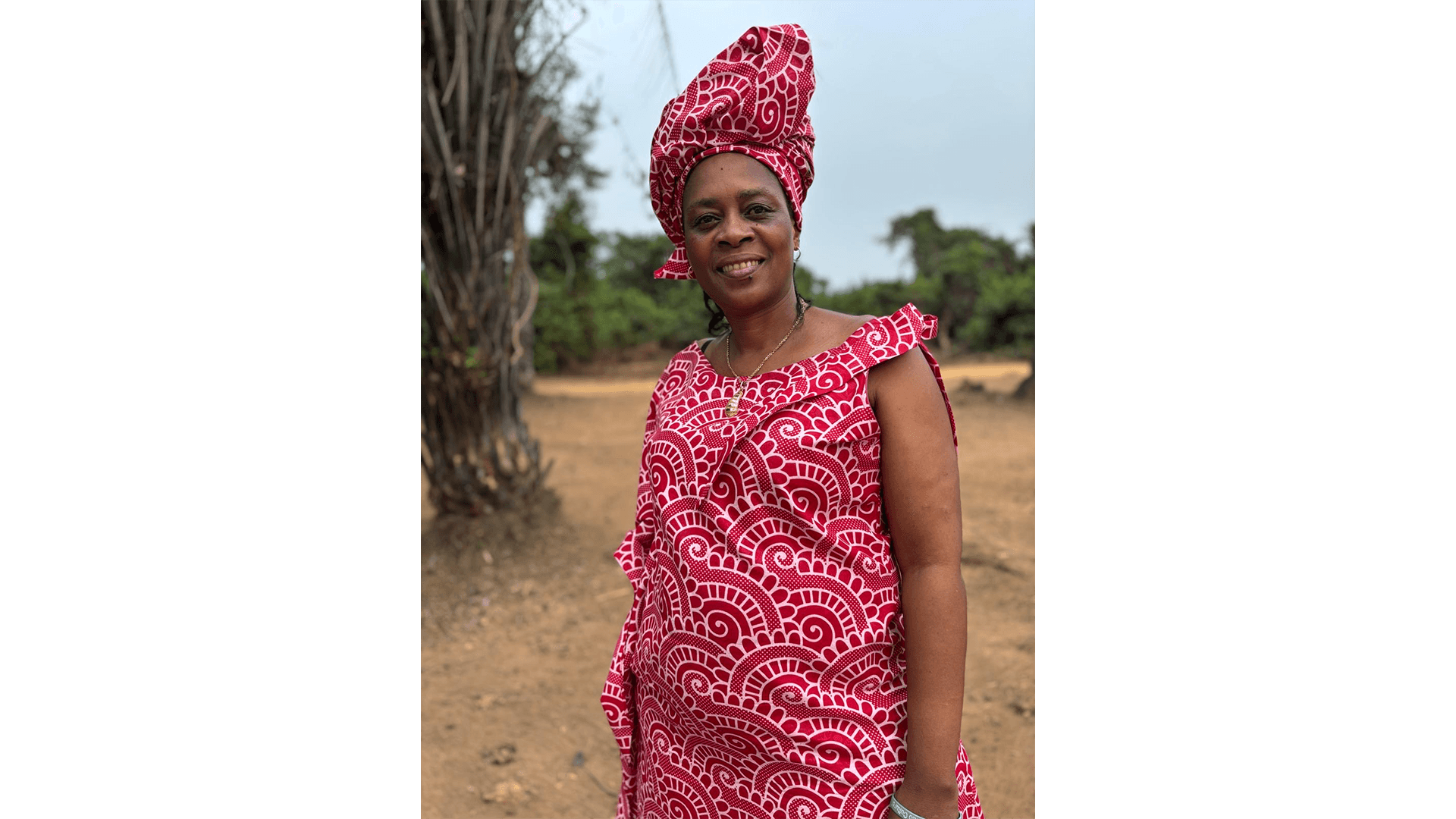
Meet... Rugiatu, the founder of the Amazonian Initiative Movement (AIM) in Sierra Leone and a leading activist campaigning to outlaw female genital mutilation (FGM). Through policy advocacy and community-led education, AIM works to expose the severe physical and psychological harms of FGM, including chronic pain, infertility, sexual dysfunction, mental health challenges and, in some cases, death. The organisation delivers nationwide programmes in Sierra Leone, including its recent Tree of Life Training, which brought together over 120 participants from all 13 chiefdoms in the Port Loko District equipping them with tools to challenge harmful practices and support the abandonment of FGM in their communities.
The Bigger Picture: FGM is still commonplace in several nations around the world, including Sierra Leone – which has one of the highest rates of FGM globally. For AIM, it isn’t just about outlawing FGM practices but also educating communities and changing mindsets.
Get Involved: You can donate to AIM’s work in Sierra Leone.
14. Rima Sultana Rimu
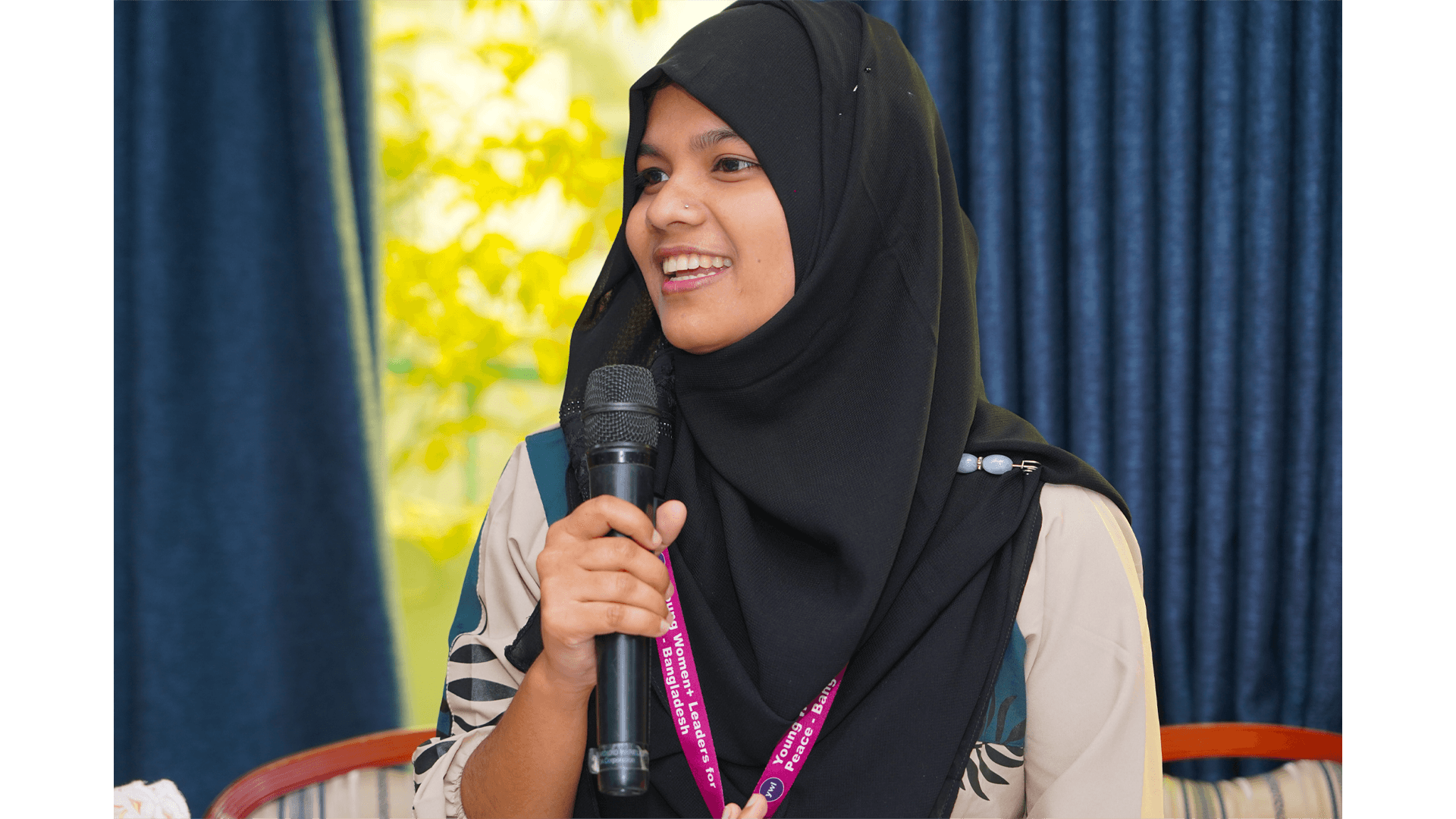
Meet... Rima, who works to provide educational resources for women and children in Rohingya refugee camps in Bangladesh. A Young Women Leaders for Peace member with the Global Network of Women Peacebuilders, she uses radio broadcasts, theatre performances and community-based teaching to share the UN Security Council’s recommendations on women, peace and security. Through her activism, Rima is working to ensure that every woman and girl knows her rights — and has the power to shape a more just and equal world.
The Bigger Picture: Due to the cultural landscape, many women and girls are forced to leave school at a young age and end up not being able to read or write – leaving them economically disempowered.
Get Involved: You can donate to the Global Network of Women Peacebuilders to support local women’s organisations and leaders, like Rima, around the world.
15. Sara Bonaparte
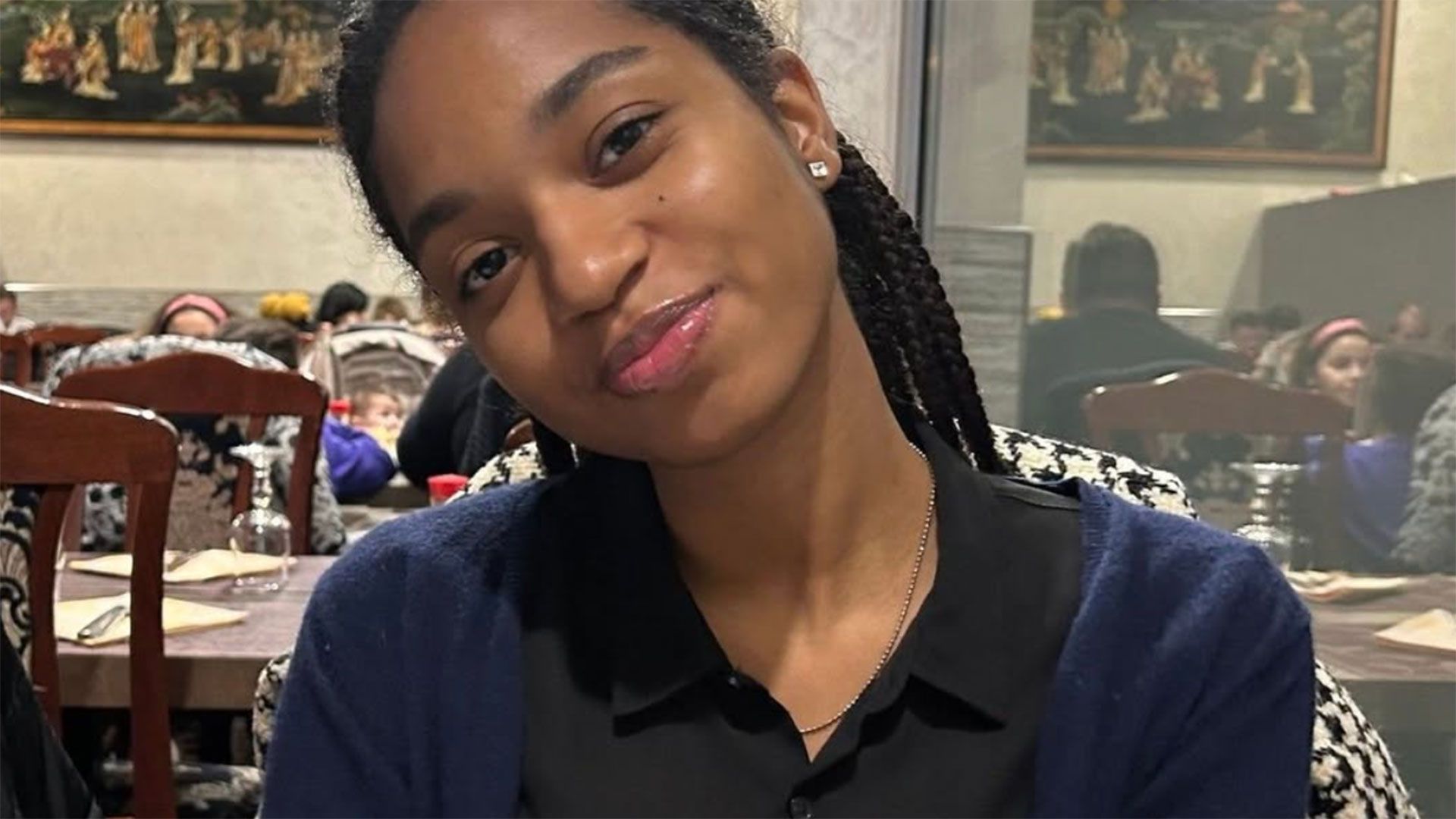
Meet... Sara, who’s based in Italy and a member of the UN Women Italy Youth Committee and the founder of Today’s Lives Project, an international platform offering new perspectives on migration, discrimination and cultural and racial identity. She works to expand the representation of people of colour across sport, media and politics, using writing and advocacy alongside her work with UN Women to address urgent generational issues, including gender equality and violence against women.
The Bigger Picture: Similar to many other European nations, overt racism in Italy has increased in the past decade, fuelled by the rise of far right and nationalist parties. ‘Italians First’ is a motto that dominates several political campaigns, targeting thousands of migrants. Sara pushes back on this rhetoric by providing alternative views and increasing the representation of marginalised people through the Today’s Lives Project.
Get Involved: You can follow and engage with the work of the Today’s Lives Project on Instagram.