While preparing to launch Club For... Ukraine, a DIY club night in London raising funds for an all-women convoy of aid to the front line (you can read more about this here), one element I wanted to address was the imbalance between men and women, Trans and non-binary artists that persists across club nights and festivals around the world. For me, programming an all-women bill felt instinctive – so many of the DJs I love are women – and yet, for many bookers and promoters, representation remains an afterthought, a box to tick, where women are often relegated to opening slots or included sparingly on overwhelmingly male rosters.
DJ collectives such as Not Bad For A Girl have long been calling this out, most recently in an open letter highlighting two major UK festivals where men make up 80% or more of the billing, alongside a wider look at the latest season of bookings across leading clubs in London and Manchester.
The pattern is hardly isolated. Scotland’s TRNSMT festival is set to feature all-male headliners for the ninth consecutive year. Meanwhile others, such as Miami’s Ultra Music Festival, continues to skew heavily male across its main stages. There are signs of progress, with Sabrina Carpenter and Karol G stepping into headline slots at Coachella in the US and techno heavyweights Charlotte de Witte and Amelie Lens leading Awakenings in the Netherlands – but they remain inconsistent.
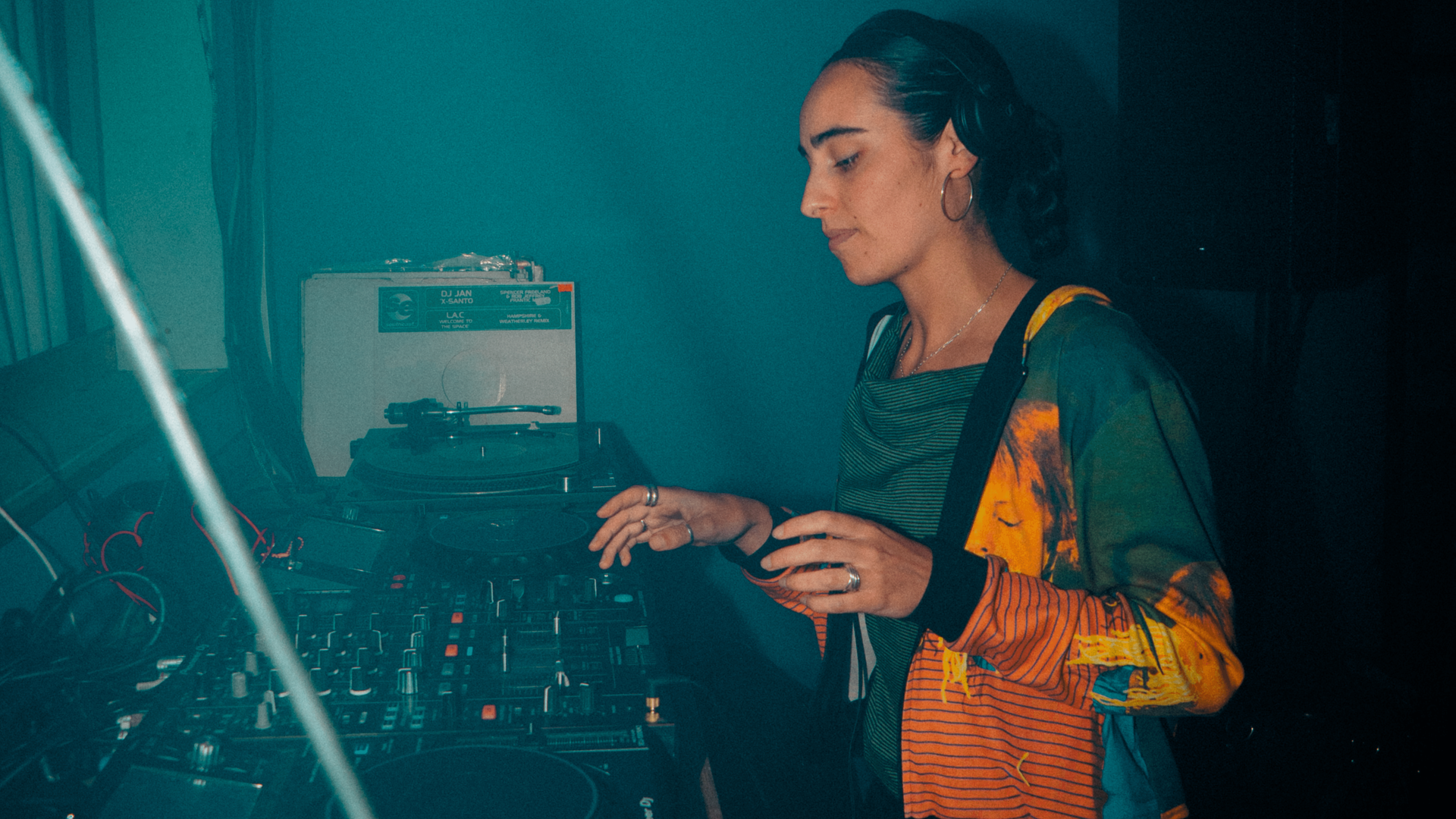
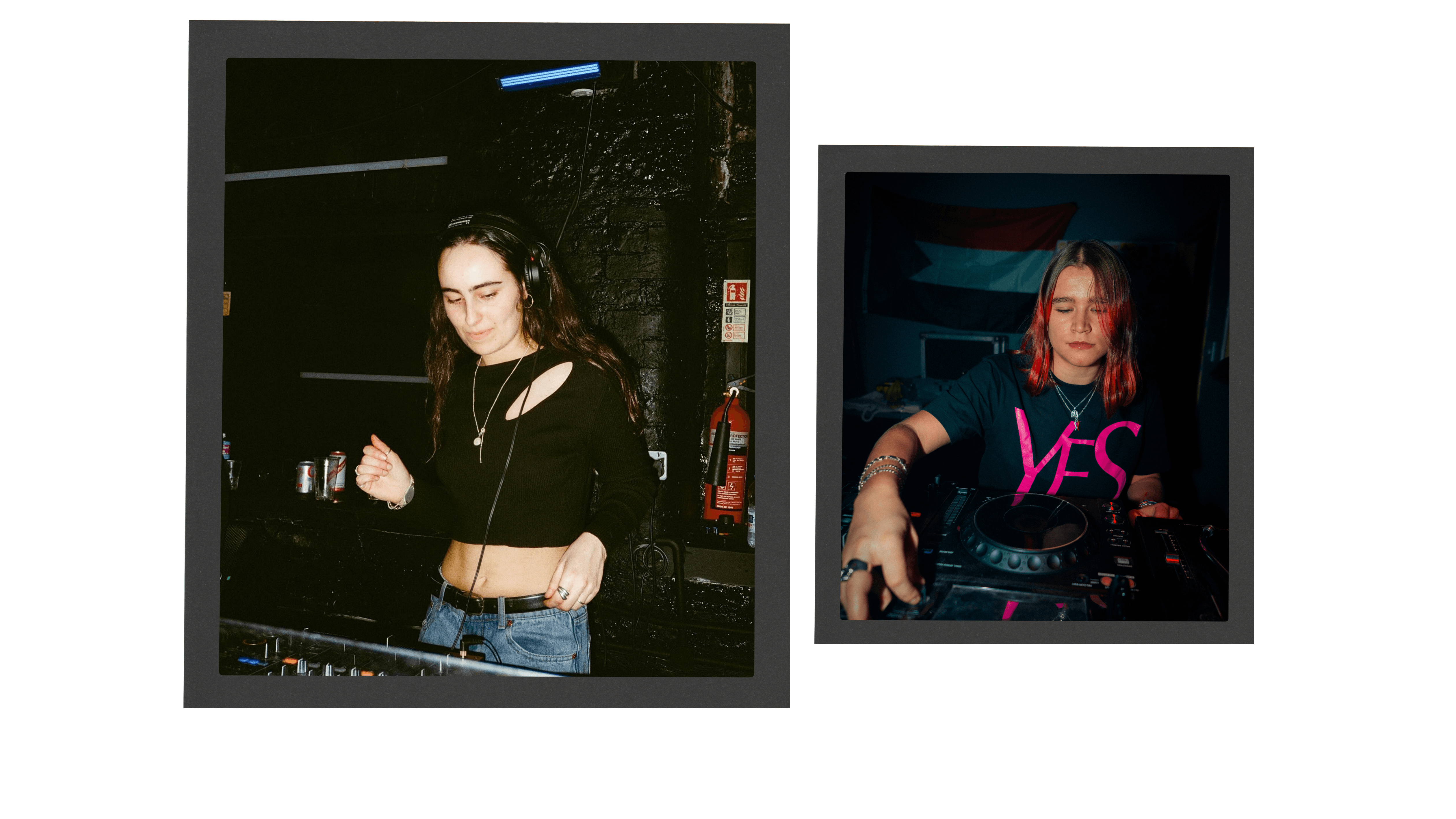
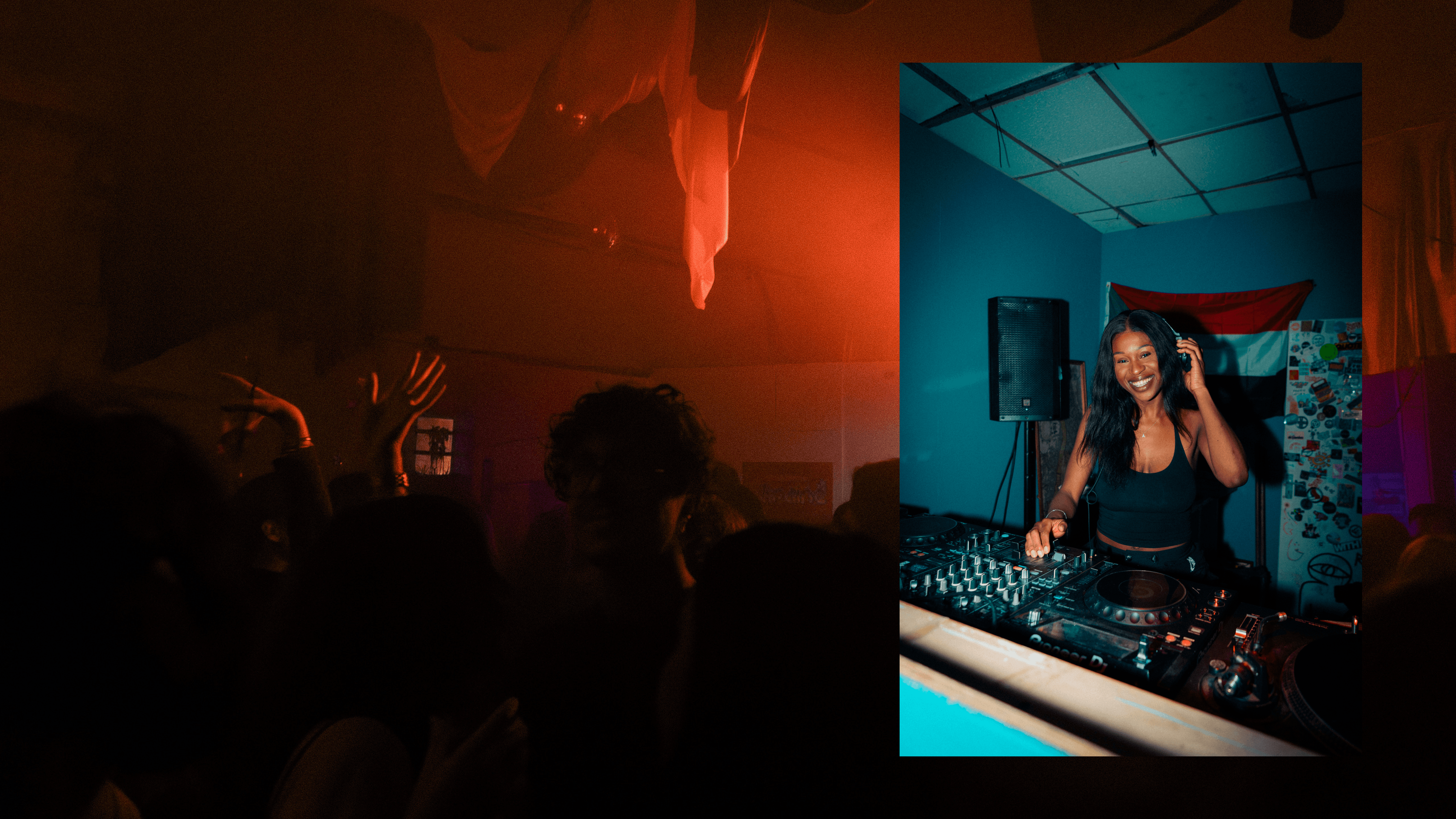
When Club For... launched its first edition for Ukraine, inclusivity was the foundation versus an afterthought. It fell on International Women’s Day weekend, so an all-women line-up was a given, but we shouldn’t have to wait for dates like this to spotlight women artists. The lineup brought together four UK-based women DJs: East London DJ ABIMBOLA, whose sets move between R&B, hip-hop, electronic and global sounds; Izzi, a Reprezent Radio resident with a deep command of hyper-specific scenes; MiNNA, whose 1970s discotheque-influenced sets always pull strangers together; and Zuri, a San Sebastián-born, Manchester-based DJ and Crop Radio resident with an experimental approach that’s easier to feel than categorise.
After the event, I spoke with each of them about what it takes to build a career in an industry that still, too often, requires women to fight twice as hard for space in the room...
On The Current Musical Landscape
Zuri: “It still baffles me that in 2026 promoters can get away with not booking a single female, non-binary, Trans or Black DJ. International Women's Day is an important reminder, but booking an all-female lineup for one night shouldn’t make up for a year of male-dominated programming. That’s not progress, it’s marketing.”
On The Pressure To Be Perfect
Abimbola: “There’s so much pressure to be on point. You see men online saying women only get booked because of how they look, so there’s that extra pressure to prove them wrong. You often have to work twice as hard to ensure you're not just booked because of your gender.”
On What A Progressive Nightlife Space Actually Looks Like
MiNNA: “When you enter a club, you should see faces from all backgrounds, cultures, ages and genders – just like real life. [There should be] inclusive lineups that don’t break the bank for punters.”
Zuri: “It comes down to education and curiosity. Simply looking for a female DJ to tick a box is lazy programming. If your network is mostly cis white straight men, it creates a bubble.”
On Creating A Sense Of Community
MiNNA: “The dance floor is a place where everyone should be equal. When the world feels heavy, music brings people from all walks of life together. Sharing the same language of dancing and a love for music is inspiring. That’s the power of music – and I feel lucky to play a small part in it.”
On What Needs To Change In The Industry
Abimbola: “I’d love to see more varied lineups of equal weight. Opening slots are important, but they don’t give an artist the chance to show what they can do as a headliner.”
Zuri: “I would like to see more people from underrepresented backgrounds booking and programming venues and festivals. Right now, many of the decision-making roles in nightlife are still heavily dominated by men, which I think is sadly why the lineups often reflect the same imbalance.”
MiNNA: “Less egos, less phones, more dancing and hugging on the dance floor. More inclusivity, and finally removing the word ‘female’ in front of DJ. It’s not necessary. The diversity of a line-up directly affects the diversity of a crowd, and it’s important to ensure dancefloors remain spaces where everyone feels welcome and safe. Oh, and security, let us bring our snacks to the club!”
Discover the sounds of the Club For... Ukraine DJs with their playlist of songs to get you on the dancefloor, over on Service95’s Spotify here