First dates should be simple. And yet, it has become trendy to make them absurdly complex. Over the last few months, I’ve been invited to climbing walls, escape rooms and avant-garde exhibitions by men looking to make the dating experience a little more ‘creative’ – all before we’ve even met. Friends have been everywhere from bowling alleys and rage rooms to arcades and clay pigeon shooting bars.
Whatever happened to just... taking someone out to dinner?
We’ve all heard the stories: person meets person, they go to a restaurant, connect over candlelight and a shared chocolate fondant and the rest is (romantic) history. These days, that feels almost radical. It seems that somewhere along the stream of matcha meetups, park runs, and other TikTok-able activities, the dinner date became... old-fashioned: a relic of the pre-dating app era, when everyone had more time, fewer side hustles, and less romantic cynicism that would render the idea of committing to an entire sit-down meal with someone utterly unbearable. In that way, it feels like a loss: a dinner date forces you to be present in a way that other activities don’t; to make a conscious effort to look and feel your best in a formalised setting. And yet, for many of us it has felt like something we’re more likely to see play out in a cult romcom than in real life.
Well, all this is set to change. Because in 2026, the dinner date is making a comeback. According to global restaurant bookings service OpenTable, date dining is up by nine per cent and 14 per cent year on year in the UK and US, respectively, with the platform tracking a rise in seated diners tagging ‘date meal’ when booking their tables. Meanwhile, a study from last year found that more than two-thirds of young daters prefer intimate dinners over drinks for a first date.
It’s an unexpected shift, particularly when you consider how much pessimism has been plaguing the online dating landscape in recent years. Everything is fodder for yet another melodramatic complaint or meme: There are no good single people left! Dating is devoid of joy! Everyone is awful! And so on. Increasingly fatigued by apps, people are looking for ways to invigorate the dating experience, whether that’s by attending singles mixers or making a conscious effort to approach people in the wild (two friends recently passed notes to people in coffee shops with their phone numbers written on them). Dinner dates are part of this sea change.
Agreeing to go for a meal with someone over, say, a quick drink that you can leave easily, or an activity date where there are plenty of distractions if conversation runs dry, demands a lot more of your time, wallet and attention. So, what’s going on? Why are people suddenly up for the long-haul date? Is this a sign that dating is finally going to become a more serious – and less throwaway – endeavour?
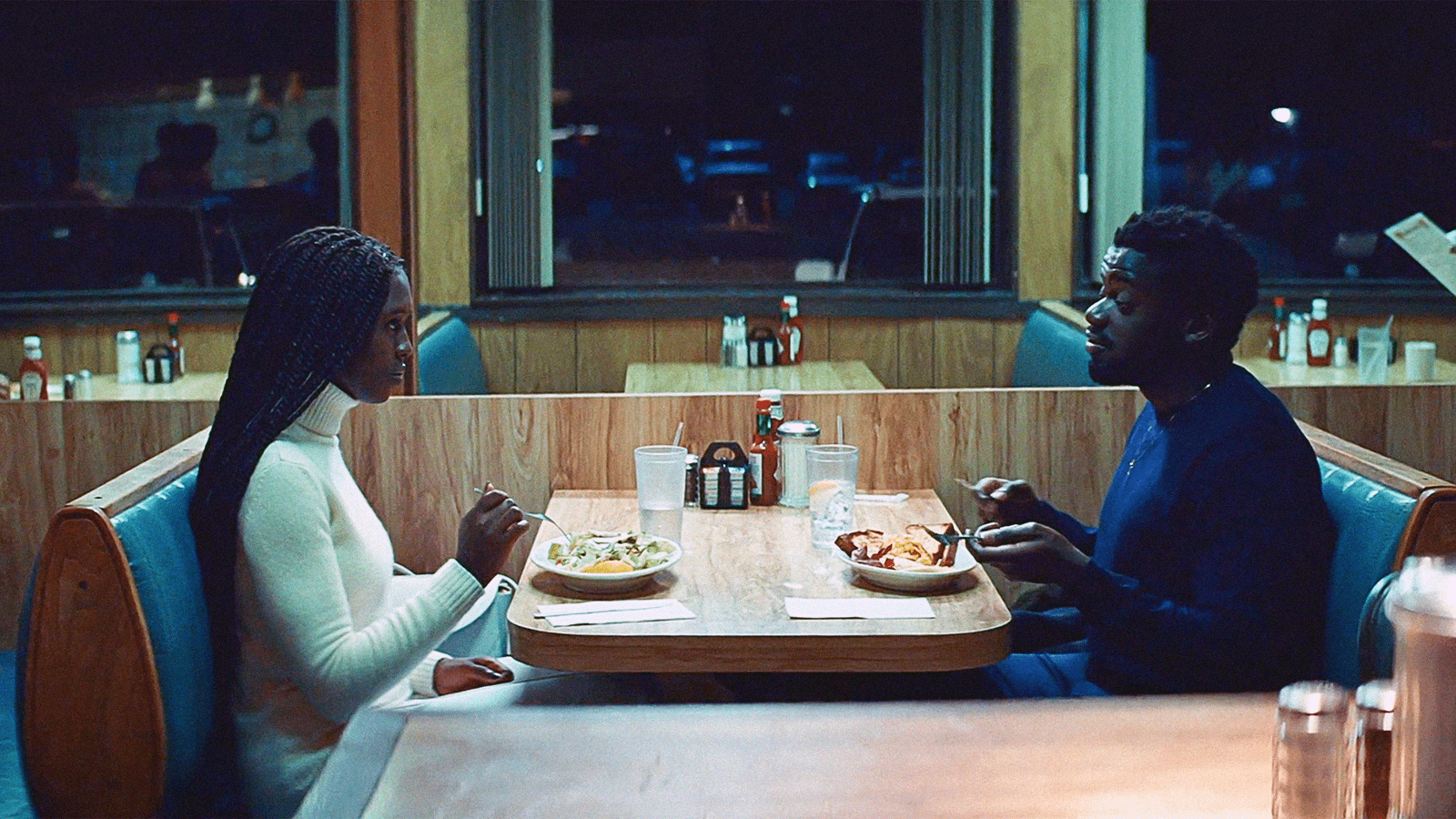
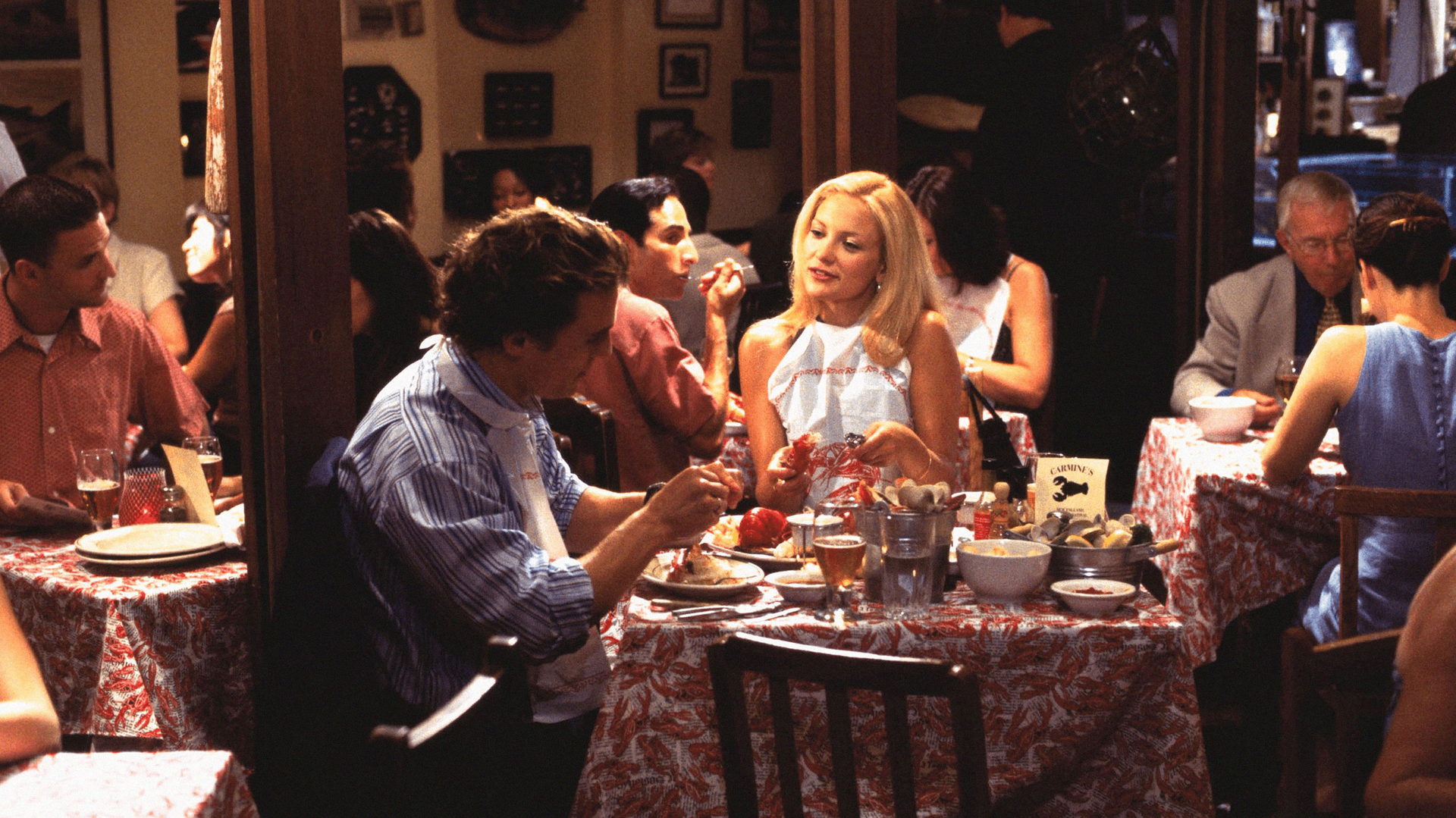
Perhaps it’s not that people are suddenly drawn to dinner dates so much as they’re drawn to what committing to dinner represents. In a dating culture plagued by constant distractions, easy exits and infinite options, sitting down for a meal demands something different: sustained attention. In many ways, it’s an antidote to disposability that has come to characterise the modern romantic experience, where everyone is only ever one swipe away from their next date. Dinner forces you to slow down and take things a little more seriously. It forces you to be seen – and to see someone else in return. It tests patience, presence and curiosity, while quietly signalling respect and intention. In that way, a dinner date isn’t just a nostalgic indulgence; it’s a small act of emotional bravery, a chance to take stock and connect in a way that few other first-date formats can replicate.
Dinner also cultivates an entirely different atmosphere. To me, dates in bars always feel inherently non-committal – like either one of us is only ever one embarrassing anecdote away from getting the ick and scarpering via an emergency Uber. You can’t do this in a restaurant; there are social codes to abide by. Courses to sit through. And bills that don’t arrive until after you’ve both finished eating. What I like about dinner dates is that they give me the opportunity to take my time with someone, raising the bar on all sides. Thanks to the combined boost of time and attention, the conversations I’ve had over dinner with men delve deeper, eliciting more vulnerability than we might've achieved over cocktails and allowing you to really get to know someone.
This isn’t just theory – staff and restaurateurs are noticing the surge, too. “We’re definitely seeing more first dates, especially in the early evening and mid-week,” says Monty Lapiniauska, general manager at Los Mochis in London’s Notting Hill. This is a good tactic, as it not only takes the pressure off, but it also means you’re not wasting your premium evenings (Thursday to Saturday) or losing out on a good night’s sleep if the date goes badly. “We can tell if it’s a date almost immediately,” adds Monty. “There’s usually a lot of animated conversation, slightly over-enthusiastic cocktail ordering, and a very clear sense that both people are trying to be their best selves.”
As dating psychologist Dr Madeleine Mason Roantree explains, this can be a good thing. “Dinner dates offer structure. You can observe how someone behaves with staff, get a sense of their manners and also monitor how the conversations flow when interrupted. Sharing food can be a bonding experience, too, especially if it's in a restaurant with a good atmosphere.” These are net positives, not least because the experience of going for dinner with someone forces both of you to be more present in a way that dating app culture often undermines. Plus, you’re less likely to have your judgement clouded by alcohol if you’re lining your stomach with a great meal.
There are other, more subtle giveaways, too – particularly when people are meeting for the first time. One overlooked advantage of dinner dates is the role of restaurant staff, who are often quietly on your side, ready to ease nerves or smooth over awkward interactions. Building a rapport early can pay off: they can facilitate a discreet exit if things go badly, or happily bring another round of drinks if they're going well.
Another obvious, but worth reiterating, perk of going for dinner on a first date is the simple fact that having a meal gives you more to talk about, as well as revealing more insights into who someone is. “Agreeing and organising the date can offer clues as to what type of person you are dealing with,” adds Dr Mason Roantree. “Can they collaborate? Do they show appreciation? Or are they selfish and demanding?” All these are useful learnings, particularly early in the dating process, which does seem to be characterised by an increasing sense of optimism, which, without you even realising, can be felt by everyone around you – in the best way.
“One of my favourite recent dates was a couple who were so engrossed in chatting that they forgot to order for nearly forty minutes,” says Tara MacBain, owner of Julie’s in West London. While Daisy Eccles, general manager at popular date spot Dorian in Notting Hill, shares that: “Several months ago, after a successful date fuelled in part by a few Hazelnut Old Fashioneds and finished with well-licked dessert spoons, I was called to the side of the table, and a couple made the very merry and bold request to secure the exact same spot for them in a year’s time.”
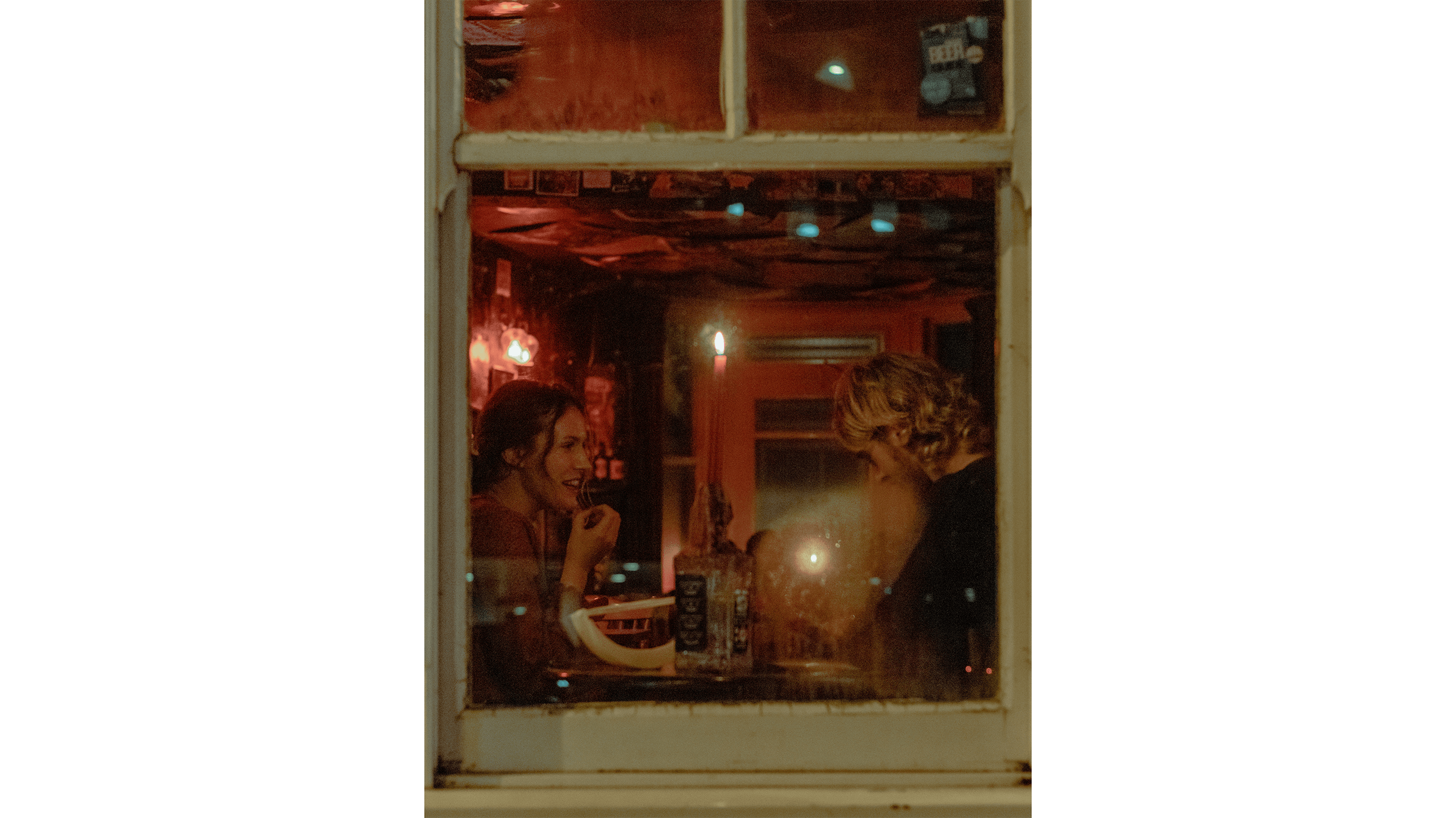
With that in mind, the details that make a dinner date work are often the simplest – again, according to those in the know. First up: book somewhere with low lighting and embrace sharing plates: “It creates a ‘let’s experience this together’ energy,” says Monty. Next, suggest a weeknight. Restaurants tend to have a more mellow vibe than over the weekends, which lends itself to a less intense atmosphere. Anything too busy or hectic will only add to any first-date nerves. And go easy on the wine: “We had a first date in Dalston that drank a fair bit, and they ended up slapping each other across the table,” recalls Max Venning, co-founder of Three Sheets.
Also, try to switch up the restaurants you visit. “We used to have this guest who would come in once a week with a new date, but he asked us to pretend we'd never served him before,” says one of the managers at central London restaurant The Barbary Neal’s Yard, who has also noticed a recent uptick in date booking. “It got increasingly awkward... especially as he would pick up on things we said about the menu and then use it as an interesting fact for his next date.” And finally, while we’re all for the romance, keep the PDA to a minimum. “We see couples snogging more often than I would like,” adds The Barbary manager. Remember: the world around you might seem to disappear, but your server is very much still there.
It all comes down to creating an atmosphere where you both feel comfortable. “I think people are craving something more intentional,” adds Tara. “Dinner signals a bit more effort, and people seem to appreciate that. Restaurants provide structure, warmth, and a sense of occasion.” And that’s the crux of it: these slower, more deliberate encounters reveal character, spark connection, and carry emotional weight that other first-date formats rarely offer. In a romantic landscape of low effort and quick exits, sharing a meal becomes more than a date – it’s a quiet promise that someone is truly willing to be there. So if 2026 is the year of occasion dating, we’re fully behind it.
All that’s left to do now is to find a time you’re both free...
Find plenty of date-night dining spots in Service95’s food and drink guides here.