Introducing the international restaurants serving up wild-farmed, regenerative produce alongside Indigenous wisdom – and what that means for the planet
It’s early morning on the Knepp Wildland in south-eastern England and giant white storks circle overhead as I spot beaver dams and nibbled stumps from the back of a Land Rover. A struggling family farm 20 years ago, this 3,500-acre patchwork of forest, meadows and wetlands has since become a poster child of the rewilding movement. As deer hop across our path, Ned Burrell, whose parents pioneered this revolutionary renewal (brought to life in his mother Isabella Tree’s book Wilding), explains how, by allowing nature to take root, Knepp has seen a 600% rise in biodiversity.
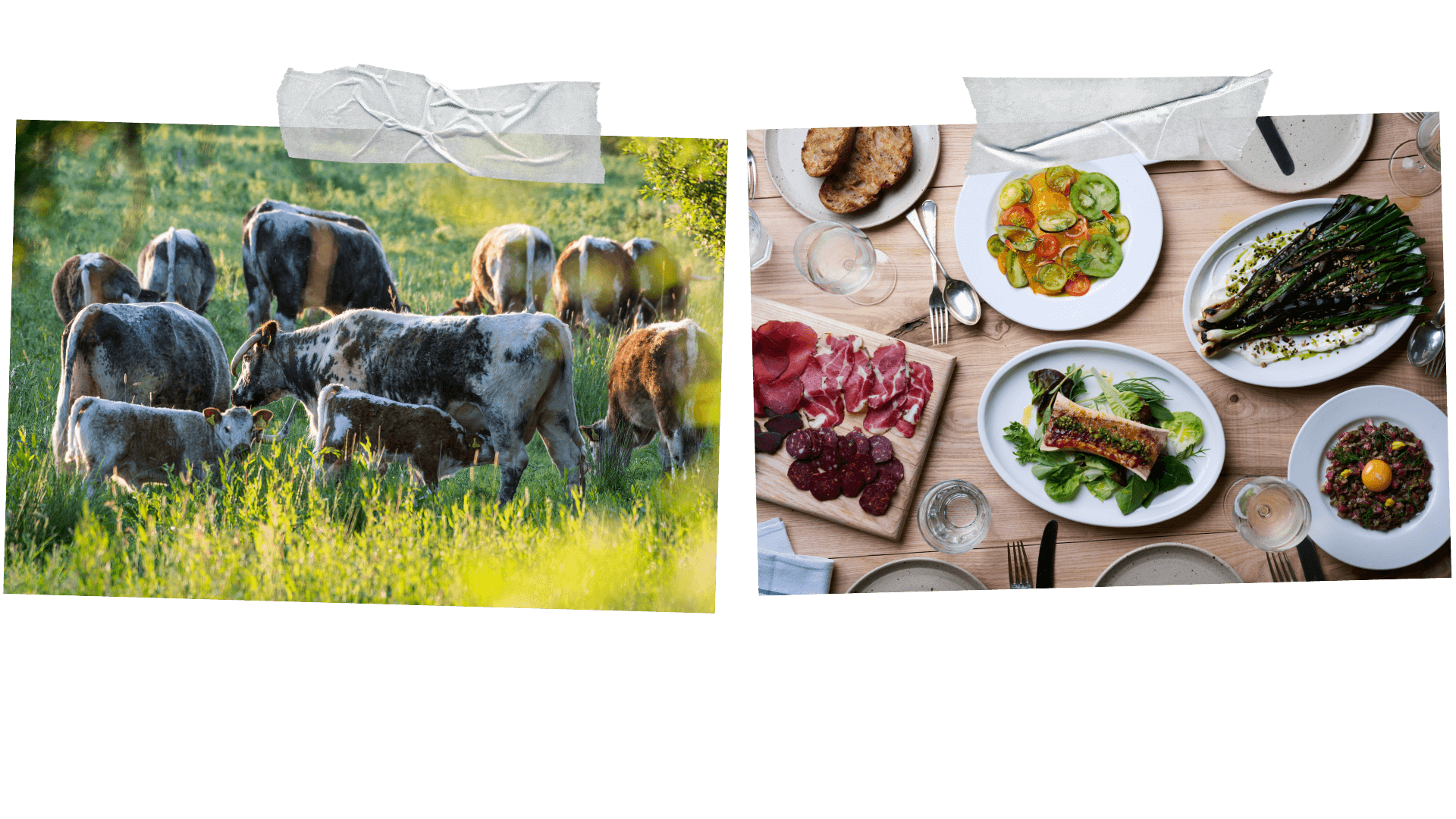
Some of its free-roaming residents also find themselves on the menu at the Knepp Wilding Kitchen, whose seasonal menus tap into the project’s rewilding ethos. Pointing out the longhorn cattle loitering under old oak trees, Ned explains how, unlike conventional farms, these gentle giants live wild all year round, facing no medical intervention and grazing at will from herb-rich pastures.
Butchered on site, alongside deer and an occasional Tamworth pig, these laidback lifestyles result in lean meat defined by dense marbling and high nutrient content. “Not everyone is interested in nature but most are interested in food,” says Lia Brazier, Burrell’s partner and Knepp’s creative director, over a lunch of beef tartare, venison charcuterie and tomatoes in rainbow hues. “By eating here, people are learning about the wider story of how it connects to nature recovery.”
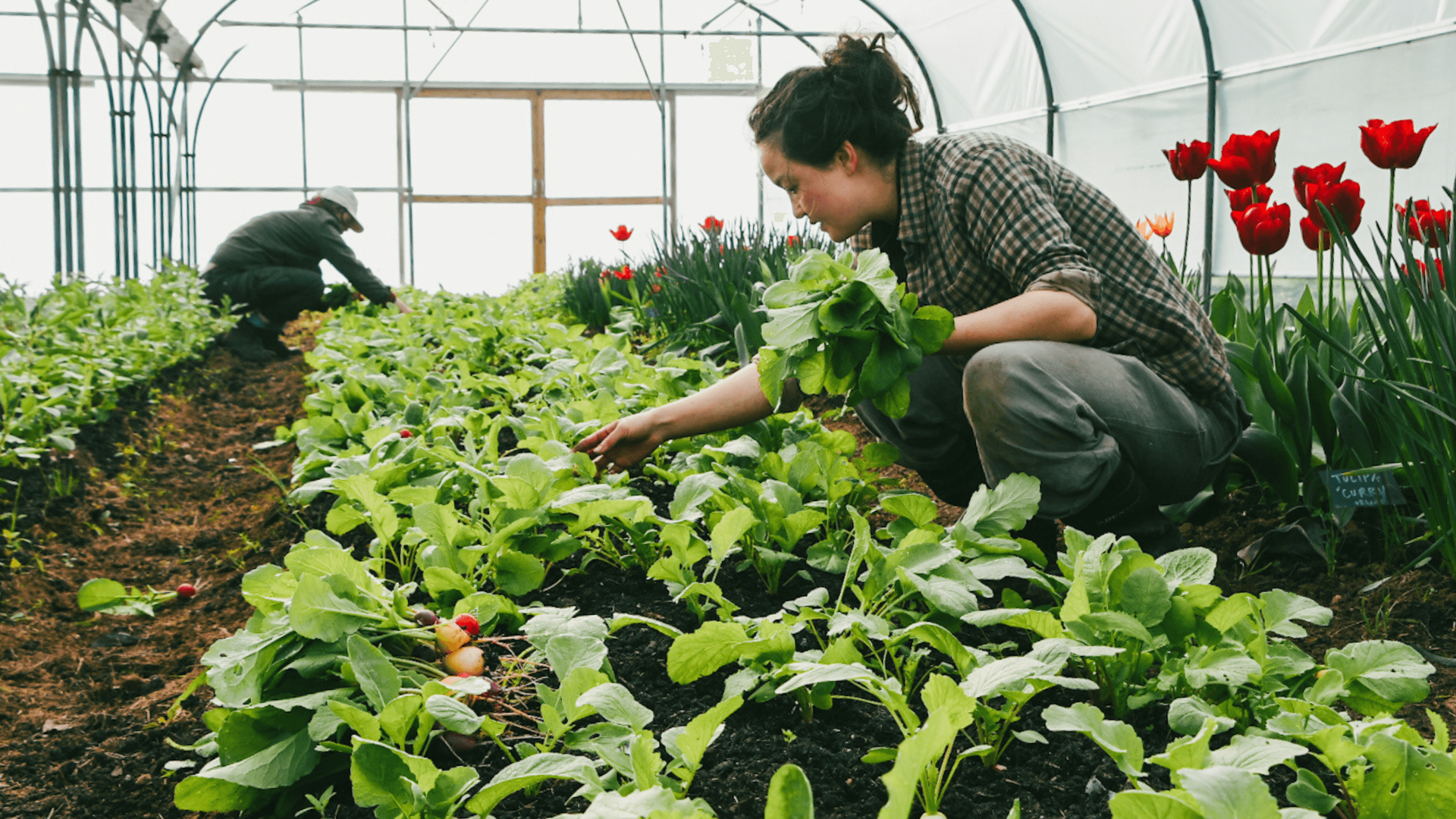
It also tastes delicious – matched by vegetables grown using regenerative methods in the restaurant’s three-acre market garden. “They're the best we’ve come across,” says Ned, who founded the restaurant in 2023 after stints at Kol, Brat and St John in London, with its environmental credentials earning a Michelin Green Star earlier this year. “Our tomatoes rarely see a fridge, our leeks are grown thicker so we can cook them over charcoal and we turn our beans into misos and garums for year-round use. The more you know about your land, the more nuanced you can be with what you grow – and that’s fun for any chef.”
This rings true for cooks and growers around the globe. Ever since Alice Waters pioneered farm-to-fork dining at California’s Chez Panisse in California in the 1970s, chiming with the growth of the organic movement, a revolutionary series of chefs , growers and communities have pursued more sustainable practices in opposition to processed, mass-produced foods.
In the late 1980s, the Slow Food Movement emerged in protest to the launch of a McDonald’s branch near Rome’s Spanish Steps and has since grown into a global institution defending local food traditions. A decade on, restaurant kitchen gardens started becoming increasingly commonplace; the New Nordic movement emerging in the mid-2000s shifted the dial with a laser focus on hyperseasonality; while pioneering zero-waste restaurants have shown how lateral thinking can minimise carbon footprints without compromising on flavour.
One of the biggest recent shifts has been the rise of regenerative farming. This holistic agricultural approach is centred around soil health;, techniques including crop rotation and cyclical grazing are proving to sequester carbon and enhance biodiversity, – while the resulting produce is finding favour among chefs keen to make a difference. “It’s such a good time to embrace the regenerative movement,” says Bart Stratfold, executive chef at Timberyard in Edinburgh. “When I started out there was no connection to small growers but now there’s such a wide choice. A lot of chefs have become growers, too, opening up new corridors between kitchens and gardens.”
Timberyard, which announced last year a switch to only using wild meat, avoiding the carbon associated with industrial farming practices, leans into a Scottish larder of foraged ingredients and a trusted roster of farmers who Bart knows by name. “There’s a poetry to it – sometimes I celebrate individual farms on one dish, so people get a true representation of the terroir.”
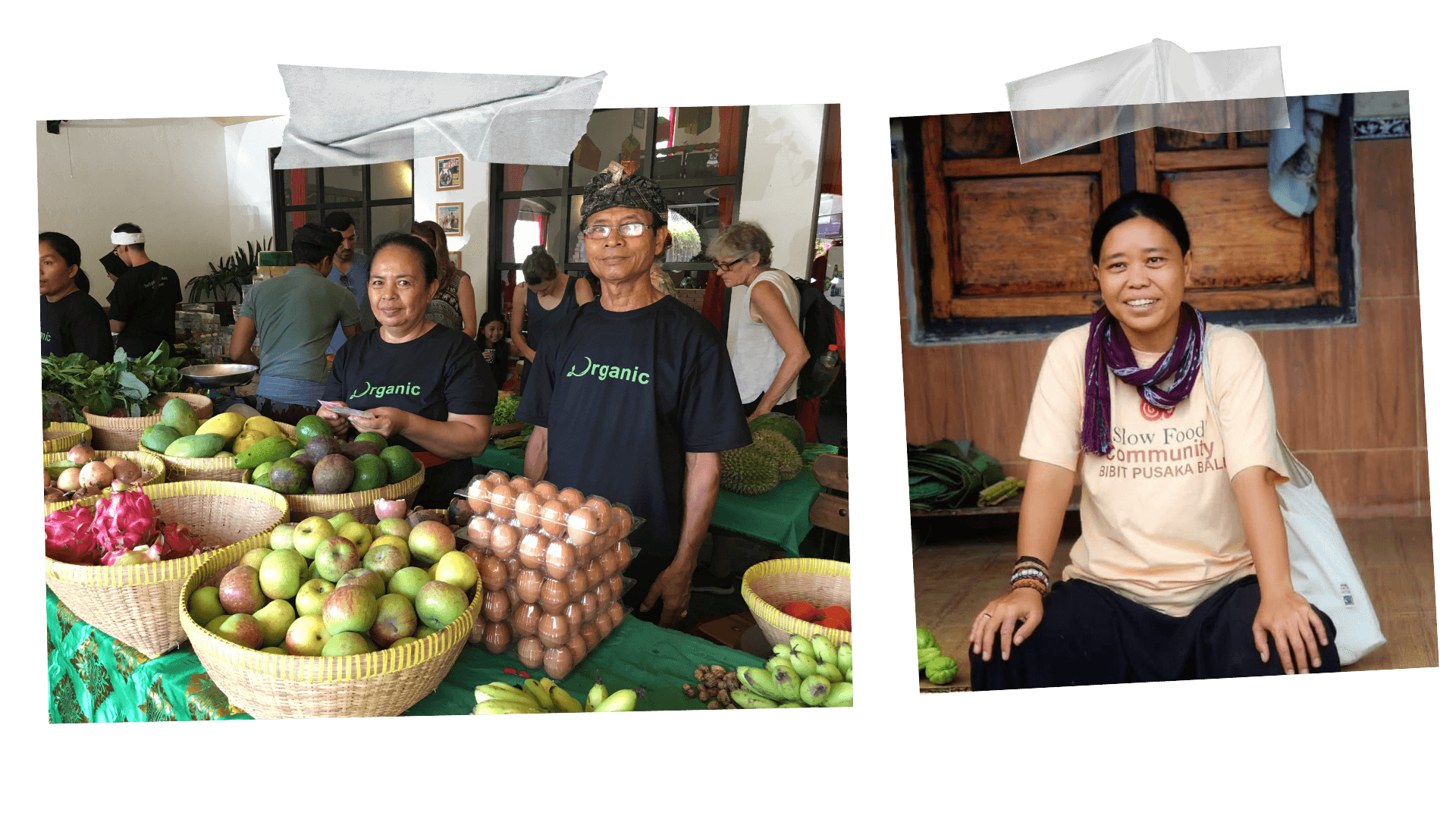
Sustainable sourcing is increasingly crucial as global climate crisis deepens – something felt all the stronger in the Global South. “In the past few decades Bali has changed very fast and we are losing land, seeds, water and also young farmers,” says Sayu Komang, a grower, seed guardian and leader of a Slow Food community on the island. “What I love about Slow Food is that it reminds us that food is not only about products and price, but culture, soil and people.”
She’s witnessed a loss of Indigenous knowledge and traditional methods of agriculture following the Green Revolution of the 1970s that pushed local farmers towards a Western vision of modernisation. “The calendar, the offerings, the way we rotate crops, the way we save seeds – our Indigenous knowledge is science, spirituality and social system in one,” she says. “Without this knowledge, we lose resilience.”
Back at Knepp Wildland, whose rewilding model has been studied by academics the world over, Ned says that restaurant owners and chefs can and should play a major role in minimising the impact of food systems. “Farming is the biggest driver of biodiversity loss in Europe and we know that our food system accounts for 35 per cent of carbon emissions,” he says. “But that’s also exciting as it means there’s a huge ability to shift the dial, which is something people are now waking up to.”
6 More Restaurants Specialising In Sustainable Dining
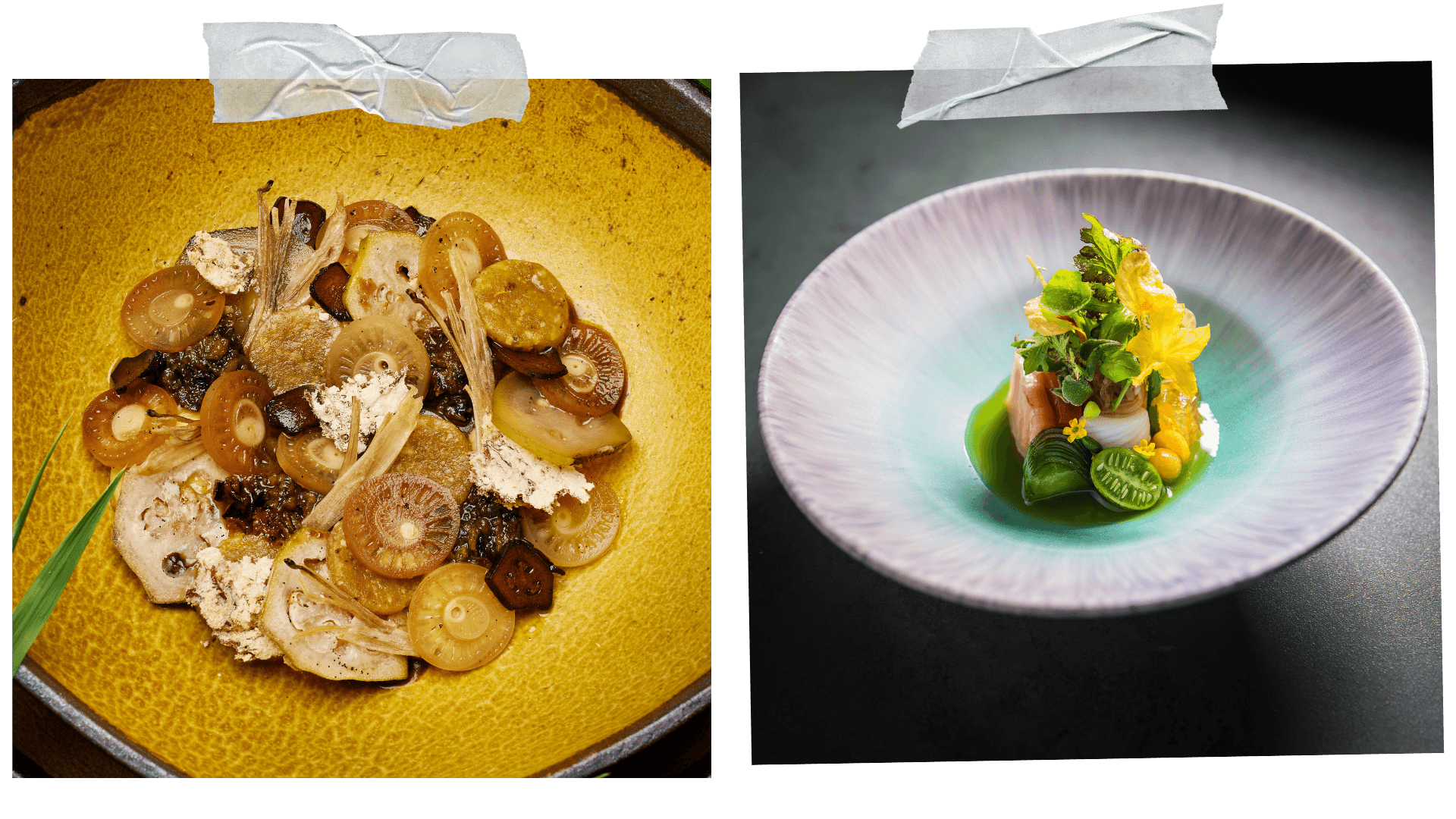
SingleThread, California
Led by husband-and-wife team Kyle and Katina Connaughton, this three-Michelin-starred restaurant in the heart of northern California’s wine country has set new benchmarks for regenerative dining, transforming the bounty from 24 acres of regenerative farmland into tasting menus shaped by Japanese techniques.
Chef’s Garden, Puerto Rico
On an island where hurricanes and a historical reliance on US imports have restricted its own food systems, a new wave of restaurants are fighting back. Here, chef Josiah Hernández explores Puerto Rico’s culinary history by spotlighting Indigenous foods, with produce supplied by an emerging generation of young farmers using regenerative practices.
Sibbjans, Gotland, Sweden
In a serene spot on the Swedish island of Gotland, Sibbjans is recently launched boutique farmstay whose restaurant has become an instant hit. Menus celebrate the local landscape and flavours using produce harvested largely from its 50 hectares of land, farmed with an intention to leave the land in better shape than they found it.
Locavore UXT, Bali
Indonesia’s rich biodiversity forms the focus at this striking tropical Brutalist outpost in Ubud. Housed in a sleek concrete building overlooking palms and rice paddies, its expansive menus champion foraged food and fermentation, while its hyper-local focus also extends to its decor and drinks list.
Blue Hill At Stone Barns, New York State
A long-time advocate for closer collaboration between chefs and farmers, chef Dan Barber shines a light on ingredients in their purest form at this scenic spot in Westchester County. Set on an 80-acre working farm, no two days are the same as Barber’s team send out a series of dishes from just-harvested produce, low-emission ex-dairy beef, pickles and ferments.
Brae, Victoria, Australia
Ninety minutes west of Melbourne, chef Dan Hunter and his team harvest a broad sweep of produce from their 20 acres of chemical-free, regenerative farmland to assemble unique daily menus that celebrate the land at this rustic-but-refined restaurant with rooms.