Every legendary stage character has real-life inspiration. These are some of the people that playwrights couldn't stop thinking about.
The alchemy that created Johnny ‘Rooster’ Byron – the anti-hero at the heart of Jez Butterworth’s Jerusalem – is a blend of Jez’s observations, actor Mark Rylance’s method and the lived experiences of two English eccentrics: Micky Lay, the primary blueprint for Mark Rylance, and Ginger Mills, a spiritual predecessor from Jez’s hometown St Albans.
In the 1990s, Jez was living near Pewsey in Wiltshire and drinking at The Moonrakers, where he met with Micky Lay: a former builder who boasted of once drinking 43 pints of Guinness in a single afternoon, and who had spent time living in a caravan on the edges of everything. When Mark was cast, Jez and director Ian Rickson sent him down to Pewsey to meet Micky. It did not go well – Micky told him to “fuck off”. A return visit with a bottle of whisky fixed that. When Mark won the Tony, he gave the statue to Micky.
But the myth of Rooster reaches further back to Ginger Mills, a St Albans icon believed to have been born in London in 1937. He settled in St Albans, where he became a familiar sight in his leathers and star-studded belt, living in a camper van on a patch of wasteland called Gentle’s Yard (that is now, tellingly, a shopping centre). He was the subject of a poem in the first issue of Zigzag magazine and a local legend who watched the England he occupied get quietly paved over.
It turns out, this is how it often works. The most vivid characters in theatrical history have a habit of having once been real.
Uncle Salesman
Arthur Miller found the tragedy for Death Of A Salesman in his own family. The central character of Willy Loman was inspired by his uncle, Manny Newman, a travelling salesman who constantly measured his own worth against others. When Arthur ran into him at the theatre, Manny didn’t congratulate him on his success – he just said, “Buddy is doing very well.” Arthur recalled: “I thought I knew what he was thinking: that he had lost the contest in his mind between his sons and me.” Manny died by suicide soon after Arthur saw him at the theatre. The Loman home in the play was built on that foundation.
The Sister Tennessee Williams Wished He’d Protected
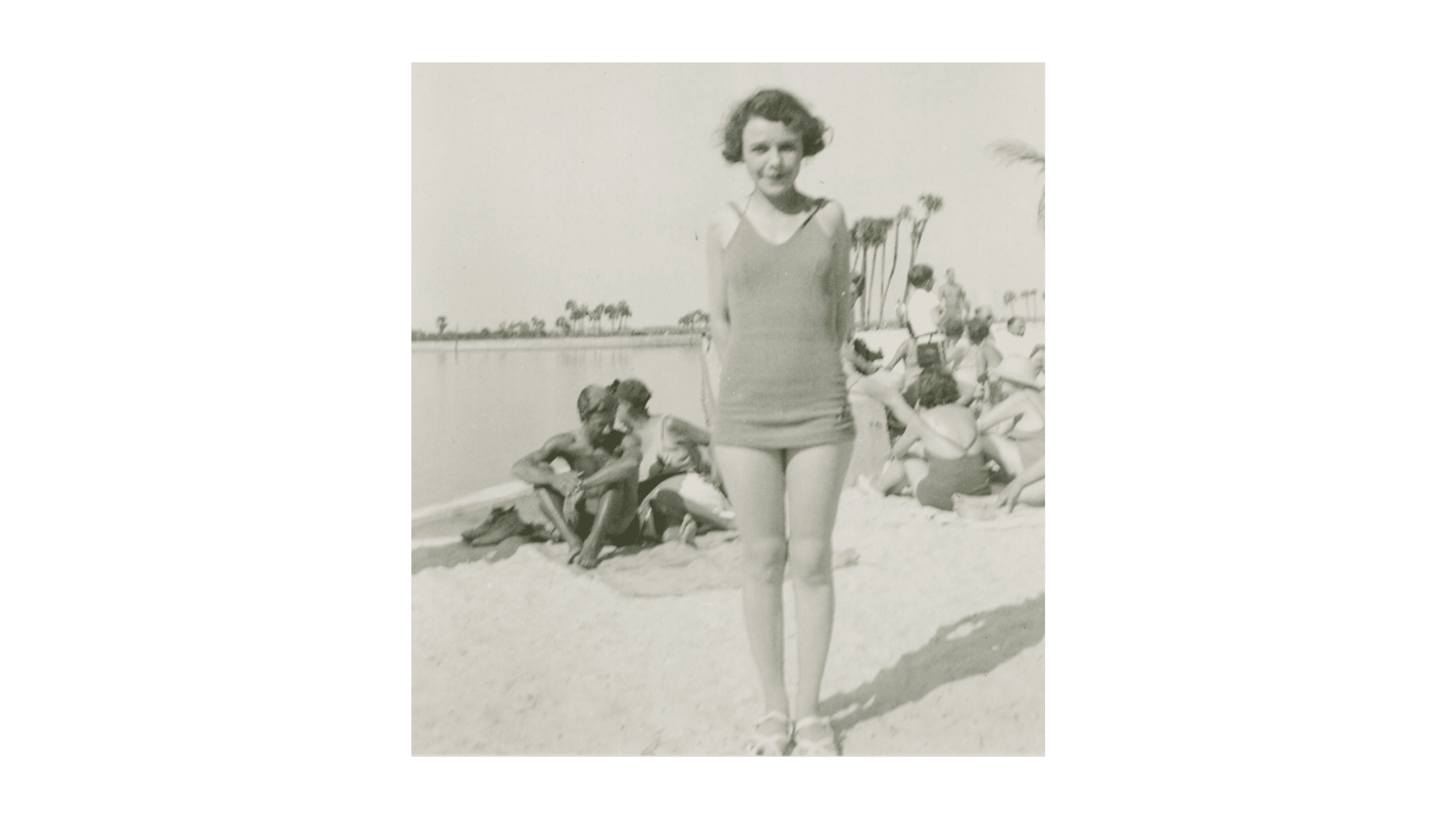
The emotional core of Blanche DuBois in A Streetcar Named Desire was Tennessee’s own sister Rose, who was diagnosed with schizophrenia in her early twenties and had a prefrontal lobotomy that left her permanently different. Tennessee regretted not stopping it for the rest of his life. Blanche’s fragility, her retreat into fantasy, her performances of femininity as self-protection, all maps to what he had witnessed personally. As the play’s original director Elia Kazan put it: “Tennessee Williams equals Blanche.”
The Couple Whose Arguments Became Art
In Who’s Afraid Of Virginia Woolf? Edward Albee drew on married New York socialites Willard Maas and Marie Menken for the characters of George and Martha. Literature professor Willard and experimental filmmaker Marie’s infamous salons involved drinking that, according to their friend Gerard Malanga, would “commence at 4pm on a Friday and end in the wee hours of night on Monday”. Marie recalled: “He used to come here every time to sit and listen while Willard and I argued. Then he wrote Who’s Afraid Of Virginia Woolf.” The two died within four days of each other in January 1971.
The Character Without Consent
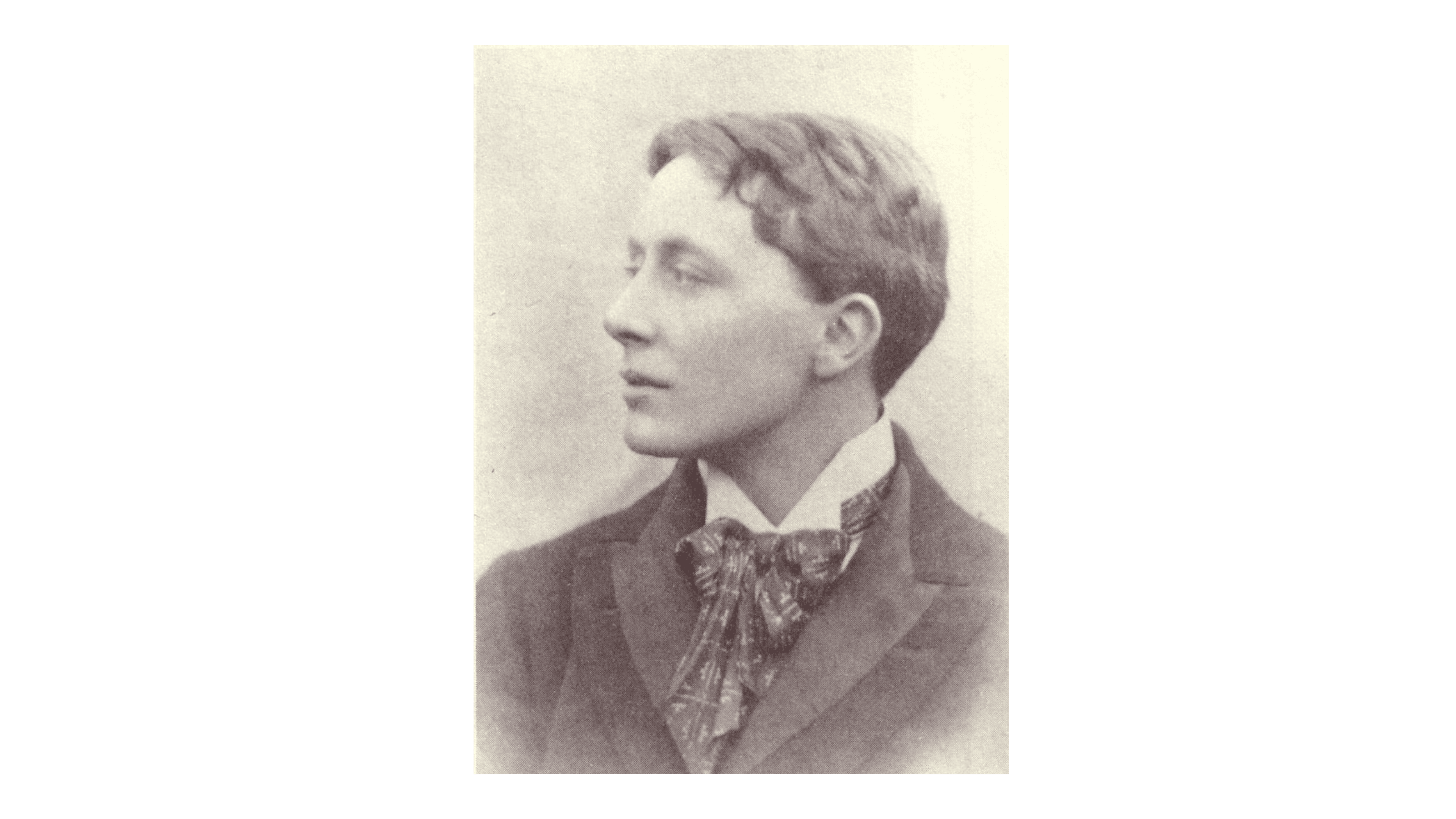
Oscar Wilde met the poet John Gray in 1889, and wrote The Picture Of Dorian Gray during their relationship. When a newspaper publicly identified John as “the original Dorian of the same name”, he threatened to sue for libel and begged Oscar to deny the association, which Oscar did, falsely, in the Daily Telegraph. John was ordained a Catholic priest in 1901 and served a parish in Edinburgh until his death in 1934.
The Aristocrat’s Playwright Husband
August Strindberg wrote Miss Julie in around two weeks in 1888, at the bitter end of his marriage to Siri von Essen: a Finnish noblewoman who had left her first husband for him. The huge economic gap between Julie and her father’s manservant depicted in the play maps directly onto the Strindberg marriage. The suicide came from elsewhere: Swedish novelist Victoria Benedictsson died by suicide at the Leopold Hotel in Copenhagen that same summer, cutting her throat with a razor. August was staying in Copenhagen at the same time. Siri played the title role at the production’s premiere in Denmark in 1889.
There’s More – Delve Deeper Into Jerusalem With The Service95 Book Club...
WATCH Dua’s interview with playwright Jez Butterworth
LISTEN to their conversation with the Service95 Book Club podcast
NOTE the books, films and TV shows that inspired Jerusalem
LEARN more about the origins of Jerusalem from Jez
PRESS PLAY on Jez’s writing soundtrack