Nigerian fashion labels are arriving on the global stage. Dye Lab’s pop-ups in London and New York sold out after they posted about them on social media. Having debuted at Copenhagen Fashion Week only last year, IAMISIGO is now in the running for the prestigious LVMH prize. Just last month, influencer Nara Smith shared an Instagram video with her 4.8 million followers of her cooking in a pristine Hertunba dress, which featured patches of traditional Yoruba fabric aso oke. The dress got more positive comments than the food.
What sets these brands apart is how their designs remain rooted in their culture; a desire to preserve not only the production methods used by generations of Nigerian garment-makers but the stories behind them.
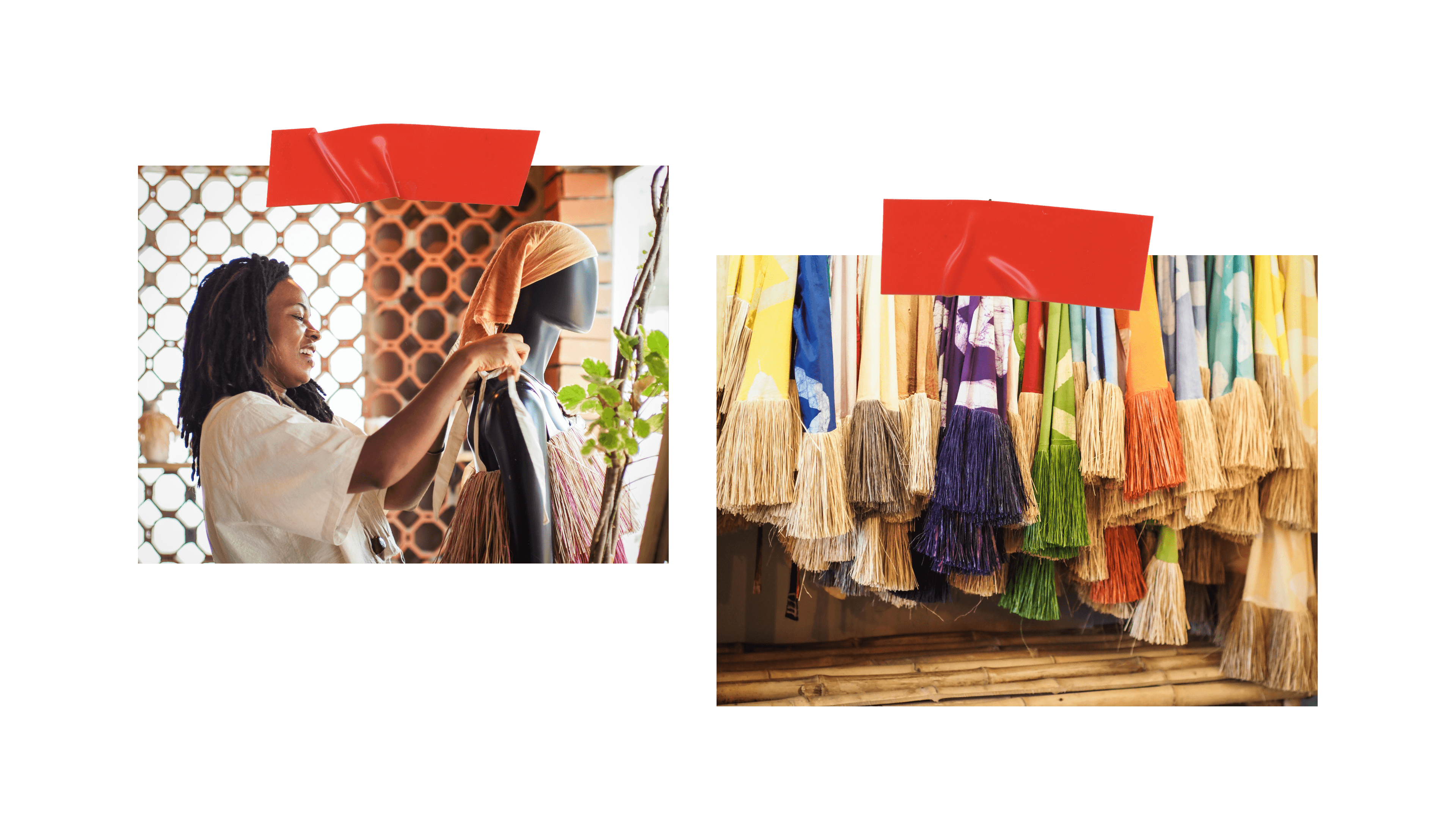
“I have a deep connection with my people,” says Abasiekeme Ukanireh, founder of Éki Kéré, a brand based in Lagos, Nigeria’s cultural and commercial capital. “Every little thing I do, I do it consciously; to be able to tell their story.”
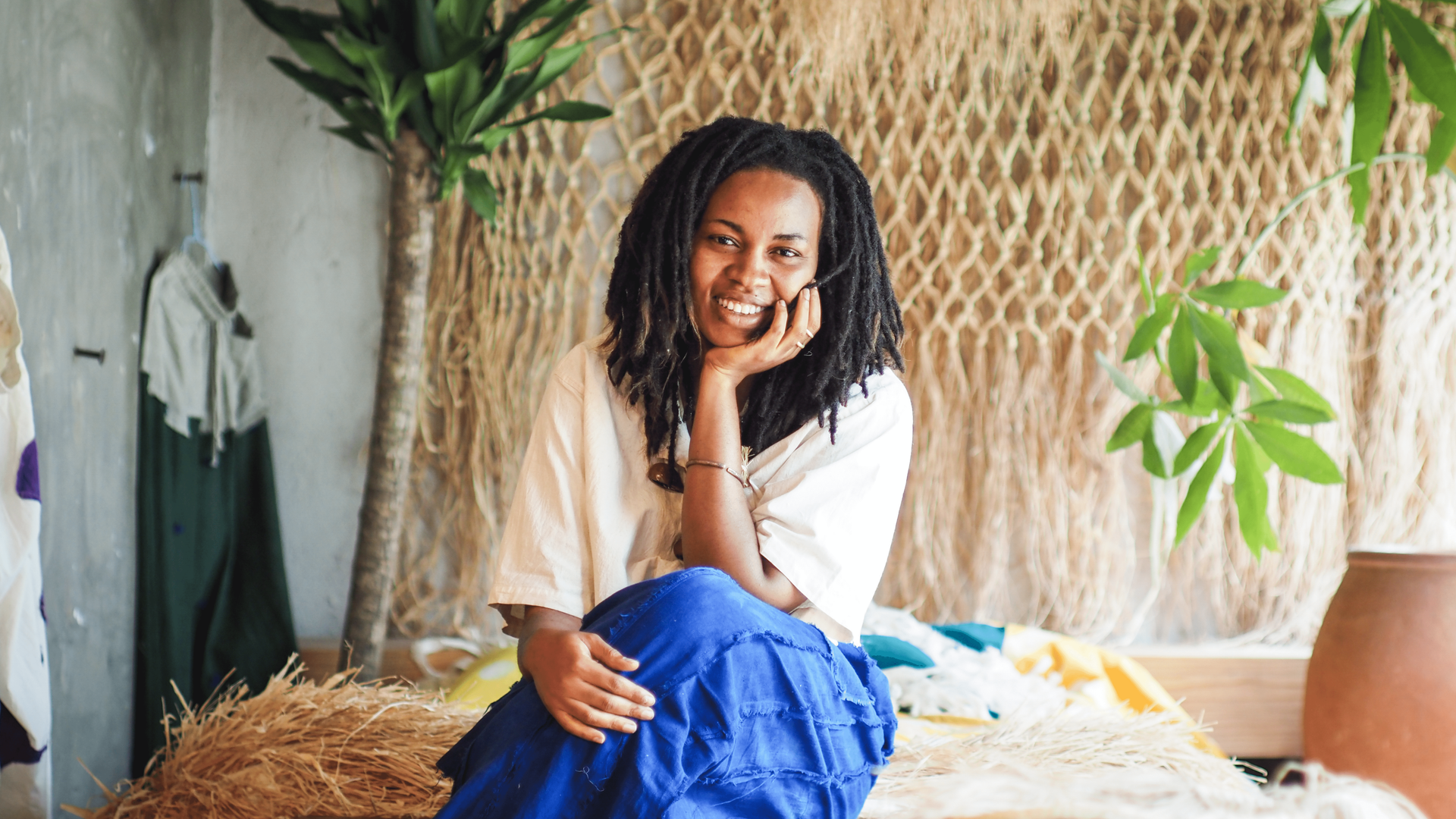
The brand takes its name from a nickname Abasiekeme’s mother gave to her when she was young. It also takes its signature material from the designer’s childhood: her hometown of Ikot Ekpene is known for producing raffia. The dried, shredded palm fronds adorn everything from Éki Kéré’s fringed kaftans to the bed in the home section of her store.
As we take a seat alongside it, the designer explains her commitment to representing minority tribes like the Annang, which she is from. “I saw firsthand what the war did to my people,” she says, referring to the civil war of the late ’60s, which targeted many Southern tribes. “It’s a conscious step every single day for me to put my city back on the map.”
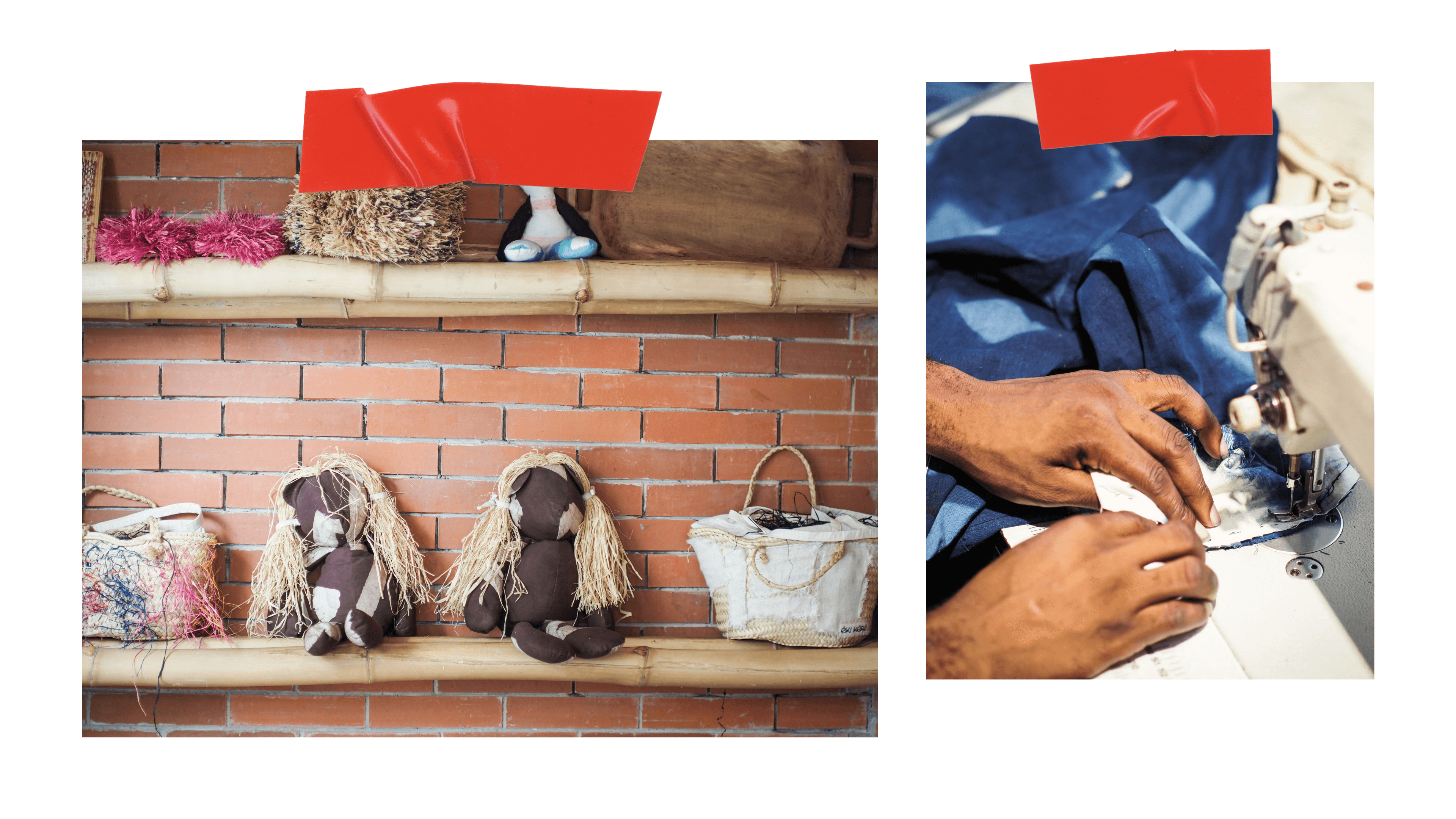
Her designs deftly pair age-old production techniques and Indigenous textiles with contemporary aesthetics – an approach that’s working, with the likes of Temi Otedola and Tiwa Savage wearing her designs. She points to a short-sleeved shirt with large buttons that look like chestnuts. They’re uyot, she explains, a seed typically used to make rattles, belts and armbands for cultural celebrations: “I find myself thinking of innovative ways of using the materials.”
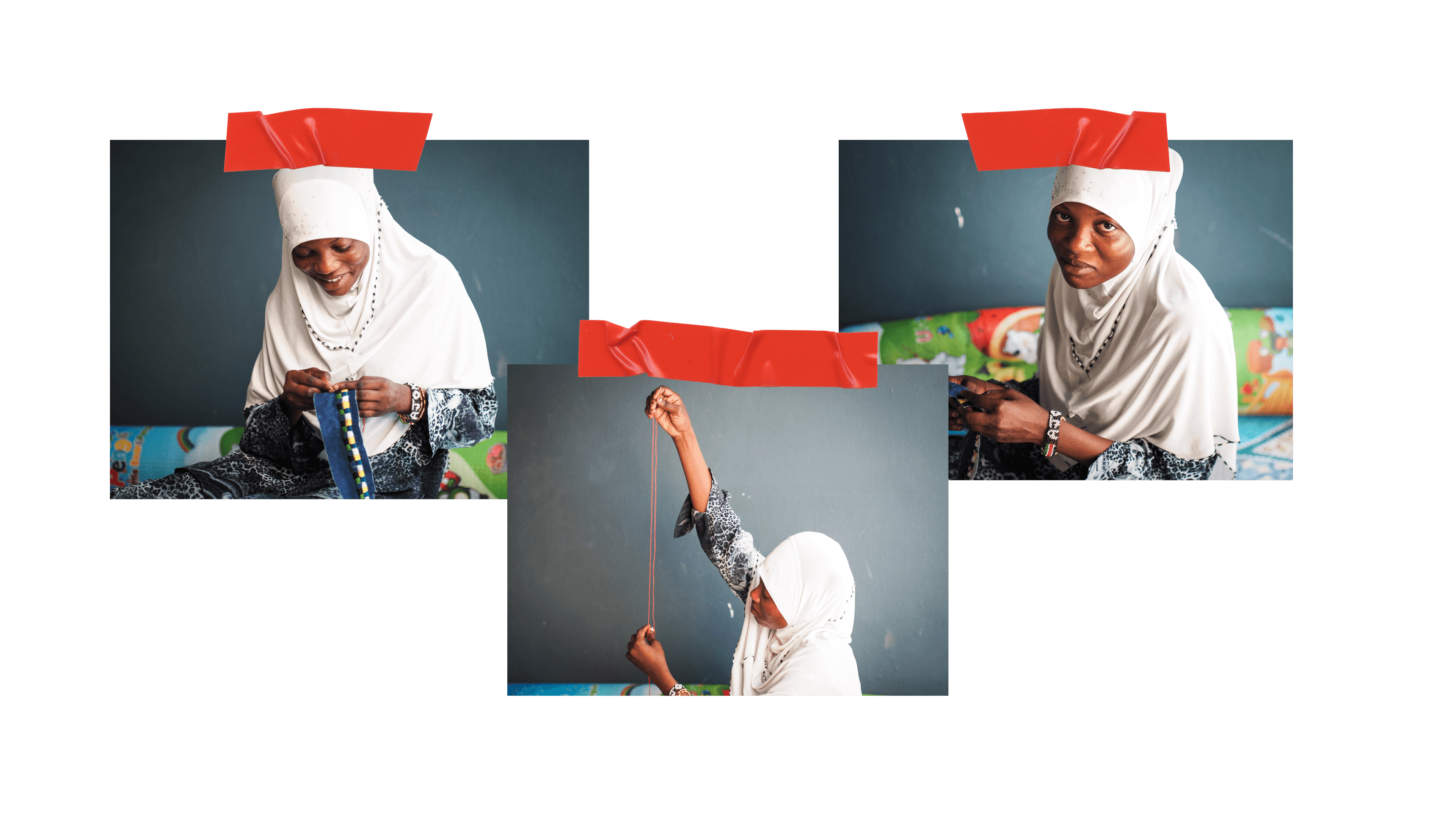
“If we find a craft that is almost dead, we will most likely try to work with it.” says Oroma Cookey-Gam Itegboje, co-founder of Lagos-based label This Is Us. Its line of unisex separates – often made with locally grown Funtua cotton – come almost exclusively in shades of blue, achieved through working with communities in northern Nigeria that specialise in indigo dyeing. The fabric is stained in the Kofar Mata dye pits in Kano, where the technique has been honed over centuries. “At the end of the day, fashion is almost always about creating a layer that people understand what they’re buying into, beyond the visual,” says Oroma.
For many brands in this region, where production methods tend to be inherently slow and low-waste, this often comes down to sustainability. “It’s our way of being,” says Omoyemi Akerele, founder of Lagos Fashion Week (held this year from 9-12 April), discussing how Nigerian brands often rely on small-scale networks of artisans. “This ingrained resourcefulness means Lagos Fashion Week does not need to mandate sustainability but encourage brands who are already practicing it,” she says, in a year that sees sustainability guidelines come into effect in fashion capitals such as London and Copenhagen. Last year, Lagos Fashion Week won the Earthshot Prize for its contribution to building a new fashion economy rooted in cultural preservation.
“Micro-factories are pretty much all we do on the continent,” says Zara Odu, who founded consultancy firm Designers Consociate to support African creative brands with sustainable growth strategies. “But for [brands in the Global North], it’s this new thing. I’m having tons of conversations with people across the world and they’re all looking to Africa for inspiration.”
Through her firm, Zara helps designers return to age-old practices or find new eco-conscious approaches to making. She cites the example of Àdìrẹ – a tie-dye technique that traditionally used chicken feathers dipped in cassava paste to trace patterns onto fabric – and now often sees brands use (non-renewable) paraffin wax for convenience.
Abasiekeme is now exploring alternative methods to paraffin dyeing for Éki Kéré, using cutouts made from fabric scraps. “Sustainability is a journey,” she says, pointing out a garment with polka dots created using this new approach. “We question, and we see how we can correct it.” She adds that, if eco-friendly brands cannot find a way to become commercially viable, “Sustainability in fashion is going to die.”
It’s a poignant message. Lagos Fashion Week is helping to increase the reach of homegrown brands through partnerships with global retailers such as Selfridges, Moda Operandi and Industrie Africa, alongside programmes such as Green Access, which pairs mentors with emerging designers to integrate circularity into their practice. But “supporting designers cannot stop at visibility”, notes Omoyemi. Support for local designers, she maintains, must include increased funding, access to networks and strengthened supply chains: “If we only celebrate finished collections without investing in the structures that make them possible, then we are not really building an industry.”
A continued focus on infrastructure will allow more Nigerian talent to stand shoulder-to-shoulder with world-famous names. Take IAMISIGO’s creative director Bubu Ogisi, the first Nigerian to win the Zalando Visionary Award in 2025 and one of 20 semi-finalists shortlisted for the LVMH Prize. She plans to use the opportunity to decolonise fashion spaces and challenge overconsumption. “I think it would be nice to disrupt and change the strategy of the world with a new approach,” she says, “thinking of what luxury is outside of selling bags or shoes at a crazy price.”
As the global fashion industry reckons with its shortcomings around sustainability and ethical craftsmanship, many of the answers already exist in places like Nigeria. Here, heritage serves as a foundation for innovation, marrying traditional production methods with forward-focused design – and a genuine care for the artisans behind them. The world may only be starting to pay attention, but it’s clear Nigeria has long been shaping the future of fashion.