Back in the day, festivals used to start on a Friday, or maybe a Thursday for a big beast like Glastonbury. But now I think that a modern festival properly begins the second all the main players in your festival crew have come together on WhatsApp.
It’s the one group you don’t mind pinging constantly from January, such is the 24-carat gold chat: Remember that time we saw a man in a food processor costume chasing a banana? What about if we all do Smurf looks on Saturday? Remember how much you enjoyed when we were all Hannah Montana in 2018?
I’ve been to more than 100 festivals. I have a goldfish bowl at home stuffed to the brim with festival wristbands, such is my slavish devotion to all things fessie. When I retire, I plan to sit in a rocking chair and weave them into a tapestry. Even though I’ve written a book about festivals, my bowl of bands is arguably the better artefact: I can dip my hand in and be transported instantly.
Starting with a torrential coming-of-age Glastonbury aged 16, I feel I’ve done every conceivable type of festival under the sun: full-throttle day festivals like London’s All Points East or Manchester’s Parklife; hippie-ish fests like Shambala and Glade in the countryside, where the omnipresence of fire poi leaves you smelling a bit like a petrol station forecourt; wild experimental urban festivals like All Tomorrow’s Parties to ones with breathtaking views such as Bulgaria’s Meadows in the Mountains. Even if I never actually get round to my needlecraft dotage, these moments have built a patchwork of memories: of wild nights, shared stories and unforgettable bonds, that make every festival feel like coming home.
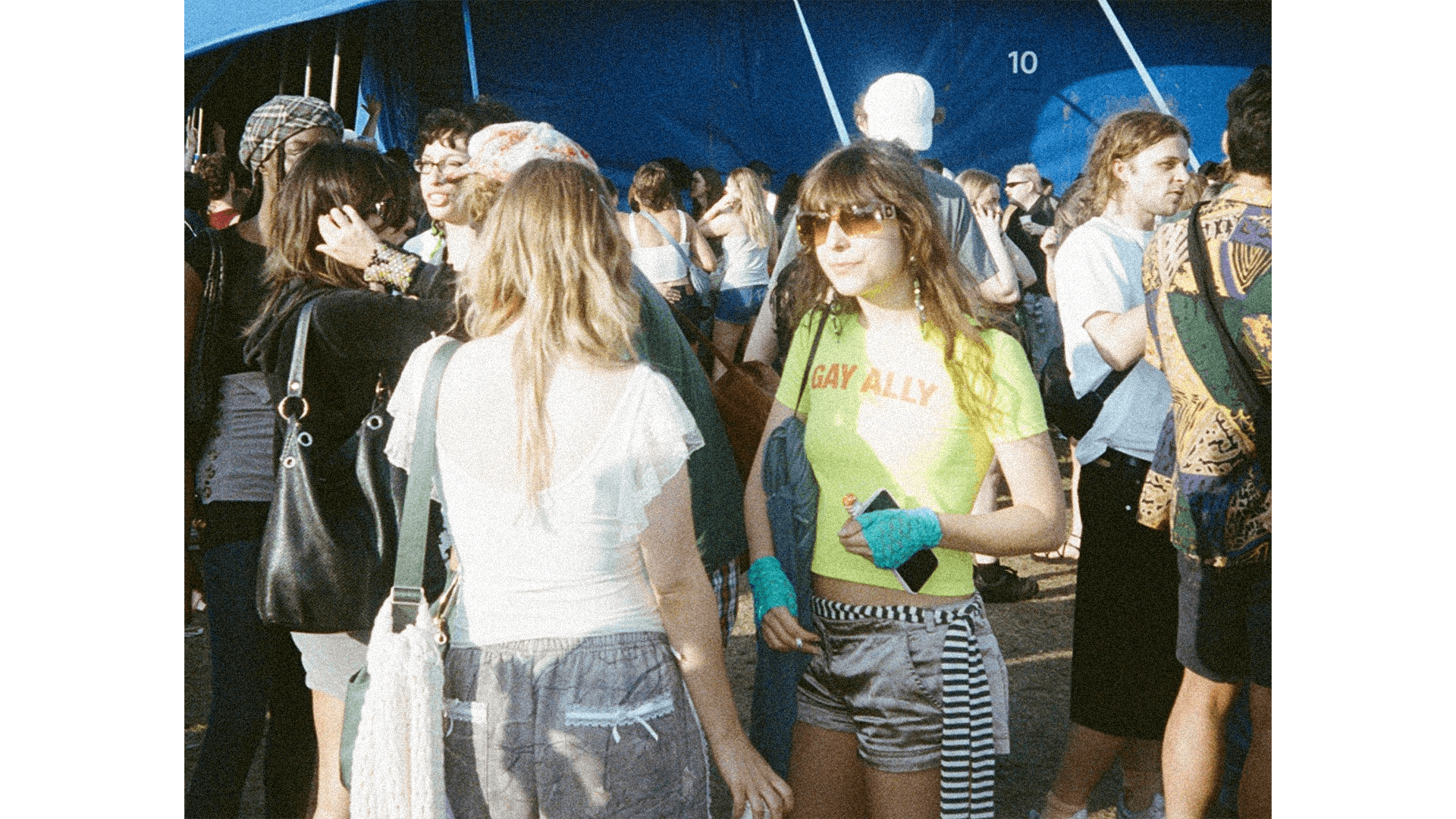
That said, I only started doing festivals the right way at the tail-end of my twenties. Before that, I’d been a swotty music fan who diligently planned every micro-second by the programme. I was doing it all wrong. I love festivals because they’re a rare exercise in the joys of losing control. They’re resolutely not a place to be a control freak. To be part of a happy festival crew means that sometimes you have to submit to the group will. If that means stopping every four minutes for a wee break, then someone buying churros, then being dragged to a Rag’n’Bone Man show against your will, so be it.
In many ways, the more adversity you face, the more fun they become. As I found out at my first teenage Glastonbury, you learn a lot about yourself when your tent becomes a muddy canal. I bonded with one of my now-best mates after he was peed on in the crowd during an Elton John performance. A less gross and more common form of adversity is having zero phone signal. Annoying, yes, but I genuinely subscribe to the belief that festivals are places where pretty much anyone can make new friends. It’s frankly a waste not to.
Because festivals aren’t just parties – they’re also tiny ecosystems, where a spectacular range of human interactions occur constantly. I once helped an OAP get his mobility scooter out of the Glastonbury mud near Avalon one year. I’ve walked a lost child to a welfare tent – marvelling at the calm professionalism of the team until a tear-strewn reunion with her parent about 30 minutes later. I’ve helped a guy on a comedown propose to his girlfriend and consoled a mate who was callously dumped on the Thursday, just as the tent was taking shape.
BTW, if you’re able to find romance at a festival, I applaud you. My mate thinks of festivals not as a place to hook up, more as a browsable catalogue of new hotties who she might put in her phone and tap up later. (My mate is also a certified clean freak, which explains her lack of impulse.) But, while festivals are obviously ideal places to pash-it-up with someone new, given a choice between a stunning attractive human and a total madcap random, I’d hang with the latter every single time.
The single best random person I met at a festival was called Andy. He overheard us when someone mentioned something to do with fax machines and said: “I know a thing or two about fax machines – care for a Fax Fact?” He told us a spurious story about a solid-gold fax machine that exists in Tokyo, and then walked off with a smile, promising another next time we saw him. We then duly got one of Andy’s fax facts around every six hours. No matter where we were, he’d just emerge from a puff of smoke, with some stats about how many fax machines the NHS uses per annum.
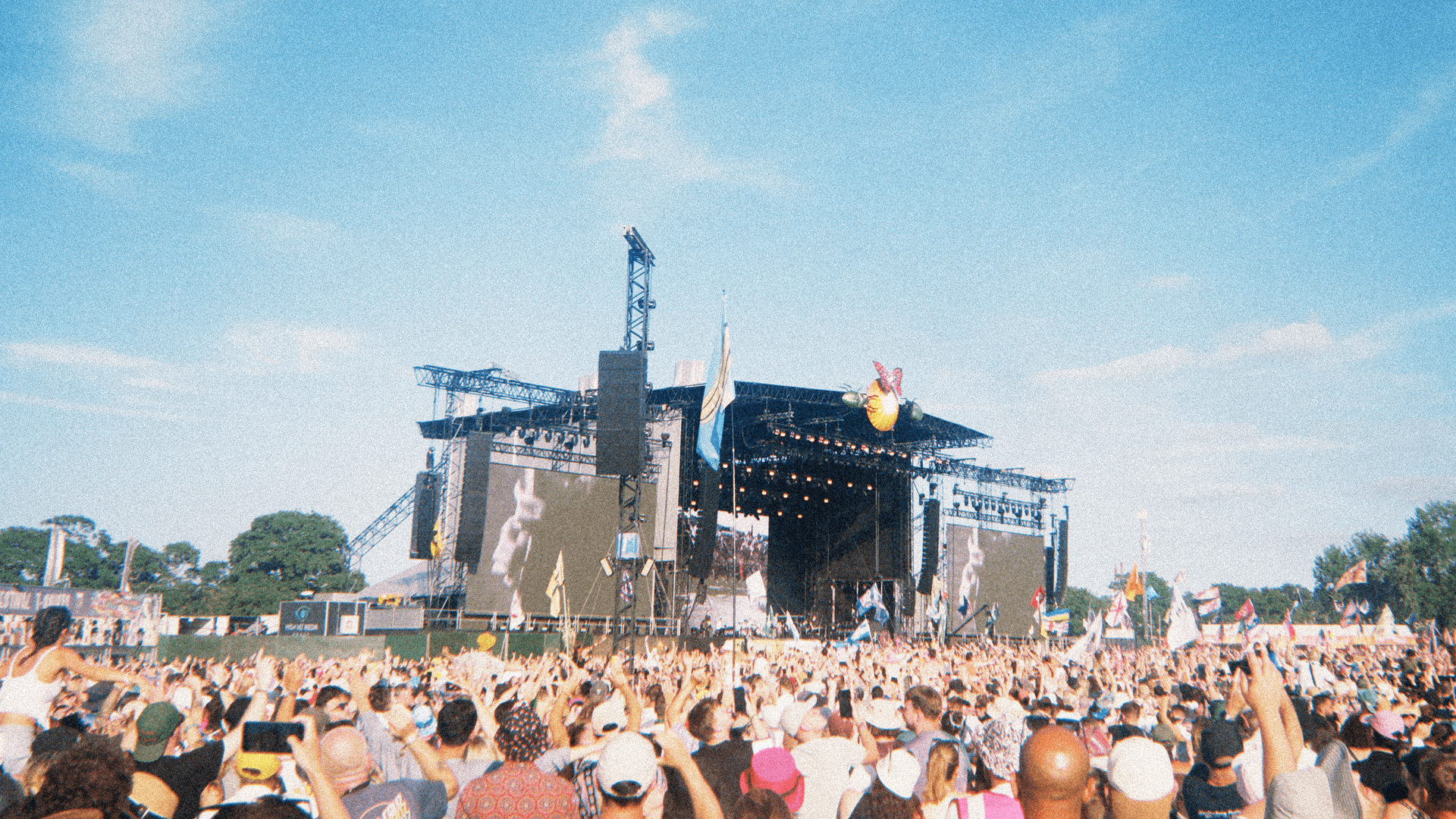
Things like this are a reminder that festivals are not the real world. At festivals, you’re in a precious bubble of like-minded people for a small window of time. Things go at hyper speed. We’re not here forever – it’s now or not at all. We therefore gear ourselves to act fast, meaning you can form a deep and meaningful connection in the time it takes to walk between stages. Seeing a band means you’re physically immersed in a large group of people who love the same thing as you. Forget online fandoms: this is what real community looks like.
At festivals, you’re in a precious bubble of like-minded people for a small window of time. Things go at hyper speed, meaning you can form a deep and meaningful connection in the time it takes to walk between stages.
I’ve been to a few European festivals in my time where the crowds are peppered with undercover police – often burly middle-aged men who think they’ll blend in by wearing a jazzy bumbag. For the most part, though, British festivals are quite lawless places. It’s true that many people interpret that freedom an opportunity to seek out sensory or euphoric experiences – but there’s many more innocent ways to enjoy the normal rules not applying. Festivals are rare situations where you can wake up whenever, sleep at whatever time you like, brush your teeth with tonic water, eat a burger for breakfast and nobody is there to judge you for any of it.
That judgement extends to your sartorial choices, too. I’m old enough to have gone to festivals before Kate Moss made them an arena for fashion journalism. Before the mid-noughties, festivals were joyously unglamorous places where the most outré couture was a comedy jester’s hat. Yet there’s also a glorious reason why the UK will never reach Coachella levels of fashion-focus: it’s just too rainy. I’m massively proud of the fact that, at a British festival, you can be a festival queen while dressed in a mud-splattered cagoule.
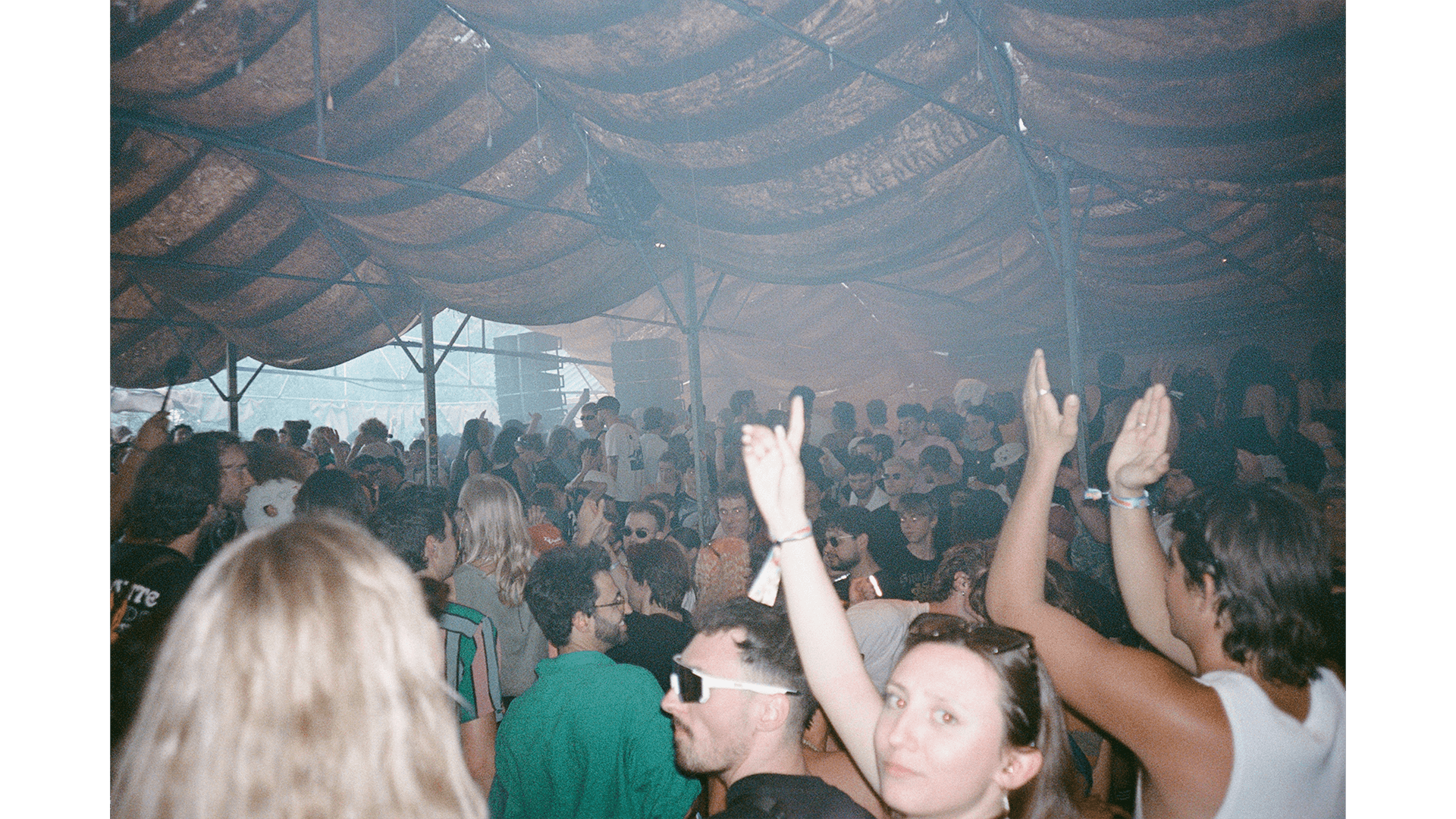
Looking cool is great, but there is something unique about leaning in to looking like a total festival gremlin. A good festival experience should make you feel pleasantly at odds with society – which is why many of my friends agree that the best part of the weekend is often disembarking at the first service station on the way home and reintegrating with society. Glitter-strewn, staring vacantly at a KFC ordering screen, looking offensive and smelling worse: the hallmark of a good weekend away.
It might seem mad that we spend £250 to get into an event with loads of loud noise and then spend £40 on Loop earplugs to keep that loud noise out of our ears. But our desire to be mildly pulverised by sound reflects the fact that so many of us achieve a state close to healing in a festival field. Hearing a band or DJ that resonates is a magical experience, especially if it’s one of those moments where one act is so popular they hoover up the entire festival.
I had my first accidental taste of that in 1998, walking to Glastonbury’s Pyramid stage to see sullen trip-hopper Tricky, not realising the preceding set from Glasto-newbie Robbie Williams had sucked in what felt like the entire population of northern Europe. Years later, the same would happen at an afternoon set by Solange at Lovebox 2017, after A Seat At The Table came out, which was a glorious feeling of communality to be among so many people for whom that album chimed so hard.
On the flipside, festivals offer small intimate moments that create a powerful sense of “you had to be there”. In a very tiny tent, not befitting their status at all, I once saw Soulwax DJing with Pulp frontman Jarvis Cocker – all three out of their comfort zone, the DJ duo playing wedding bangers with Jarvis occasionally telling seedy stories over dark techno.
Yet while music is paramount, I still contend that no matter what the line-up says, the only true headliners at a festival are the mates you came with and the ones you make. The connections I’ve made in those lost weekends of abandon have fulfilled me in ways that can have me welling up with joy on a wet Wednesday in January. They might not be your nearest and dearest pals, but there’s a sense of bonding that occurs at a festival that is truly unique and magical. It can be as profound as a decades-old shared love of a singer to a brief connection over fax machines. It can be as lasting as a tattoo you got at 3am or as fleeting as clinking margarita glasses under fairy lights. Because while festivals are a fun place to dress up – they’re even better places to truly find your people.