Misogyny harms women. What's harder to see – and what Claire Keegan portrays clearly in So Late In The Day – is that misogyny also hollows out the men who carry it. Her protagonist, Cathal, loses the woman he was about to marry, and never quite understands why.
Keegan appears to believe it’s not only possible, but necessary, to explore the ways in which men’s lives are diminished by misogyny. To be clear – that’s not her primary concern. Her body of work centres women’s struggles to survive the deep wounds and daily indignities of life under patriarchy.
Caring for women does not require indifference to men. In fact, women stand to gain immeasurably by transformation and growth in men’s lives, which includes a greater willingness to question – and challenge – their deeply seated misogynous beliefs and behaviours. Among the most obvious benefits to women would be men’s greater commitment to relational equality.
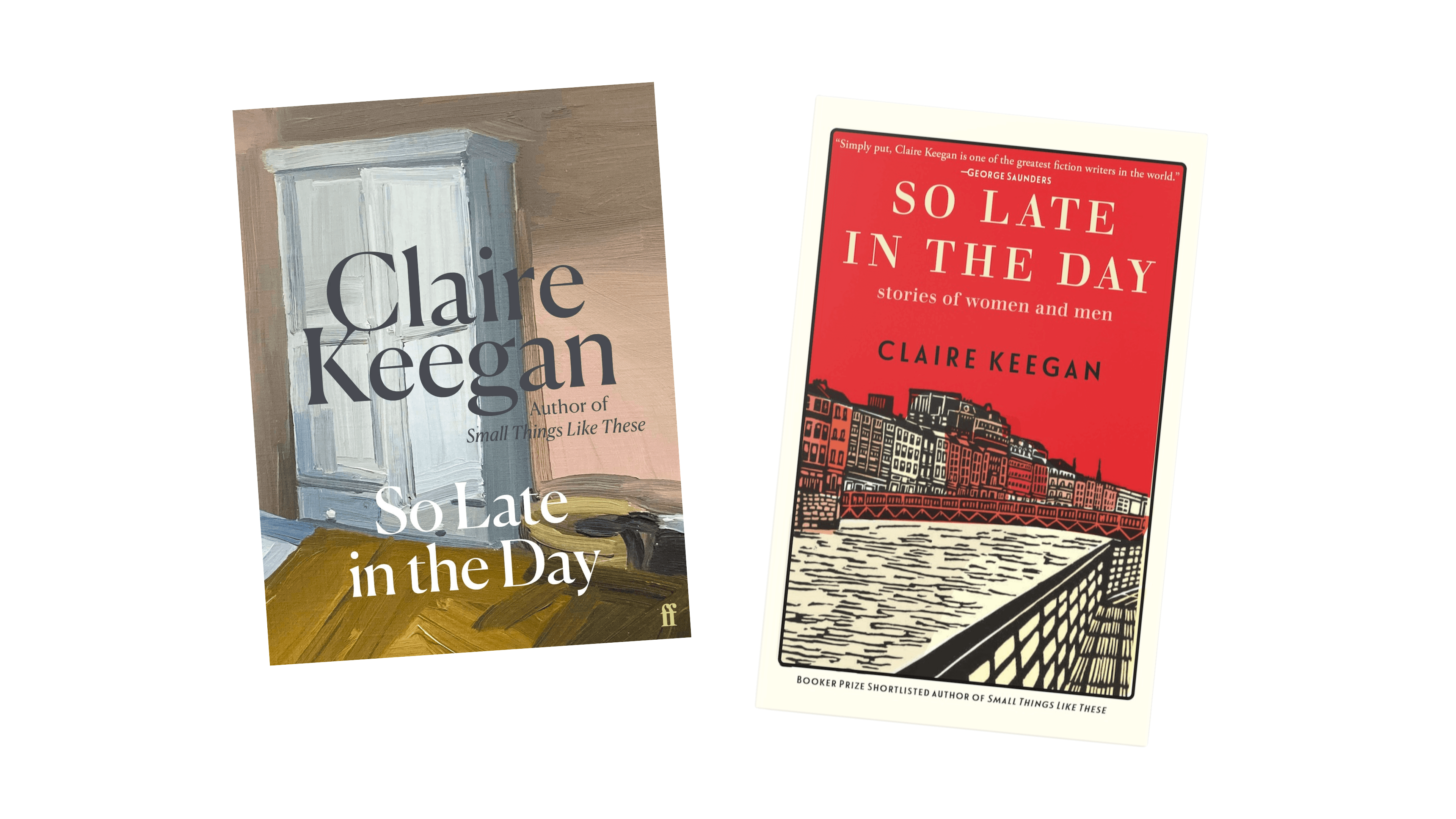
In So Late In The Day, Keegan follows an Irish man, Cathal, as he goes about his daily routine and ruminates on the events leading up to the demise of his relationship with his fiancée Sabine, and her abrupt, last-minute cancellation of their wedding.
Cathal’s emotional illiteracy virtually guarantees that he isn’t capable of sustaining an intimate relationship with a woman, unless he can find one that is emotionally undemanding and adequately compliant. Feminist progress has made this increasingly difficult, because too many women have been taught to expect more. This is one of the underlying causes of the relationship crisis roiling heterosexual couples in the West – and a main source of right-wing resentment toward feminists.
In her fiction, Keegan uses sparse but lyrical prose to illuminate the travails of specific people in order to illustrate larger themes. In the case of Cathal, she explores the ways in which patriarchal conditioning provides men with shockingly inadequate skills of empathy and relational reciprocity – skills that are fundamental prerequisites for modern egalitarian marriage.
Gloria Steinem famously said that feminism would “make love possible for the first time,” because inequality between the sexes prevents true companionship. Many women want that true companionship. But many men do, too. Some don’t even know what it looks and feels like, because masculine socialisation discourages even minimal introspection.
Cathal does have flashes of insight about one deeper source of conflict in his relationship with Sabine – his father’s influence.
During their first argument, Cathal made a thoughtless comment that he quickly regretted. Keegan writes that he “immediately felt the long shadow of his father’s words crossing over his life, on what should have been a good day, if not one of his happiest.”
Later in the story, Cathal reflects on an incident years before. His twenty-something brother had pulled out the chair at the kitchen table from under their unsuspecting mother, who fell to the floor. His brother, father and he had laughed heartily.
“Part of him now asked how he might have turned out,” Keegan wrote, “if his father had been another type of man and had not laughed.” But there were limits to how far the reflection could go. “Cathal,” she wrote, “did not let his mind dwell on it.”
If Cathal had let his mind dwell on it, he might have realised that he had been socialised into the sort of casual misogyny that has long been normalised in patriarchal cultures. That misogyny appears to have contributed directly to the collapse of his relationship and plans for the future, because Sabine – like so many contemporary women – was not willing to play by the old rules.
Bruce Springsteen has written that, “the price we pay as a society for our toxic individualism and patriarchy is our permanent estrangement from one another.”
The price women pay for patriarchal misogyny is, tragically, often far worse: persistently high rates of domestic violence, sexual assault, femicide. Cathal didn’t respond to Sabine’s withdrawal from him with acts or threats of violence. His rage was more contained and covert. He expressed it by uttering to himself the most deeply misogynous word in the English language: “cunt”.
He followed that up with reference to Sabine and her acquaintance, who had told her unflattering things about Cathal. “Fucking cunts,” he said. The switch to the plural, Keegan explains, made Cathal feel better, stronger.
It also transformed Sabine from a person that had wronged him to a member of a group that conspires against him and his fellow men. That is a key mechanism by which right-wing populists, and manosphere figures like Andrew Tate, exploit the grievance and anger of impressionable young men.
They take the frustrations and resentments of their male followers and weaponise them against the ideologies of “wokeness” and feminism – as they promise young men to restore what they’ve lost, or have never found, in their sex lives and relationships.
The trouble is, right-wing demagogues and manosphere manipulators can’t deliver the goods because, try as they might, they can’t bully women into providing men with the intimacy they crave. Countless studies attest to the emergence of a new status quo in heterosexual relationships. When it comes to things like health, companionship and emotional – as well as sexual – intimacy, men need women more than women need men. Sabine left Cathal because ultimately, she didn’t really need what he had to offer.
Jackson Katz, PhD, is the author of Every Man: Why Violence Against Women is a Men’s Issue, recently published in North America by Bloomsbury. Find him on Instagram here.
There’s More – Delve Deeper Into So Late In The Day With The Service95 Book Club...
WATCH Dua’s interview with author Claire Keegan
LISTEN to their conversation with the Service95 Book Club podcast
DISCOVER the books that inspired Claire Keegan to write So Late In The Day