There’s no one way to be a woman. It’s a statement that might be obvious to some but is always worth reiterating – and one so deftly explored through literature. To mark International Women’s Day this year (8 March) and the added focus that Women’s History Month brings throughout March, the Service95 Book Club is here to bring you a range of literary perspectives, through which you can view the world through the lens of a woman – and all of the experiences and lessons that can bring.
Seeing as International Women’s Day conveniently falls on a Sunday this year, it’s the perfect time to curl up with a great book that expands your horizons. So here, we’ve hand-selected work from writers across the globe, from India to Argentina, Japan to Zimbabwe, whose writing captures the complexity, contradictions and vast imaginative power of women’s experiences. Consider this your essential IWD reading list, because to give these writers your time is to gain a whole new lens on womanhood.
Mother Mary Comes To Me by Arundhati Roy
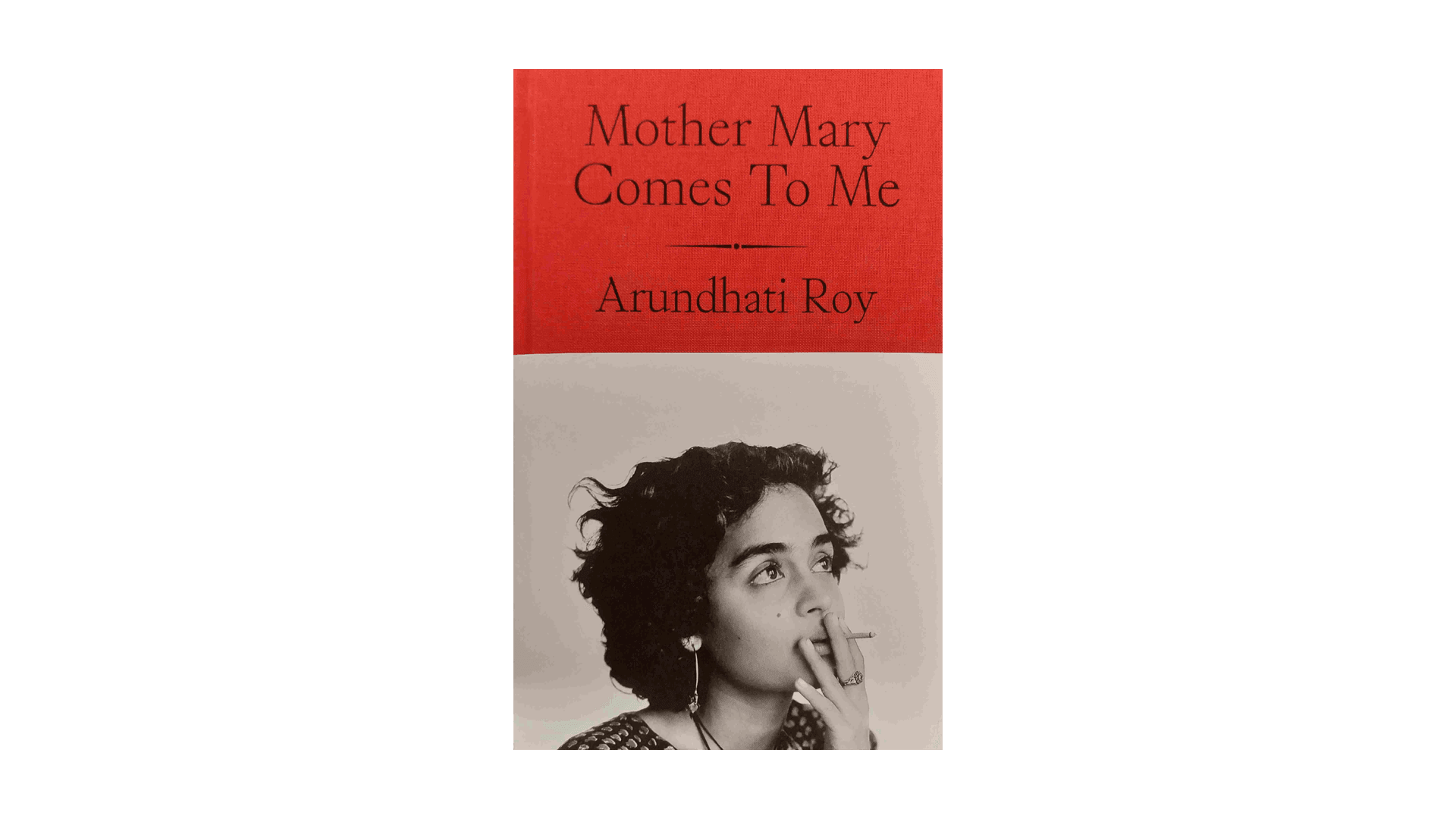
From the author of boundary-pushing Booker Prize-winner The God of Small Things comes a candid memoir that traces her life and career, from her childhood in Kerala to her adult life as an author. When her mother, Mary, died in 2022, Arundhati was devastated. In an attempt to come to terms with the present and also understand her past, Arundhati recalls a mother who was able to both love deeply and yet be cruel and combative – “my shelter and my storm” – and their fraught yet deep-rooted relationship that led to the author leaving at the age of 18. With much of Arundhati’s story taking place during a transformative era in India’s political and social landscape, the book intertwines her own womanhood with the history of her country. It’s eloquent, moving and brilliant.
The Dangers of Smoking in Bed by Mariana Enríquez, translated by Megan McDowell
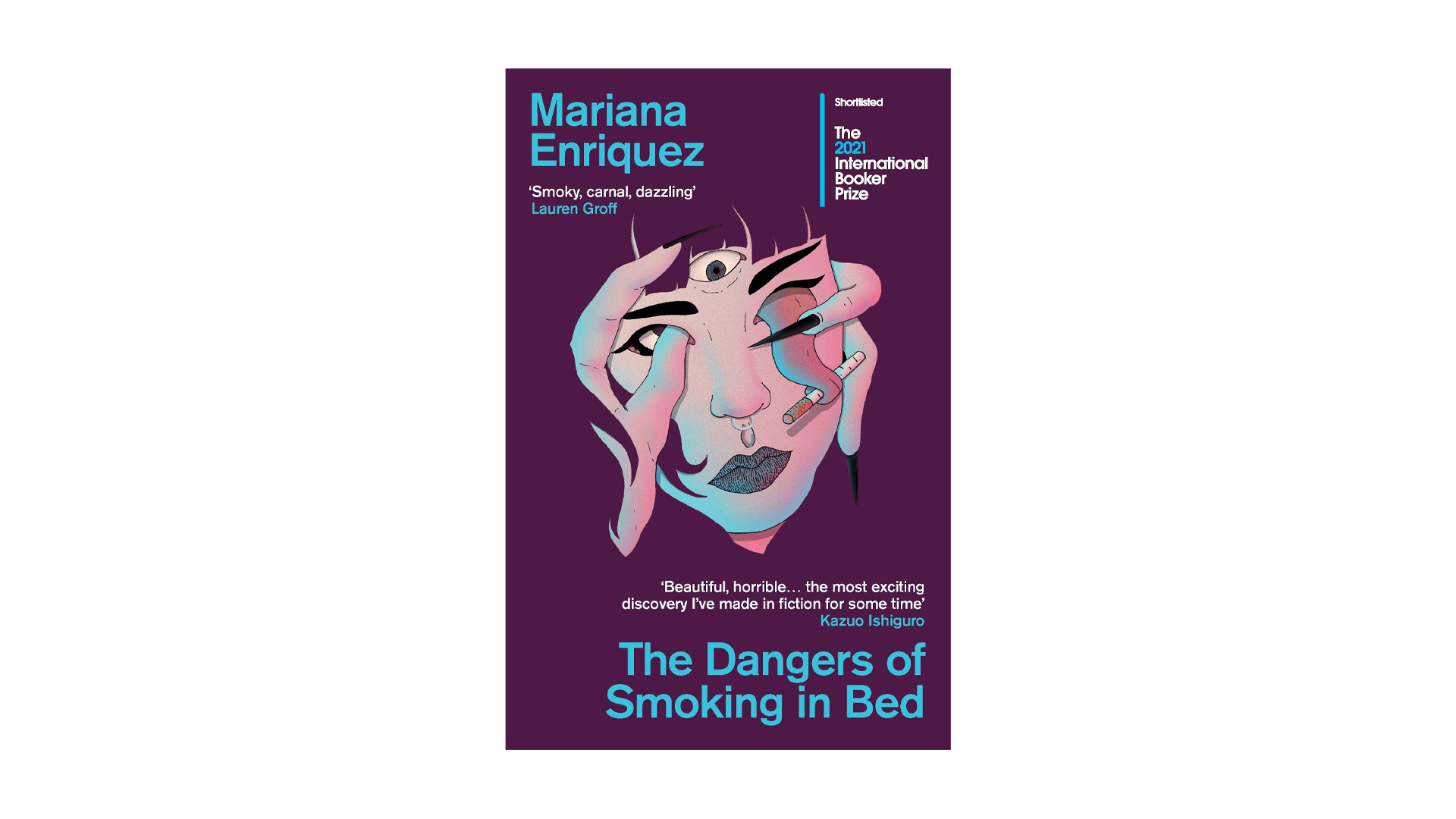
Argentinian author Mariana Enríquez is the undisputed queen of body horror and she showcases it no better than in this hypnotic, grotesque collection of short stories. Focusing on women’s bodies in all their glory (and gore), you can expect Ouija boards, mysterious abductions, teenage cruelty, supernatural hauntings, myth, possession and a heartbeat fetish (yes, you read that right). Throughout the book, Mariana masterfully transforms dread and repulsion into a feminist language, using flesh, fear and Latina identity to conjure and explore girlhood, violence and the macabre – all solidly rooted in the Spanish-speaking world. It’s visceral and disturbing, and sure to stay with you.
Breasts and Eggs by Meiko Kawakami (translated by Sam Bett and David Boyd)
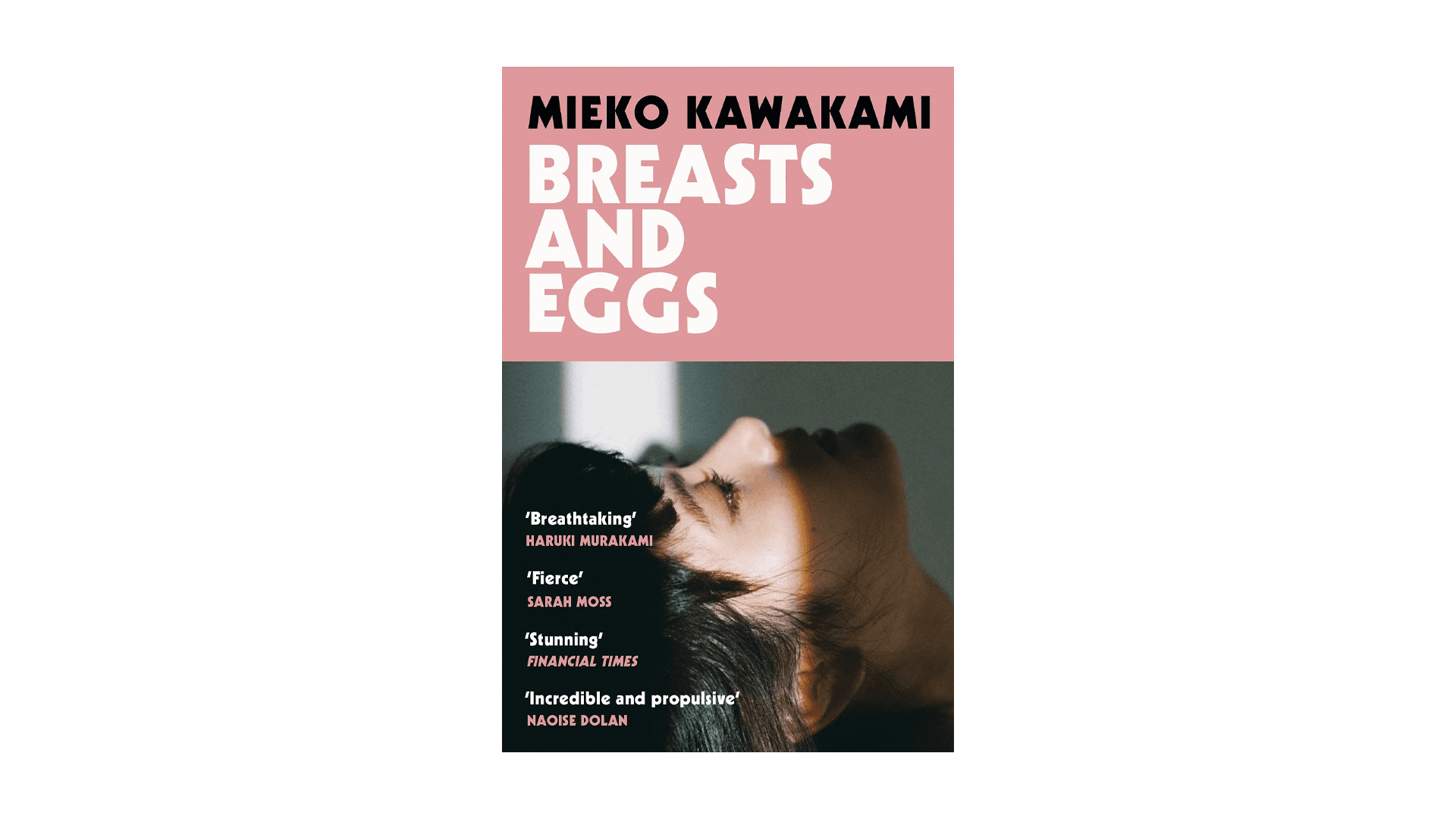
Breasts and Eggs follows Natsuko, her older sister Makiko and Makiko’s daughter Midoriko. In the first story, Breasts, the three women are sharing an apartment in Tokyo’s oppressive summer heat. The story centres on Makiko’s fixation with breast enhancement surgery to rectify her fading looks, and her 12-year-old daughter Midoriko’s silent protest and confusion with her own changing body. Years later, in Eggs, we meet Natsuko again, now an established writer, who thinks back to that summer and confronts her own longing for a child, and how this might look outside of socially accepted structures. What Meiko does so masterfully here is put the three women under a suffocating microscope to critique the female body, sexuality, the idea of ‘success’ and Japanese working-class womanhood.
Nervous Conditions by Tsitsi Dangarembga
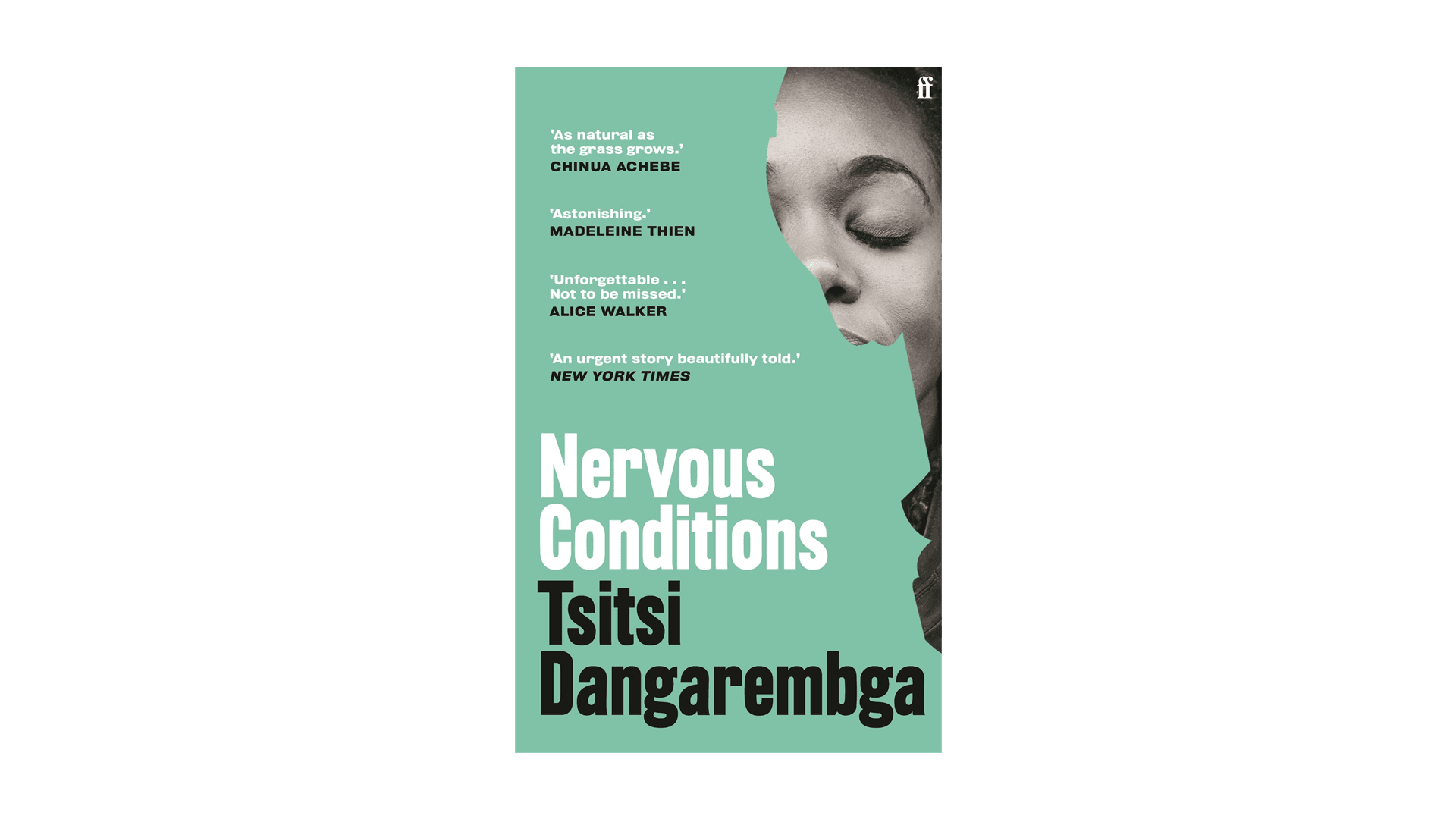
Filmmaker and activist Tsitsi Dangarembga was imprisoned in 2020 for her anti-Zimbabwean government protests, but subsequently had her conviction overturned in 2023. She channels these vast life experiences and passion for social justice into her writing, too – and novel Nervous Conditions is no exception. Dangarembga’s modern classic transports us to 1960s Rhodesia, and the home of Tambudzai – a girl determined to gain an education, despite the patriarchal, colonial society around her claiming she doesn’t need one. She cultivates and sells crops in a bid to fund her schooling and gain independence in a country on the verge of transformation. The novel is a stark reminder of the strength and determination needed to solidify your place in systems built to exclude.
How to End a Story by Helen Garner
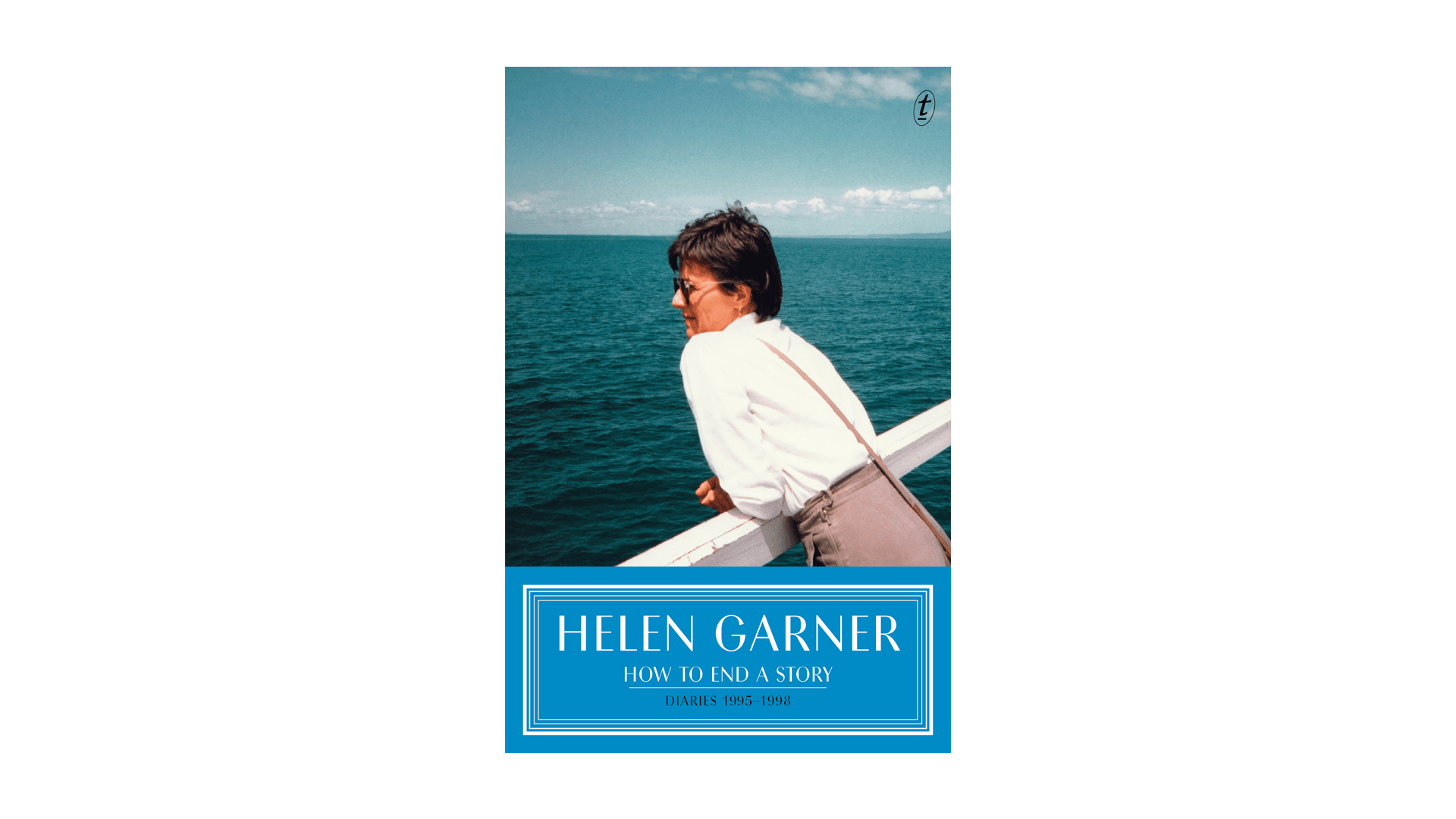
Australian author Helen Garner’s luminous diaries chronicle decades of a writer at the top of her game. In these unfiltered entries she lays it all on the table, baring everything from marriage breakdown to single motherhood, anger, creative ambition and crippling self-doubt. Garner has a forensic eye (as you may remember from her book This House of Grief, one of Dua’s 2025 Monthly Reads – listen to their conversation here), which she now trains on herself, exposing her own honest fragility as well as her formidable intellect. These diaries are a masterpiece of introspection and creative endurance.
The Other Girl by Annie Ernaux (translated by Alison L Strayer)
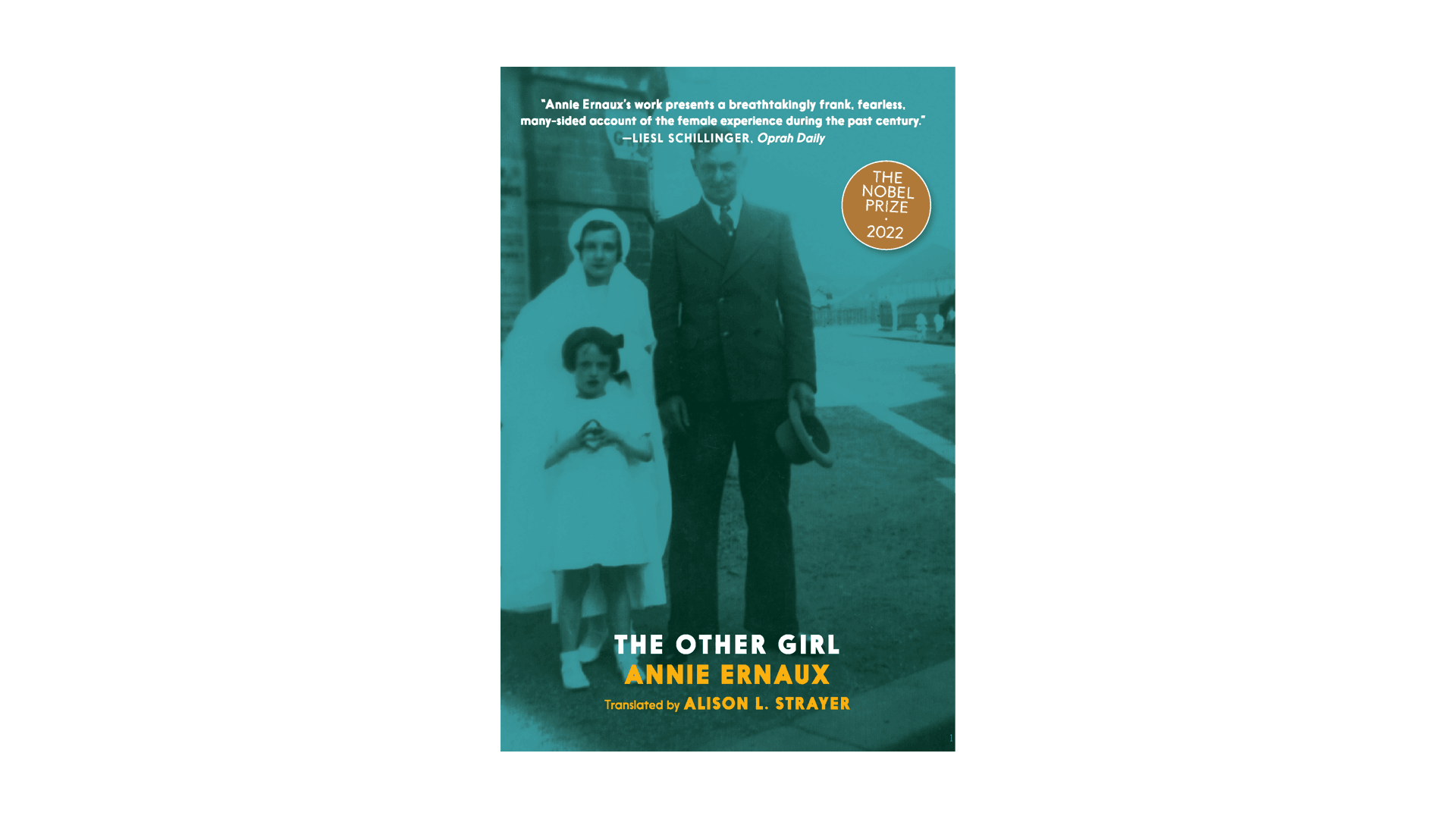
In this memoir, French writer Annie Ernaux writes the letter she could never send – to the sister she never knew. Annie is raised believing she was her parents’ only child until the age of 10, when she overhears her mother mention another daughter; an ‘angel’, she says, ‘not like this one’. Before Annie was born, her parent’s first child died from diphtheria at age six. This other daughter’s name is never mentioned again in the household. A young Annie grapples with the revelation that she was a replacement for the ‘better’, ‘sweeter’ daughter who was taken from her parents too soon. She considers survivors guilt and phantom sisterhood, and how confusing her feelings of rivalry, grief and inadequacy are towards a sibling she never knew. This is Annie Ernaux’s exquisitely nuanced look at womanhood, a daughterhood defined by loss, and the stories that came before her.
Alphabetical Diaries by Sheila Heti
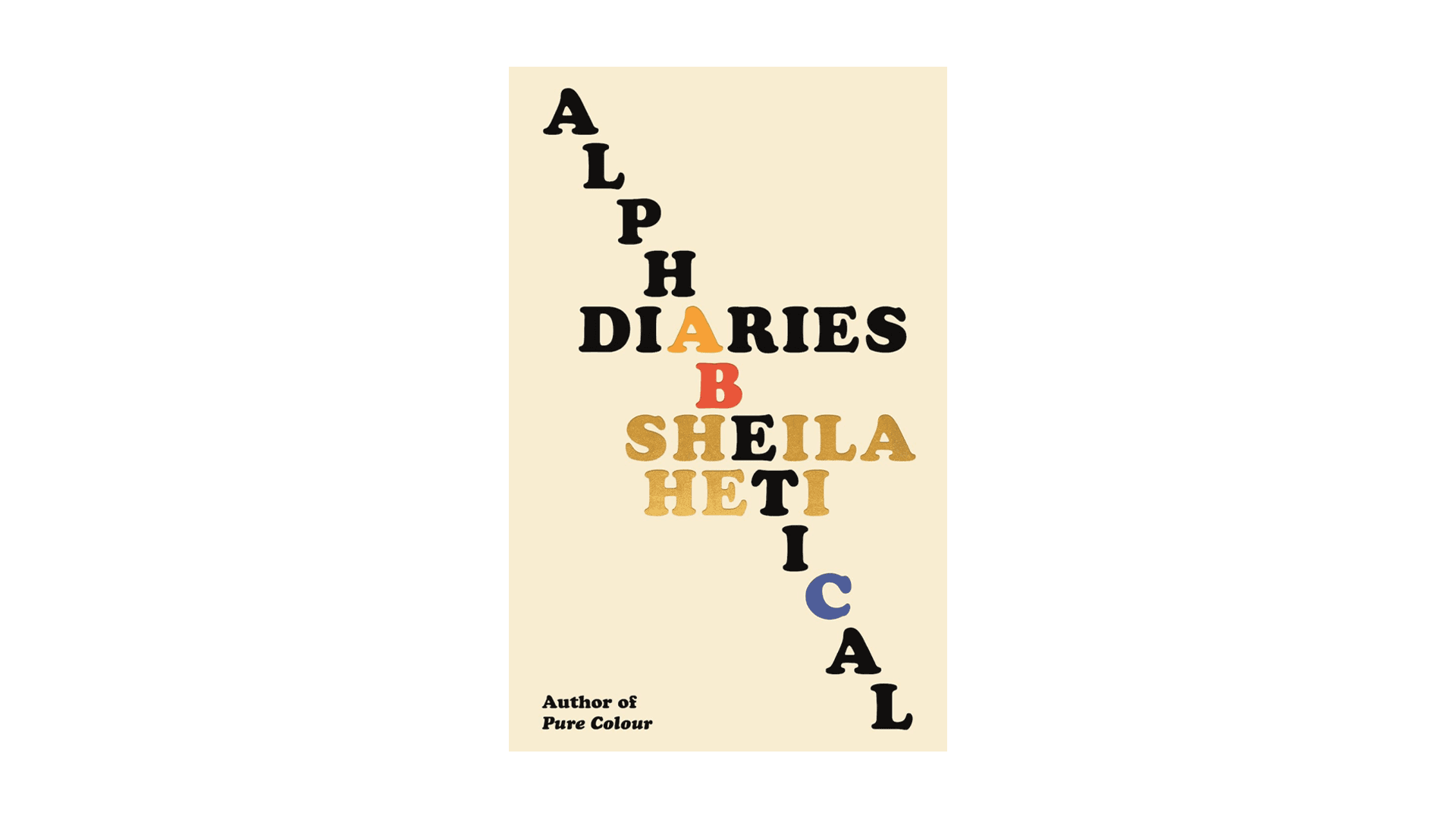
Canadian novelist and essayist Sheila Heti took decades of her own diaries, meticulously typed them all up and alphabetised them. The result is a chaotic, confessional arrangement of unlikely sentences, foregoing the traditional chronological memoir arc of tidy self-discovery, and instead allowing Heti to pour herself unbounded onto the page. By giving control to the alphabet instead of a narrative structure, she reveals a raw identity that resists order or even any real coherence. It’s experimental, wild and frankly, genius. Perfect, perfect reading.