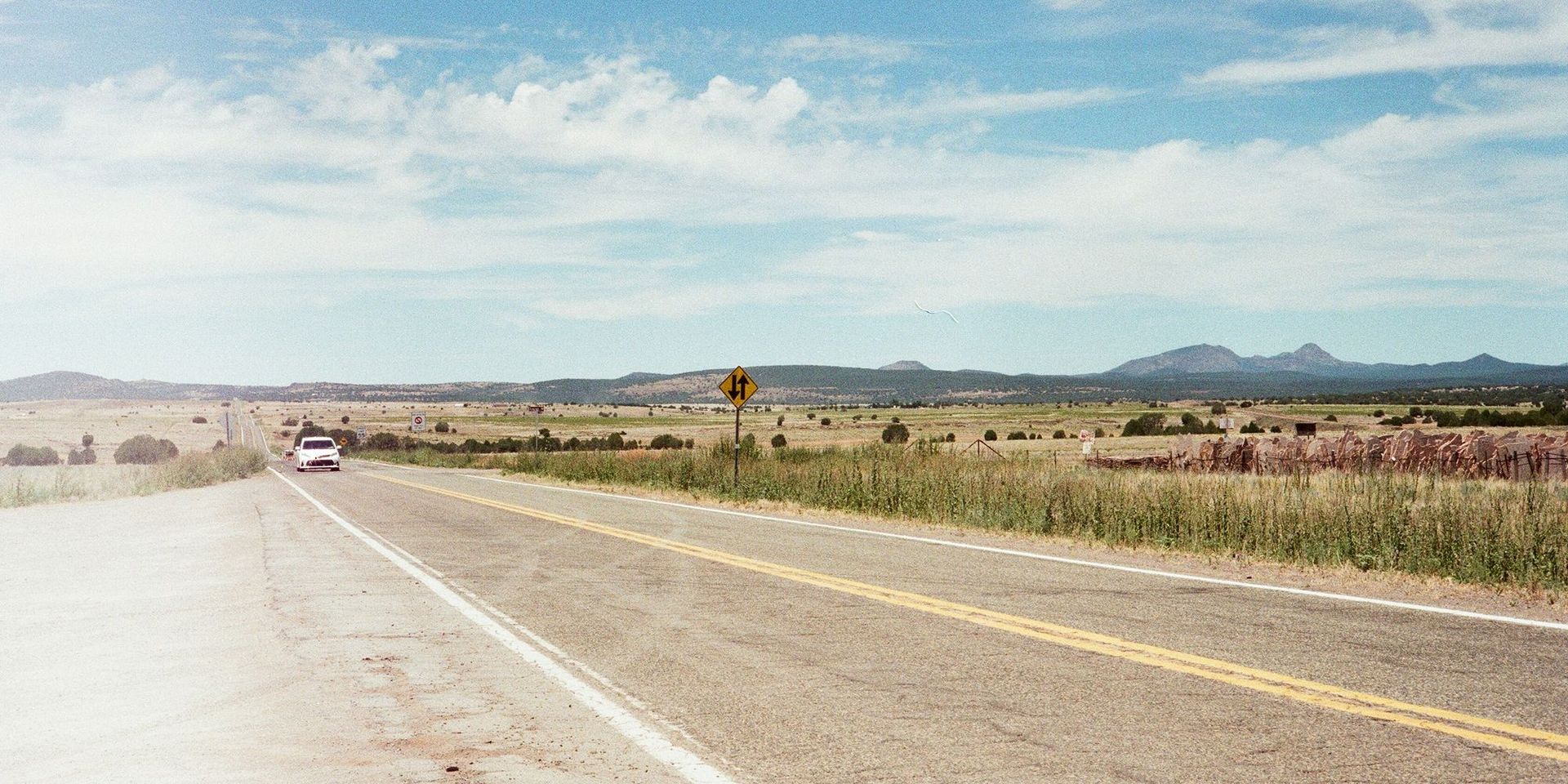
This year, Route 66, that most legendary of all-American road trips, celebrates its 100th birthday. While, yes, it’s still famed for the neon signs flickering outside retro diners, that’s always been just one chapter in the route’s rich history. Stretching 2,448 miles from Chicago, Illinois, to Santa Monica, California, more than half of Route 66 passes through or alongside Native American lands.
“More and more travellers are today coming to hear the stories of the Indigenous communities that have long lined the road,” says Kialo Winters of Navajo Tours USA. “I think people are tired of a sanitised version of the American West. They want the real story, and the real story here belongs to Indigenous people.”
Recent openings along the route, such as the First Americans Museum in Oklahoma, together with Indigenous-owned businesses like New Mexico’s’ 4KINSHIP, which champions the next generation of creatives, are helping bring those once-overlooked narratives into the spotlight. “Route 66 is finally being understood as a Native American corridor that was paved over, not just a nostalgic road trip,” says Winters. “That shift matters.”
Here are five destinations along Route 66 defined by Indigenous communities and their histories.
1. Join A Beadwork Class In Chicago
In the 1950s, thousands of Native Americans moved to Chicago under the federal government’s Urban Indian Relocation Program, which encouraged Indigenous people to leave reservations for cities with the promise of jobs, housing and greater economic opportunity. When they arrived, however, many were met with discrimination and isolation far from their communities.
The American Indian Center of Chicago was established in 1953 to help support this growing Native population. Today, its twice-weekly beadwork workshops, free to attend and open to all, offer an introduction to this intricate art form. There’s also a gallery onsite to browse, which is the only exhibition space dedicated to promoting Indigenous artists in the city.
2. Attend a powwow in Missouri
Powwows have long been a way for Native communities to gather through dancing, drumming, song and ceremony. But from the late 19th century, the US government suppressed many Indigenous religious ceremonies and traditional dances, with restrictions continuing right into the 1930s. In the decades since, powwows have flourished once again, becoming important celebrations of Native culture and identity.
That resurgence can be experienced in St Louis at Washington University’s annual Buder Center Powwow in April. Free to attend and open to everyone, the spring gathering brings Native gourd dancing, drummers and market stalls together for one of the region’s longest-running powwows.
3. See Artworks By Reservation Dogs Writer Ryan RedCorn In Oklahoma City
When Reservation Dogs, the TV series created by Oklahoma filmmaker Sterlin Harjo with Taika Waititi, first hit our screens in 2021, it introduced audiences to nuanced, often comic snapshots of contemporary on a reservation. Ryan RedCorn, one of the show's writers, brings that same knowing humour to his photography. One image depicts an Indigenous wrestler poised to body slam his opponent while holding aloft a sign reading, “Merciless Indian Savages”, a wry jab at the persistence of stereotypes.
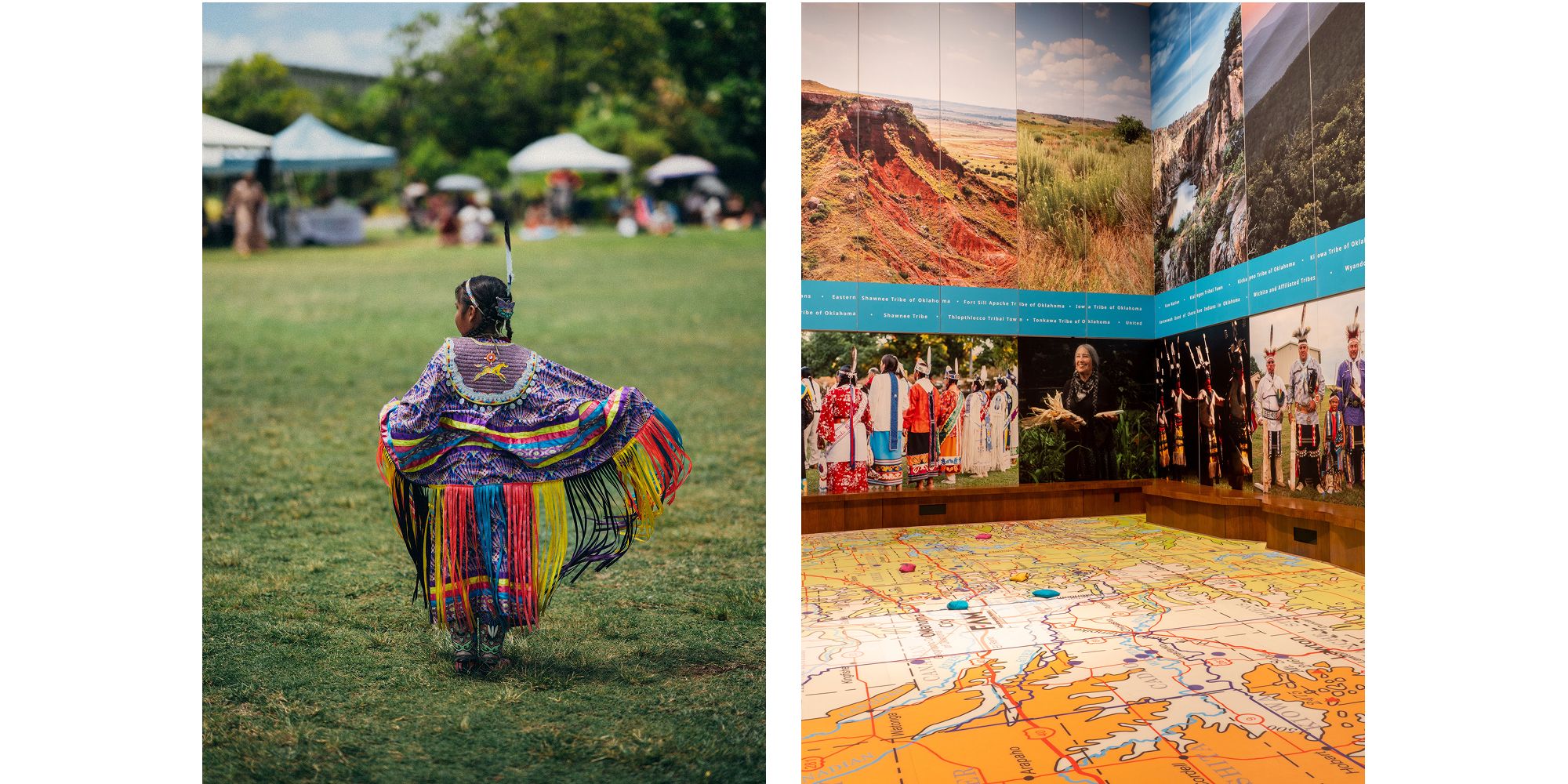
He’s part of a group of contemporary Indigenous artists represented at the First Americans Museum, which finally opened in Oklahoma City in 2021 after 15 years of construction. Before leaving the institution to rejoin the open road, stop by the museum’s 39 Restaurant for fluffy frybread tacos topped with Quapaw beef.
4. Hike With An Indigenous Guide In New Mexico
For much of Route 66’s 100-year history, Native communities were cast as part of the romantic mythology of the American West, their cultures depicted through feathered-headdress statues by the roadside, trading-post souvenirs and kitschy teepee motels. Today, Indigenous-owned tourism businesses are helping to flip that script, with Native guides leading visitors through landscapes their families have called home for generations.
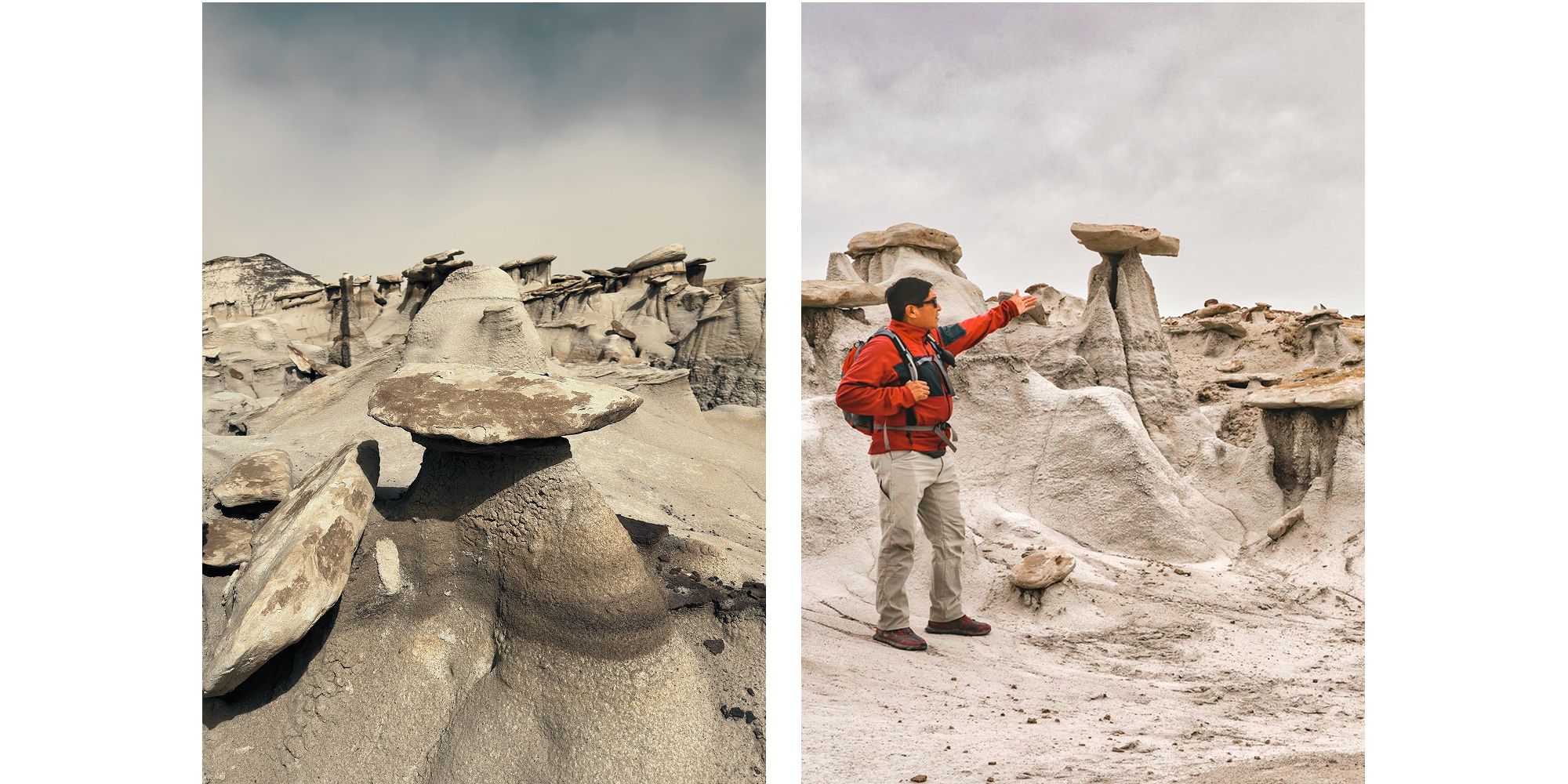
Navajo Tours USA, New Mexico's only Diné-owned tour company, is one such venture. Combining hiking with history, tours range from Chaco Culture National Historical Park to stargazing nighttime expeditions in the lunar-like Bisti Badlands. Afterwards, refuel roadside at the food stalls cooking up a storm between Gallup and Grants. “These aren't tourist traps,” says guide and co-owner Kialo Winters. “When you buy direct from an Indigenous vendor on Route 66, the story stays intact.”
5. Tap Into A New Generation Of Creatives In New Mexico
Not all Indigenous stories along Route 66 date back centuries; some are still taking shape right now. In New Mexico, there’s a new generation finding self-expression through fashion and skateboarding. The annual Modern Matriarch Skate Jam, a festival of skating and music on the Navajo Nation, is a showcase of this emerging subculture.
To tap into the scene year-round, head to Santa Fe’s Indigenous-owned 4KINSHIP, a boutique combining streetwear with community activism situated on a stretch of Route 66’s original alignment. Keep an eye out for limited-edition pieces by Di'Orr Greenwood, a Diné artist and skateboarder who has designed a US Postal Service stamp and recently collaborated with Nike.