The recent US midterm elections, which the Democrats won by a landslide – taking back Congress from the Republicans and delivering a powerful rebuke of President Trump's agenda in the process – demonstrates how our actions at the ballot box can reshape even the most entrenched political landscapes. It was a moment years in the making. In territories such as Texas, Georgia, Kansas and beyond, grassroots organisation, volunteer-led initiatives and youth engagement had succeeded in registering young voters and bringing overlooked communities into the political process, helping create the conditions for historic Democratic gains.
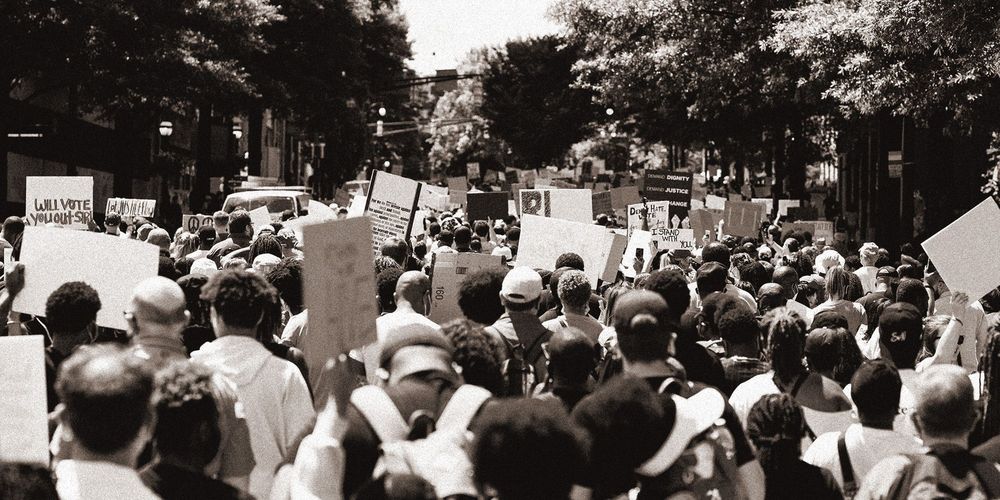
But collective action extends far beyond our voting choices, with younger generations reclaiming and reshaping what protest can look like. Across the world, Gen Z-led movements have taken to the streets to challenge corruption, economic inequality, climate change and political exclusion, in some cases bringing down governments. While their demands differ, a common frustration runs through them: a sense that existing systems no longer represent their interests or futures.
In response, some governments are resorting to internet shutdowns and restricting public gatherings in an effort to hamper people’s ability to communicate, organise and gather. Surveillance tools such as facial recognition and online monitoring are also making it easier to identify and target people exercising their right to vote or protest. But rather than putting people off, these repression tactics have often only deepened anger and brought even more people into the streets.
The protests and electoral shifts of the past few weeks are part of a larger story. History tells us that movements don’t always succeed – just as a toppled government doesn’t necessarily lead to a fairer system – but the following examples show what’s possible.
The Suffragettes And The Fight For Women’s Votes (UK, 1903-1928)
The Suffragettes campaigned for women’s right to vote through controversial and sometimes violent protests, alongside the suffragists, who favoured nonviolent methods. The movement was founded in 1903 by Emmeline Pankhurst and a group of fellow activists with the ethos of “deeds not words”. After decades of campaigning, some women over the age of 30 won the right to vote in 1918. A decade later, women finally gained equal voting rights with men.
The Salt March (India, 1930)
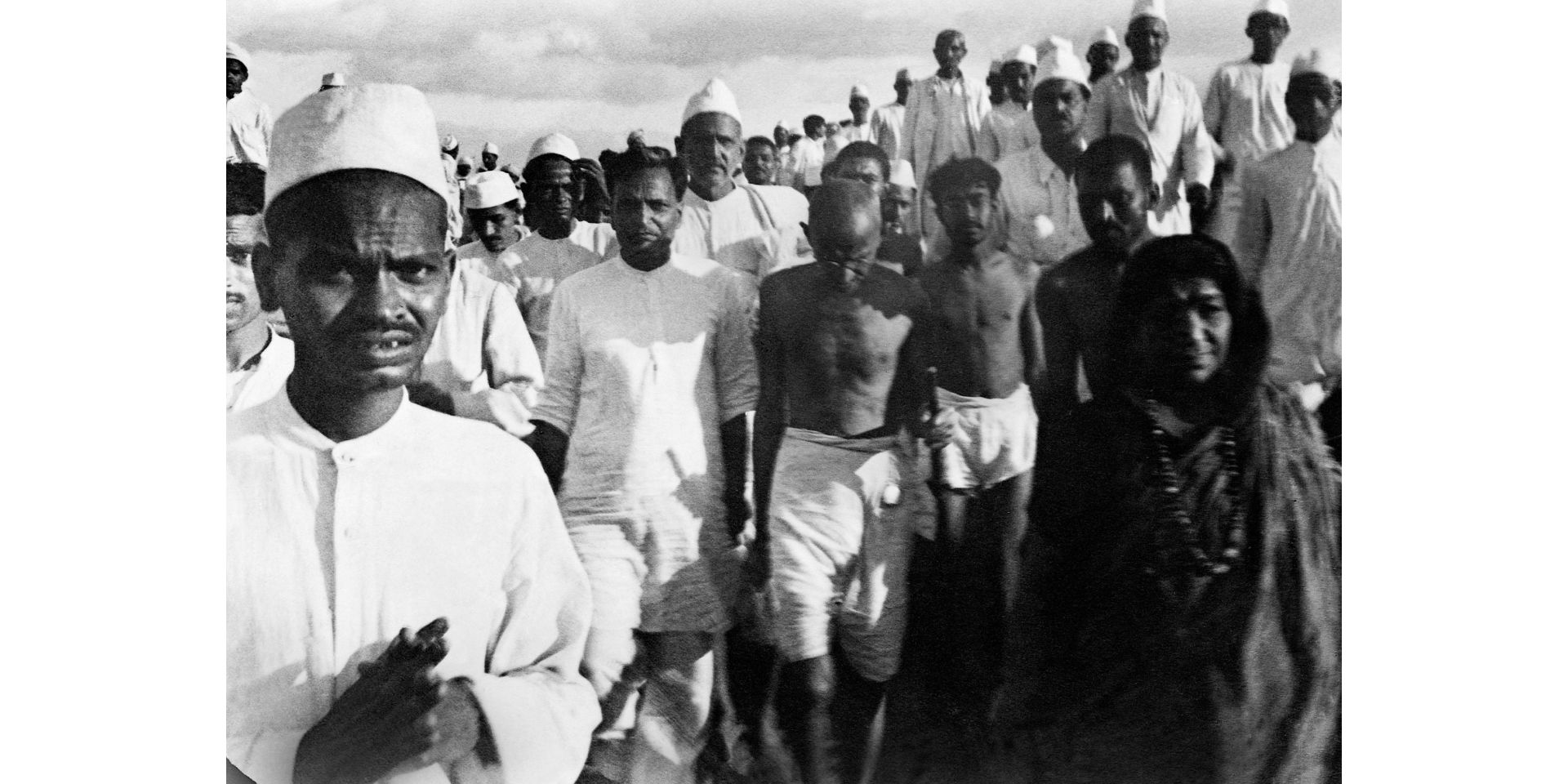
The 1882 Salt Act gave the British government in India a monopoly on the collection, manufacture and sale of salt. Aiming to challenge a law that banned Indians from accessing this natural resource, lawyer and activist Mahatma Gandhi set out on foot from the state of Gujarat in March 1930 with 78 volunteers on a 240-mile trek to the Arabian Sea, which was eventually joined by some 10,000 protesters.. The march inspired large-scale acts of civil disobedience and helped overturn Britain’s monopoly on salt production and build momentum toward India’s independence in 1947.
The Civil Rights Movement (US, 1954-1968)
Led by Dr Martin Luther King Jr and others, this era-defining movement challenged the laws and practices that enforced racial segregation and white supremacy in the US in the 1950s and 1960s and fought to secure equal rights for Black Americans, including the right to vote. Drawing in part on Gandhi's concept of nonviolent resistance, activists organised marches, boycotts and sit-ins, and pursued legal actions in the courts. Grassroots organising, media coverage and political pressure helped win landmark reforms, including the Civil Rights Act of 1964 and the Voting Rights Act of 1965, though some of those hard-won protections have since been weakened by the courts.
The Carnation Revolution (Portugal, 1974-1976)
In April 1974, around 200 young military officers launched an uprising against Portugal’s authoritarian dictatorship, which had ruled for more than four decades. Their revolt, driven partly by opposition to the country’s colonial wars, was soon joined by thousands of civilians who took to the streets, placing carnations in the soldiers’ rifle barrels and tanks. The Carnation Revolution, as it became known, brought an end to Europe's longest-running dictatorship in just one day.
The Soweto Uprising (South Africa, 1976)
When police opened fire on Black students protesting a government decree that Afrikaans be used to teach certain subjects, unrest spread across South Africa. A photograph of 12-year-old Hector Pieterson being carried away after he was shot and killed became an iconic image that drew international attention to apartheid’s brutality. The uprising did not end apartheid, but it broadened resistance.
The Mothers Of Plaza De Mayo (Argentina, 1977-present)
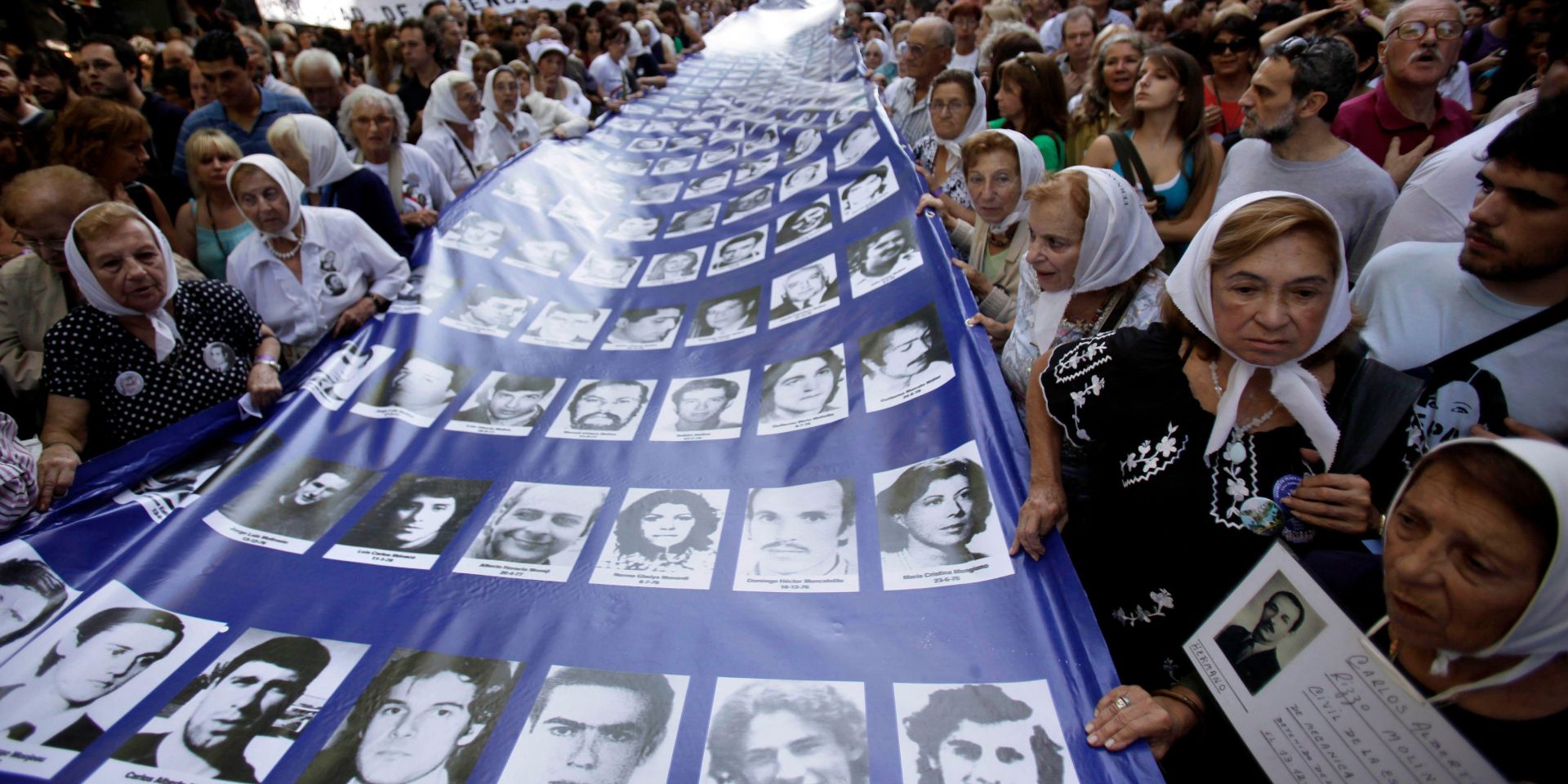
From the late 1970s to the early 1980s, Argentina’s military dictatorship abducted and disappeared thousands, including hundreds of women whose babies were taken at birth and adopted illegally. Every Thursday the mothers of the disappeared gathered to march in front of the presidential palace demanding to know what happened to their children. Most never learned their children’s fate, but their persistence helped pave the way for the collapse of the regime. Nearly 50 years later they still gather.
Marriage Equality (Ireland, 2015)
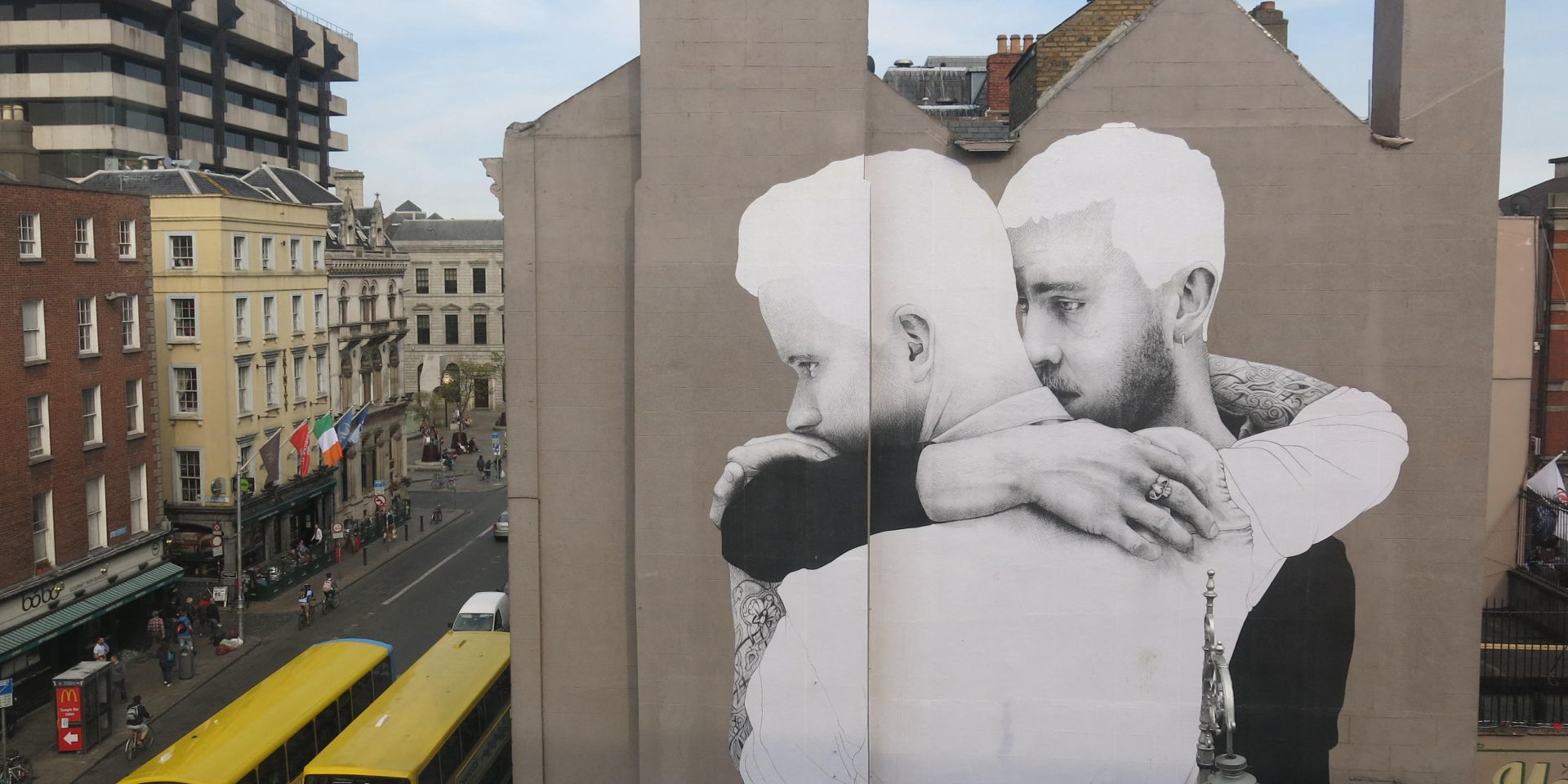
In 2015, Ireland became the first country in the world to legalise same-sex marriage by popular vote. Gráinne Healy and Brian Sheehan’s Yes Equality coalition focused on personal stories, family ties and shared values of fairness and love to win over the hearts of minds of voters in this traditionally Catholic country. Social media campaigns encouraged people to canvas, register voters and even fly home to vote, with voters ultimately approving same-sex marriage with a yes vote of over 60%.
Women2Drive And The Campaign For Women’s Right To Drive (Saudi Arabia, 1990-2018)
In 2008, Wajeha Al-Huwaider posted a video of herself driving, in defiance of a longstanding ban that barred women from doing so. Five years later, activists like Manal al-Sharif and Loujain al-Hathloul launched a campaign encouraging women to film themselves driving and share it online. In 2018, ahead of the ban being lifted, several prominent women's rights activists were arrested, including Loujain al-Hathloul, who spent nearly three years in prison. During her detention, she was subjected to torture and other forms of abuse, according to human rights organisations. Although Saudi Arabia officially lifted the driving ban in June 2018, the arrests highlighted the risks women continued to face for demanding greater freedoms.
Pacific Islands Students Fighting For Climate Change (2019-present)
Students around the world have frequently joined forces to protest stronger action on climate change – with Greta Thunberg’s Fridays for Future movement, which started in 2018, in particular gaining global traction. In 2019, when warming waters and rising seas threatened to engulf their communities, 27 law students at the University of the South Pacific launched a campaign to take climate change to the International Court of Justice. With Vanuatu’s support they asked the International Court of Justice to clarify governments’ legal obligations to address climate change. In July 2025, the court issued a landmark opinion confirming countries’ obligations under international law to address climate change, giving vulnerable communities a stronger basis to demand accountability.
Students In Blockade (Serbia, 2024-2026)
When a railway station canopy collapsed in Novi Sad in 2024, killing 16 people, students blockaded university buildings demanding accountability and action against corruption. Just like the Otpor!, the youth-led movement that helped bring down Slobodan Milošević, they used creative protest tactics and built a wide coalition that included teachers, farmers and ordinary citizens. On October 25, 2026, the student-backed Student List won Serbia’s parliamentary election, defeating Aleksandar Vučić’s ruling party after 14 years in power.