If the previous two FIFA World Cups had critics and activists fired up, this year’s edition has surpassed them both. Then, the ethics of host countries Russia (2018) and Qatar (2022) were in question. Now, with matches across North America, mostly staged on US soil, there’s been a magnifying glass over the corporatisation of the ‘beautiful game’. Overpriced tickets, endless commercial breaks and travel bans affecting various competing countries, players, fans and officials has turned what should be a joyful celebration into a series of controversies.
Yet football always finds a way to escape the structures built to contain it. Its ability to unify communities and create spaces for underrepresented groups can be seen in bars, fan zones and, most importantly, on local pitches. Across the globe, a growing number of grassroots recreational teams have emerged in response to the increasing elitism of the professional game.
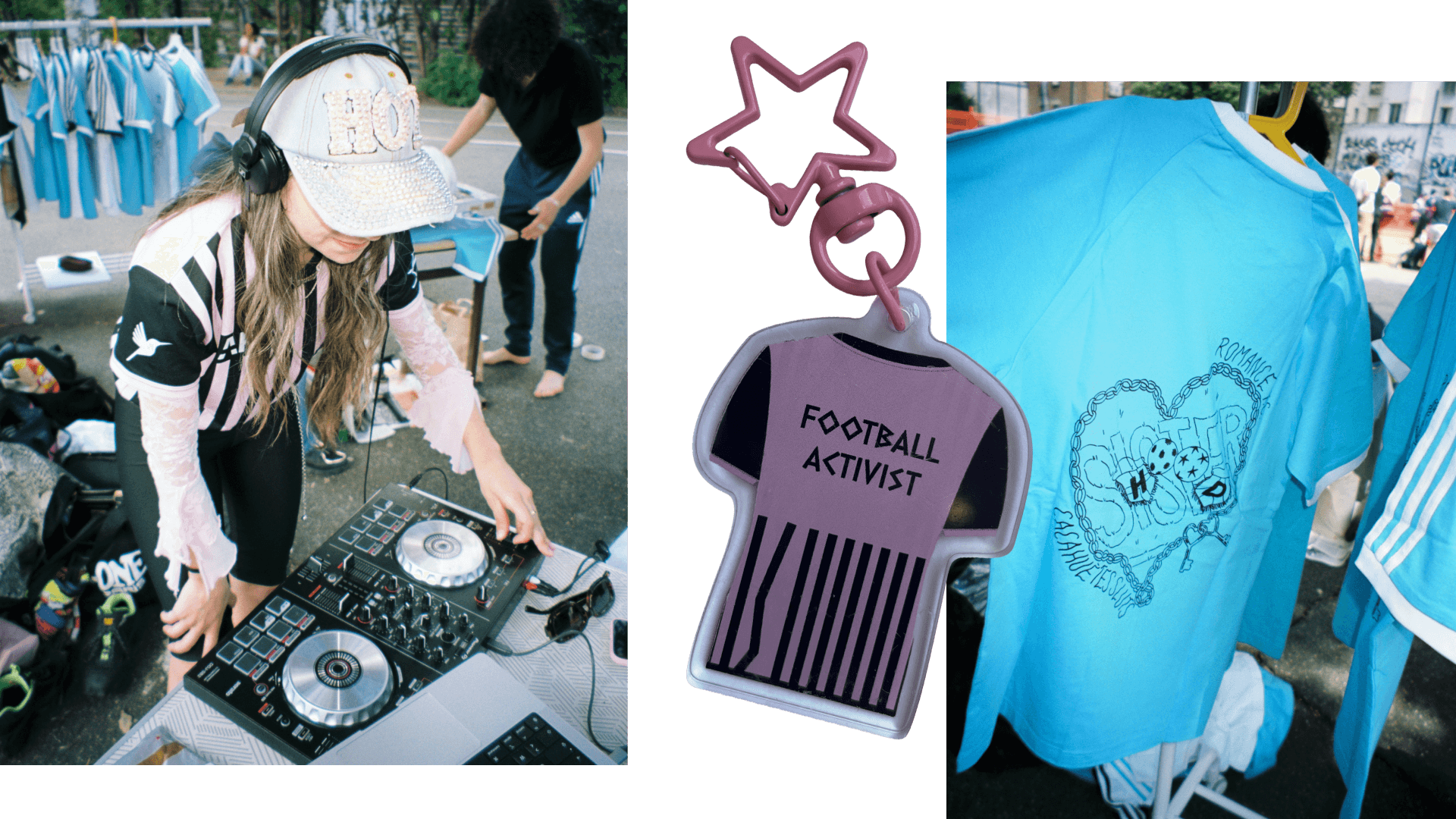
Gaia de Siena and Carolina Latour were at a bar in east Rome when they realised all their male friends had group chats dedicated to casual games. Inspired, they created their own group, gathering 80 girls from across their network the following day. That soon turned into five-a-side team Gazze FC, founded in 2025, which now competes at two different levels. “Starting Gazze FC has made one thing tangible, match after match,” say the duo. “The importance of having a group of women and friends willing to try something together – even if it means making mistakes along the way.”
As inclusive, women-centric clubs continue to emerge, weaving an international network of like-minded collectives across Europe, football’s role as a vehicle for cultural exchange, friendship and solidarity across borders has perhaps never been clearer. This summer, the Mini Euros, an invitational tournament hosted by Lisbon's Foca FC brought together eight grassroots clubs, celebrating not just football, but a shared vision of what the sport can be.
“It was an amazing experience because it perfectly represented what grassroots football is all about,” says Fatima Rouina of Paris’s Cacahuètes Sluts team, explaining how the sport can be a powerful cultural tool. “People are looking for belonging, creativity and identity. They want to shape their own communities, tell their own stories and reclaim football as a space where they can fully exist. By using football as a platform, communities can make themselves visible in a way that feels immediate and accessible.”

In London, Ex-Girlfriend FC began as what founder Stacey Sanford calls “a classic lesbian break-up story”: a way for her and co-founder Suky Stroud to remain friends after their relationship ended – by starting a football club together. What began as a personal pact soon became a running joke, with much of the squad made up of former Hinge matches or, as the name suggests, exes, past and future. Since then, it has grown into a community where queerness, friendship and belonging sit at the heart of the game, with members marching together at London Trans Pride and embracing what Stroud describes as "a healthy sense of mischief."
Madrid’s Dragones de Lavapies, has dedicated itself to social inclusion and cohesion since starting in 2014, offering free language classes, career support, a food bank and eviction assistance in a neighbourhood facing rapid gentrification. Reflecting the many cultures and communities that bring so much to the area, there's a roster of 500 players from more than 50 nationalities, with 21 teams each dedicated to a different demographic (including mothers and older women). It includes the city’s first openly queer and trans team and another for young asylum seekers to come together, while its Dragones Futbol de Calle street-football initiative participates in the Homeless World Cup.
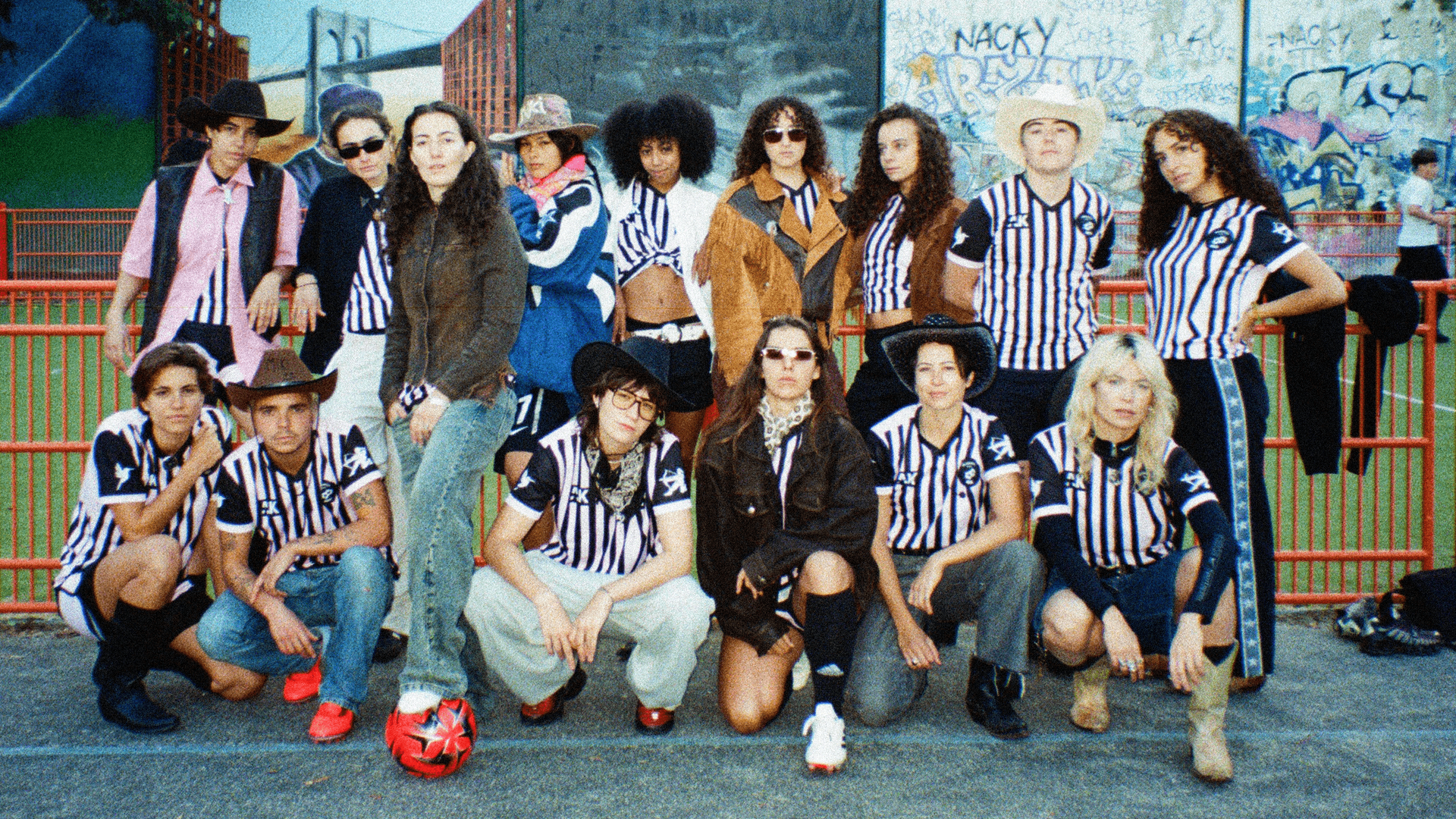
Across the pond, POC Fútbol in Brooklyn creates a safe space for queer people of colour in a country where they are too often dehumanised. Since its birth in 2023, the team has grown from a casual weekly pick-up game into one of New York City’s most referenced sides, hosting watch parties, tournaments and celebrations rooted in Latinx pride. Meanwhile in Seoul, Nutty FC was founded by Jyhun Jung in response to the lack of playing opportunities for women in South Korea. The amateur club challenges the idea that football is a ‘boy’s game’ while promoting courage and self-belief on and off the pitch.
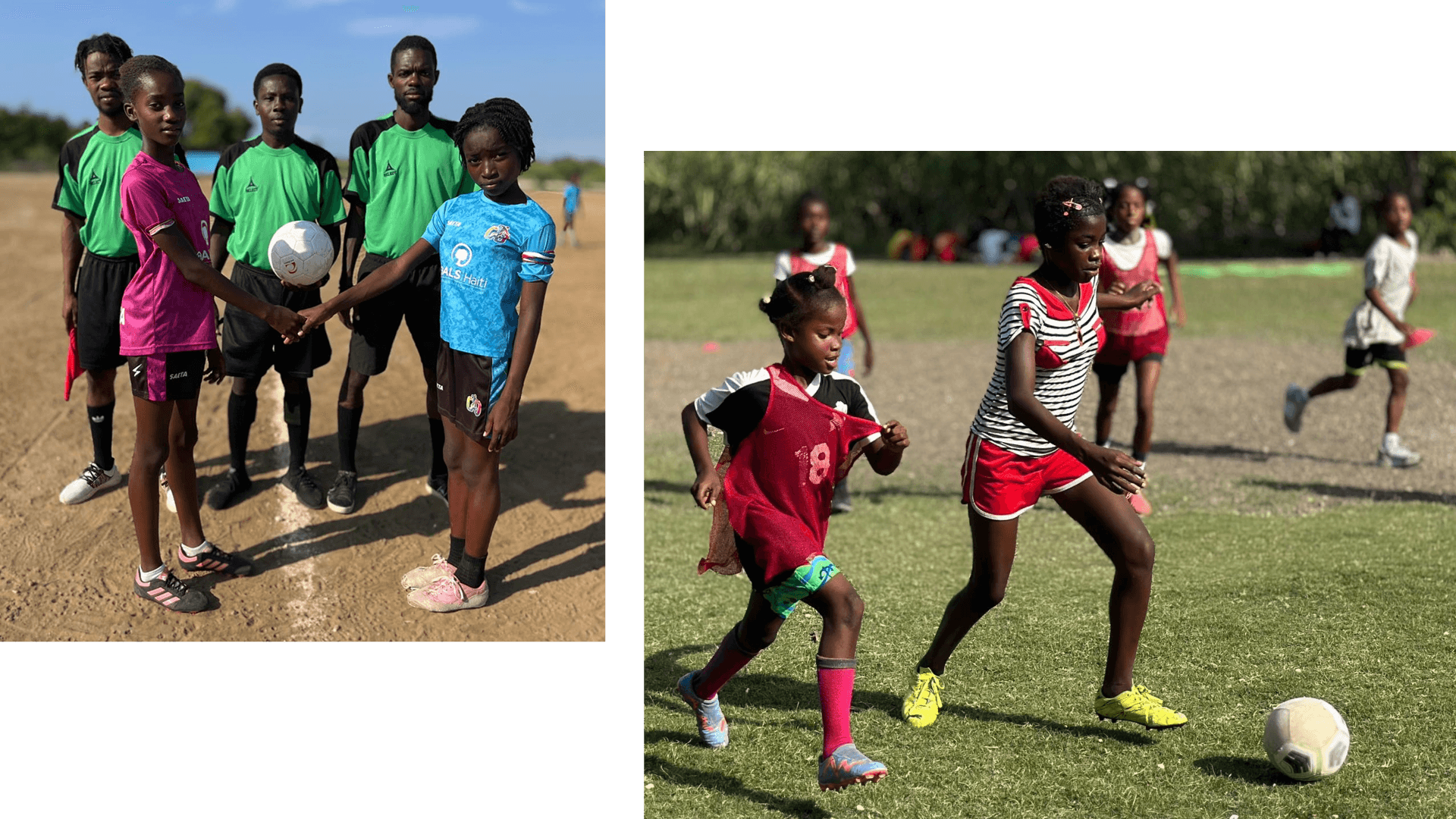
While in Europe and North America, football often functions as a tool for collectivism and belonging, in places shaped by political instability, poverty and generations of oppression, the game can become something even more urgent: a point of entry into safety, education and opportunity. In the Caribbean, GOALS Haiti has built an entire model around that belief. Founded in the aftermath of the devastating 2010 earthquake, the organisation began after its founder watched children in a remote village kicking around an old tin can, using football to reclaim a sense of normality amid disaster.
What started as informal games on an empty field has since grown into a youth development programme serving hundreds of children across three rural Haitian communities. "Football provides the entry," explains executive director Kathy McAllister. "It brings young people together, builds trust, and creates opportunities to support them beyond the game." Nowadays, GOALS Haiti's pitches are also classrooms, community gardens and centres for health education, leadership training and mentoring. As McAllister puts it, "The game itself isn't the end goal. It's the starting point for building stronger, healthier communities. We've seen attitudes shift around what is possible for girls, and in the communities where we work, teen pregnancy has fallen from 7% to 0%.”
While the professional game grows increasingly consumed by profit and politics, this growing global network of grassroots collectives are proving that the beautiful game has little to do with television rights or sponsorship deals – and everything to do with the people who play it.