When you think of great writers, so often the mind wanders across to France – a country synonymous with literary excellence. It’s played home to the likes of Albert Camus, Simone de Beauvoir and Marcel Proust, to name just a few authors whose words have changed the way we read, think and write for ever. Now, there’s a new generation of bold and original French voices contributing to the canon, whose work feels like a response to the legacy of these greats – fearless, captivating works that make you consider people, places and situations in a whole new light.
Sit down with any of the titles listed below and you’ll discover that this new wave of writers – including Édouard Louis, Leïla Slimani and co – work without restraint: experimenting with form and genre, confronting personal and collective trauma, and reckoning with France’s colonial past. Thanks to the work of ambitious, dedicated, lyrical translators these daring voices are no longer solely appreciated by French-speakers but are becoming increasingly available to English language readers, too.
Take Dua’s Monthly Read for February, The Son of Man by the celebrated French writer Jean-Baptiste Del Amo – a book that can be appreciated by a wider audience via Frank Wynne’s careful translation. Once you’ve read that (discover the author’s conversation with Dua here), you’ll surely be eager to read more from Jean-Baptiste’s compatriots. So here, we’ve curated a list of five essential reads from France, expertly translated and ready for you to dive into...
1. The End of Eddy by Édouard Louis, translated by Michael Lucey
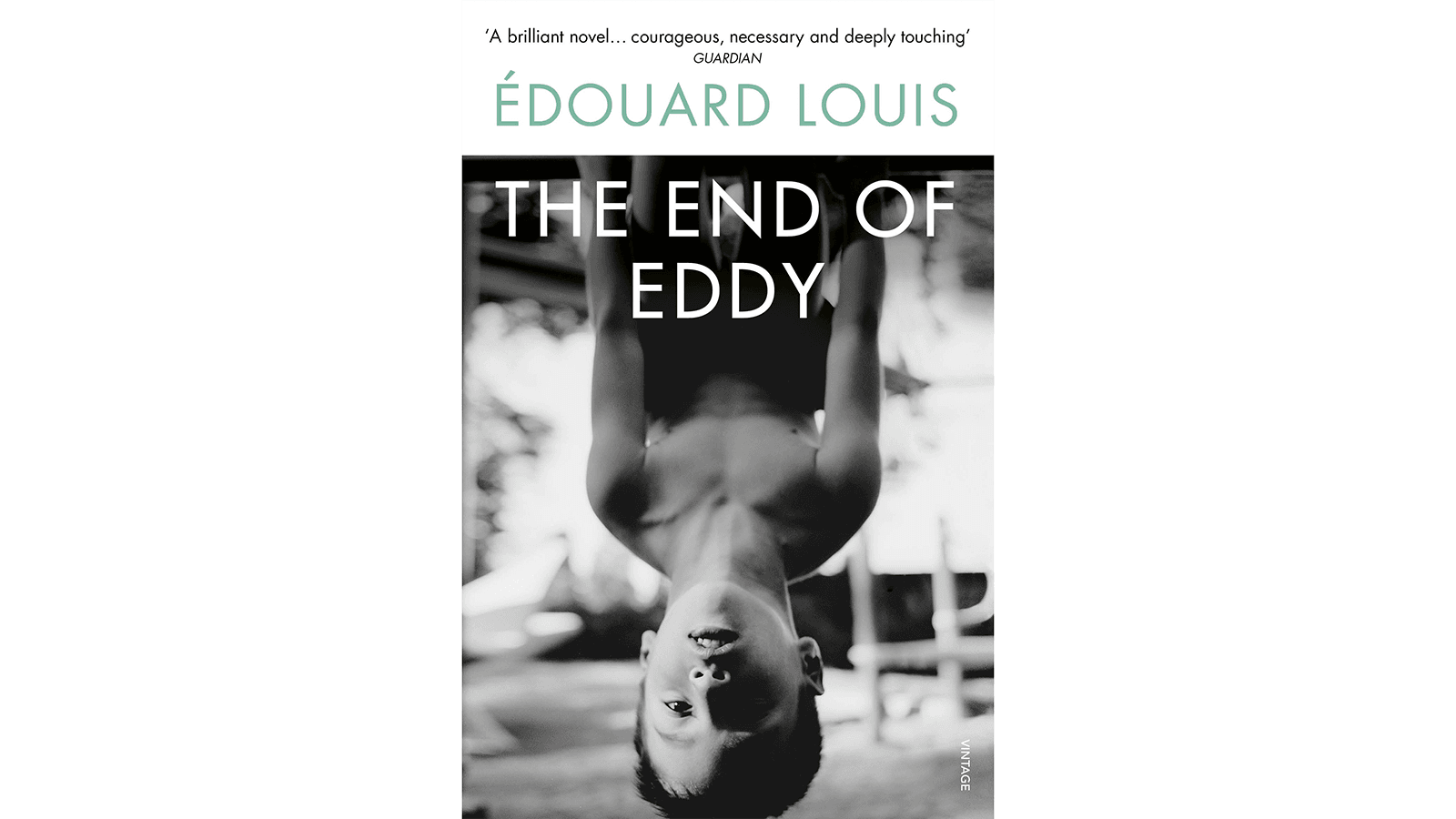
Autofiction is currently having a moment in France, and few works have been as influential as Édouard Louis’ The End of Eddy. Drawing on his own experience of growing up gay and poor in an isolated village in northern France, Édouard recounts the harrowing childhood of ‘Eddy’. As a young boy, the protagonist is subjected to endless abuse and humiliation at the hands of his community, which has been hardened by poverty and addiction. Published when the writer was just 21 years old, this incredibly moving book exposes the brutal intersections of class, masculinity and social exclusion.
2. The Postcard by Anne Berest, translated by Tina Kover
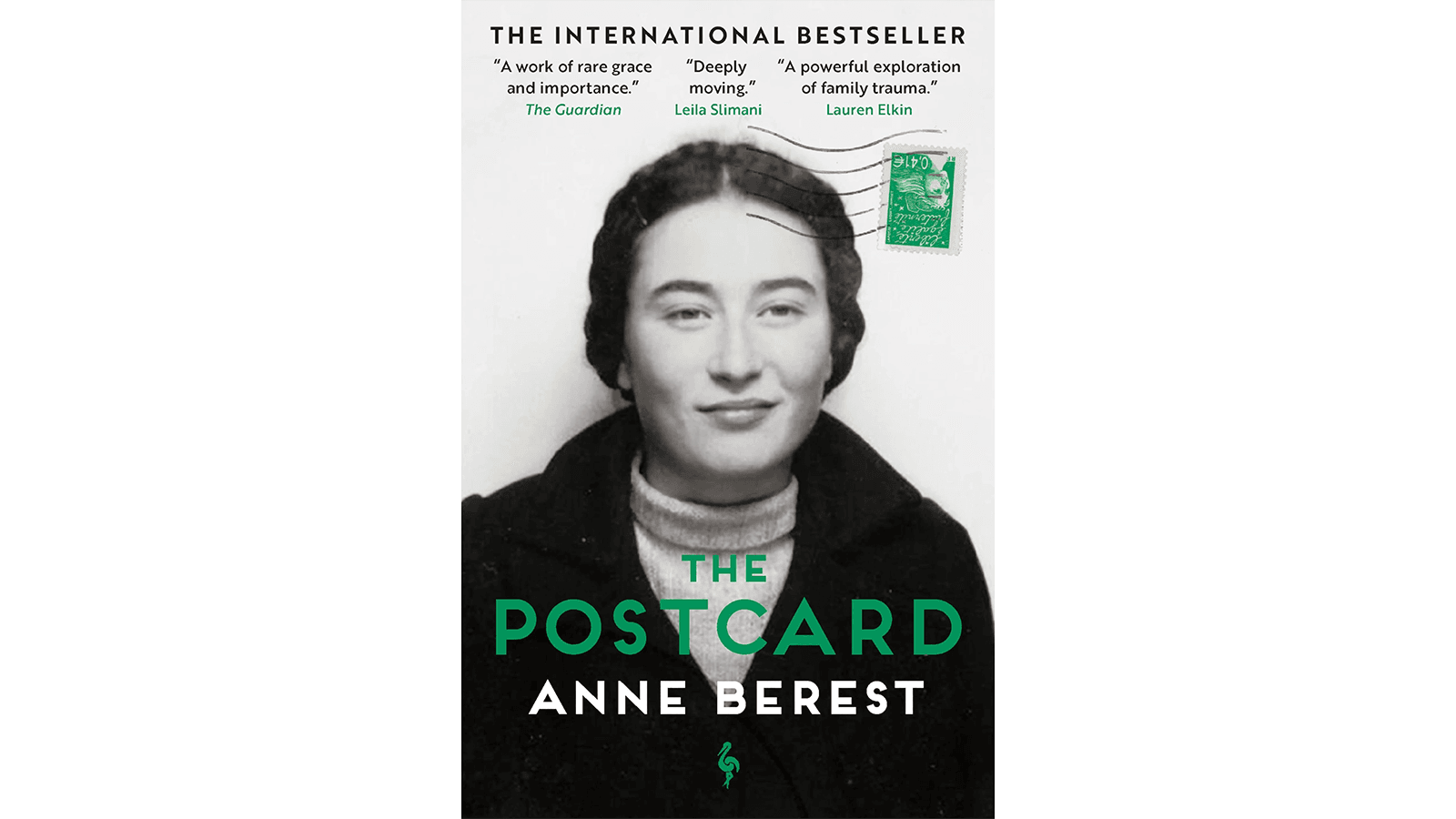 This book begins with a postcard received on a snowy morning in Paris in 2003. On it are four names – all relatives of main character Anne, all of whom died in Auschwitz. This postcard sets Anne on a century-old journey to discover the migratory lives of her ancestors, taking her from the Russian revolution to Latvia, Palestine and eventually Paris. Based on the author’s own investigation into her family history, The Postcard is a deeply personal and moving tale of memory, survival and the enduring power of love.
3. The Country of Others by Leïla Slimani, translated by Sam Taylor
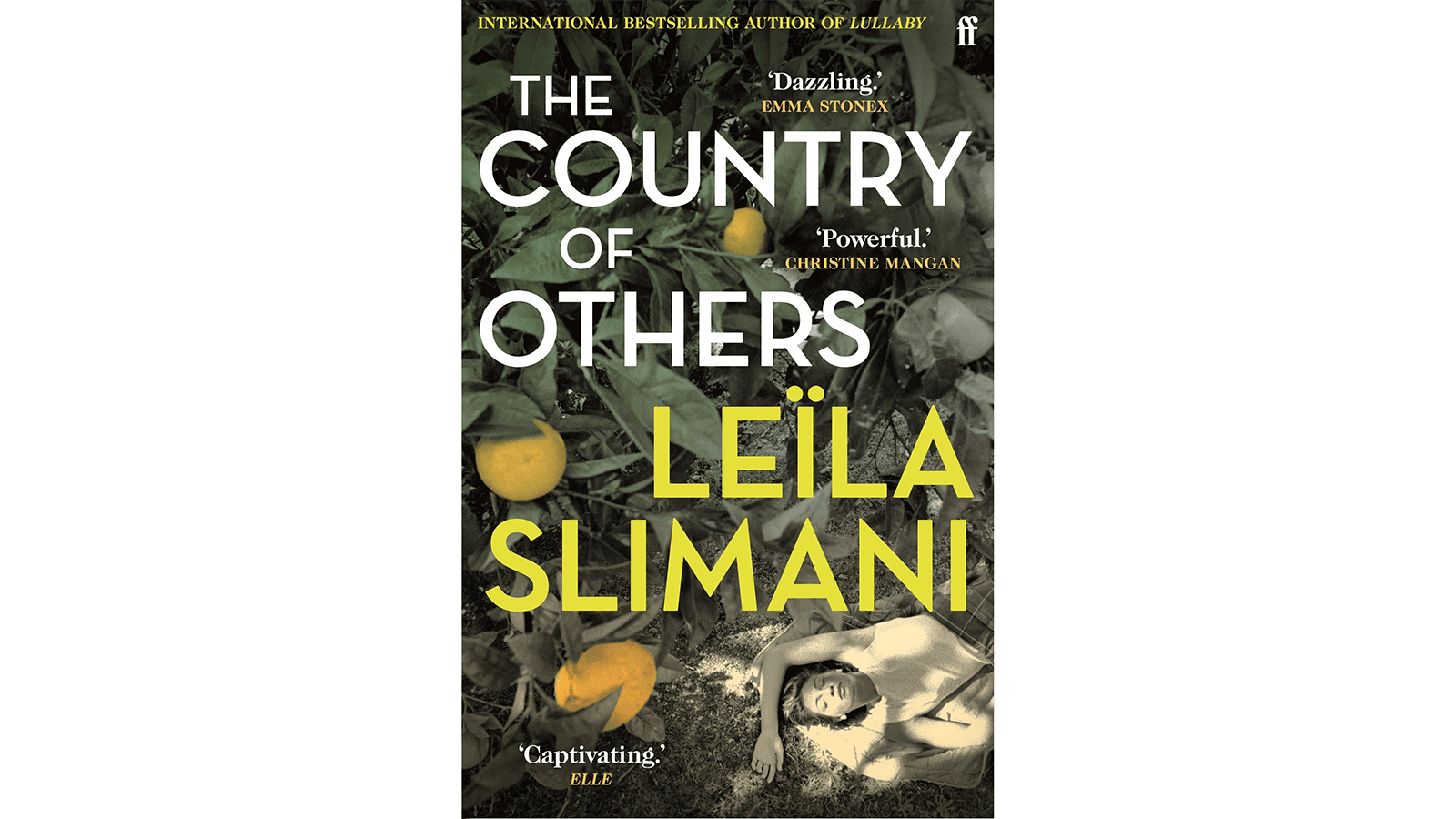 From the number-one-bestselling, Prix-Goncourt-winning author Leïla Slimani, The Country of Others is the first volume in a remarkable trilogy tracing several generations of a French Moroccan family. Inspired by Leïla’s maternal grandmother, the story starts in 1944 with Mathilde, a young woman who moves to Morocco after marrying a Moroccan soldier. Set against the backdrop of a nation struggling for its independence, Leïla’s evocative prose lays bare the loneliness, prejudice and hardship Mathilde faces as she struggles to find her place in a country she must now call home.
4. The Rarest Fruit by Gaëlle Bélem, translated by Karen Fleetwood and Laëtitia Saint-Loubert
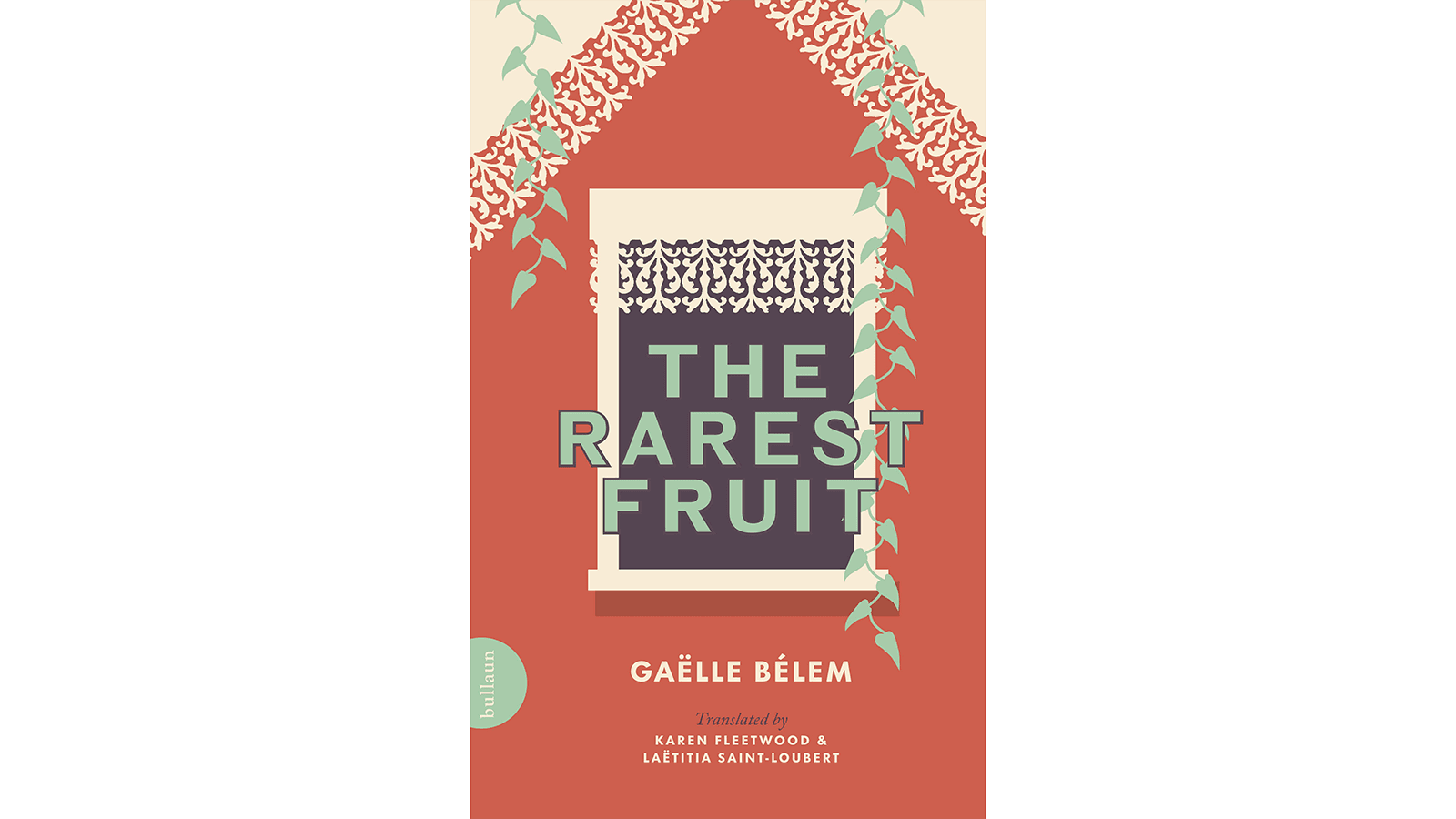 The second novel from the award-winning writer from Réunion is inspired by the life of Edmond Albius, an enslaved Black orphan who at just 12 years old discovered a revolutionary technique for cultivating vanilla – a breakthrough with far-reaching consequences for the island of Réunion and beyond. With a mesmerising, lyrical style, Gaëlle resurrects the story of a forgotten genius, infusing it with historical depth and tender humanity. The Rarest Fruit lingers long after the final page, transforming our view of the familiar scent and flavour.
5. The Palace on the Higher Hill by Karim Kattan, translated by Jeffrey Zuckerman
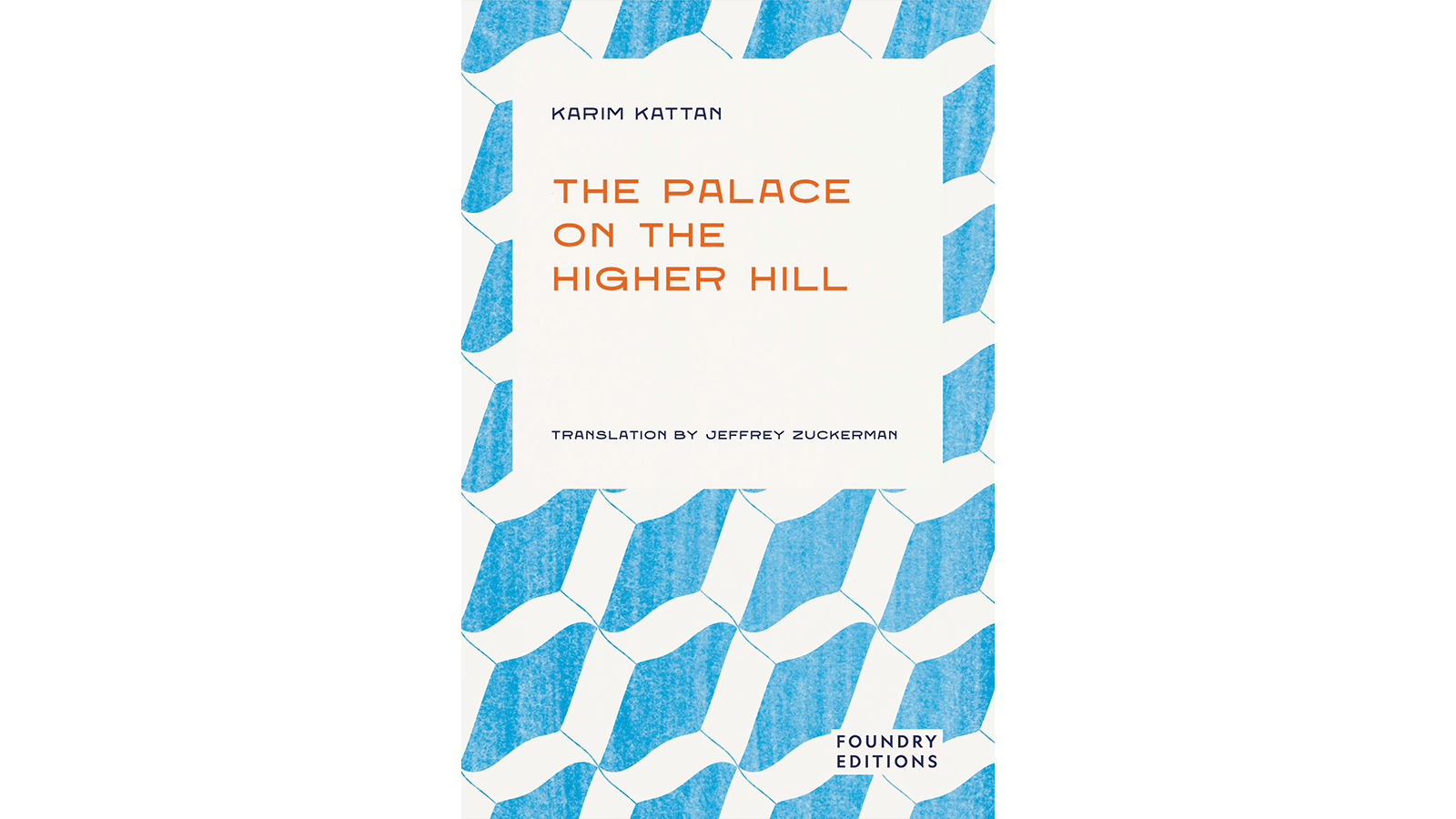 Written in French by Palestinian writer Karim Kattan, who is now based in France, The Palace on the Higher Hill was a striking debut, winning the 2021 Prix des Cinq Continents de la Francophonie. The novel is an intimate portrait of his homeland and a haunting meditation on the legacy of war, following Faysal, settled in Europe, who receives a mysterious request to return to his family’s deserted home, a decaying palace in a small Palestinian village. Karim’s poetic prose weaves between intergenerational stories, dreams of an imagined homeland and the devastating nightmare of violence and loss.