Lea Ypi’s Free is, firstly, a memoir: the author’s first-person account of her childhood, set during the fall of communism in Albania. It’s also a history lesson that many of us were never taught. For those who aren’t familiar with this, you might be left with a few questions.
So, we turned to Artan Puto – professor of Albanian modern history at Tirana State University and recommended by Lea herself – to outline five key moments from the country’s history during the period that Lea covers in her book to enhance your reading. (For more context, watch Dua’s interview with Lea here to learn more about the author behind Free – her Service95 Book Club pick for July.)
1. How Albania Became A Communist Country
“Albania was once ruled by monarchy, led by King Zog – until it was overtaken by Fascist Italy and then Nazi Germany. The end of the second world war divided Europe into two opposing political and military camps: Western and Eastern Europe with Albania part of the latter. With a population of nearly a million, Albania became the smallest and poorest state in the Eastern European communist bloc.
“In 1946, after Germany’s withdrawal, it became the People’s Republic of Albania under communist dictator Enver Hoxha. The country formed alliances with other communist countries, including Yugoslavia, the Soviet Union and China, which provided economic aid and assistance and served to preserve Hoxha’s personal power.”
2. What Did Communism In Albania Look Like?
“Enver Hoxha’s dictatorial regime established a system of violence and terror that caused many innocent victims and isolated the country from the rest of Europe. The most basic human rights were violated, private property was banned, people were forbidden from leaving the country. Any opinion considered contrary to Marxist-Leninist ideology or the directives of the totalitarian leader were punished through imprisonment, internment or even physical elimination.
“In 1967, the practice of religion was completely banned and all religious institutions were closed. The persecution of Catholic, Orthodox and Muslim clergy continued, while believers who dared to continue practising religious rites were also harshly punished. In 1976, Albania declared itself the world’s only atheist state.”
3. A Country In Isolation & Economic Crisis
“After breaking relations with China in 1978, Albania entered a phase of isolation. During the late 1970s and the 1980s, communist Albania severed all political and economic alliances with the outside world and began to see itself as the only socialist country in the world. This isolation saw Albania’s poor economy gradually move toward total collapse.
“Within the country, a widespread belief emerged that communist Albania was surrounded by enemies plotting to overthrow the ‘people’s government’, resulting in the construction of thousands of bunkers in preparation for a hypothetical attack from abroad. This also led to harsher persecution of anyone expressing even the slightest doubt about the policies of the Albanian communist leadership.”
4. The Fall Of Communism
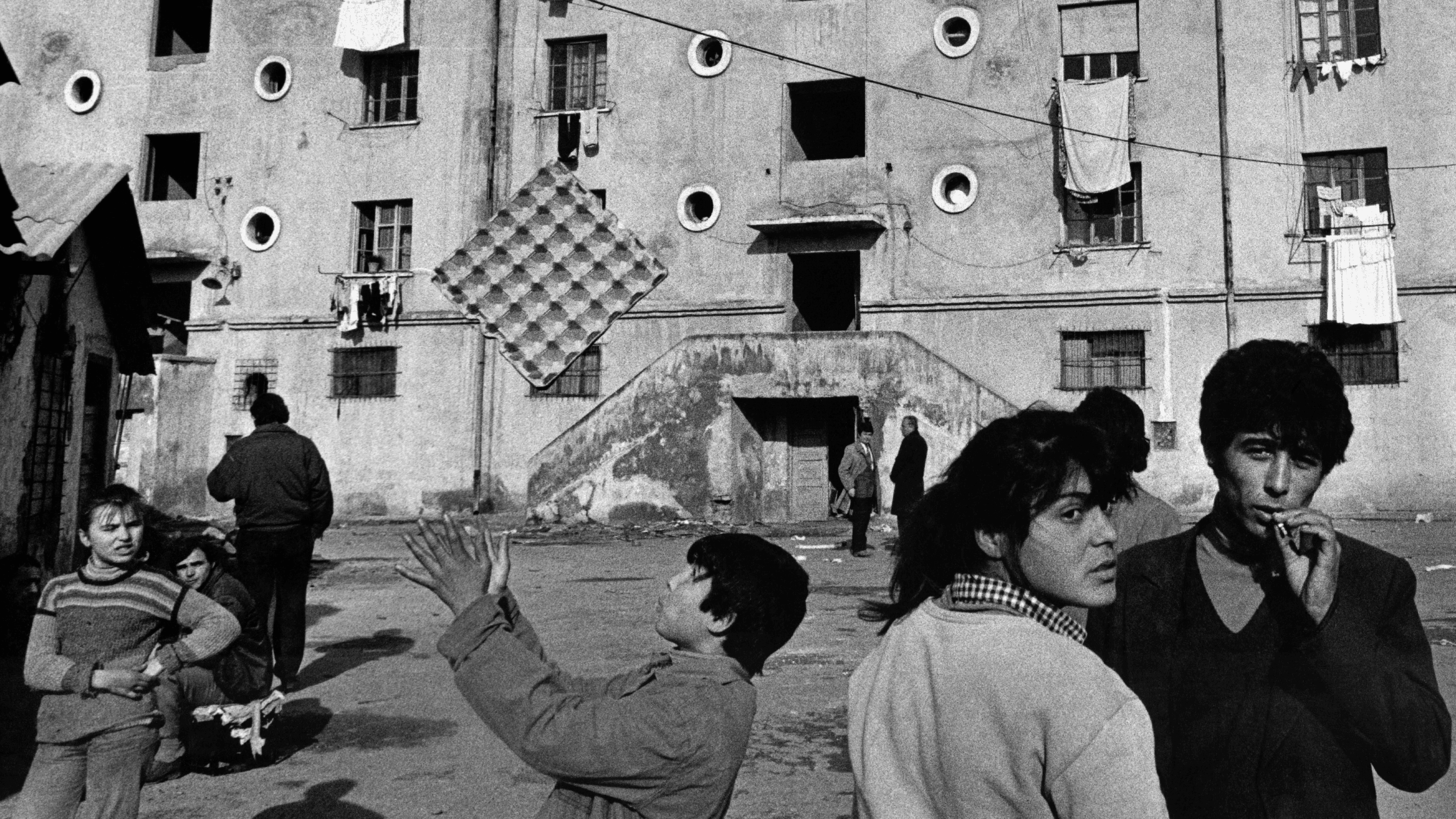
“Hoxha died in 1985 but his successor, Ramiz Alia, declared from the outset that he would continue Hoxha’s policies. Yet Albania's severe domestic economic crisis, together with the collapse of communist regimes and the fall of the Berlin Wall in October 1989, accelerated the end of Albania’s communist regime.
“In July 1990, thousands of citizens entered the embassies of Western countries in Tirana in the hope of leaving the country. The Albanian leadership, under intense international pressure, allowed them to depart. In December 1990, students at the State University of Tirana rose up in protest. Faced with protests by students and citizens, the communist leadership was forced to sanction the end of the dictatorial system.
“The country’s first multiparty elections were held in March 1991 but were won by the Party of Labour (the communists). However, after strong protests, elections were called for March 1992. In these elections, the Democratic Party won and Sali Berisha became president.”
5. What’s Happened Since?
“Albania gradually integrated into Europe’s political and economic landscape by establishing ties with the outside world. However, Albania would begin to face new problems, such as state corruption and the growing authoritarianism of Sali Berisha’s rule, evident in his manipulation of the 1996 parliamentary elections.
“The collapse of a series of pyramid schemes that had emerged on the informal economy, promising citizens high profits, saw hundreds of thousands take to the streets in 1997 demanding the return of their money – and the resignation of Berisha. The government’s policy of confrontation led to the outbreak of unrest throughout the country, causing more than 2,000 casualties.
“Albania’s destabilisation forced European countries to intervene to restore public order and organise early elections. In June 1997, the Socialist Party – the former Party of Labour – defeated Sali Berisha’s Democratic Party. This period, which marked the end of the Albania’s first phase of post-communist transition, highlighted the difficulties of building a market economy based on rules, free competition and, above all, overcoming the authoritarian policies of those in power, whose roots lay in the country’s long communist past.”
Want To Learn More About Albania’s History? Here Are Three More Sources To Check Out
Second Sentence: Inside The Albanian Gulag by Fatos Lubonja (English version translated by John Hodgson)
Modern Albania: From Dictatorship To Democracy In Europe by Fred C. Abrahams
Divorce Albanian Style by Adela Peeva (documentary, via YouTube)
Discover more on Albania’s history, from Lea’s own childhood experiences to reflections on what’s happening in the country now, in Dua and Lea’s full interview here.
There’s More – Delve Deeper Into Lea Ypi’s Free With The Service95 Book Club...
WATCH Dua’s interview with Free’s author Lea Ypi
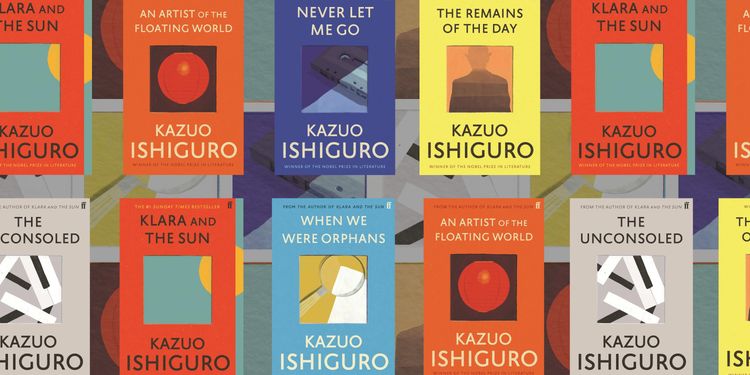
READ the books that shaped Lea Ypi’s writing
LISTEN to a playlist picked by Lea Ypi to soundtrack Free from start to finish
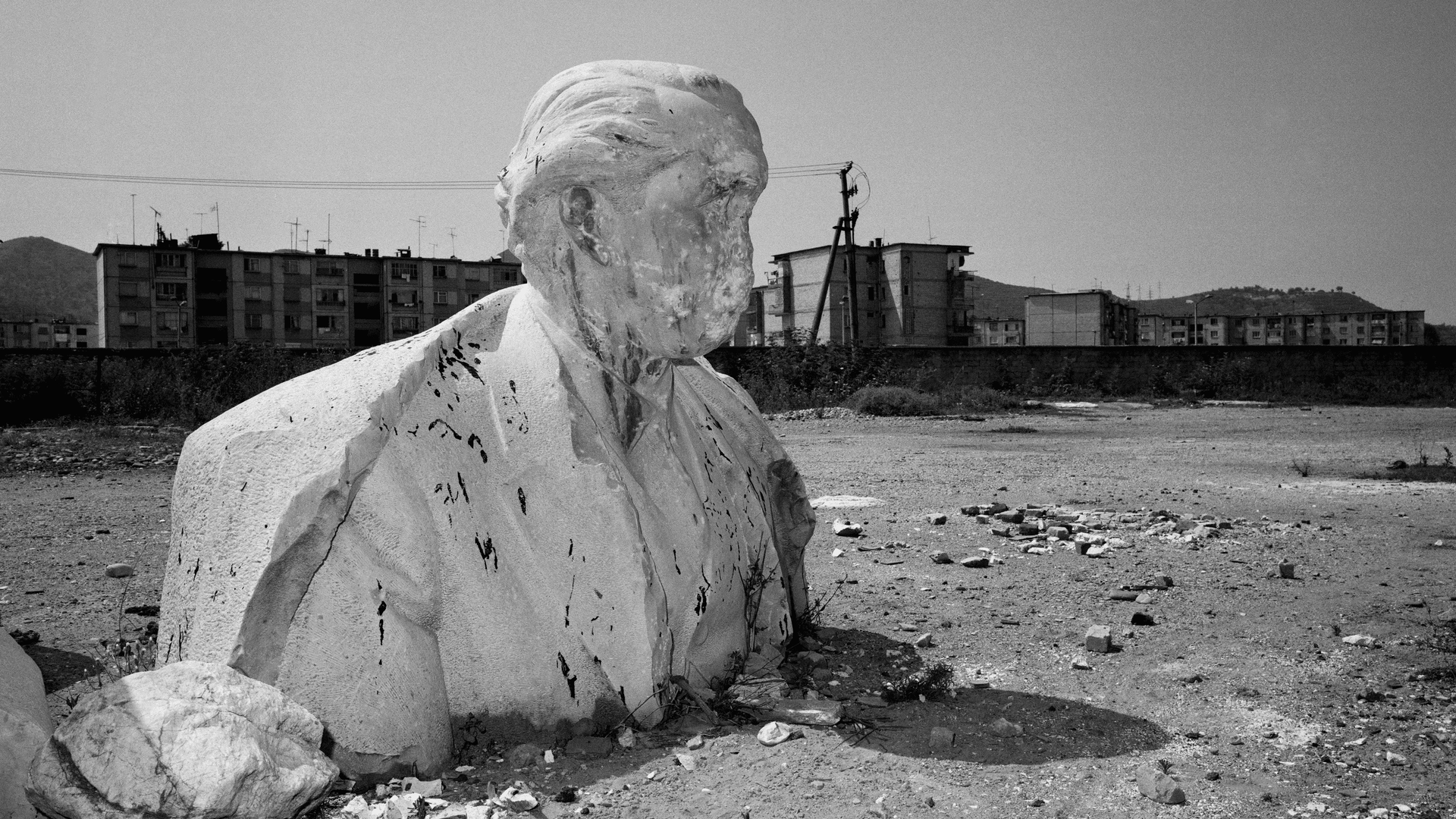
DISCOVER our photo essay charting how communism left its mark on Albania’s landscapes
EXPLORE how natural beauty and rich history collide on a road trip through Albania’s mountains
GO FURTHER with 11 books and films that capture the complexities of political upheaval