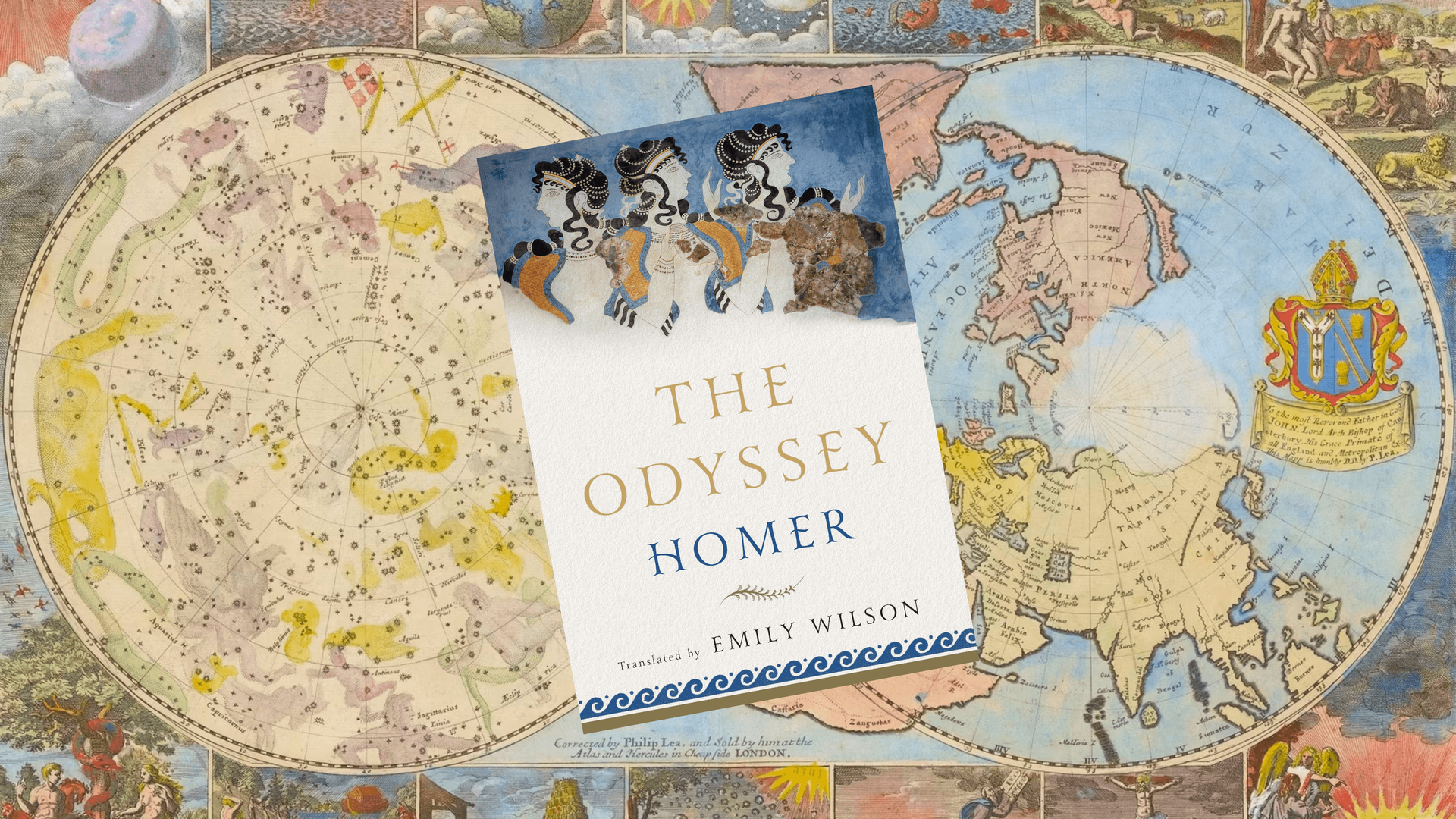
Everyone’s talking about Christopher Nolan’s film adaptation of ‘The Odyssey’. But as academic Emily Wilson shares here, there’s so much more to this story than conversations around casting and artistic licence. She’s well-placed to know, as the first woman to publish an English verse translation of Homer’s Ancient Greek literary epic. Below, she reflects on Homer’s work as a vehicle for telling global stories of displacement and migration – and the generations of literature it inspired to do the same.
I was first asked to consider translating the Odyssey for the Norton Anthology Of World Literature. So from the start, I approached the project considering how it is a work of “world literature” – not just because the Odyssey circulated so widely and influenced so much later writing, but also because it depicts a journey all over a mythologised version of the world. It asks us to consider the relationships between home and elsewhere; the shifting locus of centres and peripheries.
One thing people sometimes get wrong about ancient Greek and Roman cultures is the perception that they were somehow closed off from the rest of the ancient world, as if Greeks only interacted with other Greeks. In reality, the ancient Mediterranean world was a multi-cultural, multi-ethnic place and the archaic period – the time the Odyssey was produced – was an era of massive diaspora, colonisation, trade and movements of Greek speakers from the area that is now Greece all over the Mediterranean coast. For instance, there were Greek settlements all over southern Italy and Sicily, which was identified in antiquity as the island of the Cyclops – Polyphemus.
Poets and novelists across history have looked back to the Odyssey to tell new stories about displacement, migration, colonial and post-colonial experiences, and the possibility of finding more than one centre in the world. Here are five to read next.
1. Helen, Trojan Women, Bacchae by Euripides (5th century BCE)
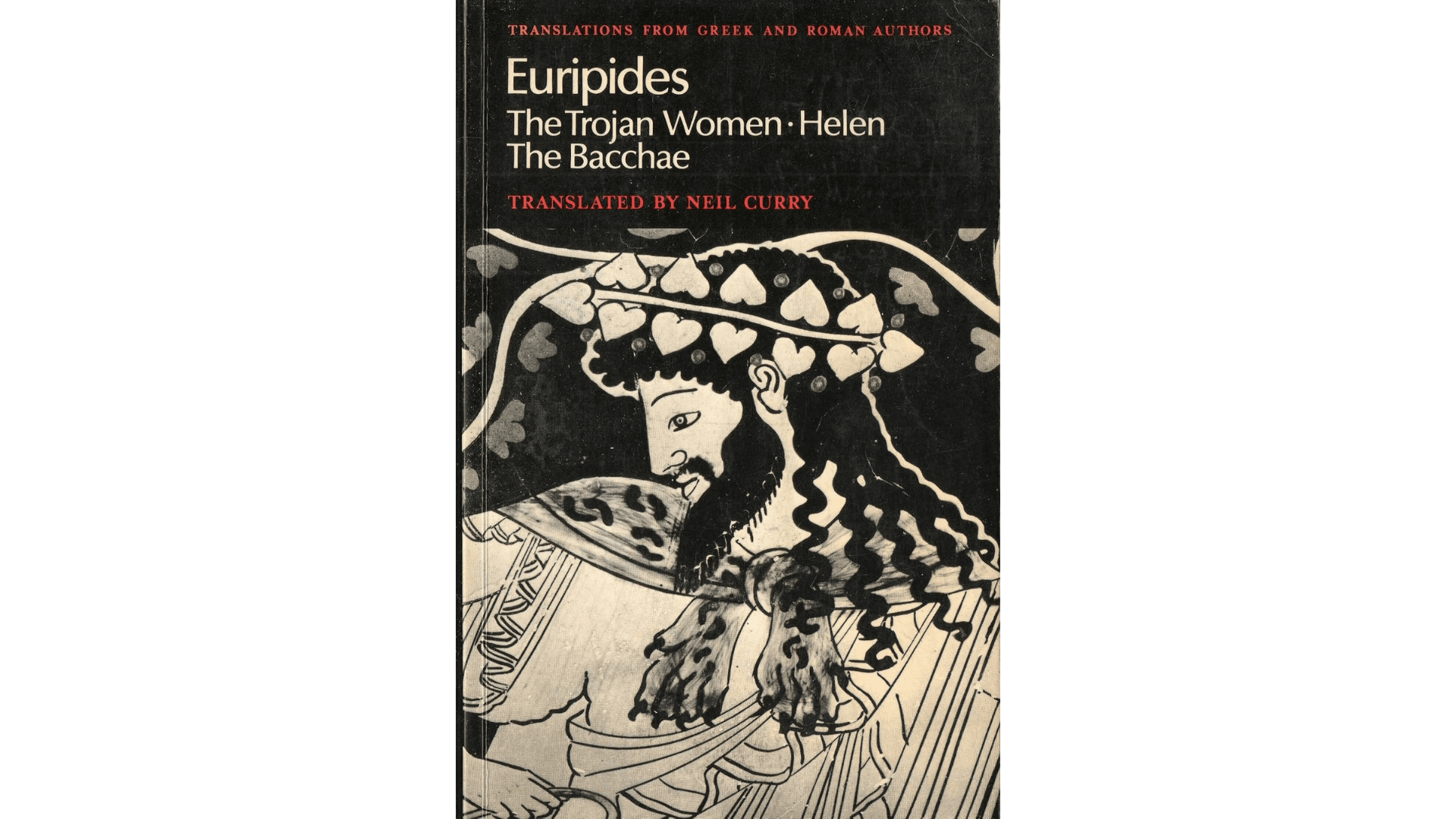
The Athenian tragic poet, Euripides, composed these dramas during the historical Peloponnesian War: an imperial territorial war between Athens and Sparta. Each of them reinvents Homeric themes and enables them to resonate with the ongoing conflict. Trojan Women renders the distinct experiences of the women left alive after the sack of a city, facing enslavement, the death of children and displacement from their homes. Bacchae reframes the Odyssey's theme of the traveller who comes home from the east to take a bloody revenge. Helen is set in Egypt and imagines what might have happened if this war of plunder was fought over an illusion: Helen never went to Troy at all, but spent the years of conflict by the pure waters of the Nile.
2. Ethiopian Story by Heliodorus, translated by JR Morgan in Collected Ancient Greek Novels (3rd Century CE)
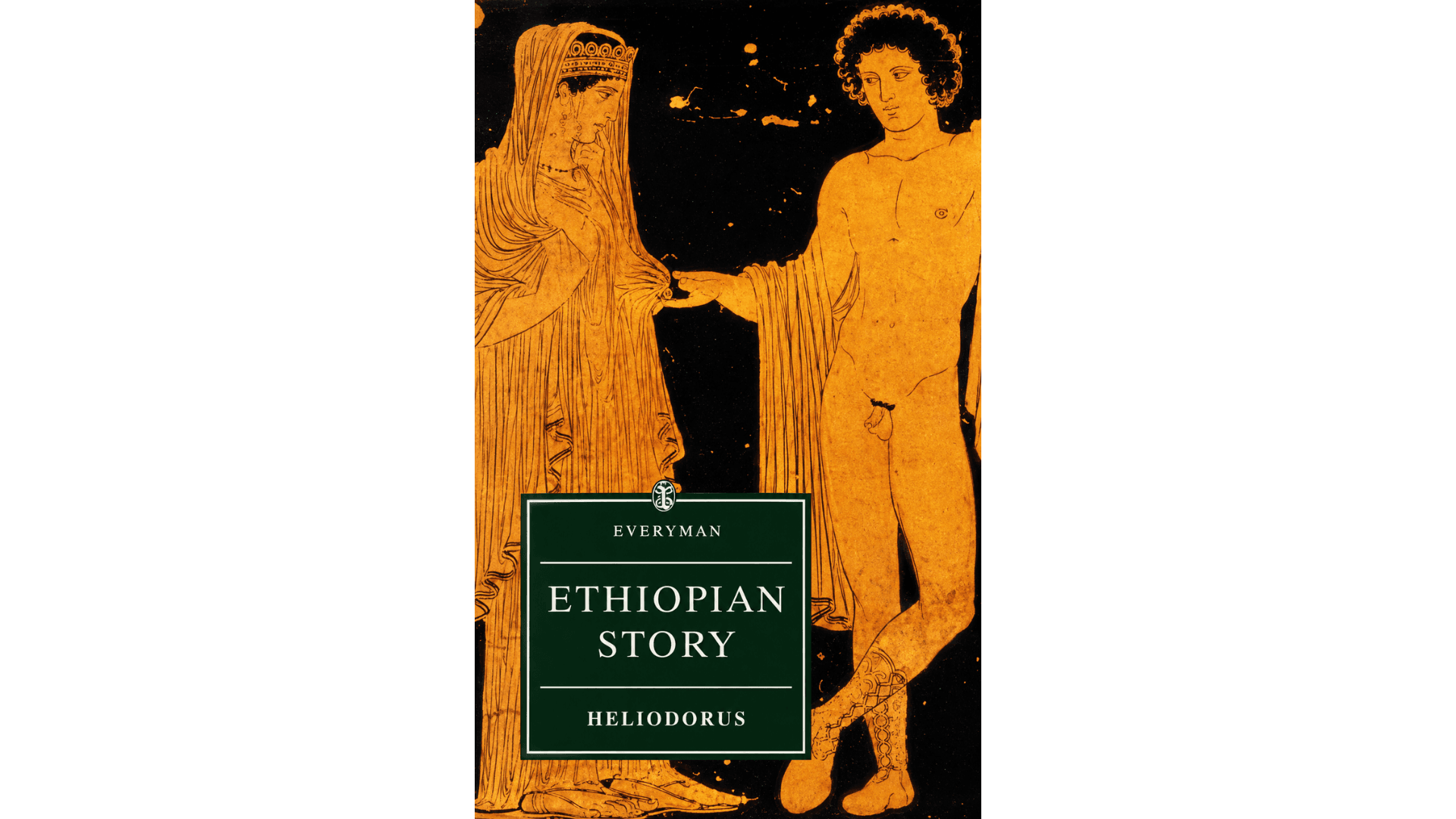
An intricately structured and fun romance novel following a couple through many trials and adventures, including many near-death experiences and capture by bandits, on their quest to reunite, echoing Odysseus and his wife Penelope. The heroine is Ethiopian, the hero Greek, and their story unfolds with the help of a canny Egyptian. The novel depicts a world in which North Africa is as much of a cultural centre as Greece.
3. Invisible Man by Ralph Ellison (1952)

This classic reframes the story of “no man” Odysseus so that it takes place not across islands, but across an American migration. The unnamed Black protagonist travels from the South to New York and the dangers he encounters are not literal giants and goddesses, but the social and existential hazards faced by a Black man in a contemporary United States.
4. Omeros by Derek Walcott (1990)
This modern epic is modelled loosely on the Odyssey, but set in the author’s native Caribbean. Derek borrows from, but massively increases, the non-linear storytelling of the original Greek epic, allowing for an expansive, deliberately multiform work, with many distinct voices, times and places interwoven together. For those who find Omeros too challenging, I'd recommend his play based on the Odyssey, which is also a Caribbean retelling of Homer, but a lot more accessible.
5. Night Sky With Exit Wounds by Ocean Vuong (2017)
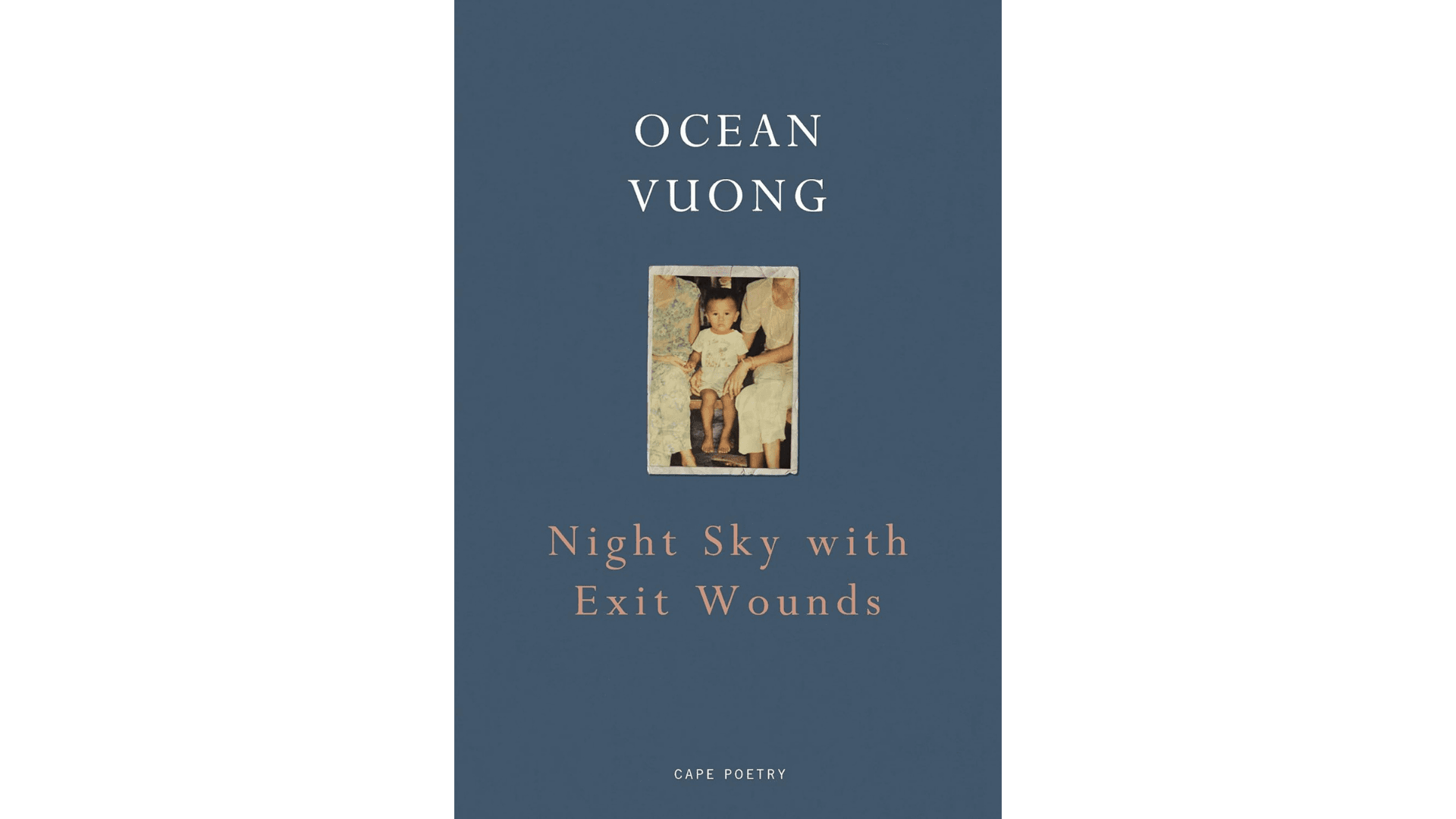
This poetry collection explores the writer’s experiences as a queer Vietnamese American whose family came to the US when he was a small child. One of the most powerful poems in the book is called Telemachus [the name of Odysseus’ son] and reimagines that father-son relationship in terms of the multi-generational traumas of immigration.