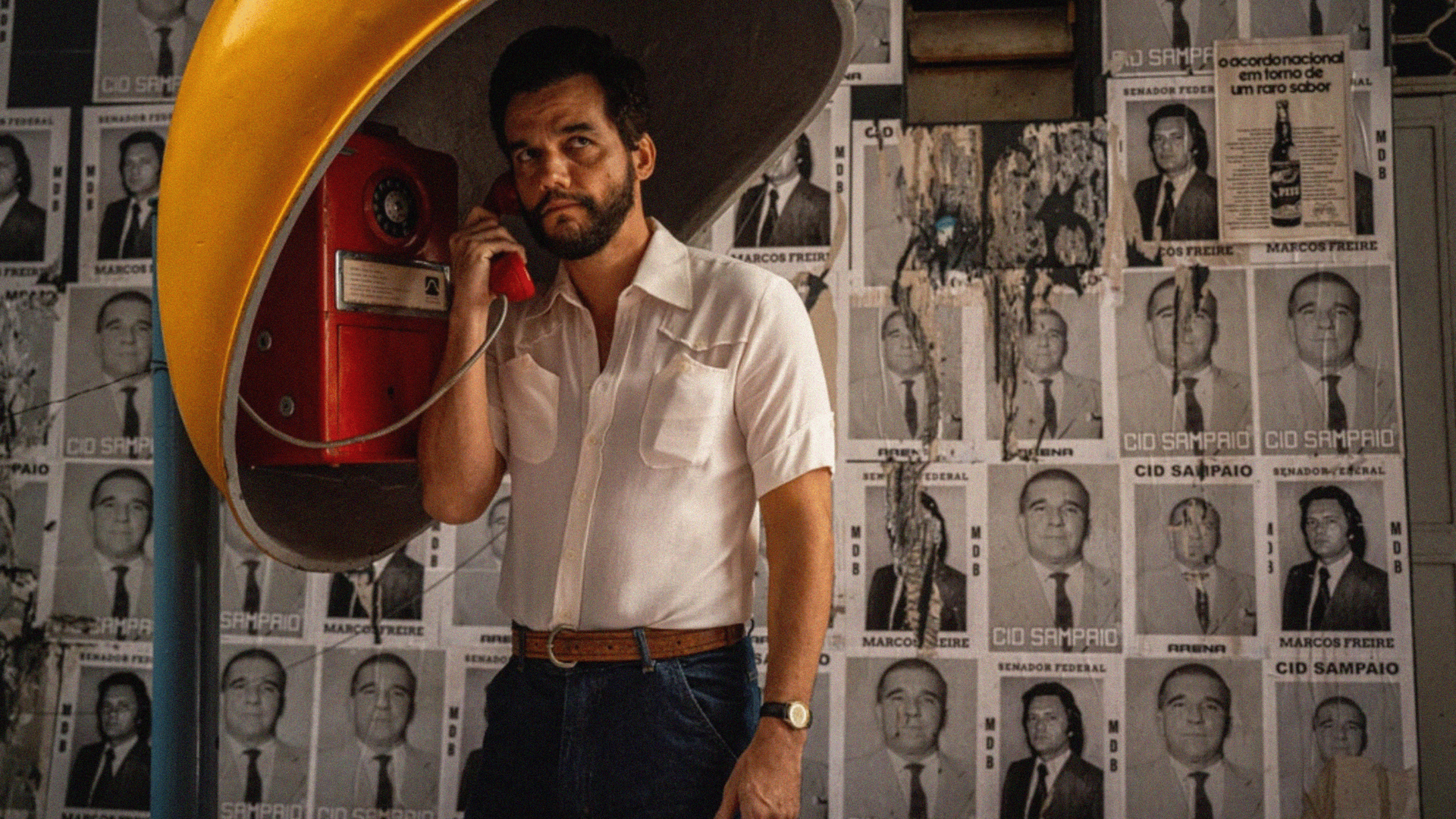
Awards season is underway, and Brazil is having a moment – again. The Secret Agent, Kleber Mendonça Filho’s political thriller starring Wagner Moura, is sweeping the circuit, emerging from Cannes as its most awarded film with wins for Best Director and Best Actor. It went on to win Best International Film at the Critics Choice Awards, while Wagner made history as the first Brazilian to take a Golden Globe for Best Actor in Drama, and Brazil secured Best International Picture for a second time. Now, four Oscar nominations cement its run. More than a winning streak, The Secret Agent signals Brazilian cinema’s rising authority at the heart of the global conversation.
But one question lingers: why Brazil, and why now?
Brazilian cinema has, in fact, long enjoyed a kind of cult reverence – from Walter Salles’ humanism in Central Station to the gritty realism of Fernando Meirelles and Kátia Lund’s City of God. But it has often been confined to niche cinephile circles, with mainstream audiences struggling to ‘‘overcome the one-inch-tall barriers of subtitles,’’ according to the perennial words of South Korean filmmaker, Bong Joon Ho.
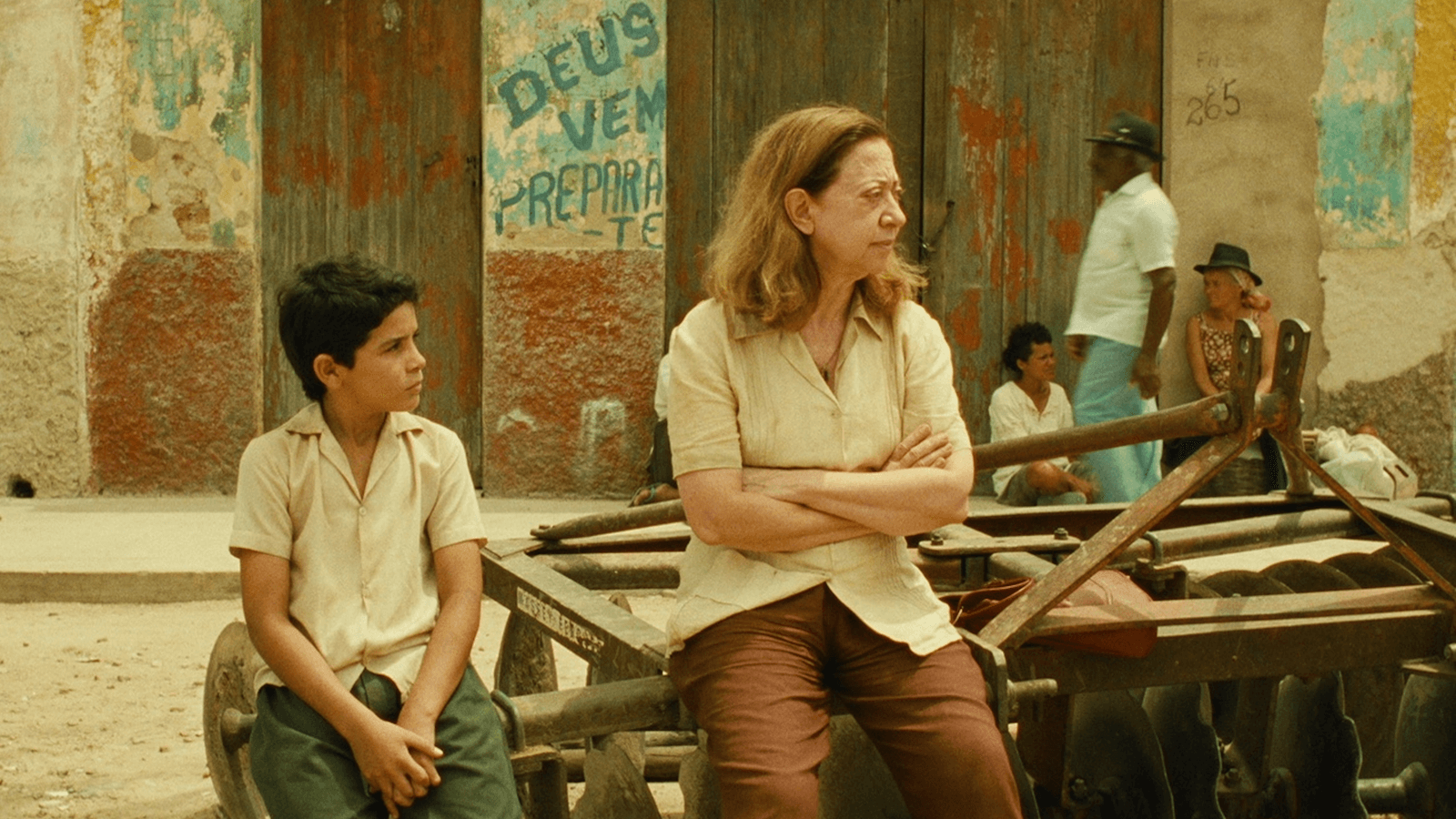
In 2024, however, things changed with Walter Salles’ I’m Still Here. Adapted from Marcelo Rubens Paiva’s memoir, the film revisits one of Brazil’s darkest periods. It follows a family torn apart when its patriarch disappears during the Years of Lead – a period of military dictatorship from roughly 1964 to 1985 marked by censorship, political imprisonment and state violence, in which an estimated 443 people vanished without a trace, leaving their families with a profound void and haunting uncertainty.
Actor Fernanda Torres anchors the story as the matriarch, Eunice Paiva, with a performance so restrained it feels too intimate and real – resonating far beyond Brazil and earning her a Golden Globe for Best Actress in a Drama. Her victory sent the whole country into a ‘World Cup mood’, as we call it, sparking trending videos of jubilant Brazilians’ celebrating her journey to the stage, and fuelling nationwide conversations about whether children should abandon soccer – the country’s long-standing golden ticket to international fame – in favour of pursuing theatre.
With national cinema suddenly treated as the holy grail, international audiences began paying closer attention – and what emerged was resonance. Brazilian cinema has a singular ability to connect not only with its own people but with viewers far beyond its borders, grounding its power in something too often dismissed as dull or uncinematic: reality itself.

Whether addressing illiteracy, family separation or the drug trade corroding the country from within; portraying life in the favelas and the brutality of police intervention; or returning to a past that stills haunts the country – shaped by repression, censorship and systemic violence – Brazilian cinema resists the temptation of escapism. It does not dwell on what could be but looks intently at what is and what has been. With intimacy, endurance and restraint, it turns to the mundane, capturing the world as it is: sometimes brutal, sometimes tender, always honest, never melodramatic. In doing so, it speaks directly to audiences, who recognise both its specificity and the universality of human experience – and find it impossible to look away.
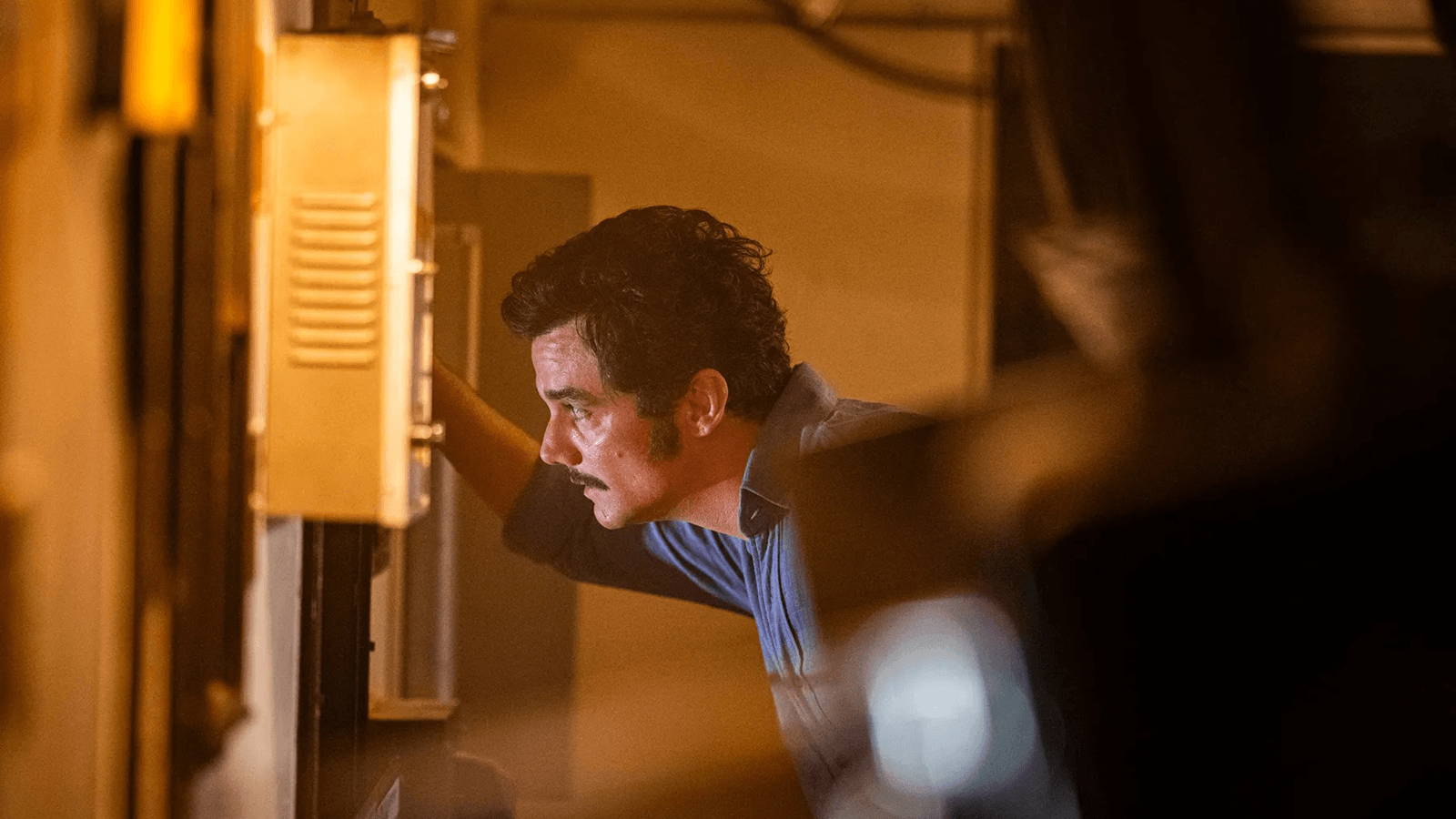
Mendonça Filho understands this instinctively. In The Secret Agent, Armando, a former São Paulo intellectual, returns to his hometown of Recife to escape the political turmoil of Brazil’s military dictatorship. Though the film invents its characters, it never detaches them from the reality around them. Mendonça stages his fiction with profound fidelity to lived history, reflecting on political repression, inherited trauma, and the quieter, enduring acts of resistance in a country ruled by fear. This resistance did not merely survive the dictatorship; it lingers today, tethered to a past whose consequences are still being worked through – and one that’s closer than we might wish.
“Brazilian cinema resists the temptation of escapism. It does not dwell on what could be but looks intently at what is and what has been”
Between 2018 and 2022, Brazil lived under the presence of Jair Bolsonaro, whose nationalist and repressive agenda was inseparable from a persistent nostalgia for the military regime. Near the end of his term, Bolsonaro (now, as of September 2025, a convicted criminal) abruptly dismantled the Special Commission on Political Deaths and Disappearances (CEMDP), an institution founded in 1995 to locate and identify individuals killed or disappeared during the dictatorship. With Bolsonaro’s departure from power and Luiz Inácio Lula da Silva’s return to office on 1 January 2023, the commission resumed its work and the country, in many ways, began to breathe again. Most importantly, it reclaimed its memory.
As a Brazilian, I don’t recall ever discussing the dictatorship in any real depth at school. Whether this was a lapse of my own memory or a deliberate omission remains unclear. What stands out, though, is how easily it slipped past us for so many years. But now, that silence seems to be cracking. It’s visible not only in cultural and educational institutions urging us to remember – hats off to Memórias da Ditadura (Memories of the Dictatorship) portal, a collection compiled by Vlado Educação and Instituto Vladimir Herzog – but in more intimate spaces, too: on social media, in conversations with friends and in a growing willingness to confront a chapter of our history long treated as best forgotten.
It is a period I, like many of my generation and other generations, did not live through. Yet it lives close by – through parents and grandparents who sometimes still hesitate, even now, to remember. Because remembering can be painful. But it also has its own force, a point underscored by The Secret Agent’s ever-growing list of awards and nominations. Its relevance, though, exceeds awards. While Mendonça Filho’s movie might be arguably a film looking back on the country’s history, it is in fact very much about the present of the world as well.
According to Rafael Carvalho, the creator and editor of Oxente Pipoca, a Brazilian Northeast page dedicated to national films, Brazilian cinema has always been adept at exposing the political and social tensions of its time. What has shifted, though, is the context in which these stories now circulate.
In an era marked by the global rise of authoritarianism and the gradual erosion of democratic societies, films like The Secret Agent and I’m Still Here feel more relevant than ever. As Rafael puts it, ‘‘The idea that we are not completely safe even within our own country is something that resonates strongly at the moment.” From São Paulo to London, Washington to Budapest, Kampala to Tehran, viewers recognise the fragile balance between freedom and repression and the strength of ordinary people as they navigate it, while also seeing their own national anxieties reflected back at them. Brazilian cinema, once viewed primarily through a local lens, now speaks fluently to the global moment: politically charged, unsettling and impossible to ignore.
Because these are dark times we live in. Nations are being wiped out in front of our eyes, while global institutions seem to do nothing but watch passively. The global rise of right-wing extremism no longer feels like a series of isolated cases, but a systemic threat. Across borders, unwarranted interference disrupts the current scenario, immigration enforcement continues to target Latinx people with brutal raids, and nationalist and authoritarian agendas shape policies that threaten freedom and human dignity.
“Once viewed primarily through a local lens, Brazilian cinema now speaks fluently to the global moment: politically charged, unsettling and impossible to ignore”
Beyond highlighting the fall of democratic societies under authoritarian regimes and their many repercussions, these films also show the human cost such governments inflict. “There is a sense of identification between these works, because they all stem from specific realities but discuss universal issues,” says Rafael. In this way, the films no longer speak solely with audiences in Latin America, or regions historically shaped by dictatorship. They now resonate with people who had never lived under such regimes, yet may now be witnessing their early signs without fully recognising them.
It is particularly evident in the United States, a nation long confident in its hegemony and committed to democratic exceptionalism. Under Donald Trump’s presidency, the country saw not only a shift towards nationalist policies and authoritarian tendencies but also direct threats to Transgender rights, women’s – particularly reproductive – rights and Latino communities across the United States.
Nina Simone once argued that an artist’s duty is to reflect the times; Mendonça Filho performs it by looking backwards – not to indulge in nostalgia, but to show and remind us how the retelling or presentation of history can hit as urgently as a breaking event. The approach is invigorating, hypnotic and unflinchingly real, which I think explains the widespread acclaim his work has received. “What we are seeing now is the result of a long and collective effort, which continued to exist even with so many obstacles,” Rafael concludes, proudly – and with hope.
Despite challenges under both the dictatorship and the Bolsonaro administration, Brazil has endured. Its current government supports the creative sector – not just cinema, but journalism, documentary filmmaking, and the arts more broadly. Yet with elections looming, funding and institutional support could once again shift. Now, more than ever, it is crucial to reflect on moments that have threatened democracy and freedom of expression, and to remember that art is one of the most effective tools for resisting tyranny.
With Brazilian cinema’s growing success on the global stage and its impossible-to-ignore impact, the future of cinema – both at home and abroad – looks promising. More marginalised perspectives are finally being heard, no longer eclipsed by the usual American and European spotlight. And filmmakers are increasingly drawing inspiration from their own often brutal, always sincere realities.
The appeal of these Brazilian movies will also endure – not just for their meticulous craft and vivid portrayal of 1970s Brazil, but because art exists to communicate, to reach out. Audiences all over aren’t merely watching; they’re seeking connection, recognition, that electrifying sensation of being truly seen.
Ultimately, Brazilian cinema does precisely this. Rooted in local specificity yet resonant with universal experiences, it transcends borders with clarity, urgency and emotional force. It is neither niche nor fleeting. It knows exactly who it is and insists on being remembered, offering lessons along the way. Regimes may fade or repeat themselves, but art will always endure.
5 More Brazilian Films That Define A Nation – And Speak To The World
Hour Of The Star (1985)
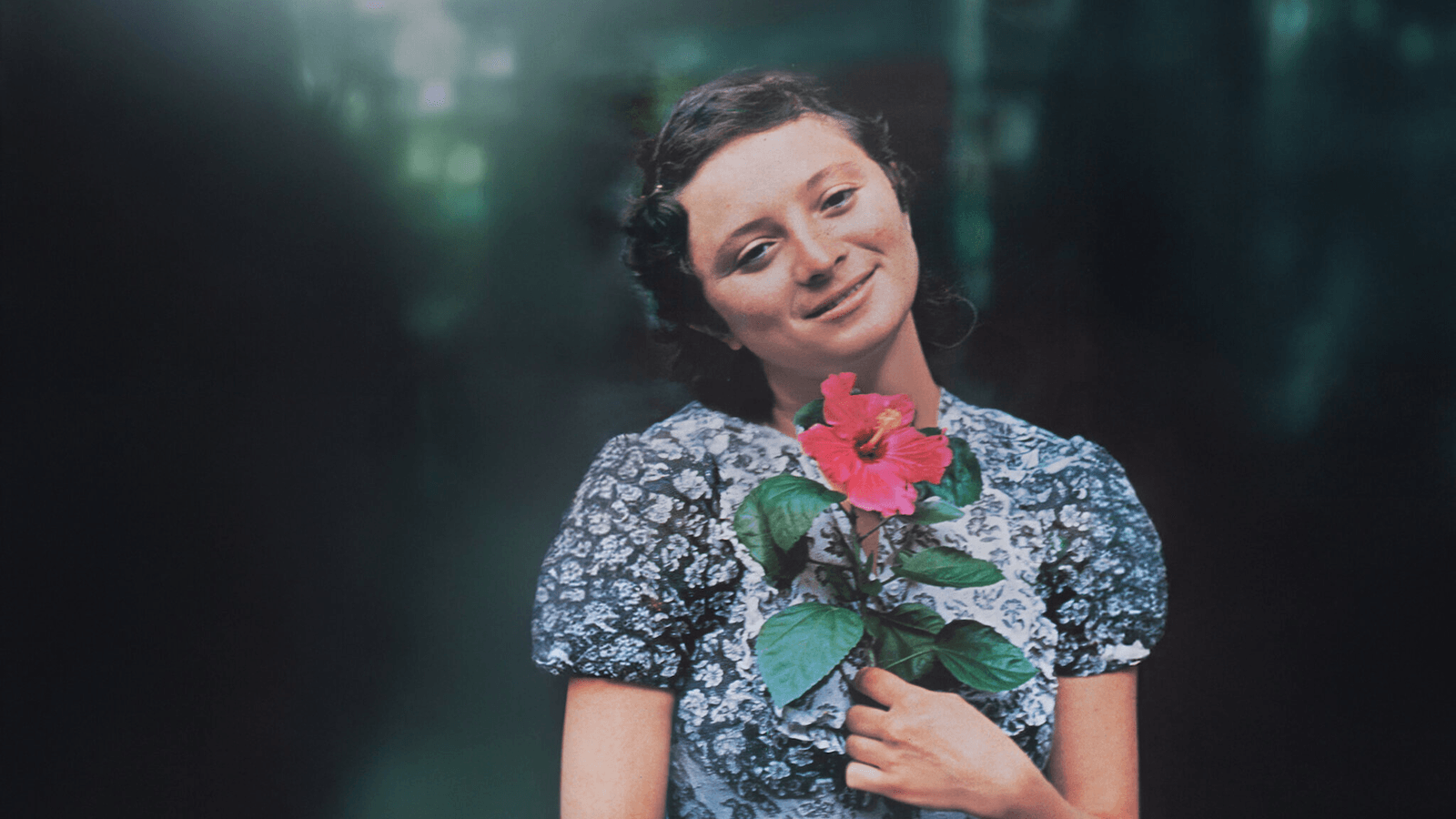
Adapted from Clarice Lispector’s novel, the film follows Macabéa, a young northeastern immigrant adrift in São Paulo and captures the novel’s existential ache with remarkable sensitivity.
Central Station (1998)
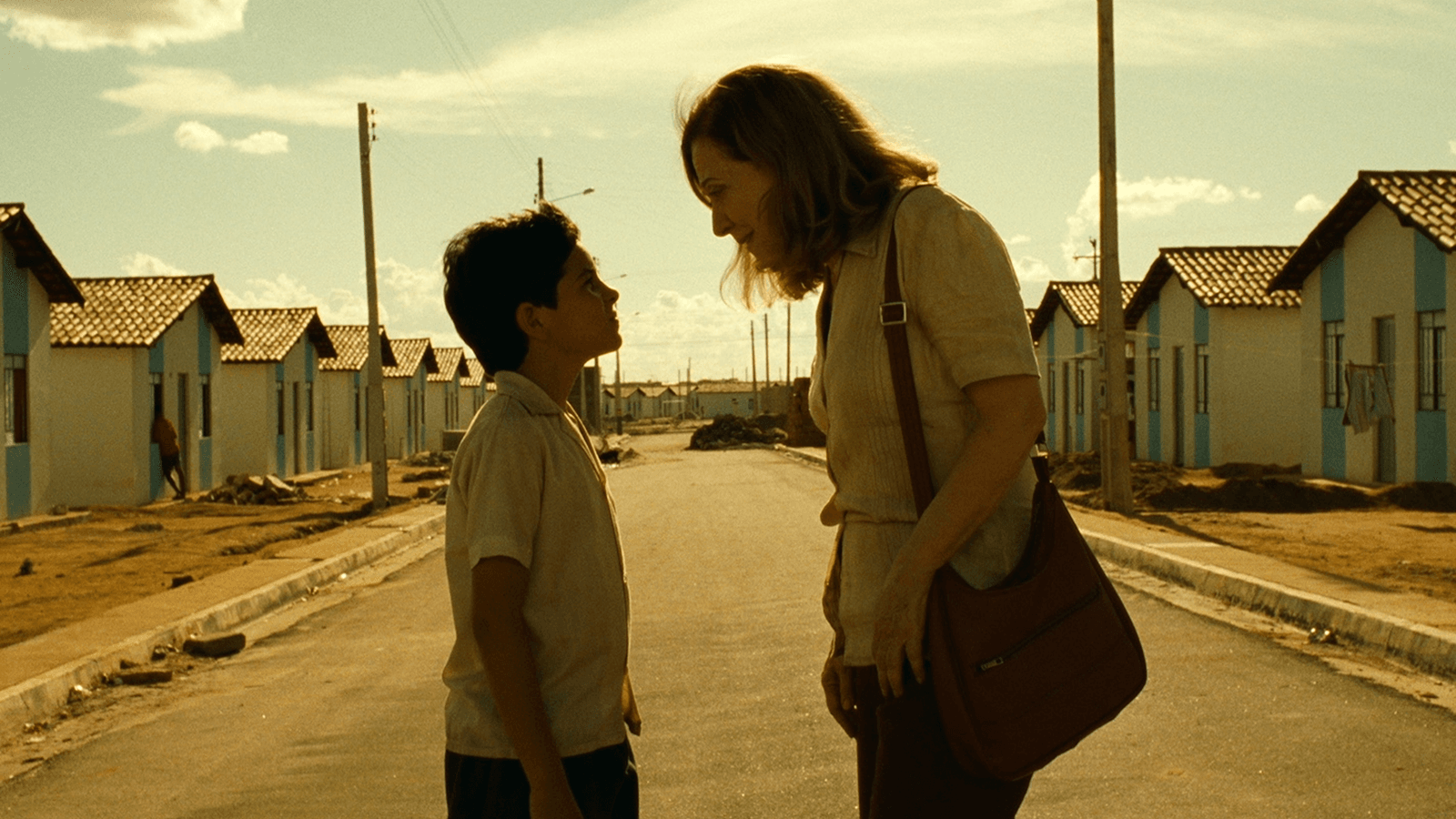
The lives of a woman who writes letters for illiterate people and a boy searching for his father become entangled, resulting in a compelling film driven by profound performances and poignant explorations of some of the deepest aspects of the human condition: loss, trust and belonging.
City Of God (2002)
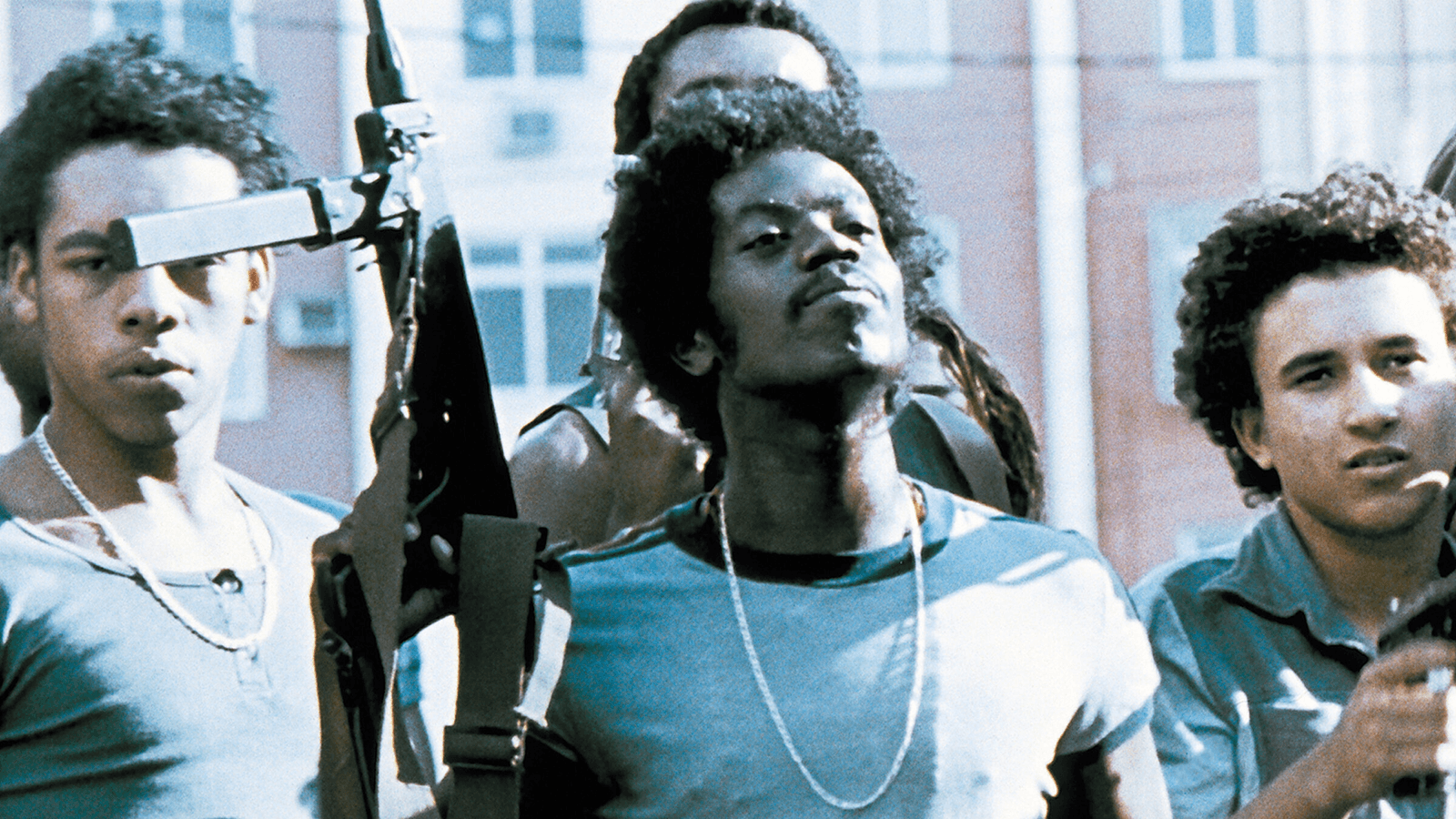
Set in the suburb of Cidade de Deus, the film, adapted from Paulo Lins’ book, depicts the diverging paths of two young boys – one drawn to photography and the other to crime. This poignant and tragic portrayal not only unveils the complexities and challenges of life in favelas but also sheds light on the systemic violence that continues to affect Brazil.
Manas (2024)
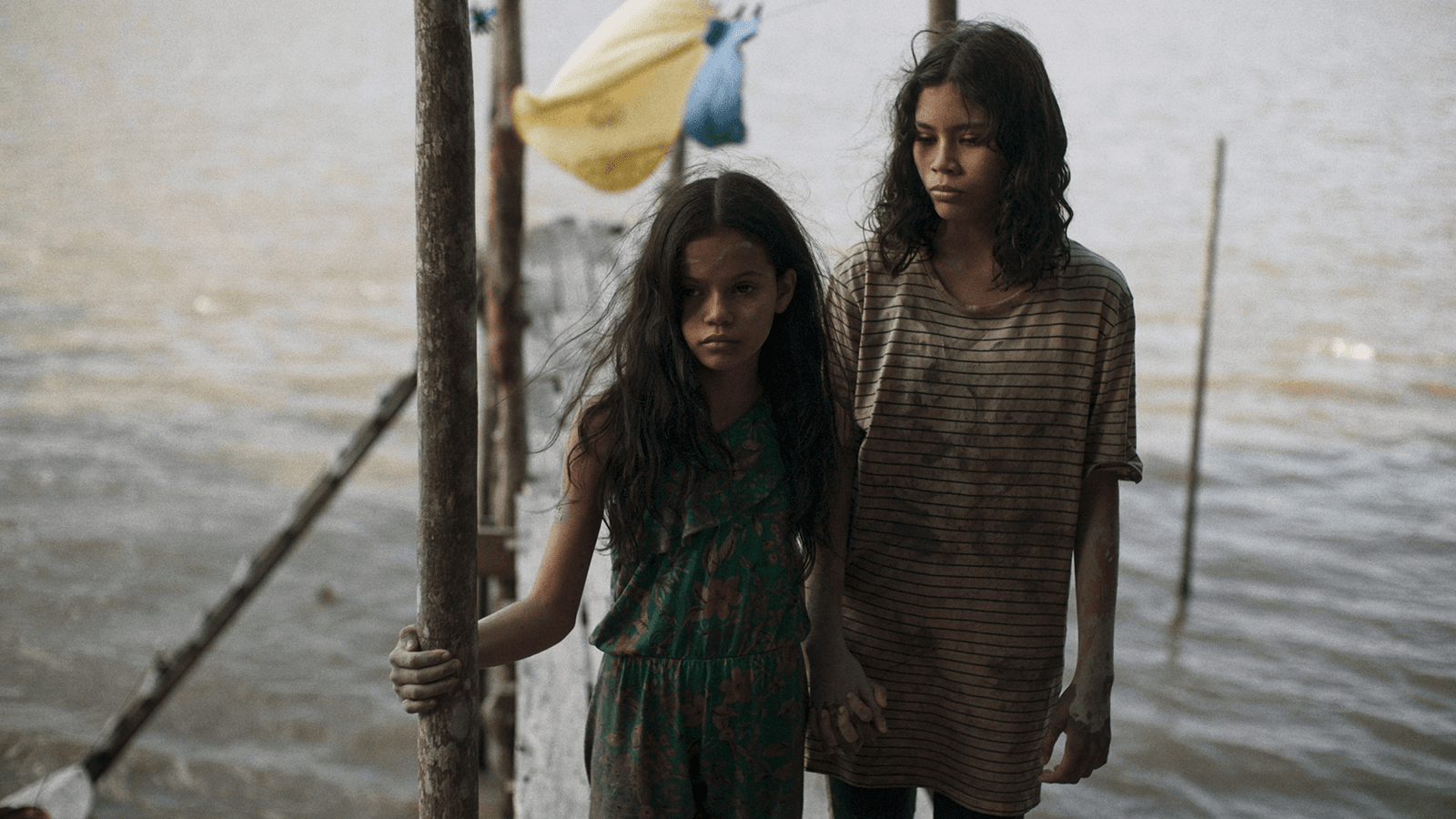
Taking place in a riverside community on Marajó Island, Manas follows Marcielle, a 13-year-old girl who breaks the cycle of violence that plagues her family and community. In confronting abuse and the forced erosion of childhood, the film strikes a chord that extends far beyond its setting.
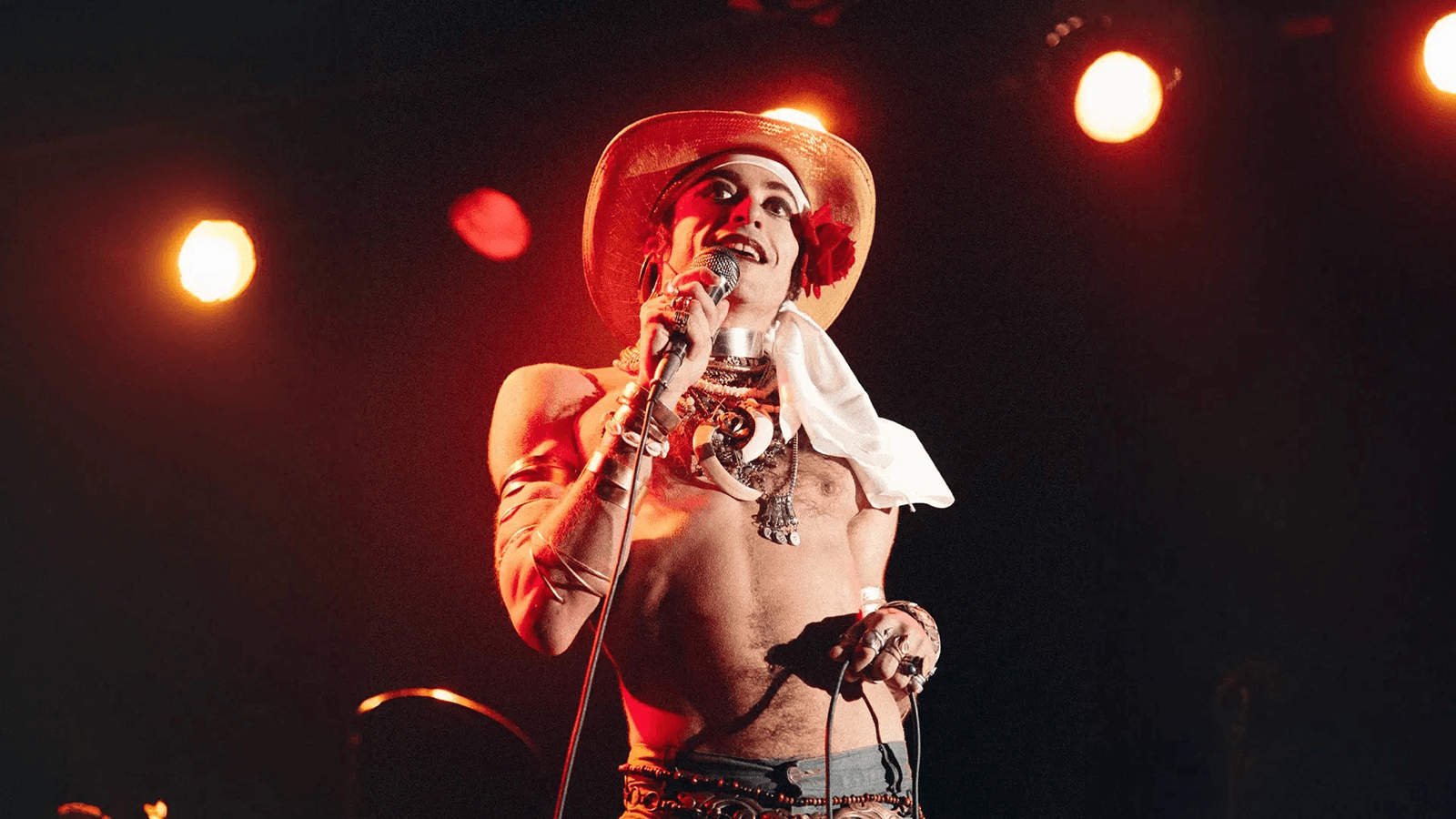
This biopic of Ney Matogrosso, lead singer of Secos & Molhados, chronicles his early life, experiences of discrimination and rise to fame. Focusing on artistry, individuals who exist outside societal conventions and self-invention, the film is a compelling celebration of artistic expression.