The very last word Adam Trask speaks to his son Cal in John Steinbeck’s East Of Eden is “timshel”, an ancient Hebrew philosophical concept meaning “thou mayest”. It’s the idea that we are all free to choose our own path to goodness and are not trapped by family history, sin or fate.
It’s a poignant moment in the book, calling out a thread that runs throughout the novel: are we free to choose our own path? To what extent are we shaped by our families or societies? And can personal choice release us from destiny?
These are the questions we’ve been reflecting on, as Netflix’s new series East Of Eden is released today (1 October). The mid-century classic has been reimagined for the screen, written by Zoe Kazan and starring Florence Pugh as the story’s complex protagonist, Cathy Ames.
After you’ve watched the series, you’ll have questions running through your mind, too. Here’s our complementary reading list to help expand your mind and get you closer to the answers. The sprawling family narratives from all over the globe – from Ghana to Korea, Delhi to Jamaica – explore whether we can alter the course of our own lives, and how deeply we’ve been shaped by what we inherit.
East Of Eden by John Steinbeck
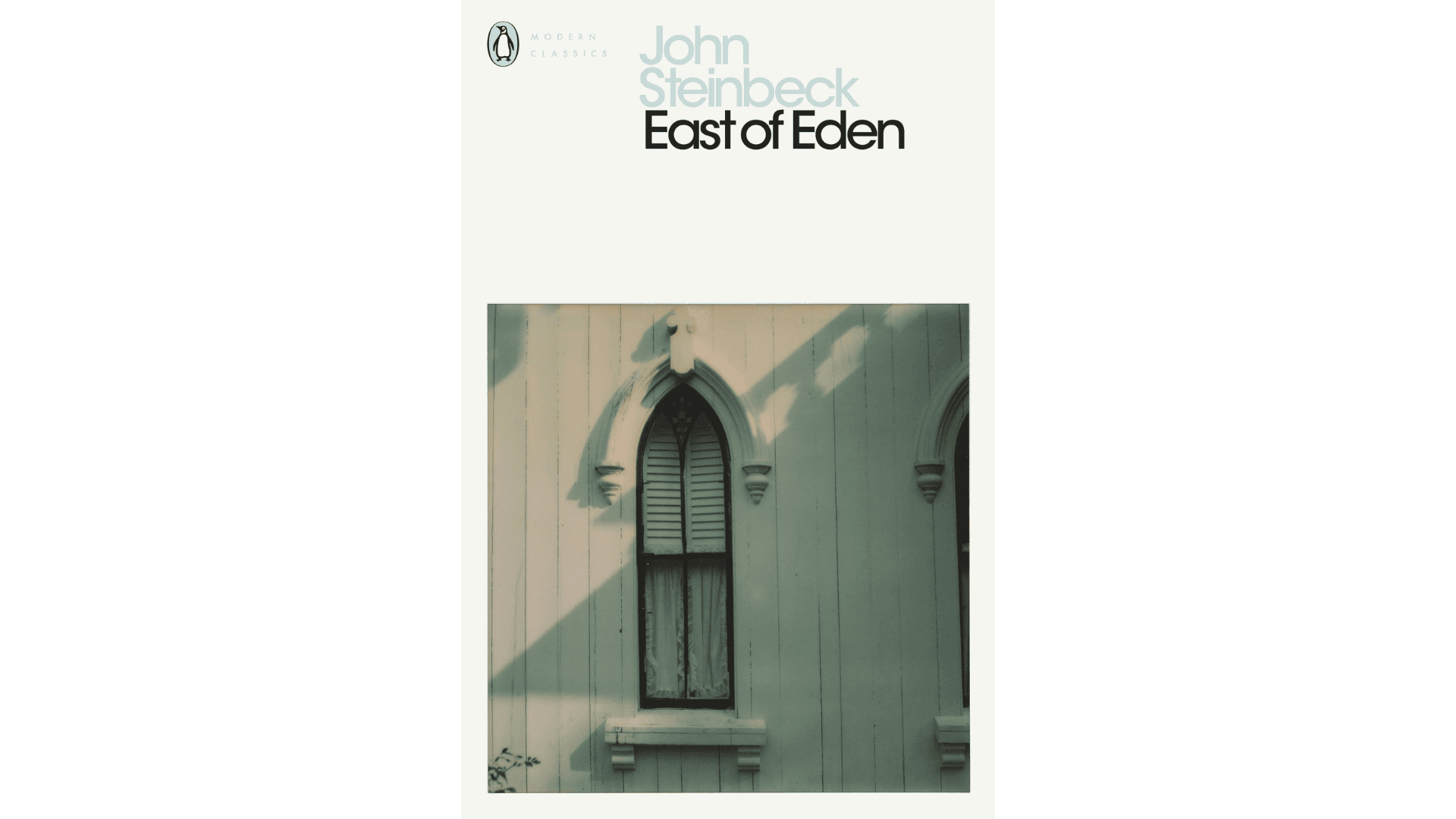
We have to start with the novel itself. John Steinbeck’s magnum opus, East Of Eden, begins in the Salinas Valley, California, and traces the irrevocably intertwined destinies of two families, the Trasks and the Hamiltons, with the grandiose tone of biblical legend. Cathy Ames, married to Adam Trask, is driven to acts of violence, eventually abandoning her sons, Cal and Aaron. Raised by their father, the two boys turn into very different men: one charismatic and likeable, the other mired in an inexplicable darkness. Destined to reenact the fall of Adam and Eve and the destructive rivalry of Abel and Cain, the community in Salinas is locked together in a harsh, scriptural California, where history is destined to repeat itself. Yet at its heart, East Of Eden presents the possibility of choice and the rewriting of family stories. Every page of this great American novel is pure poetry.
Homegoing by Yaa Gyasi
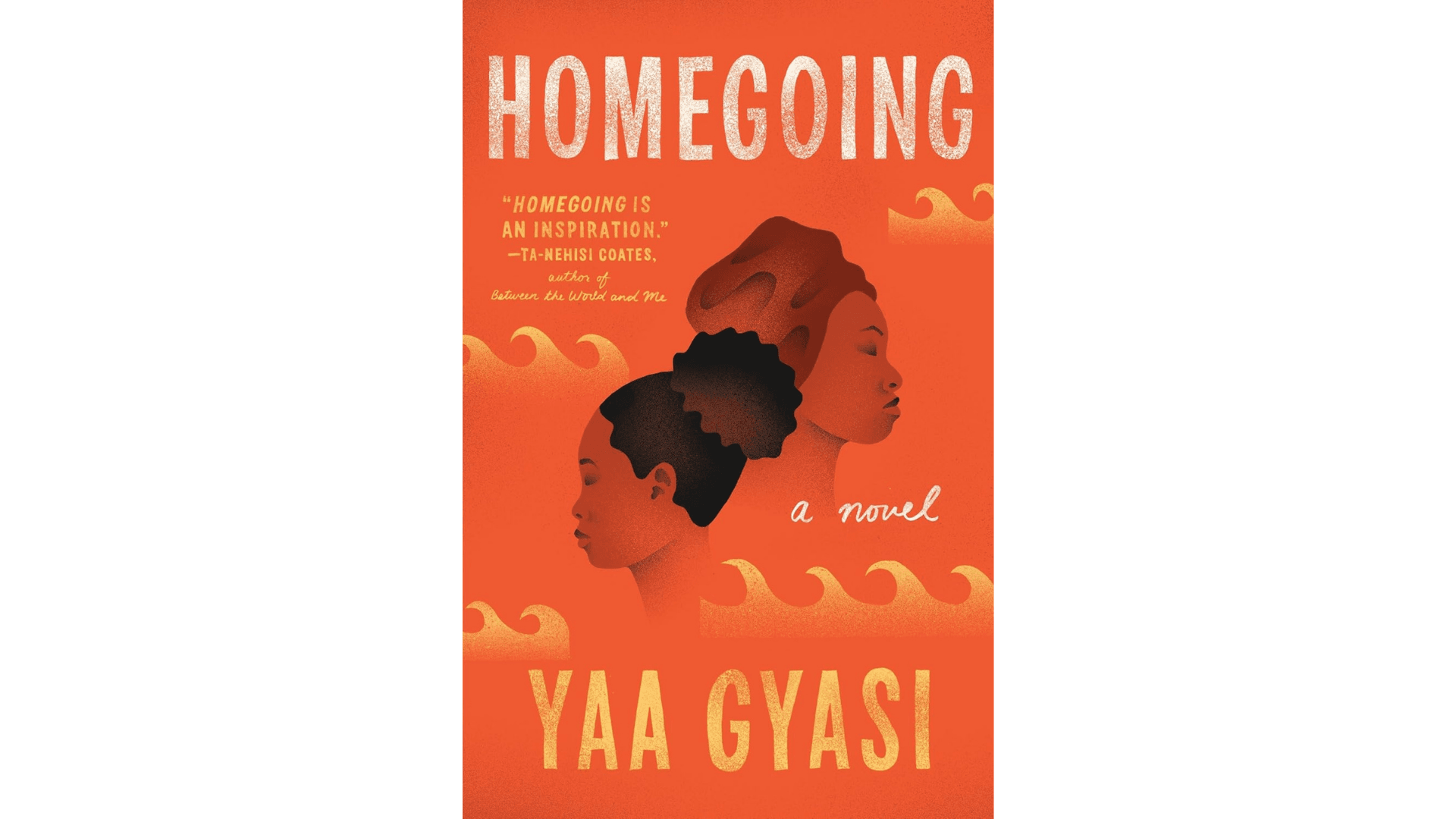
This breathtaking story follows multiple generations of a Ghanaian family over three centuries, packing their journeys and hardships into a stunningly condensed 300-pager. Two half-sisters, Effia and Esi, are born into radically different circumstances: Effia marries an Englishman and lives in relative luxury in Ghana, while Esi is imprisoned and shipped to America, where her descendants are caught up in the brutal legacy of the slave trade. Through the two sisters’ lineages, Gyasi explores colonialism, racism and the devastating ways slavery ripped families apart and deeply affected generations to come. Rich with history and impeccable characterisation, it’s a luminously told story of inheritance that interrogates how far our origins shape our future.
The Vegetarian by Han Kang (translated by Deborah Smith)
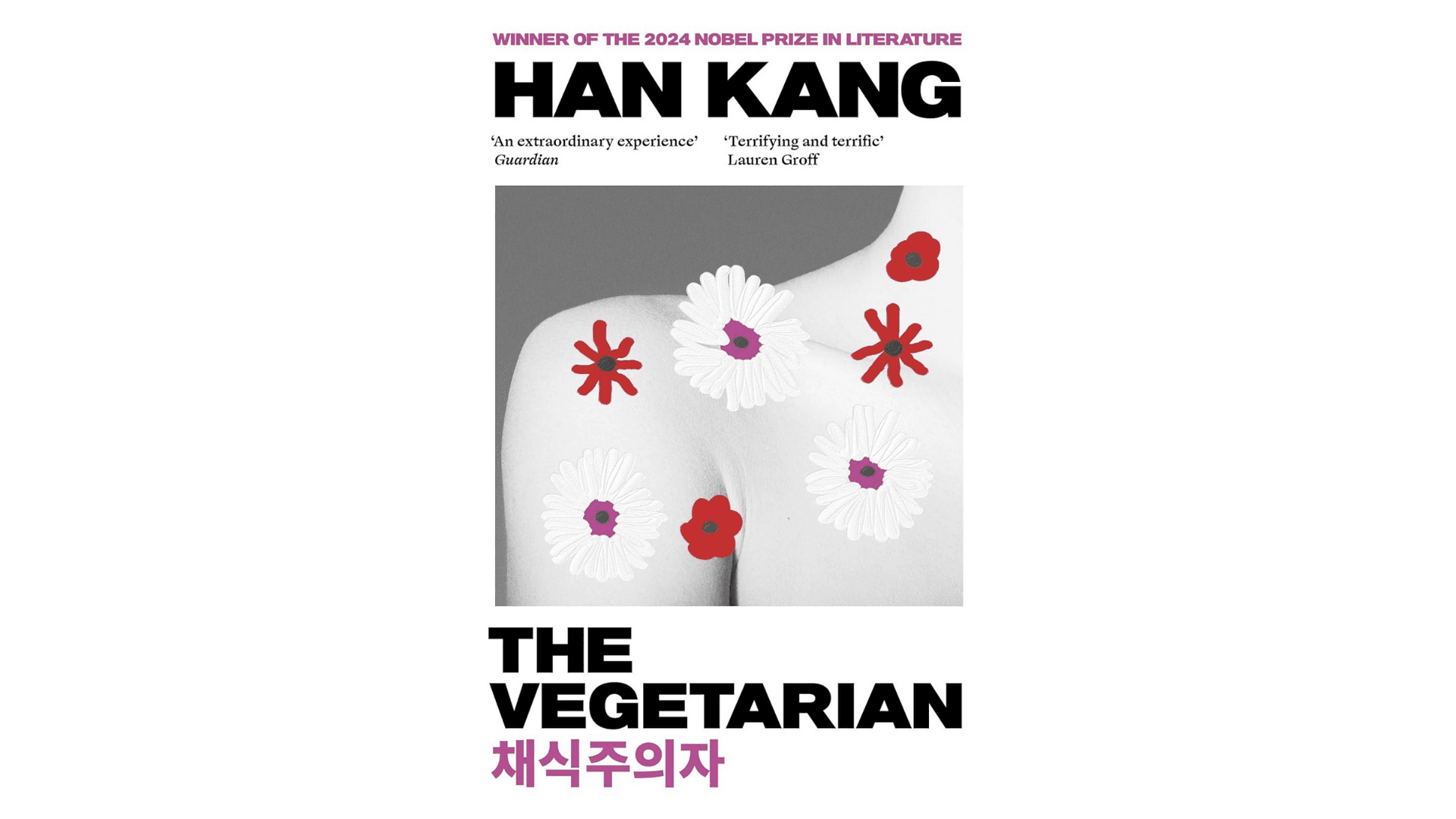
One mealtime, a woman tortured by nightmares of butchery and violence refuses to eat meat. This small act of independence, which inadvertently rails against the social norms of Korean society, sparks a grotesque domestic horror story in which her marriage, family relationships, mind and body all break down. As those closest to her attempt to control her, her resistance becomes increasingly radical. This visceral fever dream of bodily autonomy and cultural repression asks how one small act of change can reverberate outwards, and what it can cost the individual.
How To Say Babylon by Safiya Sinclair
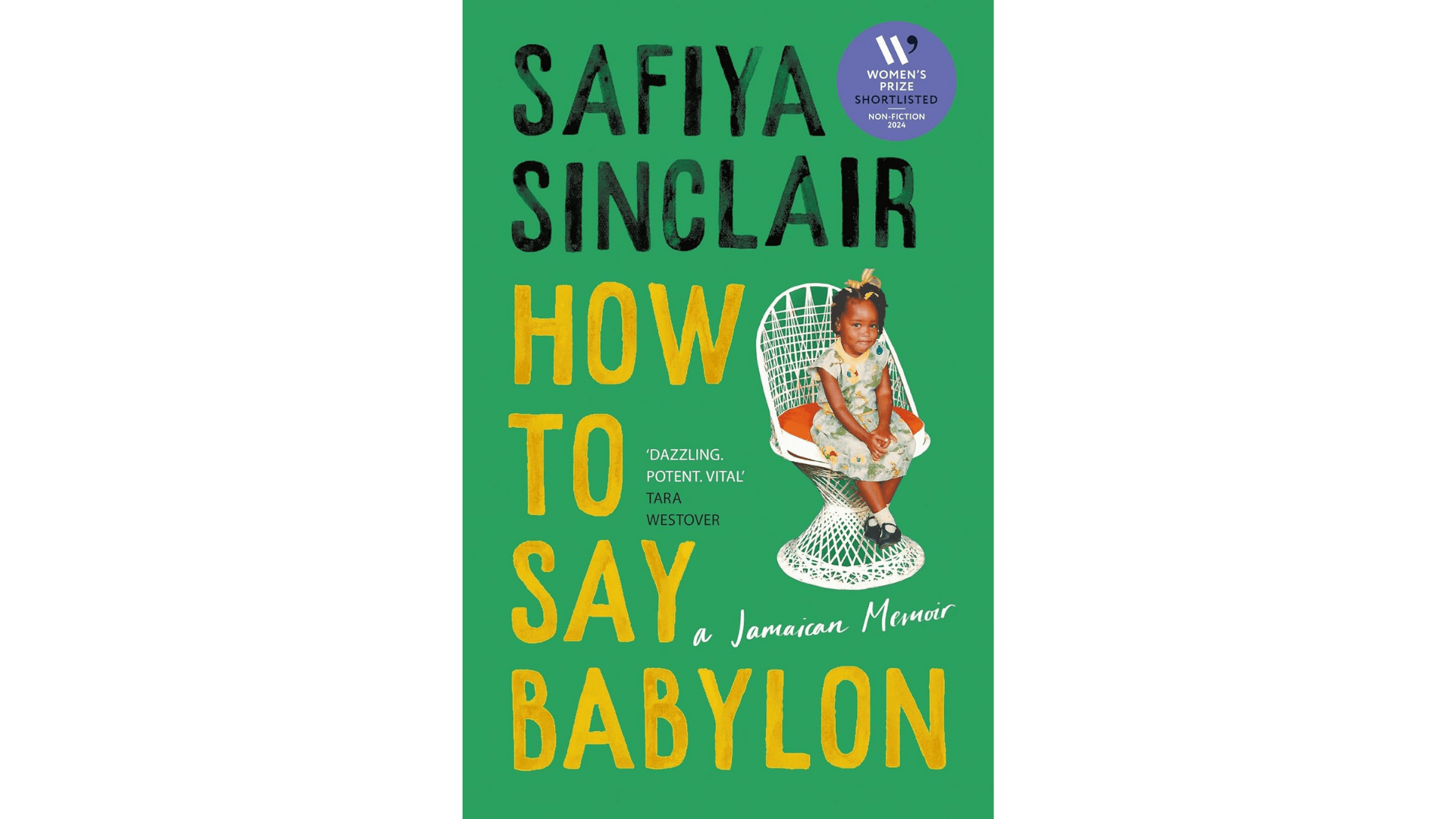
Safiya Sinclair, born in Montego Bay, Jamaica, spent her childhood under her father’s militantly Rastafarian roof. Obsessed with his daughter’s purity and obedience, and determined to protect her from the corrupting forces of Babylon – the Western world – Safiya’s father ruled with an iron fist, restricting access to anywhere but home or school, and forbidding makeup, books or friends. When Safiya’s mother covertly gifts her children books, Safiya discovers a world beyond the confines of her oppressive home life. With echoes of Tara Westover’s Educated and Patricia Lockwood’s Priestdaddy, this incredibly moving memoir compassionately deals with a broken, violent home life, the legacies of patriarchy and colonialism in Jamaica, and the search for identity and independence when the old ways are all you have ever known.
Family Life by Akhil Sharma
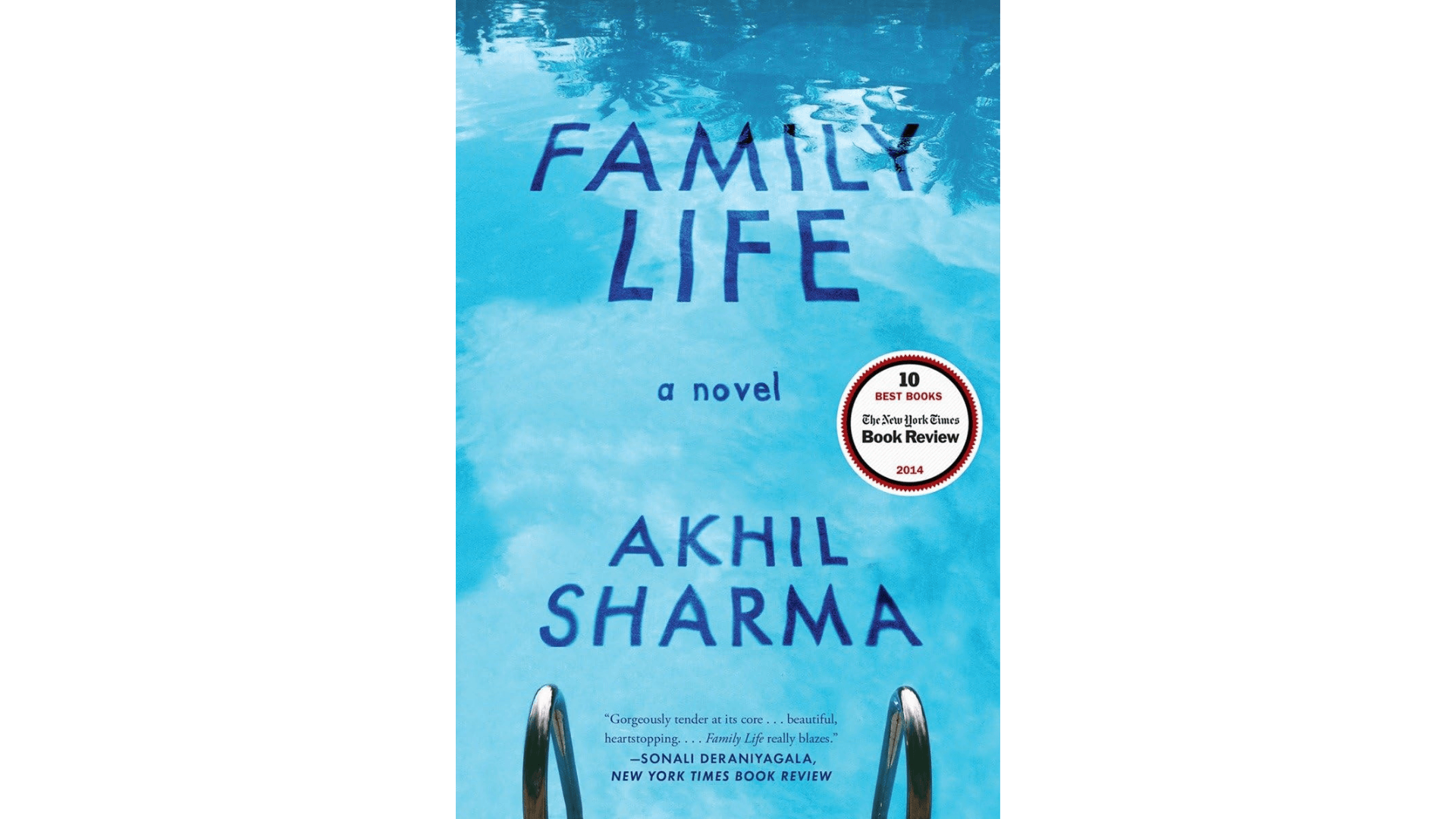
Akhil Sharma’s beautiful, deeply textured semi-autobiographical novel follows an immigrant family who move to America in the 1970s, to what they believed was a better life. We first meet the Mishra family in Delhi, where a young Ajay and his older brother wait for the day they and their mother can board a plane and join their father in America. After their dream comes true, tragedy strikes. A terrible accident leaves Ajay’s brother severely disabled, while Ajay is abandoned and adrift in a strange country. Family Life unfolds as a heartbreaking portrait of an immigrant family fractured by the American Dream and a catastrophe beyond their control, and asks how a young boy summons the strength to change his life and find his place in the world after the unthinkable happens.
Watch East Of Eden, out now, only on Netflix