For the longest time, Milan wasn’t an essential stop on an Italy trip. Aside from when the fashion crowd descends upon the northern Italian city four times a year for the shows, or the art crowd for Salone del Mobile (the annual design fair held each April), it often remains off the usual tourist map. It doesn’t have the big-hitting sights of Rome (bar the Duomo), the Renaissance romance of Florence or the dreamlike beauty of Venice – and that’s exactly why you need to go. Milan offers something completely different: a creative vibe and confident spirit that will draw you in before you can take the first sip of your aperitivo.
The Big Milanese Reinvention began after the World Expo a decade ago – which Milan used as a reset button. With the global spotlight shining down, long-neglected industrial zones were redeveloped, ambitious architectural projects reshaped the skyline and major investment flowed into culture, design and public space.
That transformation has only picked up pace. Today, Milan is a place powered by ideas, energy and constant movement. It’s a fashion capital, a hub for art and architecture, and was even home to the recent Winter Olympics, co-hosted with the alpine town of Cortina D’Ampezzo.
Even with all this taking place, Milan will always be the main event. The city’s entrepreneurial spirit extends far beyond fashion, with new restaurants, galleries and creative spaces constantly opening and welcoming you in. Because you don’t visit Milan, you live it. After a few hours of wandering its streets – discovering pastry shops reworking the classic cornetto on side streets, fashion ateliers tucked behind unassuming doors and a network of neighbourhood hubs where Milan’s creative life plays out in public – you feel at home.
As a Roman who’s lived here for close to four years, I didn’t expect Milan to win me over. Now, I wouldn’t choose any other city to be in. Here’s how to experience it all (or at least my favourite bits) over three days full of culture, indulgent cuisine and, yes, aperitivo...
Day 1
Check Into... Senato Hotel, a chic bolthole just off the Fashion Quadrilatero, Milan’s glossiest neighbourhood. Set inside a five-storey neoclassical building that once was the private residence of the Ranza family – who run it today – the hotel feels quietly removed from the traffic of Via Senato outside, with a shallow courtyard pool greeting you as you step inside. It’s an easy base for moving between districts, galleries and cafes on foot, with extra bonus points for its intimate rooftop and all-day cafe, Senato Caffè.
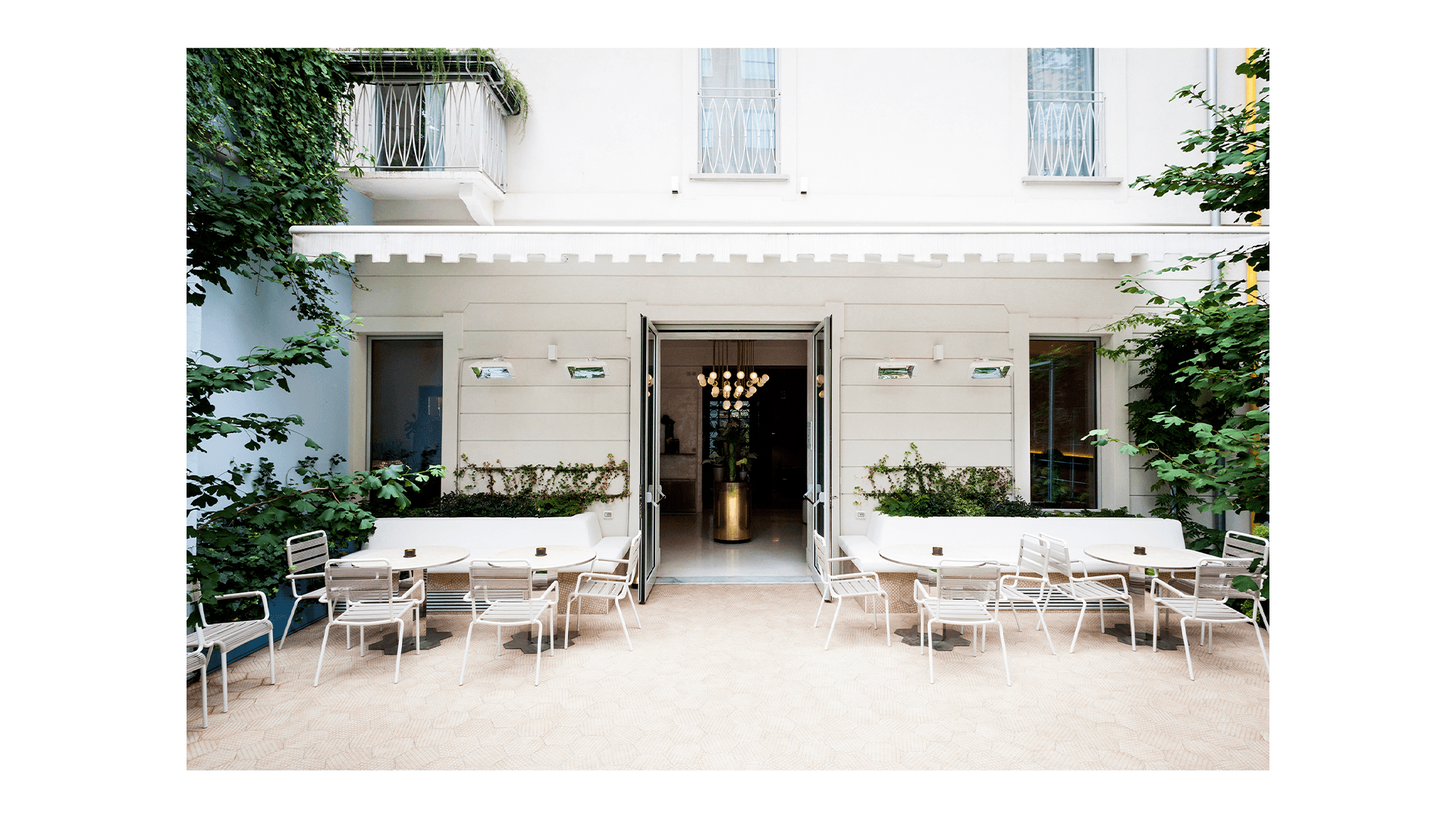
If a bed and breakfast is more your style, then LaFavia Milano, between Chinatown and the Garibaldi district, is a solid pick. Housed in a beautiful 19th-century townhouse, it has just four fairly compact bedrooms, with two larger ones in a nearby building. Every detail feels considered – from custom wallpaper and retro-style tiles to plush linens – and there’s a veranda and two garden terraces, which are pretty sweet on warmer days. Travelling as a group? There are apartments that sleep up to four, too.
Once You’re Settled...Go for breakfast, Milanese-style. That means cappuccino and brioche – Italy’s answer to the croissant, plain or filled with cream or jam – ideally eaten while standing at the counter, like a local. If it’s your first time, Marchesi 1824 on Via Montenapoleone, in the heart of the Fashion Quadrilatero, is a must. Step inside and you’re met with a marble-topped counter and oversized mirrors, all softened by pastel-green walls and velvet seating. It’s pure old-Milan aesthetic, and the pastries are phenomenal.
For a more contemporary take on the combo, head to Pavé instead, in the hip Porta Venezia neighbourhood. Part bakery, part cafe, it’s a haven for all things butter-centric: perfectly flaky almond croissants, decadent pain au chocolate, extra sugary kouign-amann...you get the idea. Order a few to share, then turn the whole thing into brunch; they do delicious sandwiches and avo on toast, too.
Get Around... On foot. The city is flat and easy enough to explore on foot, with most major sights and neighbourhoods just a short walk away – it’s a great way to get a sense of place. You can also cycle everywhere, or jump on Milan’s efficient transportation system. Even crossing town end to end only takes 45 minutes, or less by metro.
Tip: download the BikeMi app, Milan’s bike-sharing service (think Lime), or for public transport, pick up a Ricaricami card – a rechargeable, contactless travel card designed for visitors. Available from ticket machines, bars, newsstands and tabacchi, it works across Milan’s buses, trams, metro and even some regional trains. You can load multiple rides onto it and simply tap to travel, or skip the card altogether and pay directly with your contactless bank card.
Another tip: if you plan to travel around and you love museums, consider getting a YesMilano CityPass, the city’s official pass, which includes access to a range of museums, attractions and landmarks, plus unlimited use of public transport. Several tiers are available, depending on how much you plan to pack in.
And one more tip: make time for a ride on one of Milan’s historic trams from the 1920s and 1930s, which still circulate throughout the city. They’re a delight.
Stroll Through... Parco Sempione, Milano’s most central – and most loved – green space. On warm days, the Milanese flock here for picnics, strolls and bike rides; it’s one of the best spots in the city for people-watching. Mid-walk, stop at Cascina Nascosta, a former farmhouse hidden among the trees, serving excellent cakes alongside coffee, wine and heartier fare. Its northern and southern edges are anchored by two of the city’s landmarks: the triumphal Arco della Pace to the north (Milan’s own version of the Arc de Triomphe) and Castello Sforzesco to the south, a vast medieval fortress that today houses several museums.
If you’re visiting before 14 March, 2026, make a beeline for the castle’s Sala delle Asse, where a mural by Leonardo da Vinci is temporarily on view. It’s been under restoration for more than a decade, but for a limited period visitors can climb the towering scaffold inside the room to see it up close – a rare glimpse before the space is sealed off again for another 18 months.
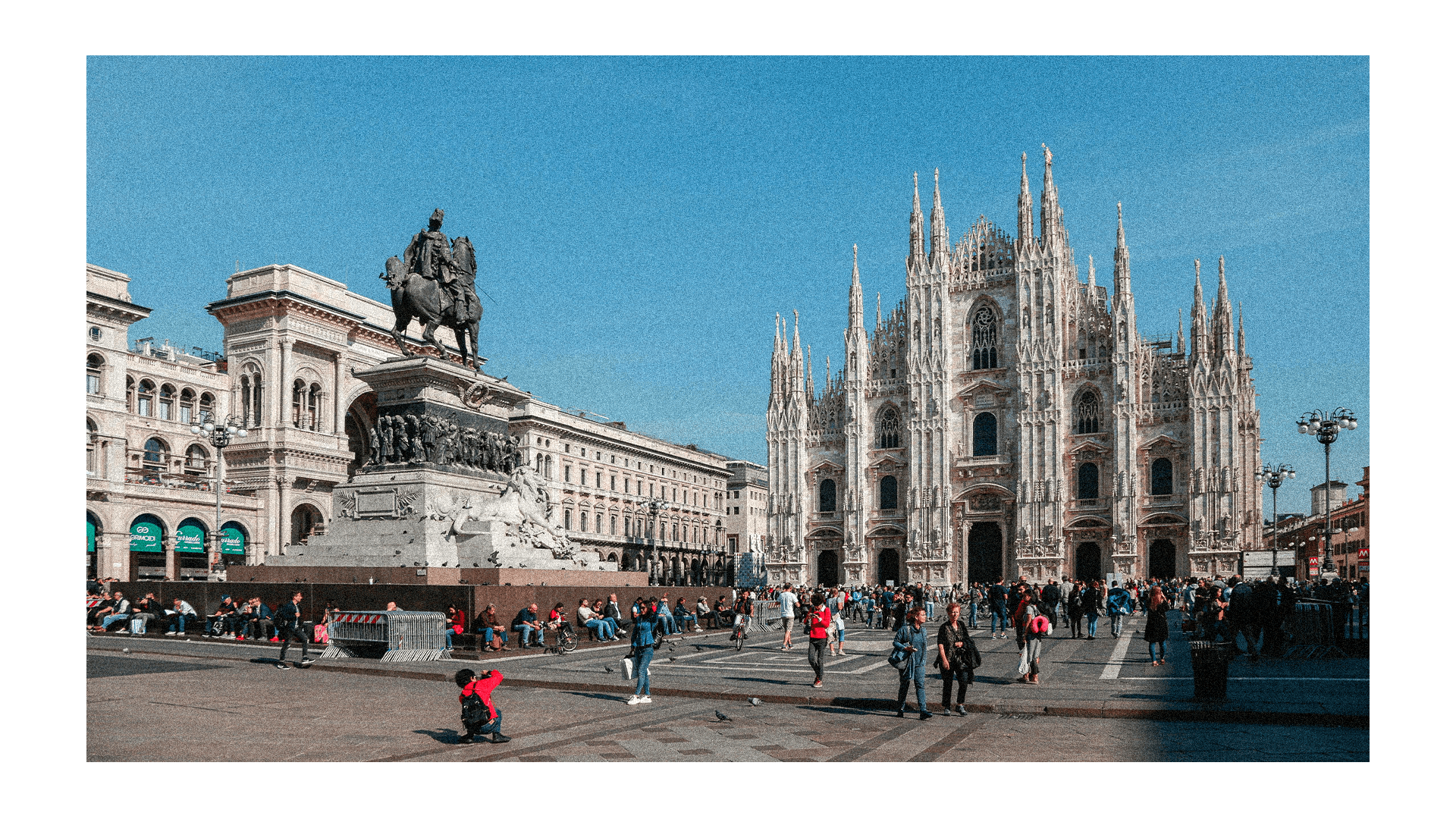
Get Your Culture Fix At... Triennale Milano, the city’s chief design museum. Found on the western side of Parco Sempione, it’s a hub for architecture and art – including a permanent section devoted to the history of Italian design – but also talks, festivals and screenings. Check out its website before you visit as there’s always something interesting going on.
Have Pre-Dinner Drinks At... oTTo, a cafe-meets-co-working space-meets-bar in Chinatown. Super low key, it really hits its stride at aperitivo hour, when locals drift in, laptops disappear and the mood turns social. Drinks are simple but well-thought-out – natural wines, proper spritzes and a handful of unfussy cocktails – with good no-alcohol options, too. Order at the bar, find a spot where you can and before long it feels less like a stop-in and more like the start of the evening.
Stay For Dinner In... Chinatown – it’s Italy’s oldest Chinese community and you’re already here, so you might as well stay put for some food. The area has plenty of solid options but a personal favourite is Chifa, which specialises in Yunnan cooking. The space is simple and unfussy, warmed up by friendly staff. Portions are generous and flavours dialled all the way up: think handmade dumplings, spicy fried rice, Yunnan noodles cooked at the table and excellent stir-fried vegetables like eggplant with potatoes and green beans. Order all of the above.
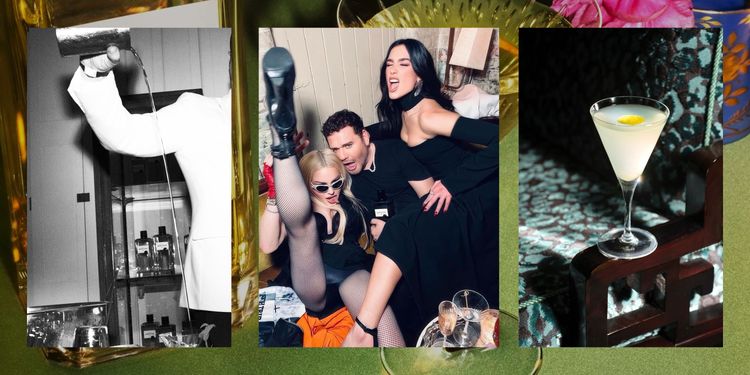
Have A Nightcap At... Madame Cheng, the cocktail bar tucked inside House of Ronin, a four-storey Japanese-leaning venue in a restored Liberty building in Chinatown. Inspired by Tokyo’s after-hours scene, the bar pours Asian-influenced drinks like sake and shochu highballs, alongside yuzu-spiked takes on classics. Come for one, stay for the mood and, if the evening takes a turn, the karaoke rooms are just a few steps away...
Day 2
Start Your Day At... Fioraio Bianchi Caffè. You’ll find very good pastries in most Milanese bars – locals take breakfast seriously – but this bistro in the bohemian neighbourhood of Brera hits a sweet spot for both its pastries and atmosphere. It’s a cafe and flower shop in one (the plants and blooms are part of the decor), and it feels slightly Parisian in spirit without losing its Milanese charm. Grab a table among the flowers and start the day slowly, rubbing shoulders with impeccably dressed Milanesi over strong coffee and perfectly baked croissants.
Make A Pitstop In... Cavalli e Nastri, hands-down one of the best vintage shops in Milan. It’s a true treasure trove, with rails spanning everything from Prada to Fendi and plenty in between. Even if you’re not planning to buy, it’s worth popping in to browse and get inspired. Afterwards, keep wandering through Brera’s narrow cobblestone streets, lined with indie boutiques and antique stores. This corner of the city has a small-town charm that’s hard not to fall for.
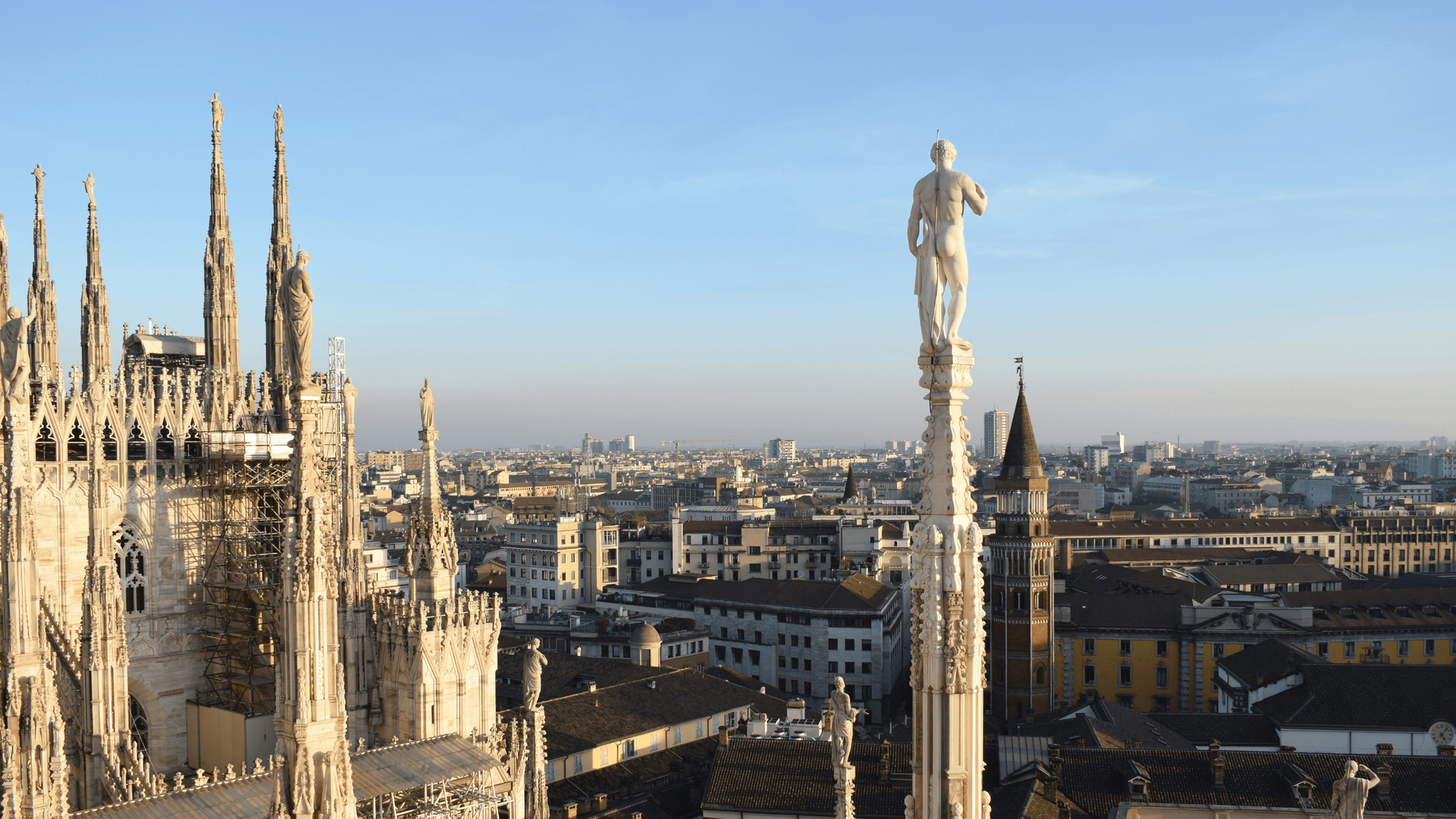
See Milan From Above At... Highline Milano, a recently reopened elevated walkway that runs along the rooftops of the Galleria Vittorio Emanuele II. Originally created for Expo 2015, it traces the skyline 40 metres above ground, linking Piazza della Scala to the Duomo (the Italian Gothic cathedral that you’ll have seen in photos from anyone who’s been to Milan). Along the route, you’ll come across newly opened “ghost spaces”, from panoramic terraces dotted with greenery to the former Clock Room, once home to the mechanical system that synchronised the city’s public clocks. Today it hosts rotating exhibitions – though, truthfully, it’s the sweeping 360-degree views that steal the show.
Grab Lunch... Away from the crowds. Truth be told, the Duomo area can feel pretty crowded and more than a little touristy. So snap a few photos then swap the throngs for something quieter. 5Vie (Cinque Vie), Milan’s oldest district, is just a 10-minute walk away. This is where you’ll find Zibo, a cosy bistro serving a playful parade of fried bites and inventive handmade pastas (get the carbonara-filled ravioli).
Get Your Shopping Fix With... More exploring in characterful pocket of the city. 5Vie is packed with galleries, ateliers, antique shops and artist studios, alongside some chic little boutiques. Two personal favourites: Laboratorio Paravicini for out-of-this-world beautiful pottery and Wait and See for quirky, well-curated fashion finds.
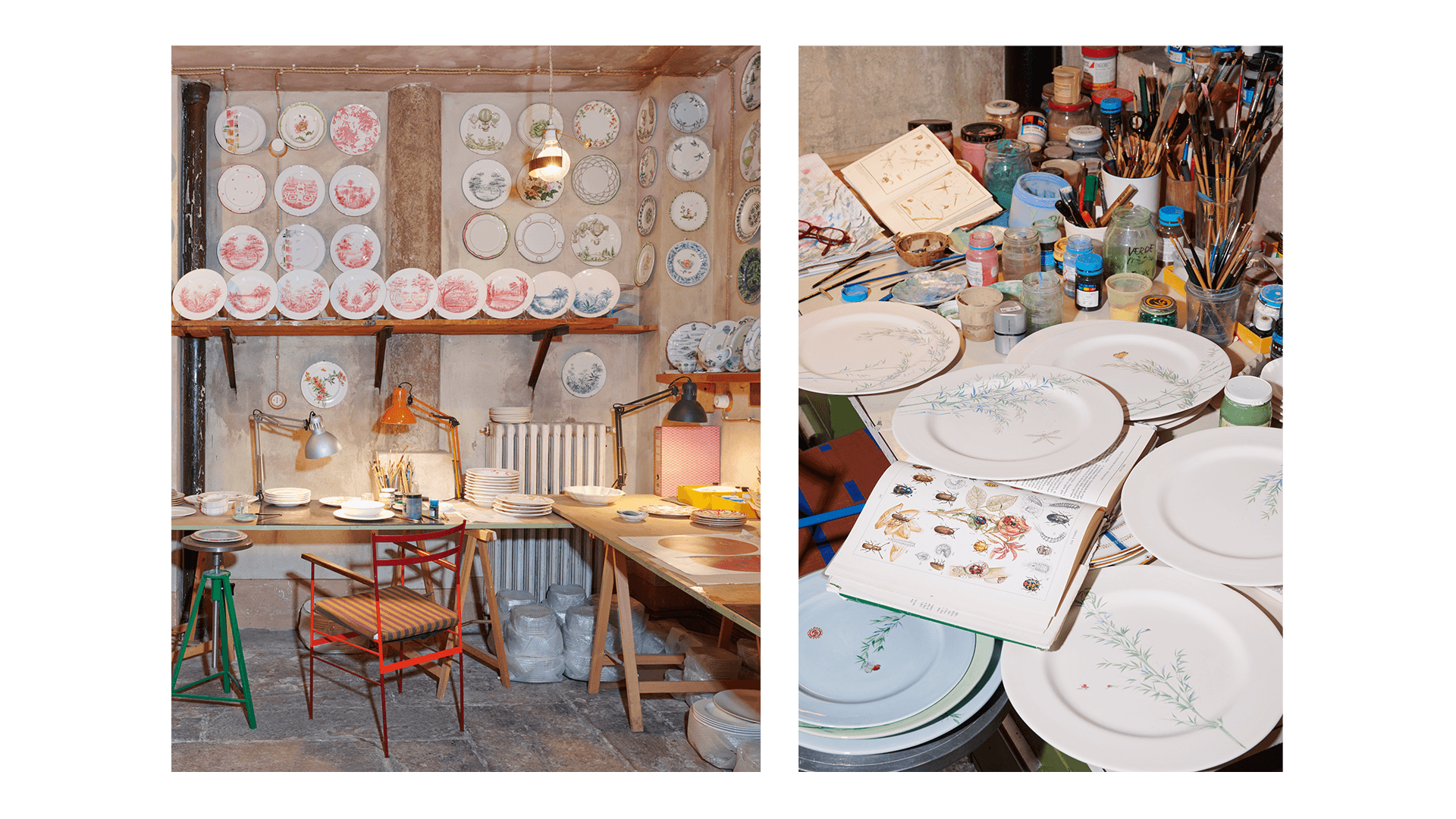
Then, Get Back Into Culture Mode At... Veneranda Biblioteca Ambrosiana, home to the Codex Atlanticus, the largest collection of Leonardo da Vinci’s drawings and writings. A must for anyone who appreciates fine art.
Refuel At... Ditta Artigianale or Cafezal Specialty Coffee, two equally strong options on nearby Corso Magenta. The former is a Tuscan import, pairing sleek, design-forward interiors with meticulous roasting and brewing. The latter is an outpost of Milan’s first specialty small-batch roaster, set inside an old-school cafe that feels frozen in the 1950s (that’s a good thing). If you’re up to it, try both, then compare. Just prepare to feel a little jittery afterwards.
Keep Sightseeing In... Navigli, your last neighbourhood stop of the day. Hop on the metro (line 2) to Milan’s canal-side district, known for its vintage shops, creative studios and buzzing nightlife. This is a more relaxed side of the city: social, slightly scruffy and very much up for a good time. There aren’t many box-ticking landmarks here; instead, it’s all about the vibe. Wander around the Darsena, the city’s historic harbour, then duck into Vicolo dei Lavandai – where women once cleaned clothes along the canal and now packed with galleries, boutiques and bars that spill out onto the towpaths. If you’re visiting on the last Sunday of the month, come earlier for the Navigli antiques market, which draws some 400 stalls along the Naviglio Grande.
Reserve A Table At... Trattoria della Gloria, a small, lively trattoria near the Naviglio Grande run by a new generation of cooks. Dishes here change regularly, reworking Italian classics with seasonal produce and and informal service that makes it feel more like dinner with friends than a restaurant meal. The only constant is the minestrone, which has a permanent place on the menu. Served warm in spring, cold in summer, comforting in autumn and piping hot in winter, it’s a must-order. Booking ahead is wise.
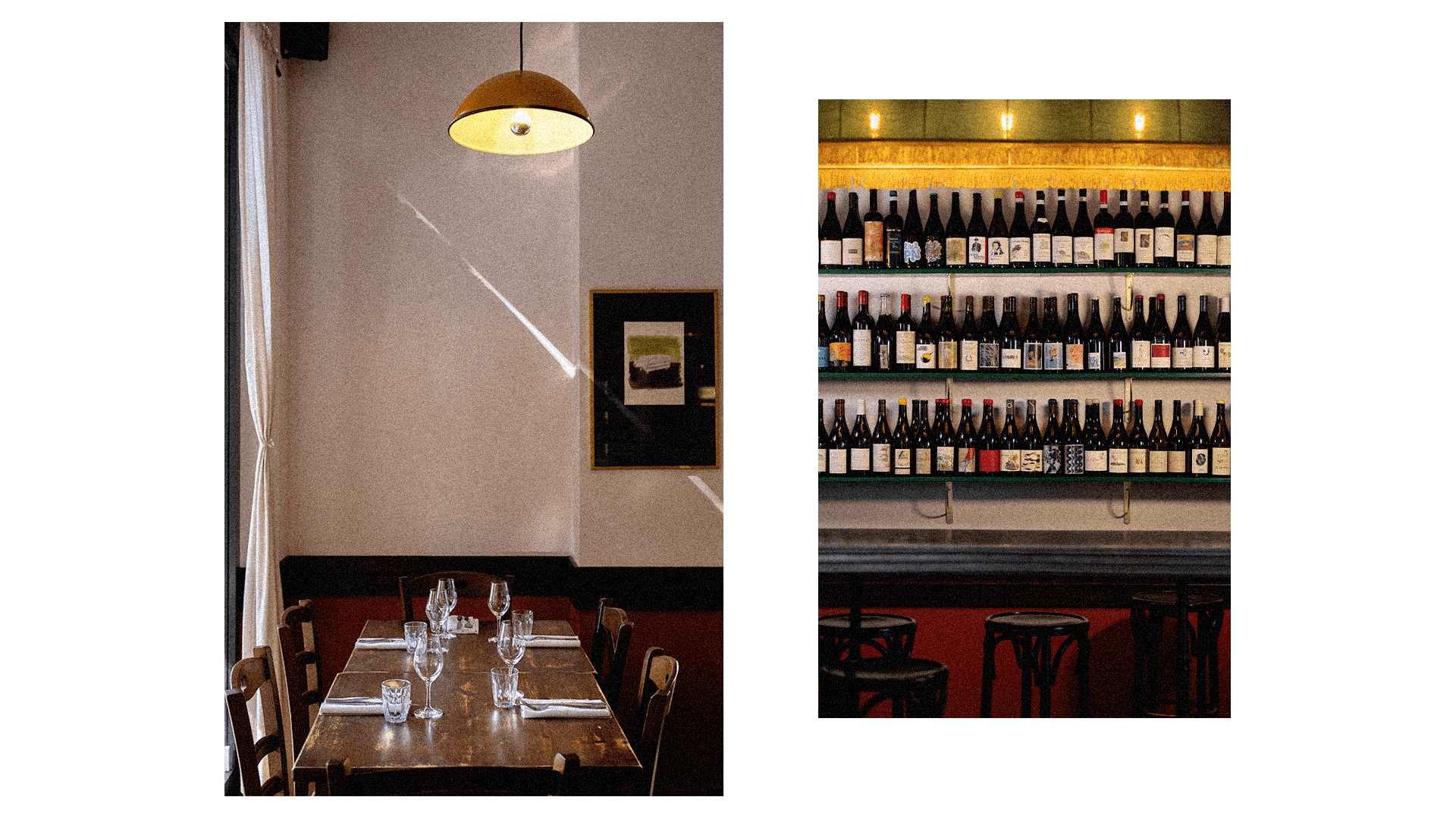
End The Night At... e/n enoteca naturale, a true institution for natural wine in Milan. It’s easily one of my top bars in the city: the selection is spot-on (around 350 bottles on the shelves at any given time) and the setting is about as charming as it gets, next to the Medieval Basilica di Sant’Eustorgio with a garden that everyone spills into during spring and summer. And a percentage of the bar’s takings goes to humanitarian NGO Emergency. It’s a real gem.
Day 3
Start With Breakfast At... Un Posto a Milano, a bar and restaurant set inside Cascina Cuccagna, an 18th-century farmhouse that feels blissfully removed from the city’s bustle. Come on a weekend and you’ll often find something going on, from markets to talks and workshops. The kitchen serves breakfast and snacks, as well as lunch and aperitivo, with dishes that highlight local produce, making it a good stop at pretty much any time of day.
Keep The Cultural Exploration Going With A Visit To... Fondazione Prada, another excellent contemporary art space – and very fitting for the city that’s plays home to Miuccia’s industry-shifting brand. Set inside a former distillery reimagined by architect Rem Koolhaas, it brings together exhibitions, cinema, architecture and design in a striking mix of old and new, from raw industrial buildings to the Torre, a structure clad entirely in 24-carat gold leaf. Before you leave, stop for an espresso at Bar Luce, the pastel-hued café designed by film director Wes Anderson for the foundation. A quick local tip: ask for a caffè, not an espresso. That’s how Italians order it.
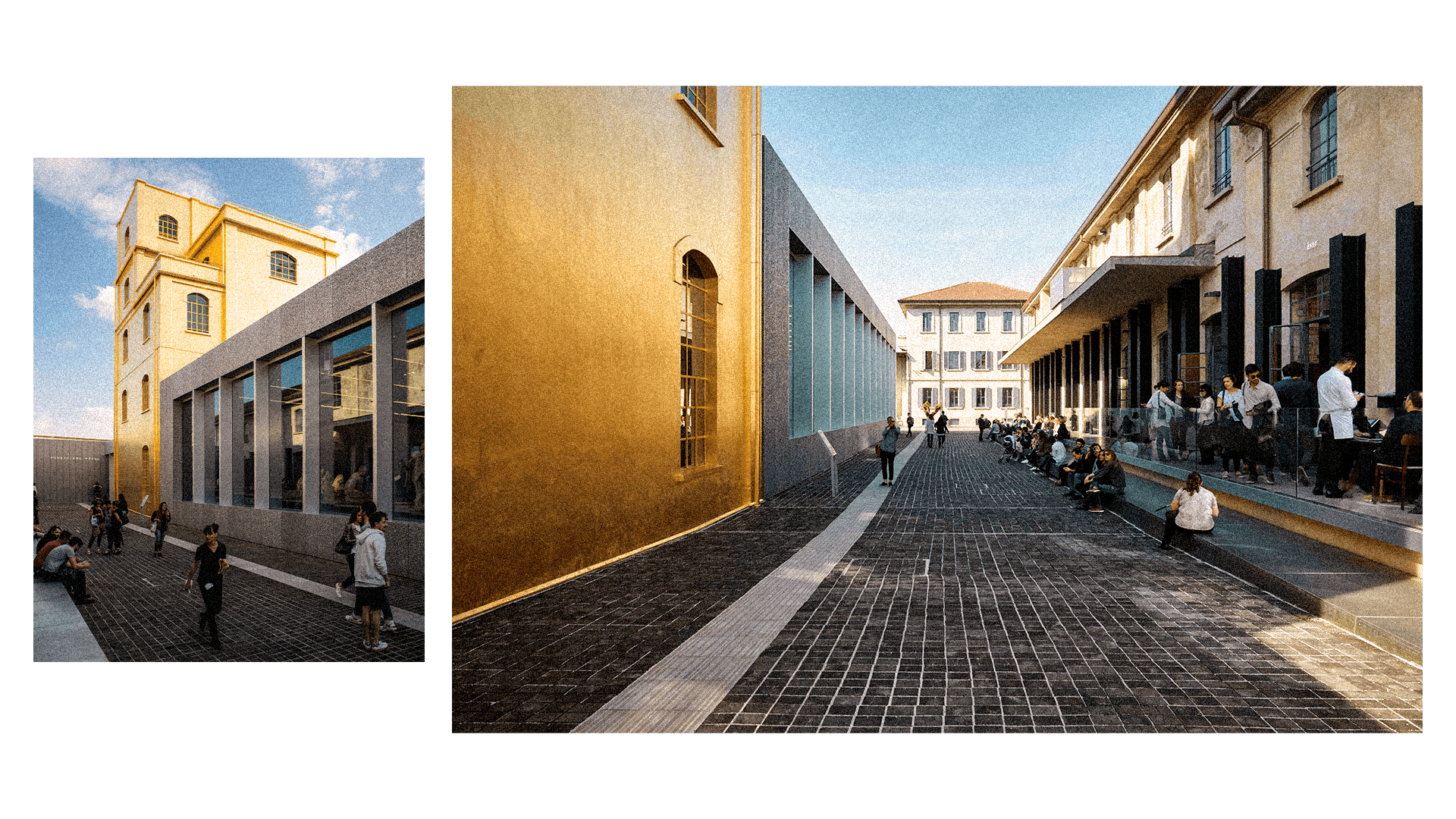
Soak Up Another Side Of The City Over In... Porta Romana, heading towards Zona Risorgimento (both reachable on foot from Fondazione Prada). Vibrant, a tad upscale and dotted with Liberty-style buildings, these southeast neighbourhoods feel more local than Milan’s tourist centres. Porta Romana has long been a Milanese favourite for its mix of elegant cafes, historic bars and contemporary restaurants, while Zona Risorgimento’s broad boulevards and period architecture give way to lively squares dotted with trattorie and wine bars. Along the way, detour through Via Abramo Lincoln, a pocket of Milan nicknamed the city’s Notting Hill or quartiere arcobaleno (the rainbow neighbourhood). The street is lined with around 40 pastel-coloured houses – yellows, blues, lilacs and oranges – each with its own small garden. It’s a place that feels frozen in time – perfect for a slow Sunday stroll.
Stop For A Quick Bite At... Sidewalk Kitchens, a roadside food hall and neighbourhood hangout bringing together four kitchens, a specialty cafe and a wine shop. Order from whichever counter tempts you, grab a buzzer and wait – it’s fast, informal and always satisfying, with regular pop-ups keeping the lineup fresh.
If you’re after a proper sit-down meal, try Trippa for inventive Italian cooking. Order the essentials: the crisp, golden trippa fritta and the crowd-favourite vitello tonnato (booking in advance is a must). Prefer something classic? Da Giacomo is your white tablecloth go-to. Don’t miss the raw fish platter, then dive into the gnocchetti alla Giacomo – pillowy potato dumplings with langoustines, shrimps and calamari.
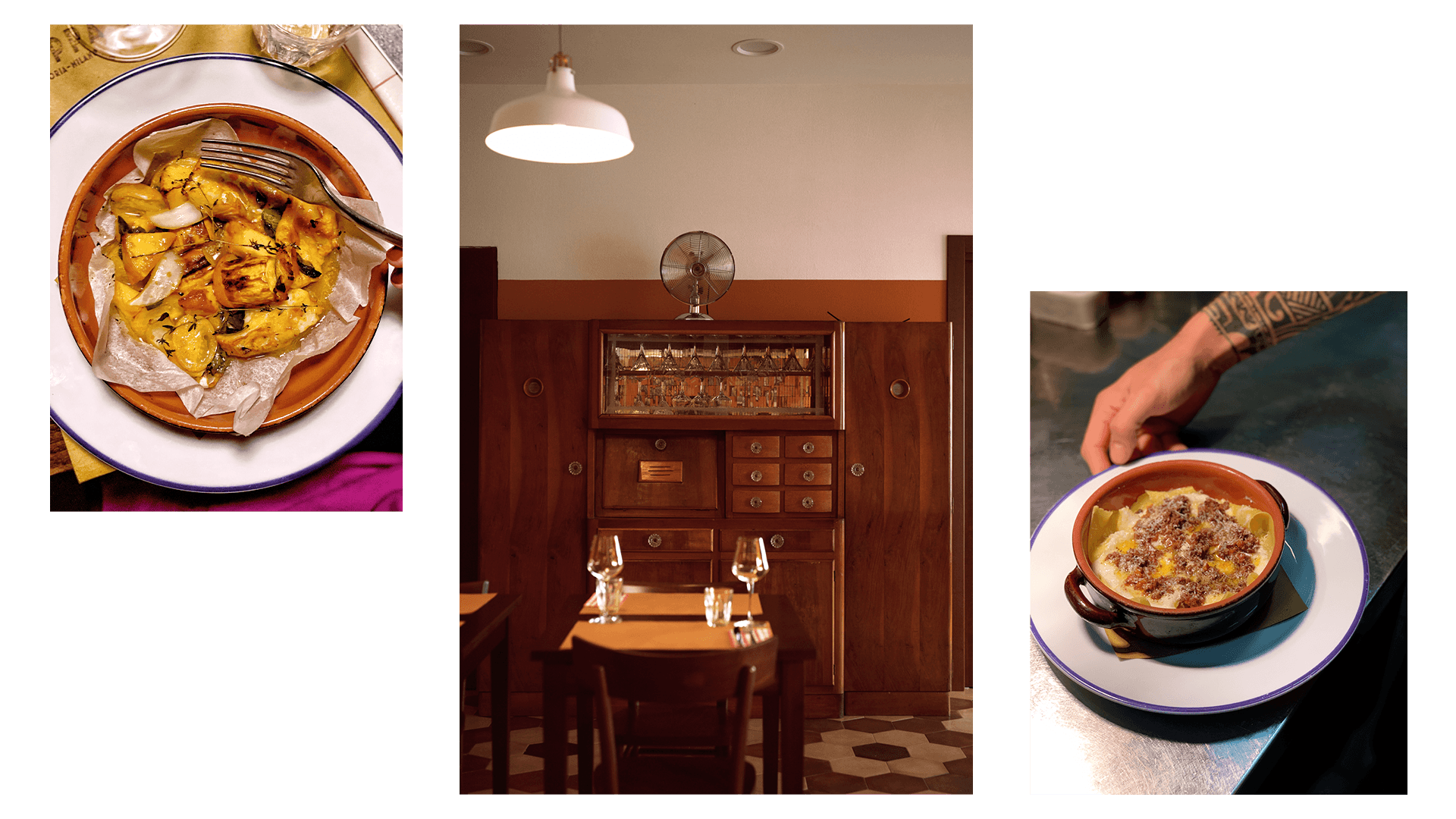
Discover Fine Architecture With A Walk In... Porta Venezia, one of Milan’s most dynamic districts and the heart of its LGBTQIA+ scene, just north of Porta Romana and Zona Risorgimento. It’s defined by elegant Liberty-style buildings, leafy streets and design landmarks like Villa Necchi Campiglio, a beautifully preserved 1930s villa tucked between the city blocks. The area also teems with cafes and shops – make time for indie stops like Frab’s Magazines for magazines and zines, Stamberga for stationery and cool books and Bivio for vintage finds.
Stop For One Last Aperitivo At... Bar Basso, a cult address that’s been shaping Milan’s drinking habits since 1947. The drinks list is famously encyclopaedic, spanning hundreds of options, but most people come for a single rite of passage: the negroni sbagliato, first mixed here and still poured in an unapologetically oversized glass. Order it, take a seat (preferably outside) and watch the city pass by. This is aperitivo in its most Milanese form.
Reserve Dinner At... Ratanà. You can’t leave Milan without trying some of its culinary classics, and this is one of the best places to do it, with a contemporary edge. Hop on the green line to Gioia and you’ll find it in a restored early 20th-century building overlooking a park (Biblioteca degli Alberi Milano – or BAM – one of the city’s best green spaces). The menu revisits Lombard staples using seasonal ingredients and modern techniques, resulting in comfort dishes done properly (plus an excellent wine list). Afterwards, take a post-prandial walk to nearby Bosco Verticale, Milan’s iconic pair of residential towers wrapped in more than 20,000 trees and plants. A great photo opp.
Do One More Drink At... One of Milan’s many listening bars – a scene that’s really taken off in recent years. If you don’t want to go far, start with Dexter Sound & Bites, an intimate hi-fi spot less than a 10-minute walk away from Ratanà and Bosco Verticale, with great vinyl sets and even greater drinks. Not ready to call it a night? Walk a little further to Mogo, a creative, music-minded space where sound meets stiff cocktails and globally inspired bites, so you can raise one last toast to 72 hours in Milano.