When UNESCO crowned northern India’s Lucknow a Creative City of Gastronomy, it felt less like an announcement and more like a polite nod to the obvious. In Lucknow, food isn’t just cooked – it’s cherished, debated, perfected and lovingly passed down. The city’s culinary soul comes from centuries of Persian, Mughal and indigenous influences, but what truly keeps it alive is the unwavering devotion of Lucknowites (locally called Lucknavis).
Lucknow hits the sweet spot of a rich past with a vivid present, its history lived rather than archived. In the 18th and 19th centuries, the princely state of Awadh – known as the “Constantinople of the East” – had Lucknow as its opulent capital. Under the Nawabs (Muslim rulers famed for their refined tastes) the city emerged as a cultural powerhouse of art, poetry, music and gastronomy. That era ended abruptly when the East India Company annexed Awadh, imprisoning its last ruler, Nawab Wajid Ali Shah – a poet, patron of the art and peerless connoisseur.
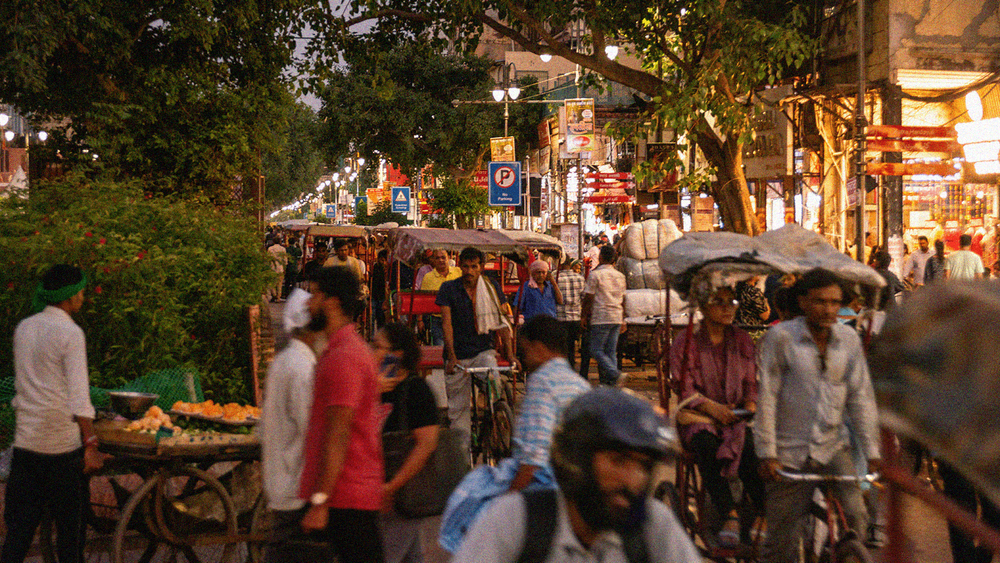
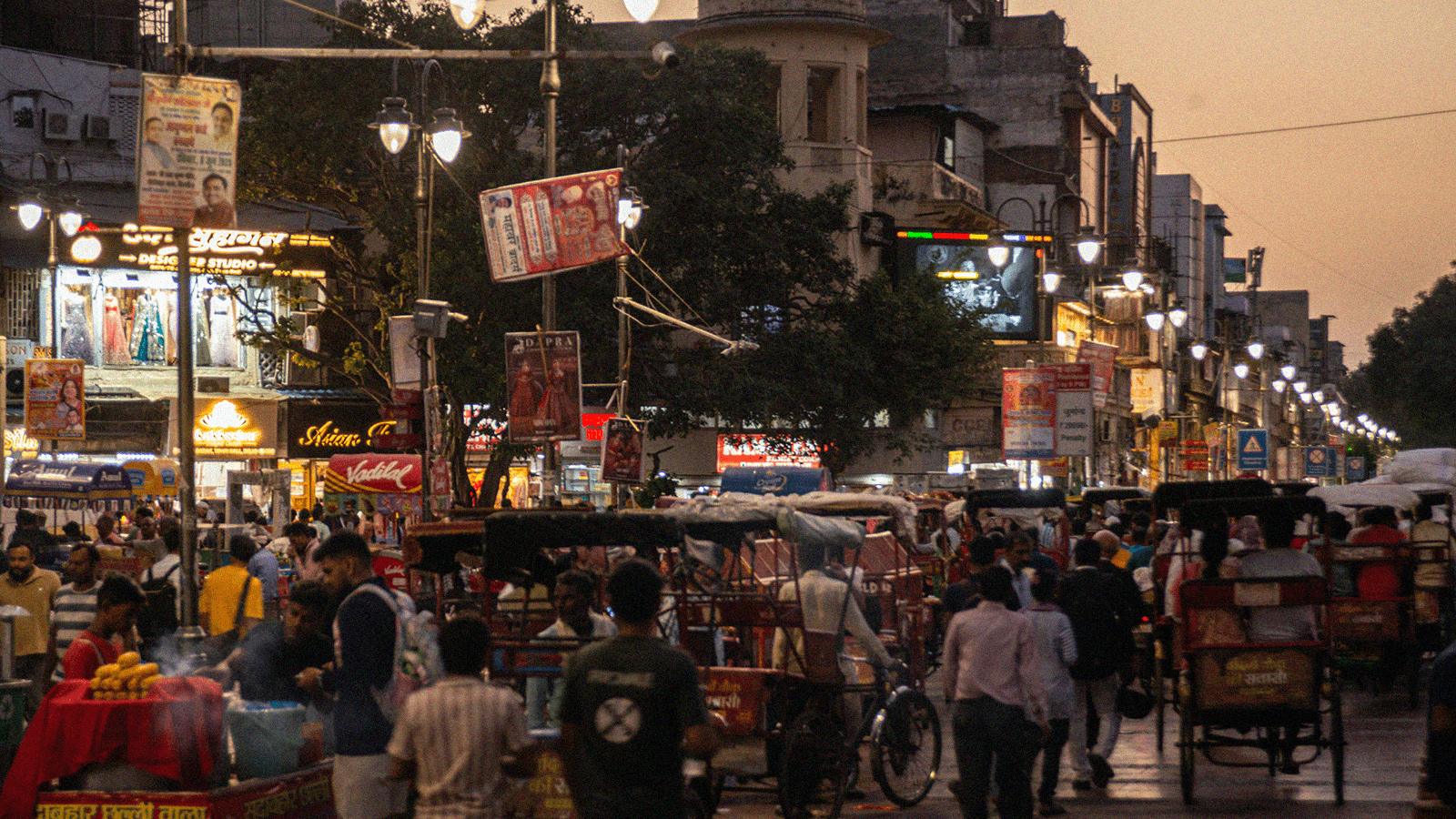
Personally, I always visit Lucknow when I need to refuel myself – in all senses. From sprawling royal monuments to out-of-this-world kababs, crisp parathas and incomparable biryani and pilaf, there are indulgences at every turn. Add to that the search for artisanal Chikankari (a delicate embroidery style), restocking my attar – fragrant, oil-based perfumes distilled from flowers, spices and herbs – and soaking up the glorious chaos of the old city’s Chowk area, and something unmistakable clicks for me.
My top advice? Arrive hungry and channel your inner Bourdain – eat local. Oh, and make sure you’ve downloaded Uber or Ola before hitting the roads of this vivid and endlessly surprising city...
Day 1
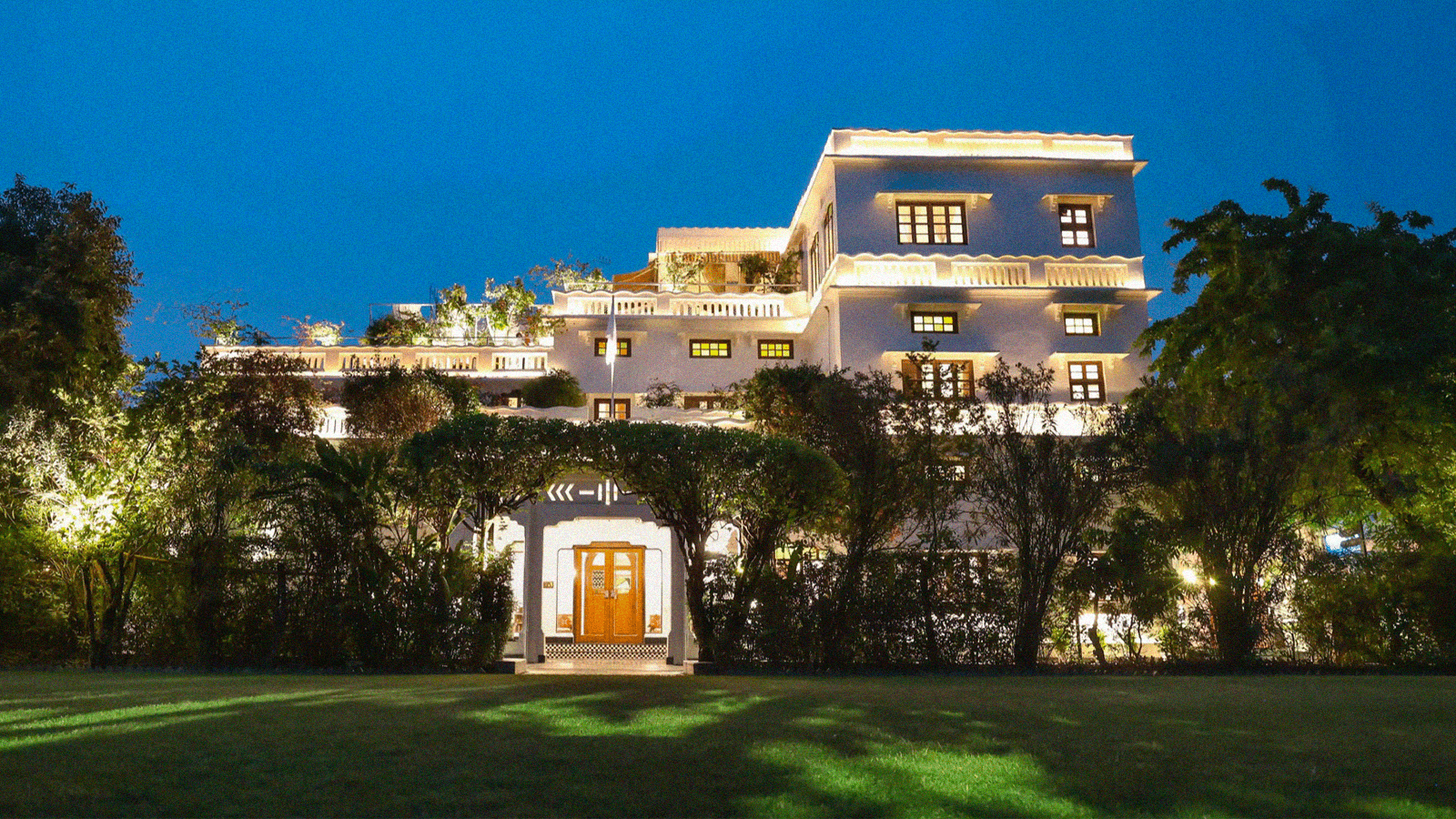
Check Into... Saraca Lucknow, a boutique heritage hotel at The Mall Avenue with a quaint charm of Lucknow’s colonial kothis (bungalows). Painted in white and embellished in an art deco style, Saraca is a 1936 heritage building that was repurposed in 2016. Nestled in its namesake estate, surrounded by lush greenery and courtyards draped in bougainvillaea, it offers a serene escape from the city’s bustle.
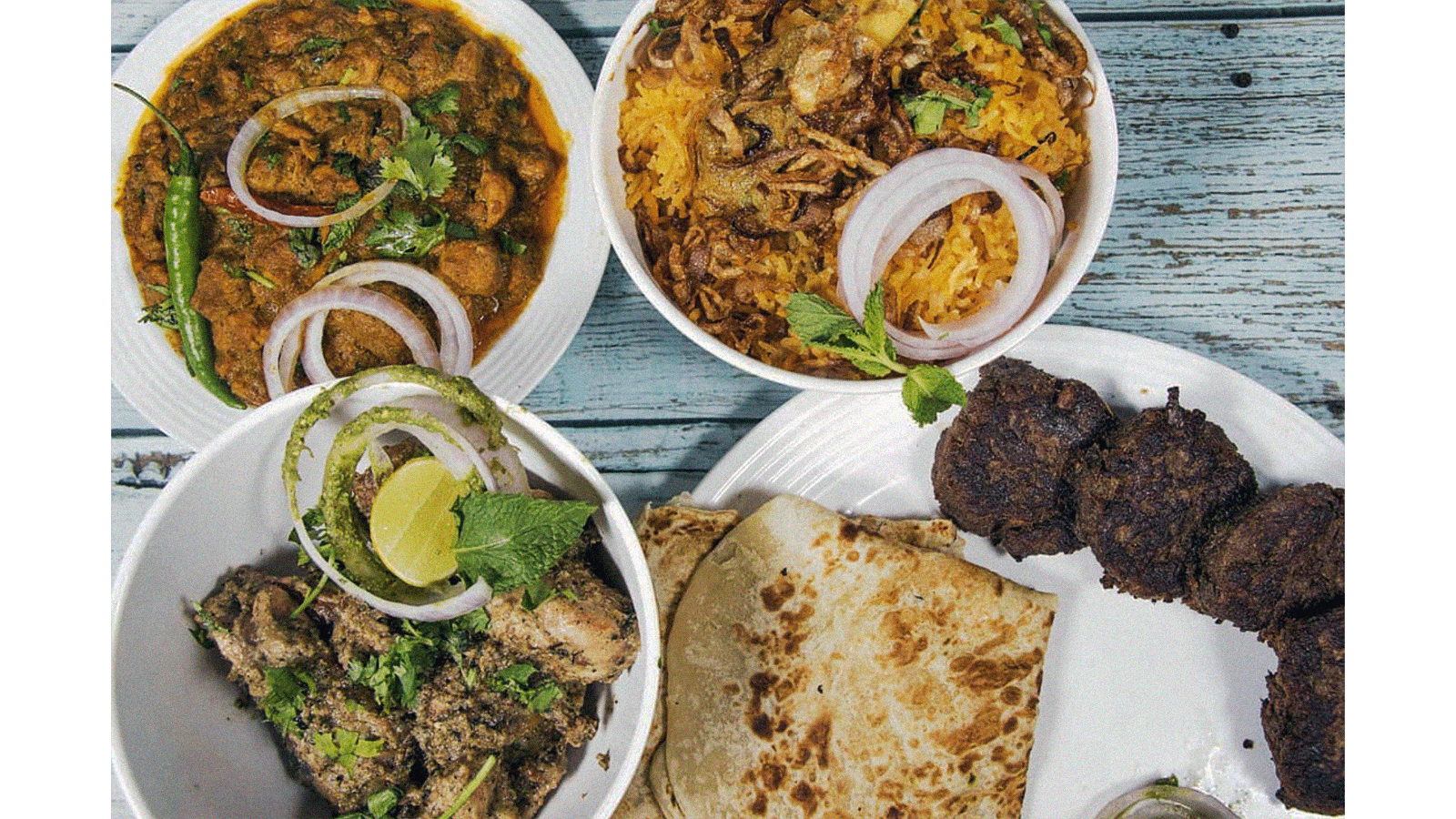
Head For Lunch... At Tunday Kababi (1905) in Aminabad, just a 10-minute drive from Saraca for a Galawat Kabab, which literally means “melt in mouth”. Tunday ke Kabab (locally called Tunday Kabab) began in the royal kitchens of Lucknow when Haji Murad Ali, a rakabdar (gourmet chef), made the most tender kababs for an elderly nawab who was toothless. Murad’s genius lay in his secret (and apparently 160) spices, which not only gave the kebabs their distinctive flavour but also their extraordinary softness, perfectly suited to the old elite. So, this isn’t just lunch – it’s a taste of Lucknow’s royal soul.
Or, For Delicious Biriyani... Travel three and a half kilometres to Idrees Biriyani in Pata Nala, Raja Bazaar Chowk – my personal favourite. Abu Bakr, the third-generation owner, is a stickler for quality – there are no shortcuts in his biryani – and first bites of Idrees’ biryani degh (cauldron) packed with tender lamb and fragrant rice are practically a rite of passage for anyone in the know.
Spend The Afternoon... At the Awadhi Gallery in the State Museum, located within the Nawab Wajid Ali Shah Zoological Gardens at Banarasi Bagh – less than half an hour away. Open 10.30am-4.30pm, Tuesday to Sunday, the museum houses a vast collection of artifacts. “The Awadhi Gallery”, a recent addition to the museum founded in 1863 by Colonel Saunders Alexius Abbott, brings the Nawabi era vividly to life. From musical instruments to handcrafted enamel (minakari) and delicate glassware, every piece offers a glimpse into the artistry of the time.
Enjoy The Elixir That Runs Lucknow... At Irani Dum Chai, a 20-minute tuktuk ride in Hussainabad near Chota Imambara. Served in a cup and saucer, the tea is truly unique: milk is simmered for hours, brewed in a samovar, then combined and slow-cooked dum style for unmatched flavour.
Shop For Chikankari... While you’re out – it’s the exquisite needlework beloved by Wajid Ali Shah. Originally done on white mulmul (a type of a soft, sheer, fine fabric in cotton) or white muslin with white threads, a single jama (upper wear) for royalty can take months to prepare. Handcrafted pieces are luxurious, often custom-made – and a bit heavy on the pocket. My first kurta (a traditional long tunic) came from SEWA (Self Employed Women’s Association) in Brahm Nagar years ago, and it’s still my favourite. Ada Designer Chikan Studio in Hazratganj also has an impressive year-round selection.
End the Day Back At Your Hotel With... A meal at Azrak, Saraca’s fine-dining spot that leans on Awadh’s royal flavours. Go for their Kofta Biryani – light on meat but super satisfying. Or start with Murgh Yakhi Shorba (a creamy chicken soup) and end with Shahi Tukda, the indulgent Awadhi bread pudding.
Day 2
Start With A Traditional Breakfast... At Raheem’s Kulcha Nahari (open 8am to 12.30am) in Akbari Gate, a 25-minute drive away. One of Lucknow’s most loved Nahari spots, it serves slow-cooked lamb or beef stew, traditionally eaten after the Fajr (first Islamic prayer) at daybreak. Beyond their Kulcha-Nahari, I also love their Girda – a cardamom-flavoured flatbread made with ghee, a quirky but perfect pairing with the hearty Paya Nahari (a slow-cooked, flavour-rich trotter broth).
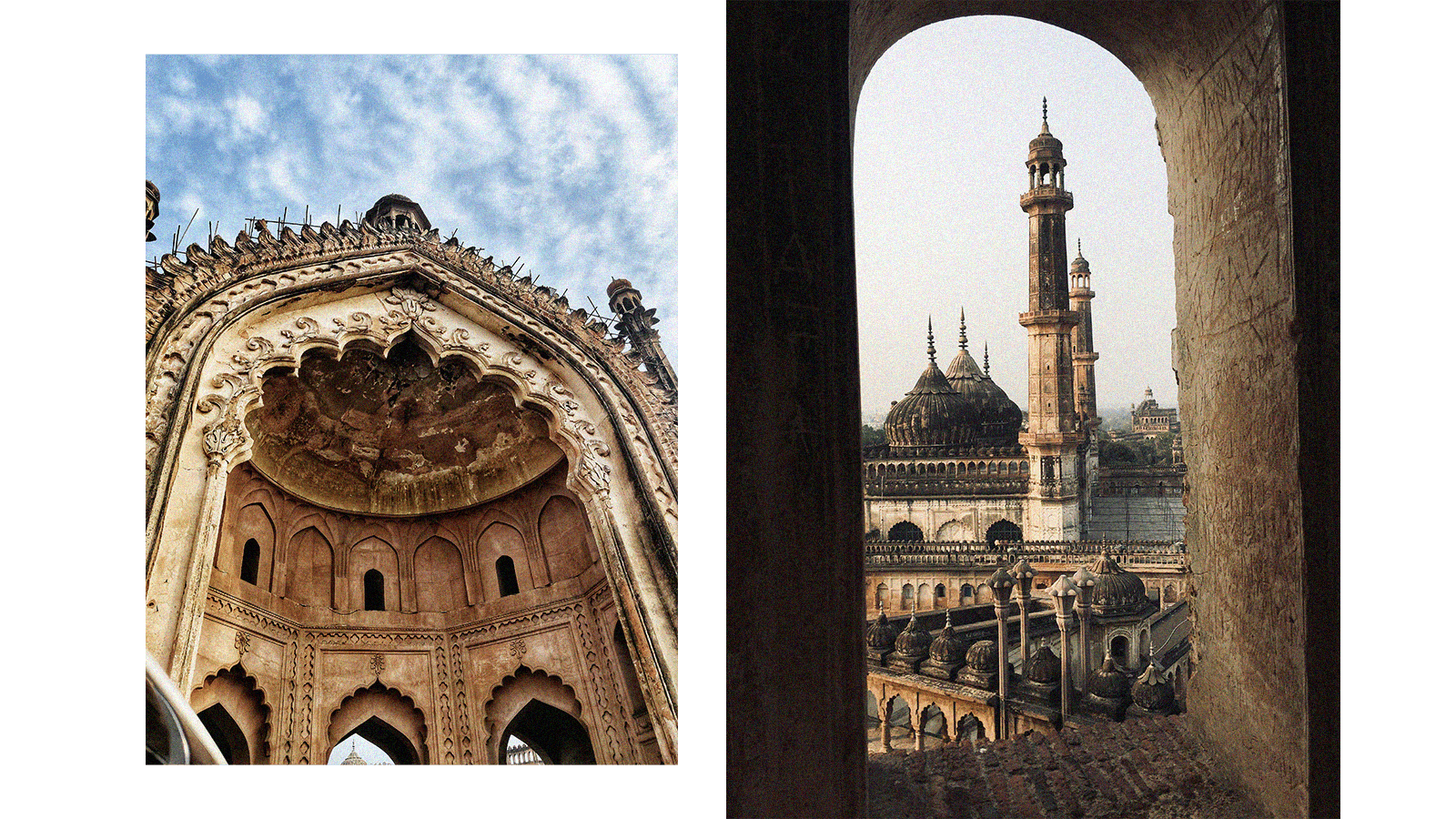
Take The Heritage Trail To... Rumi Darwaza at the Bara Imambara complex in Lucknow – a must‑see on the old city’s self‑guided walk through historic sites that links iconic monuments, bazaars and plazas. You can begin around Husainabad or Chowk and walk towards Bara Imambara (the whole trail took me around four hours, but it depends on how immersive you want to be). One view worth snapping along the way is the 60‑foot gateway built in 1784 by Nawab Asaf‑ud‑Daula, the ruler of Awadh, inspired by Istanbul’s Sublime Porte and named after the former Eastern Roman Empire. It once held a lantern that lit the area at night and remains one of Lucknow’s most photogenic heritage landmarks.
Another Trail Highlight Is... Bara Imambara (known as ‘big shrine’), built by Asaf-ud-Daula as a famine-relief project. This sprawling complex houses a congregational hall, the Asafi Mosque where Shia Muslims gather during the religious observance of Muharram, the famous Bhul Bhulaiya (labyrinth) with 489 identical doorways, and the Shahi Baoli or Royal Stepwell. Designed by Persian architect Kifayatullah – who also built Rumi Darwaza, and asked for a burial plot instead of a fee – the grand vaulted roof was constructed without a beam while the entire structure uses clay bricks called lakhauri. Wander its corridors and balconies, admire the interlocking forecourts and, if you’re adventurous, try finding the exit from the maze.
Refuel At.... Wahid Biryani at Aminabad, a 20-minute ride from Bara Imambara. Known for its no-fuss ambience and mouth-watering biryani, Wahid is the place to go when hungry. Order the flaky, soft paratha (one of the best in the city) with mutton or chicken boti (small cuts) kabab. The biryani at Wahid is also a must – subtly fragrant with saffron and screw pine essence (locally called Kewra). Generous in their serving, a lunch at Wahid is one hearty, unmissable affair.
Find Your Signature Scent... At Sugandhco (open 12pm to 7.30pm) in Lalbagh, about a 20-minute drive from Wahid. A legacy perfumer since the 1850s, Sugandhco reflects Awadh’s royal olfactory tradition, once cherished by Nawab Wajid Ali Shah. Check out their attar collection – skin-friendly and alcohol-free – and let the experts guide you. My favourite is khus attar which is distilled from wild vetiver grass and perfect for summer.
Go For Dinner, The Bourdain Way... In the Chota Imambara area, which comes alive in the evening with street food stalls that turn the neighbourhood into an open-air feast – think succulent kebabs, biryani, roasted bater (Japanese quail), black carrot halwa (a winter delicacy), or creamy Shahi Tukda (bread pudding). My go-tos? Roasted bater and pasanda kababs with paper-thin roomali roti, folded like a handkerchief. Trust me: you will leave extremely satisfied.
Day 3
Kick Off With A Long Breakfast At... Azrak. The hotel’s impressive buffet covers everything from English breakfast to Nawabi classics to South Indian dosas (crepes) – perfect fuel for a busy last day.
Keep The Heritage Trail Going By... Visiting Chota Imambara. About 35 minutes’ drive from the hotel in the heart of Lucknow in Uttar Pradesh – also known as the Imambara of Hussainabad – is a 19th-century Shia shrine and one of the most ornate monuments of the Nawabi era. Built in 1838 by Nawab Muhammad Ali Shah, it was conceived as a mosque and commemorative hall, its gleaming domes visible long before you arrive. Inside, you’ll find intricate carvings and calligraphy, arabesques, marble floors and grand chandeliers made in imported Belgian glass – a spectacular display of Awadh’s architectural grandeur.
From There, Continue To... The Residency, just a five-minute drive away. It’s a huge complex of ruins that once housed the British High Commissioner and became a focal point during the 1857 Uprising (India’s First War of Independence). It’s a group of buildings built between 1780 to 1800, and a stark reminder of Lucknow’s complex relationship with the East India Company and later British colonial government. Bullet-scarred walls and crumbling buildings still stand, offering a sobering counterpoint to the opulence of the Imambaras – and a powerful reminder of Lucknow’s layered, turbulent history.
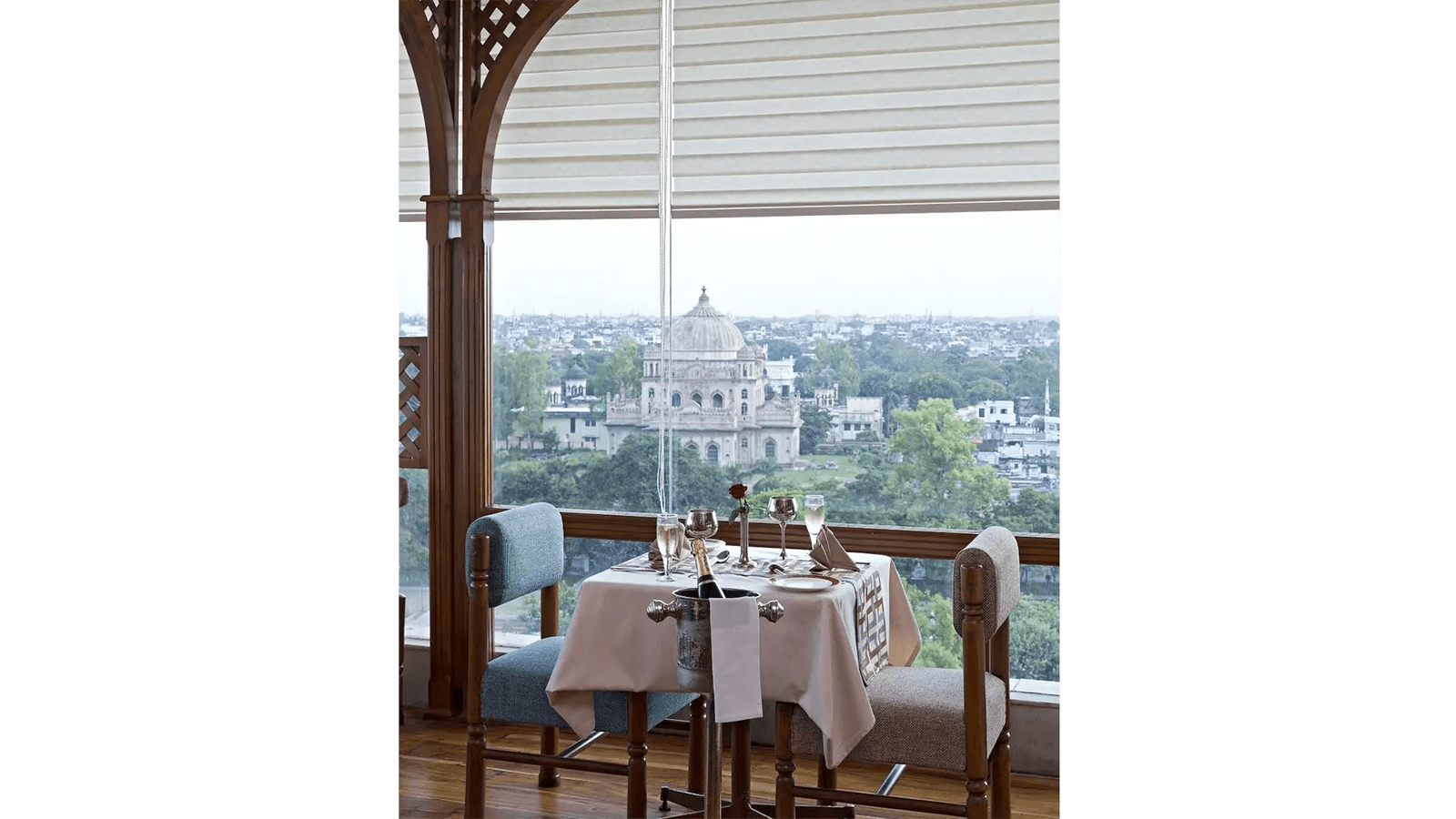
Book A Table At... Falaknuma, The Clarks – the hotel’s rooftop restaurant, where nights unfold slowly from around 7pm, gently shaped by live ghazal performances (a traditional form of Urdu poetry set to music, often exploring themes of romance, love and separation). They create a reflective, almost meditative backdrop as the city stretches out below. As you take in the panoramic views and rosé-tinged skyline, choose from the thoughtful à la carte menu (vegetarian-friendly). Start with a slow-sipped Yakhni Shorba (rich mutton broth), followed by silken Kakori Kababs and Biryani Hazratmahal (a light and sublime chicken biryani) and end with the gently sweet, saffron-infused Phirni (milk and rice puddings) – and let the music carry you through your final night.