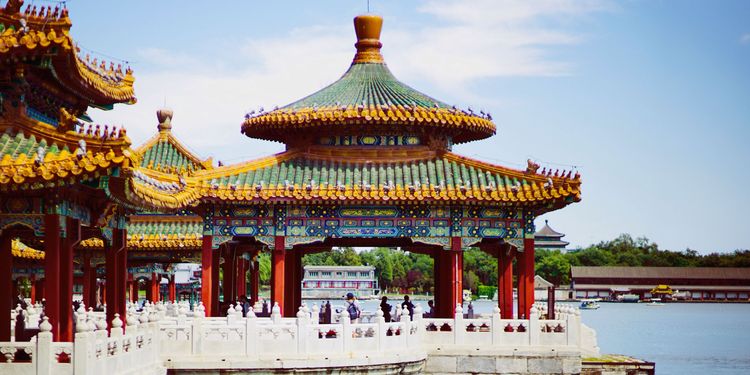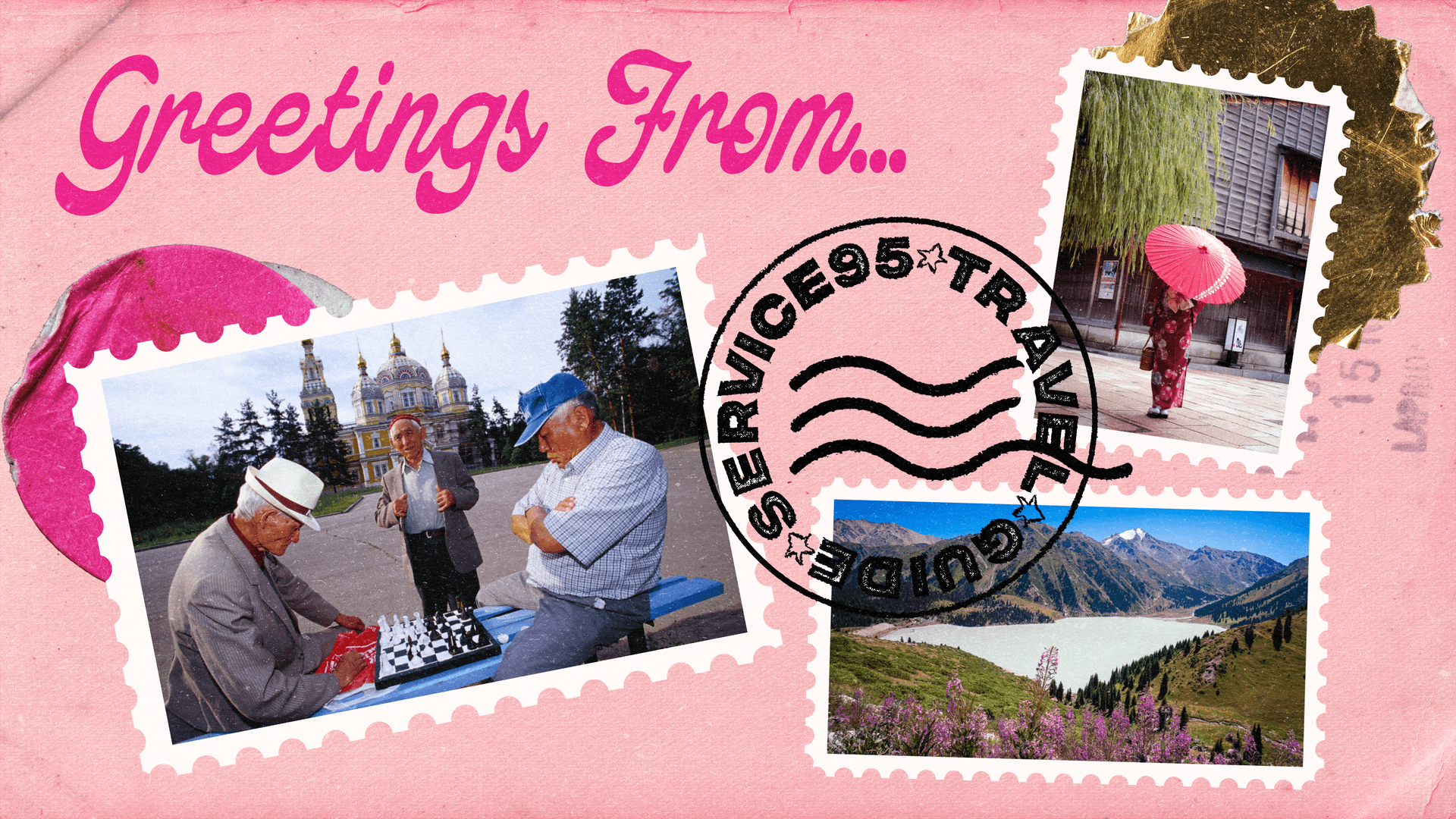
The world is full of places quietly shaping their own stories, known to a few but waiting for more to notice. Let’s call it trickle-down travelnomics: an interesting individual sets down roots somewhere – maybe a place you’ve never heard of, maybe somewhere everyone has. If they do interesting things, their energy threads into the local cultural fabric, sending out signals that attract others who thrive on discovery. These people are widely known as travellers. We suspect you’re one of them.
Every year, new individuals create new roots, sparking fresh cultural currents. That’s how we ended up with the list before you: a network of places that are alive, pulsing, pulling. If it does its job – to intrigue, to inspire – who knows? Maybe the next person to plant a root will be you. From hidden gems to spots already whispered about among travellers, these are the 26 destinations we think deserve a place on your 2026 travel map...
1. Hobart, Tasmania
Nocturnal soundscapes, nude swims, and performance art that would unnerve Abramović herself: this is Dark Mofo, the Australian arts festival that turns Hobart – Tassie’s wild state capital – into a Lynchian fever dream for two weeks each June. Raise a toast to the beautiful bedlam at Scholé – the coolest wine bar you’ve never heard of – and brace yourself: things are about to get very, very strange.
2. Brussels, Belgium
Forget waffles and Euro cliches – Brussels is the new capital of collectable design. Artistic enclaves transforming derelict houses (Espace Aygo) and gutted paper factories (Zaventem Ateliers) are steering the scene, while design fair COLLECTIBLE and new museum of art and architecture KANAL-Centre Pompidou headline 2026. As for designer digs, Teddy Picker, Mix Brussels or the shiny new Standard blur the line between hotel and gallery.
3. Deià, Mallorca
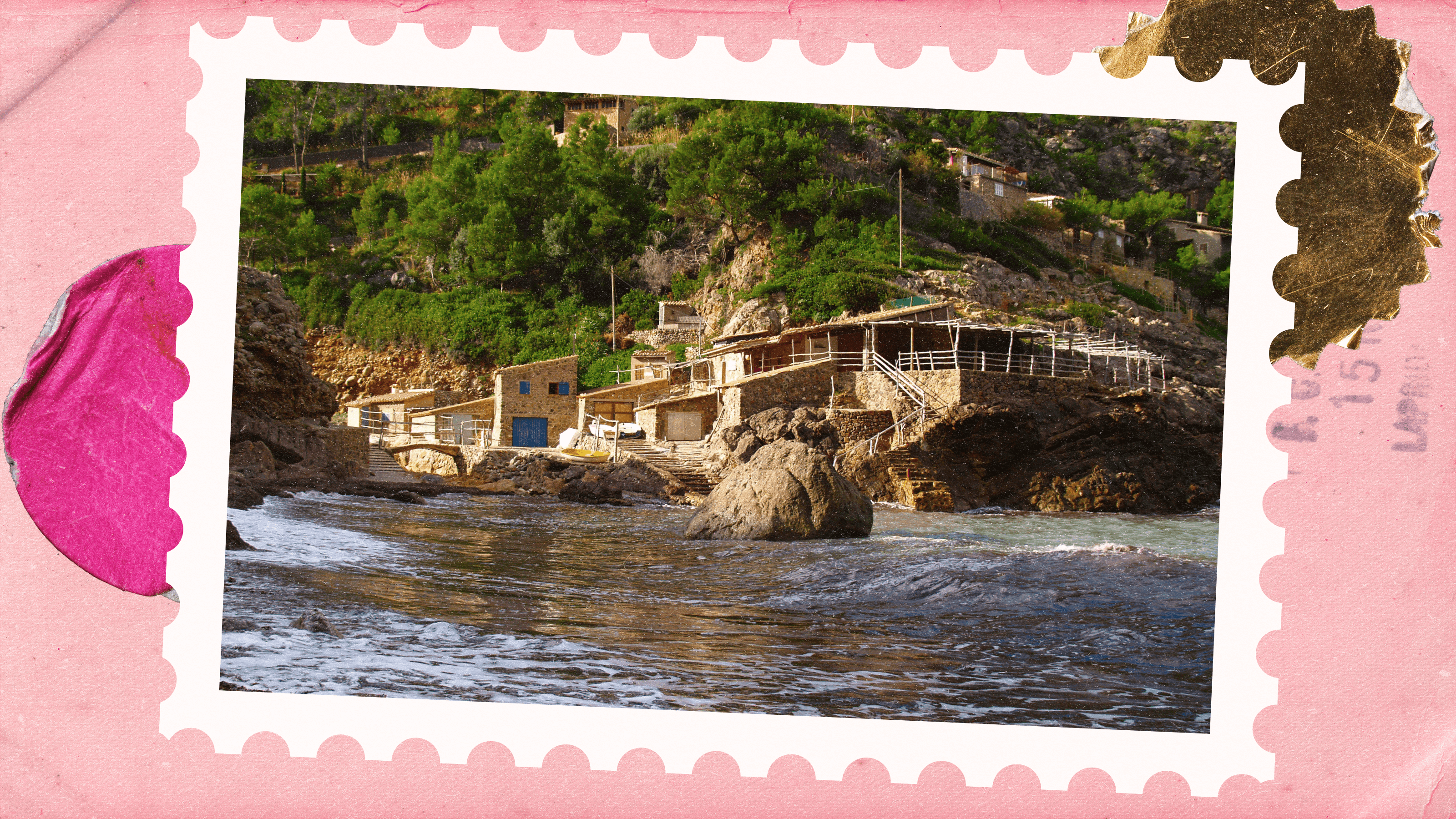
As far as mountain villages go, Deia might be Europe’s most romantic – and a playground for anyone wielding a brush, pen or Leica. There’s that Slim Aarons filter applied to Cala Deià beach and agrotourism in the air, with ceramicists like Maria De Haan opening their studios to visitors. Long, alfresco tables at Hotel Corazón – reopening in 2026 – ready themselves for aggressively photogenic farm-to-table feasts.
4. Kanazawa, Japan
Locals tend to spot the hot new thing first, so let’s just say bullet train extensions have rolled in to meet Kanazawa’s domestic demand. Known for samurai, seafood and all the cultural cachet of Kyoto minus the crowds, thanks to UNESCO Kanazawa is also the City of Crafts and Folk Arts, even swiping the National Crafts Museum from Tokyo. Edo-era teahouses, kintsugi workshops and a leading modern art gallery complete the collage.
5. Seongsu-dong, Seoul
The Korean Wave isn’t subsiding any time soon, but if Seoul’s tourist trail beelines west for Hongdae, then we’re going east – to Seongsu-dong, whose Brooklynification has transformed former chemical plants into boutique concept stores, old auto repair shops into trendy cafés and shipping containers into pop-up exhibits. Formerly known as the city’s artisanal shoe-making hub, it still has a whole street devoted to the craft.
6. Poblenou, Barcelona
Cool neighbourhoods follow a formula: a dominant industry (cotton, in this case) dies, leaving warehouses derelict. Then come the artists. Poblenou, 15-minutes from Las Ramblas, is still ruled by this creative clan and – come June – the savviest Primavera Sound attendees. This June also marks 100 years since Gaudí’s death, with his perennially under construction cathedral, the Sagrada Família, set to be completed for the occasion.
7. Coyoacán, Mexico City
Cheap rents, world-class bars and co-working spaces have turned CDMX into the freelancer’s favourite. You’ll find them – and should join them – around Condesa and Roma’s endless restaurants and green spaces. Add colourful Coyoacán to the rollcall, as love for everyone’s favourite bold-browed artist, Frida Kahlo, reignites after the reopening of her museum, set in the house where she was born, lived and worked.
8. Bratislava, Slovakia
There is a criminal lack of chat when it comes to Slovakia’s slow-burn capital, bar discussions of ludicrously cheap draught beer. We should be talking about glassware at slávica, the stripy stalls of Stará tržnica market with its many artisans, cold martinis at Erik Lorincz’s Antique American Bar, and Irin – a Slovakian kitchen that could blow the roof off anything in Berlin, London or Paris.
9. Killarney National Park, Ireland
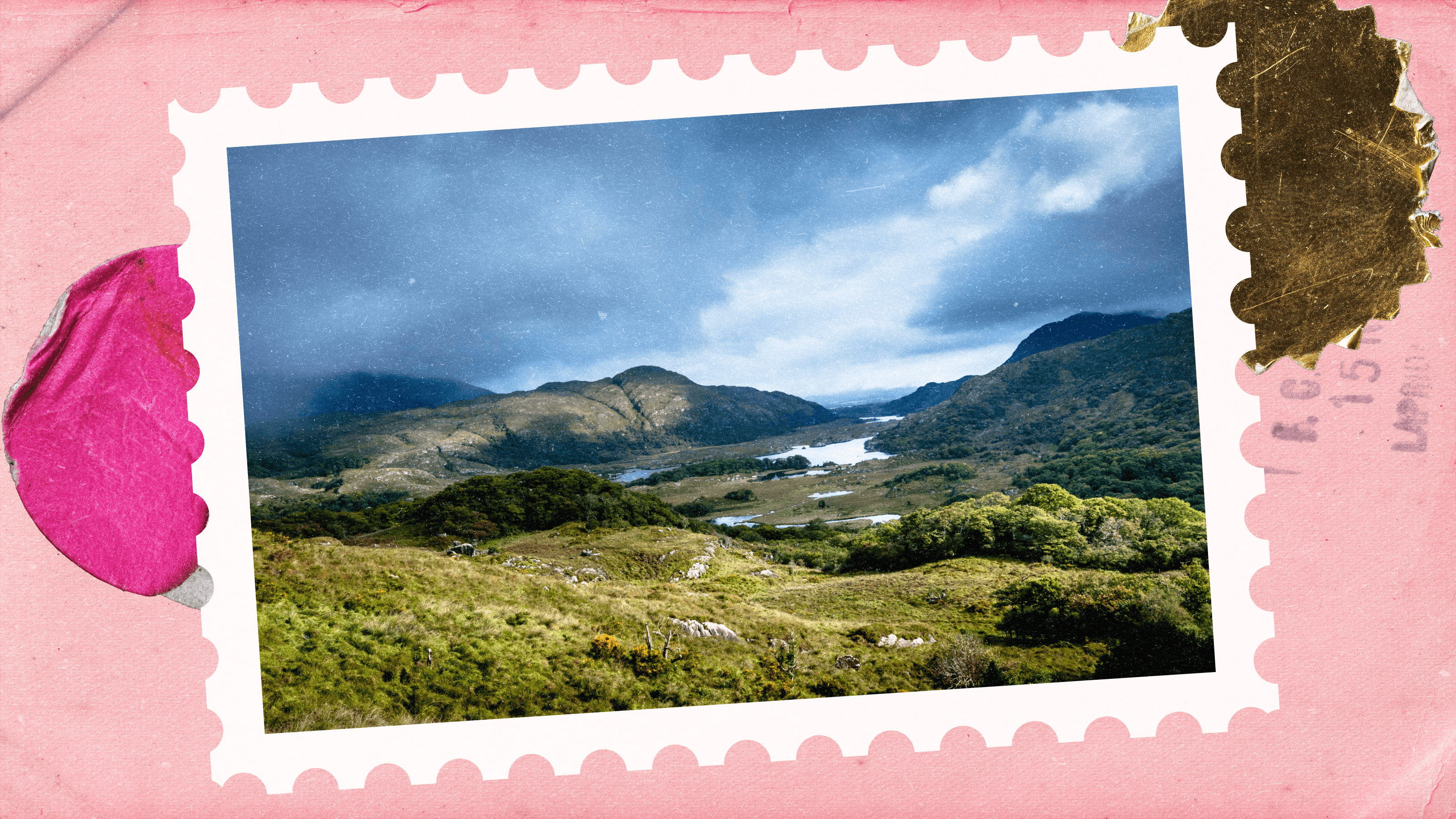
With ‘roads over runways’ set to be a defining trend of 2026, let us take a road trip through Killarney National Park – a Unesco Biosphere Reserve where Ireland’s remaining red deer roam and ancient yews rank among some of Europe’s rarest. Touch grass, drink Guinness (ideally at Tigh Mary Donal’s, with live music) and make time for a breathtaking drive along the Ring of Kerry.
10. Almaty, Kazakhstan
The ‘Stans are storming adventurous bucket lists everywhere. Kyrgyzstan has the epic slopes (and new resorts opening winter 2026) but Almaty, Kazakhstan, has its strengths: Soviet-era architecture, famous markets, otherworldly canyons, a new Museum of Arts, and Wes Anderson vibes inside legendary communal bathhouses. From March, new direct flights with Etihad make it easier than ever to access.
11. East Tennessee, USA
Just as East Nashville is the hotspot of its state capital, East Tennessee reigns as our hero of the state. Reports suggest a millennial migration to the scenic shadows of the Great Smoky Mountains – where hikers and firefly-spotters can enjoy popular waterfall trails re-emerging, finally, after closures. Cowboy-core is omnipresent, namely in remote mountain lodges, Dollywood’s newest Smoky attraction and at nearby Bonnaroo Music & Arts Festival.
12. Phnom Penh, Cambodia
In the heart of the Cambodian capital, architect Vann Molyvann’s modernist home has been turned into a designer coffee destination and micro-museum dedicated to the man himself – a sign of Phnom Penh’s creative resurgence alongside a new Khmer Makers Village, celebrating traditional Khmer crafts. Fast fashion is giving way to sustainable boutiques, and look out for Gen Z-operated coffee kiosks springing up around the city.
13. Saba, Caribbean
This is not a party island. Long beaches and wild nights are a 90-minute ferry away, on St. Maarten. Rather, Saba is a wholesome outcrop – it spends nine days each November celebrating rum and lobster, and presents a masterclass in landscape stewardship and slow living. Development is rare here, which makes the new Scenery Hotel Saba, the island’s first luxury boutique hotel, a delicate and modern milestone.
14. Ucluelet, British Columbia
Before Christmas, Ucluelet’s tourism board released a gift guide – that it only included pre-loved fashion, handmade and zero-waste gifts perfectly captures the spirit of this tiny West Coast town. As does its annual West Coast Fibre Art Retreat, rejoicing in all things textile, and new signage on the (spectacular) Wild Pacific Trail honouring the Indigenous Yuułuʔiłʔatḥ language. Breweries, saunas and surfing round out the vibes.
15. Camargue, France
When Hermès’s creative director Nadège Vanhée drew from Camargue’s wild horses and untamed landscapes for her SS26 collection, it was a poetic reminder of the South of France’s romantic spirit. Famous for its ghost-white horses, stark salt plains and blush-pink flamingos, the region is made for horsey and Attenborough types. And forget Maldon – the ultimate souvenir is a jar of Camargue’s hand-harvested salt.
16. Södermalm, Stockholm
Stockholm is the beach city of 2026, but it spans 14 islands – so which to choose? Follow the cool kids to Södermalm: you’ll spot them at the ‘breakfast cinema’ screenings at arthouse Bio Rio, picking up vintage finds in the slow fashion district and strapping in for designer fika at Svedjan Bageri. Salute the long Scandi summer at wild swimming favourite, Tanto Strandbad.
17. Providence, Rhode Island
Gig-tripping is the art of travelling for shows – and Rhode Island’s scrappy, creative capital is a regular stop for your favourite bands and comedians. Then we have the emerging plant-based food hall, natural wine scene, bookshops and myriad boutique hotels. Is the USA’s 250th birthday on your 2026 radar? Nautical Rhode Island – the state with the boldest, most progressive roots – is the smartest spot to celebrate.
18. Lech, Austria
A royal favourite once run on old money, Lech’s creative young guns are carving something new. James Turrell’s free, Kubrick-esque lightroom glows in the mountains, while hot chefs rule a punchy boutique scene, particularly at Rote Wand and Kristiana Lech (the latter has its own gallery). Now Curious, a new rotating art space, makes Lech the artiest alpine address for 2026.
19. Lamu to Diani, Kenya
Trace a line along the Kenyan coast from Lamu to Diani, via mangroves and bioluminescent creeks, and you’ve mapped a coastline that could rival some of world's glossiest – home to fewer crowds, vast beaches and sleepy, Swahili villages. Lamu’s famous dhow fleet is at the heart of a burgeoning craft scene, with local designers repurposing the wood into pieces sold through slow-living shops (like Lulu Stories) across the archipelago.
20. Eindhoven, Netherlands
You couldn’t pack more design fairs into Amsterdam’s sister city if you tried. Each October, thousands of designers unleash the contents of their brilliant brains on Eindhoven during Dutch Design Week, while in January the Strijp-S district (an industrial wasteland turned hipster daydream) becomes the host of Destination Design. And the heavyweights just keep coming: a second, riverside outpost of the Rijksmuseum is officially in the works.
21. Greater Manchester, UK
The 2026 BRIT Awards moving to Manchester after 48 years in London is just the latest win for the UK’s creative north. Now, thanks to the arrival of Soho House, the success of restaurants like Skof and a serious cocktail scene (see: Schofields, Stray), its energy is spilling into nearby towns. Stockport, for example, is currently experiencing a renaissance at its historic Market Hall.
22. Pantelleria, Italy
Even talking about Pantelleria feels like spoiling it. But we’re not the first to notice: director Luca Guadagnino filmed here, and the Giorgio Armani even transformed one of the island’s dammusi into his summer home. Creative outfits like Linger run artist residences here, as does the boutique hotel Parco dei Sesi. A hyper-local food scene pivots on one signature ingredient: the Pantelleria caper.
23. Kochi, India
Founded in 2012, the Kochi-Muziris Biennale became India’s first international contemporary art biennial; now, its sixth edition is lighting up venues across Kerala’s punchy port city. In between exhibits and performances (running until the end of March), take a peek inside centuries-old Dutch buildings transformed into bookshops, cafes and antique emporiums around Fort Kochi, and mingle with brilliant photographers at four-room art retreat, Kayal Island.
24. Dongshankou, Guangzhou
Design enthusiasts may know all about Guangzhou – the resident home of China’s huge modern furniture fair, Guangzhou Design Week, and the Guangzhou Image Triennial, currently residing at the city’s Guangdong Museum of Art. Where the Pearl River meets Dongshan Lake brings you to Dongshankou, our neighbourhood to know, where a modern art scene flourishes in creative spaces around Kuiyuan Park and the district’s heritage buildings.
25. Paraty, Brazil
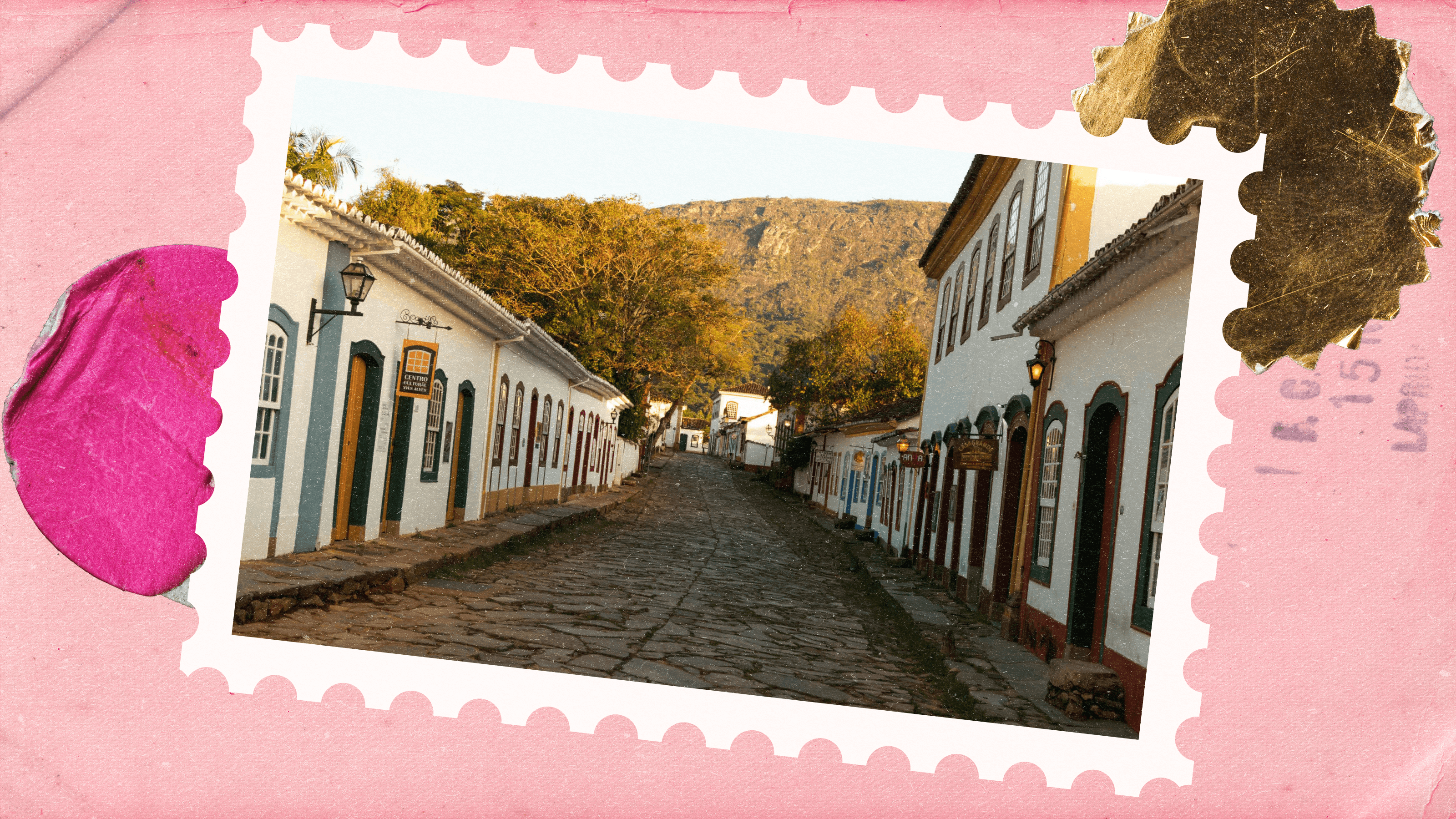
Getting to Paraty – roughly four hours by car from Rio de Janeiro and the same from São Paulo – isn’t exactly easy. And yet, the great and good of international authors make the pilgrimage for its acclaimed annual literary festival, aka FLIP, each year. Such is the charm. Tiny, colourful homesteads have their own gravitational pull, as do organic, eco-conscious farms, cobblestone streets with ceramic shops, and mountain-backed beaches.
26. Maramureș, Romania
Maramureș reads like somewhere you’d find Hansel and Gretel, all fairytale forests and horse-drawn carts. Bizarre, then, that the region is big in the world of tech (known for its lightning-fast internet) and freestyle skateboarding: its summertime Rookie Fest is Romania’s only contest of this kind. The region’s wooden houses tell a tale of craftsmanship and many offer rooms for visitors, with opportunities to try woodwork and muck in.